DbcultAccessing Vault...
5.6/10
Senior Film Conservator
A definitive 5.6/10 rating for a film that redefined the boundaries of cult cinema. Husband by Proxy remains a cornerstone of transgressive art.
Short answer: yes, but only if you have a high tolerance for the theatrical stiffness of early silent comedies. This film is for the cinematic historian who enjoys dissecting class warfare; it is not for the casual viewer looking for a fast-paced narrative or modern emotional beats.
Husband by Proxy is a curious artifact of its era, capturing a world where the lines of social demarcation were being redrawn by the sheer force of industrial wealth. It is a film that feels both dated and strangely prophetic in its depiction of the 'influencer' culture of the 1920s, where appearance was everything.
1) This film works because it leans into the absurdity of Charlotte Ponson's vanity without ever making her a sympathetic figure, allowing the satire to remain sharp.
2) This film fails because the sheer size of the cast often leads to a cluttered frame where minor characters are introduced and discarded before the audience can place them.
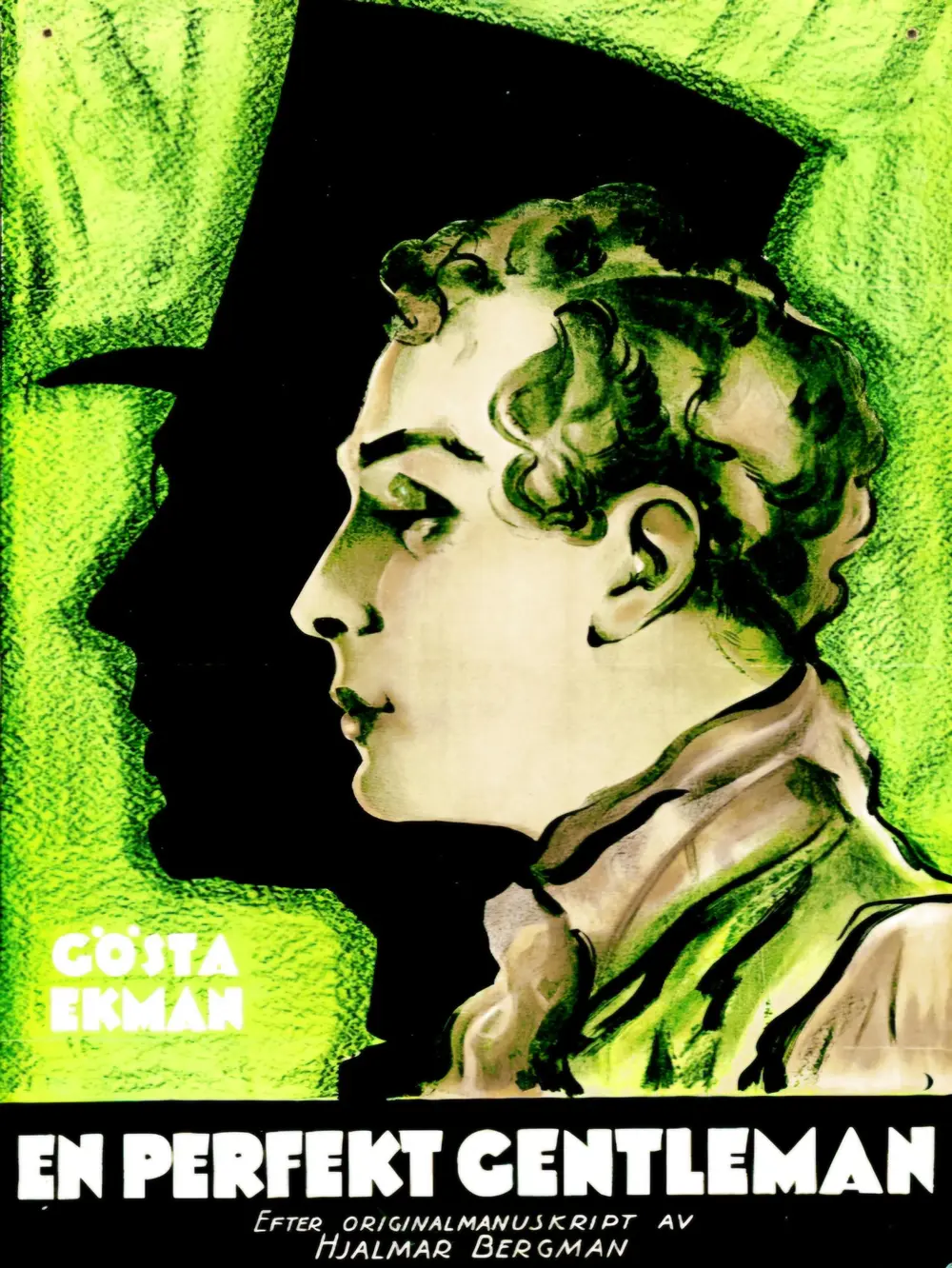
3) You should watch it if you want to see a masterclass in physical comedy from Gösta Ekman and Hans Albers before they became the icons we know today.
The plot centers on the Luny Palace, a crumbling monument to old Parisian aristocracy. When Charlotte Ponson (played with a delightful, puffed-up pomposity) buys the estate, she isn't just buying a house; she's attempting to buy a lineage. The film excels in showing the disconnect between her surroundings and her behavior. There is a specific scene in the first act where she attempts to host a tea for the local duchesses, and the way she handles the porcelain—too tight, too aggressive—says more about her character than any intertitle ever could.
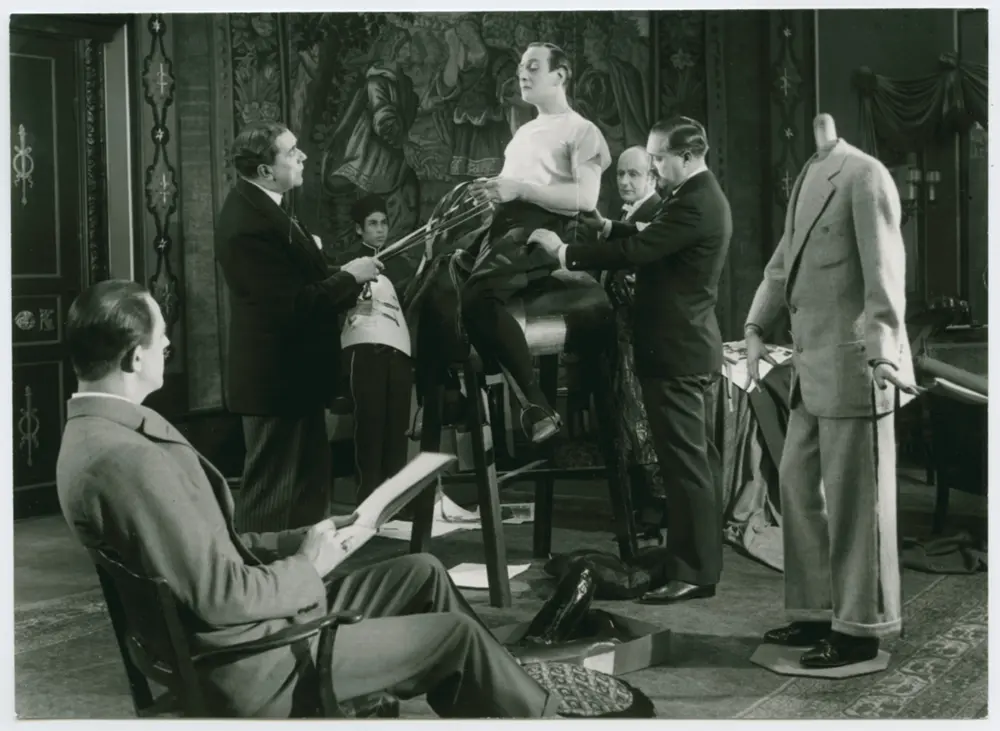
Unlike the romanticized struggles in Anna Karenina, Husband by Proxy treats social failure as a comedy of errors rather than a tragedy. Ponson is a bulldozer in a china shop. The script by Hjalmar Bergman is surprisingly cynical. Bergman, known for his deep understanding of human frailty, doesn't offer Ponson a redemption arc. He simply lets her spin her wheels in the mud of high society.
The cast list reads like a 'Who's Who' of early European cinema, but this is a double-edged sword. While seeing Hans Albers in an early role is a treat, the film often feels like a stage play that forgot to limit its background actors. The screen is frequently packed with bodies. In the ballroom sequence, the camera struggles to find a focus, jumping between Ragnar Arvedson and Mia Gründer without giving the audience time to breathe.
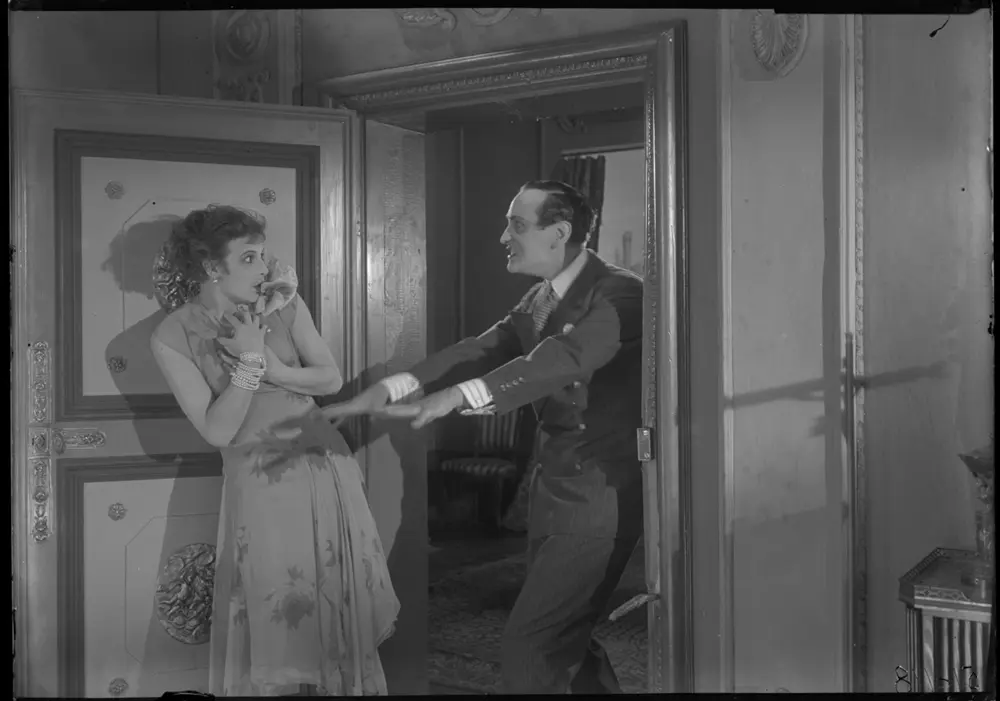
However, Gösta Ekman is the undisputed anchor. His ability to convey internal panic through a slight twitch of his mustache is something modern actors could learn from. He provides the necessary counterweight to Ponson’s loudness. Where she is a blunt instrument, he is a scalpel. Their interactions are the only times the film truly feels alive. When they share the screen, the static nature of the 1920s camera setup is forgotten.
The pacing is, to be blunt, uneven. The first thirty minutes are a whirlwind of setup, but the middle act drags as the film gets bogged down in the minutiae of palace politics. It lacks the tight narrative drive found in something like Thirty a Week. Instead, it meanders through various subplots involving the staff and distant relatives that don't always pay off.
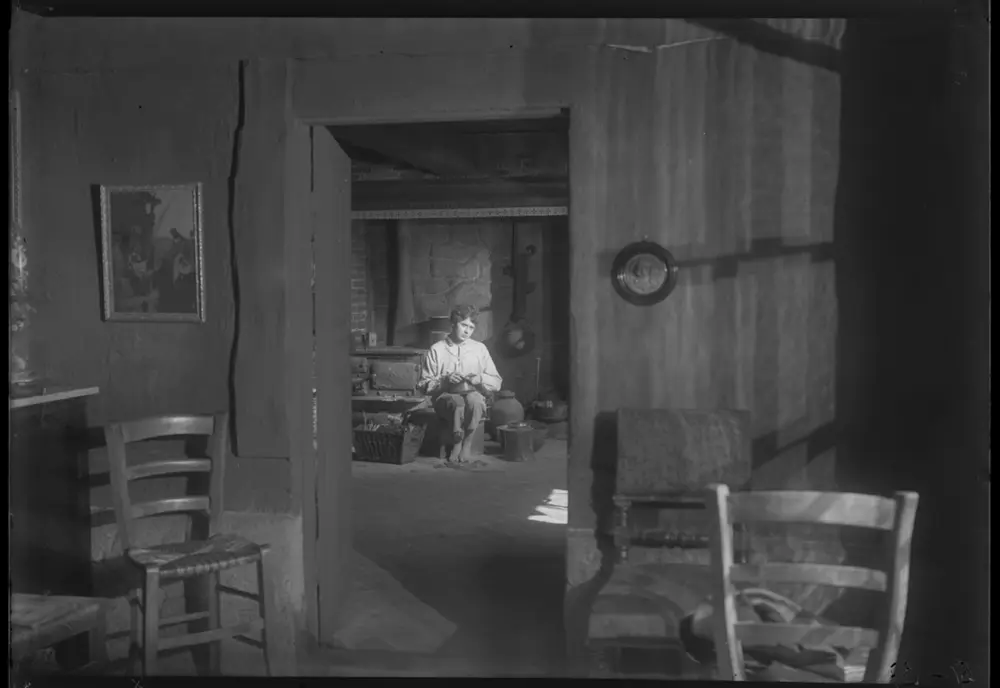
Visually, the film is a product of its time. The sets are grand—the Luny Palace is a triumph of production design—but the lighting is flat. There is little use of shadow to create mood. It is all very bright and very clear, which serves the comedy but robs the more dramatic moments of their weight. The cinematography doesn't take the risks seen in The Mysteries of Myra; it stays safely in the wide shot, rarely moving in for the kill.
Does Husband by Proxy hold up for a modern audience?
Only for those with a specific interest in the evolution of social satire. It is not a casual Friday night movie. It requires patience and an understanding of the cultural context of the post-WWI wealth boom. If you can appreciate the irony of a woman buying a palace she doesn't understand, you will find value here. If you need relatable characters, look elsewhere.
Pros:
Cons:
When compared to other films of the period like Love's Blindness, Husband by Proxy feels much more grounded in reality. It doesn't treat the aristocracy with reverence. In fact, it treats them as just as desperate as the woman trying to join them. This lack of hero-worship is the film's greatest strength. It is a level playing field of greed and vanity.
The film lacks the atmospheric tension of When a Woman Sins, but it makes up for it with a dry, almost clinical observation of social behavior. It’s a film that watches its characters from a distance, like insects in a jar. This can make it feel cold, but it also makes the satire more effective. It doesn't ask you to love Charlotte Ponson; it asks you to laugh at the system that created her.
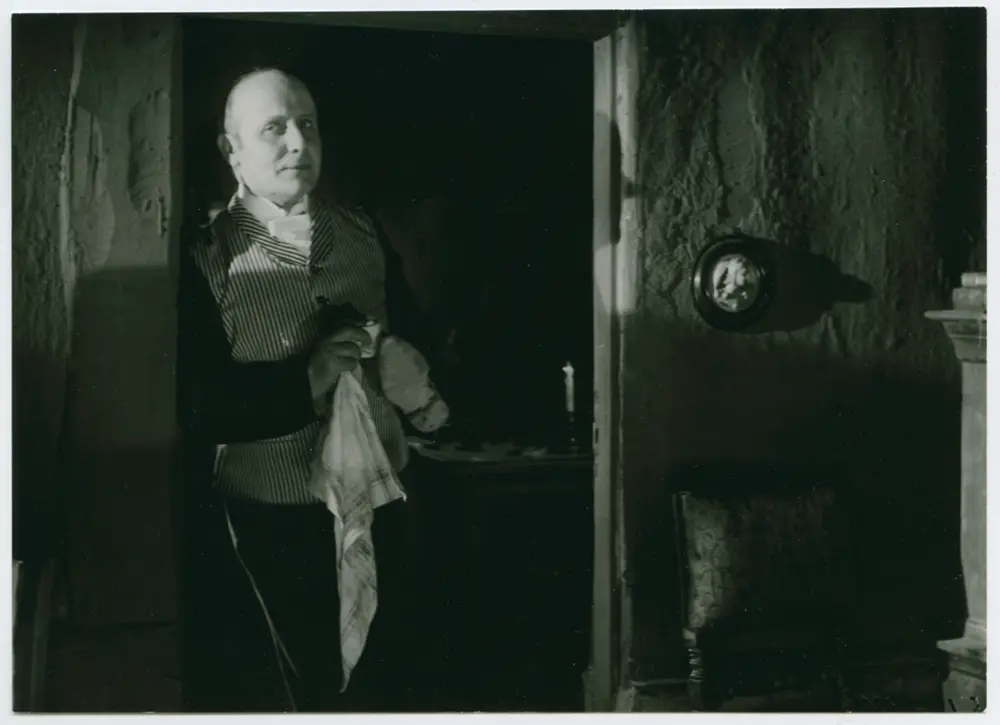
One surprising element is the film's treatment of the staff. Usually, in these comedies, the servants are either invisible or comic relief. Here, they are the only ones who seem to have any sense of the palace's history. They are the true 'proxies' for the audience, watching the madness with a mixture of horror and amusement. This subtle commentary on labor and class is far ahead of its time.
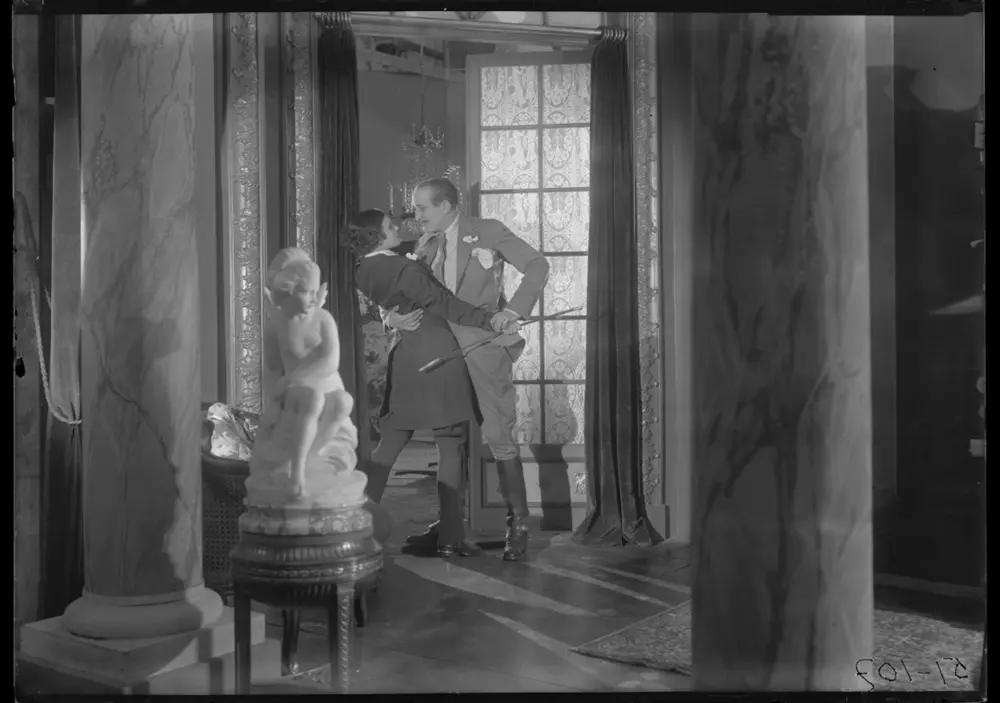
Also, the use of the palace itself is fascinating. As the film progresses, the house seems to shrink. The more Charlotte fills it with her 'stuff' and her 'friends,' the more claustrophobic the grand halls become. It’s a visual metaphor for how her wealth is actually limiting her world rather than expanding it. It is a clever touch in a film that otherwise plays its themes quite broadly.
Husband by Proxy is a flawed but fascinating piece of cinema. It is a film that refuses to play nice. It mocks its lead, it mocks the setting, and it mocks the audience's expectation for a happy ending. It works. But it’s flawed. The direction is often too cautious, and the narrative density is a chore to navigate.
"A brutal, if somewhat cluttered, dissection of the masks we wear to fit into rooms where we don't belong."
If you are looking for the roots of modern social satire, you will find them here. Just be prepared to dig through a lot of 1920s fluff to get to the bone. It is a worthy addition to the library of anyone interested in the intersection of Hjalmar Bergman's literature and the burgeoning Swedish film industry. It is a reminder that while the money changes hands, the vanity remains the same.
IMDb —
1917
Community
Log in to comment.