DbcultAccessing Vault...
6.1/10
Senior Film Conservator
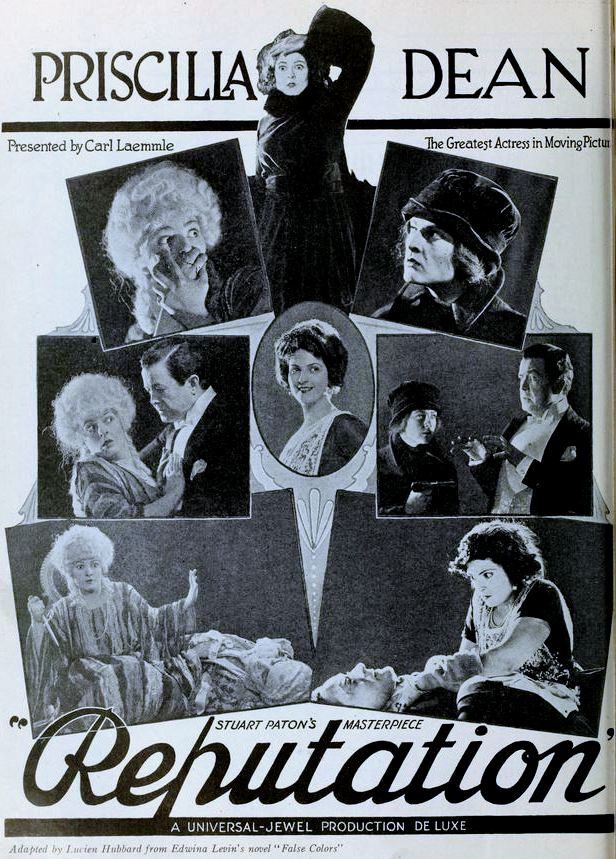
A definitive 6.1/10 rating for a film that redefined the boundaries of cult cinema. Reputation remains a cornerstone of transgressive art.
Reputation (1921) is not a film for the faint of heart. It’s a jagged, black-and-white relic of the silent era that carves its narrative into the soul with the precision of a scalpel and the brutality of a sledgehammer. At its core is Madge Hunt’s Fay McMillan, a woman whose life is a series of calculated escapes—from motherhood, from responsibility, from herself. The film follows her descent into opium-induced oblivion while her daughter, Pauline (Marion Mack), becomes both her mirror and her executioner. It’s a story where the stage becomes a battlefield, and every curtain call is a requiem.
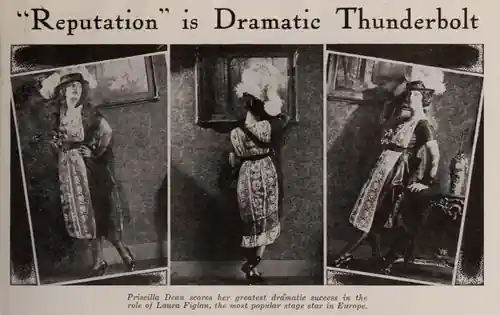
The film’s first act is a masterclass in visual storytelling. When we meet Fay, she’s a washed-up actress, her face a parchment of regret, pacing the halls of a Parisian hotel like a caged animal. Her interactions with Monty (Rex De Rosselli), her parasitic financial backer, are laced with a toxic blend of dependency and resentment. His obstruction of her attempt to reclaim Pauline—now a waifish figure with uncanny stage presence—sets the gears of the plot in motion. The camera lingers on Fay’s face as she signs the adoption papers, her hands trembling like leaves in a storm. This is not melodrama; it’s a cold, clinical deconstruction of maternal failure.
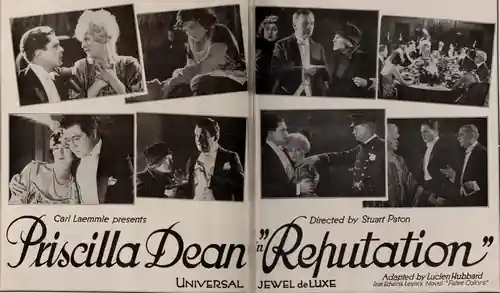
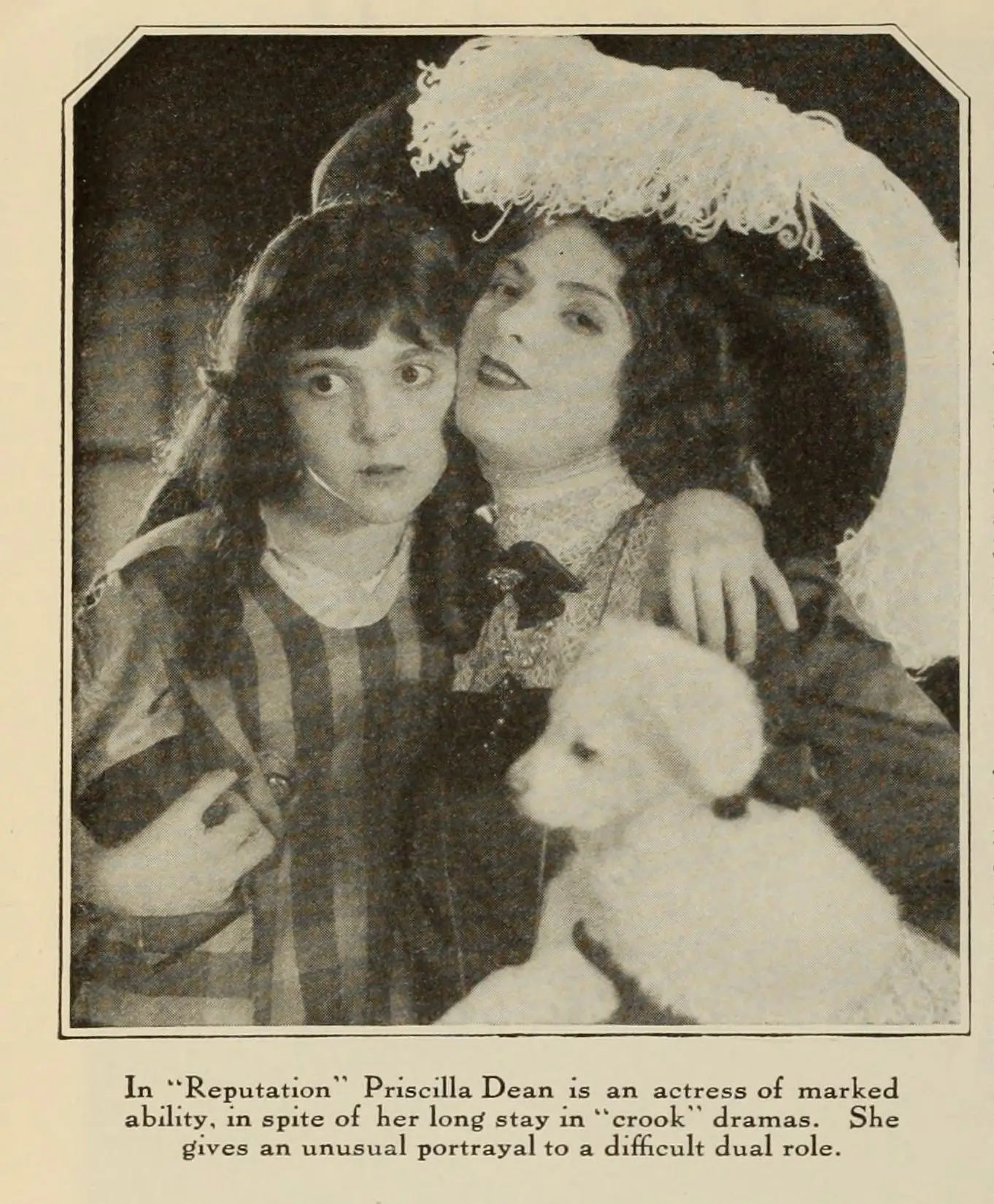
What follows is a series of tonal pivots that defy the conventions of 1920s cinema. When Pauline, having fled the orphanage, auditions for the theater under her mother’s alias, the film becomes a meta-theatrical farce. Her impersonation is flawless—not because she’s a natural performer, but because she’s channeling the trauma of being her mother’s shadow. The contrast between the two women is striking: Fay, a fading star with a face like a cracked porcelain doll, and Pauline, a wide-eyed ingénue whose innocence is both weapon and vulnerability. The theater, in this context, is less a place of art than a stage for self-annihilation.
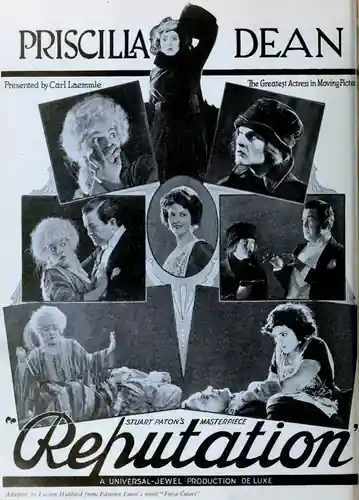
The film’s most audacious sequence occurs in a Parisian café, where Fay, now a heroin addict, stumbles into a performance of her own play. The camera work here is almost hallucinatory—close-ups of her dilated pupils, the jitter of her fingers as she fumbles for her needle, the way the light fractures into shards across her face. When she hears whispers of Pauline’s impersonation, her reaction is a mix of horror and morbid fascination. This is the moment the film shifts from tragedy to farce, as the two women become locked in a grotesque pas de deux. Pauline’s performance is not just an act of defiance; it’s a desperate attempt to rewrite the narrative of her mother’s failure.
The climactic scene—a shooting in the middle of a performance—is handled with a startling lack of sentimentality. When Fay, in a fit of delirium, shoots the theater’s producer, Dan Frawley (Al Ernest Garcia), she does so not out of rage but confusion. The bullet is a punctuation mark in a sentence she can’t bring herself to finish. Pauline, framed for the crime, becomes the film’s tragic hero. Her trial is a hollow parody of justice, where the public’s appetite for theater devours any shred of humanity. The courtroom scenes are shot in a stark, almost documentarian style, emphasizing the indifference of the world to personal ruin.
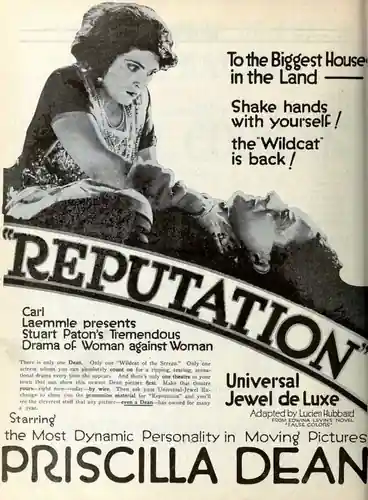
What makes Reputation endure is its refusal to offer easy resolution. The final act, in which Fay writes a confession and takes her own life, is not a catharsis but a quiet, almost anti-climactic surrender. The film ends not with a flourish but a fadeout, the camera lingering on Pauline’s face as she stares into the void. There’s no redemption here, only the bitter aftertaste of consequence. It’s a film that understands the cruel irony of identity: to be known is to be trapped, and to be unknown is to be erased.
Technically, Reputation is a marvel. The use of shadow and light in the Parisian sequences recalls German Expressionism, yet the film maintains a uniquely American grit. The performances, particularly Hunt’s, are raw and unflinching. Her portrayal of Fay is less an act than a disintegration, a slow collapse into the role of a mother who has become a stranger to herself. The supporting cast—especially Alice H. Smith as the orphanage matron and Harry von Meter as a cynical journalist—adds layers of moral ambiguity that prevent the story from devolving into histrionics.
Comparisons to other films of the era are inevitable. Like All for the Dough Bag (1921), Reputation uses the theater as a metaphor for societal hypocrisy. The Clock (1923) shares its fascination with time and fate, though it lacks this film’s visceral intensity. Even Il giardino incantato (1921) pales in comparison to the psychological complexity on display here. What sets Reputation apart is its unflinching examination of how identity is both constructed and destroyed through performance. It’s a film that understands the stage is not a place for dreams but a trap for the desperate.
The screenplay, credited to Edwina LeVin, Doris Schroeder, and Lucien Hubbard, is a lean, taut thing, with dialogue (or the lack thereof) that speaks volumes. The silent film’s reliance on intertitles is handled with precision, each phrase a dagger to the heart. The final intertitle—“She was not Laura Figlan. She was only a woman who had forgotten how to be her daughter”—is one of the most devastating in cinema history. It’s a line that lingers, not because it’s poetic, but because it’s true.
In the shadow of modern cinema, where stories of motherhood are often sanitized or sensationalized, Reputation remains a raw, unfiltered look at the cost of identity. It’s a film that demands to be seen not just as a historical artifact but as a warning: that the line between artifice and reality is thinner than a film reel, and that the greatest tragedy is not in the fall but in the belief that we can ever rise from it.
For those interested in similar explorations of identity and guilt, consider All for the Dough Bag, which examines the intersection of finance and morality, or The Clock, where time becomes both character and antagonist. Hop to It, Bellhop offers a more lighthearted, though thematically divergent, take on performance in a different context.

IMDb 7.4
1934
Community
Log in to comment.