DbcultAccessing Vault...
Cult Review
Senior Film Conservator
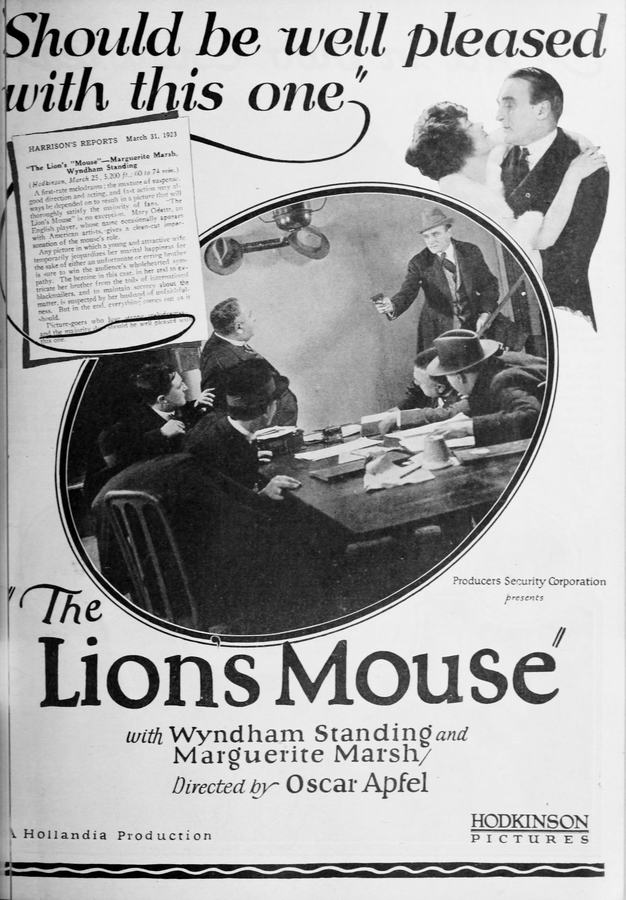
The silent film era, often dismissed by casual observers as a quaint precursor to sound, was in fact a fertile ground for sophisticated storytelling, where visual artistry and expressive performance coalesced to forge narratives of profound emotional depth and gripping suspense. Amongst the myriad forgotten gems lies The Lion's Mouse, a film that, despite its relative obscurity today, stands as a testament to the period's capacity for creating intricate psychological thrillers. Penned by A.M. Williamson, this cinematic endeavor plunges viewers into a world where loyalty is weaponized, and the very fabric of familial bonds is tested under the most nefarious of circumstances. It’s a compelling testament to the power of suggestion and the mastery of non-verbal communication that characterized the finest works of its time.
At its heart, The Lion's Mouse unfurls a narrative steeped in the chilling machinations of a clandestine organization, a secret society whose tendrils reach deep into the lives of ordinary citizens, twisting destinies with an almost casual malevolence. The plot hinges on a classic, yet eternally potent, device: the abduction of an innocent. A man, whose identity and specific connections are initially shrouded in an air of deliberate mystery, becomes the pawns in a high-stakes game. His capture is not random, but a meticulously calculated maneuver, designed to exert irresistible pressure upon his sister. This sister, whose world is abruptly upended by this brutal act, finds herself ensnared in an impossible dilemma: betray her principles and commit an act of espionage, or condemn her brother to an uncertain, and likely grim, fate. The 'plans' she is coerced into stealing are not merely blueprints or documents; they represent a significant geopolitical or industrial advantage, capable of shifting power dynamics on a grand scale, underscoring the immense stakes involved. The film's genius lies in its ability to convey this immense pressure without a single spoken word, relying instead on the visceral impact of visual storytelling, the looming shadows, and the fraught expressions of its central figures. It delves into the insidious nature of coercion, exploring how even the most steadfast individuals can be bent to the will of powerful, unseen forces when their deepest affections are leveraged against them. The society itself remains largely an enigmatic entity, its motives hinted at through subtle visual cues and the sheer ruthlessness of its agents, embodying a pervasive, almost existential threat that transcends individual villains. This ambiguity only amplifies the sense of dread, mirroring the anxieties of a world still grappling with the aftermath of global conflicts and the rise of shadowy political factions. The narrative construction here is remarkably efficient, propelling the audience into a state of heightened tension from the very beginning, a technique that would later be perfected in countless thrillers, but finds an early, compelling articulation in this silent drama. The moral tightrope walked by the protagonist is palpable, a silent scream against the injustice and terror she faces.
The success of a silent film, particularly one reliant on psychological tension, rests almost entirely on the shoulders of its performers. In The Lion's Mouse, the cast, led by Greta Lobo-Braakensiek, delivers performances that transcend the limitations of the medium, transforming gestures and facial expressions into a rich lexicon of emotion. Lobo-Braakensiek, as the sister caught in the societal trap, is nothing short of mesmerizing. Her portrayal is a masterclass in silent agony and resolute determination. We witness her initial shock and despair as the news of her brother's abduction shatters her world, conveyed through wide, disbelieving eyes and a subtle tremor in her posture. As the gravity of her situation sinks in, her face becomes a canvas of internal conflict: the fear for her brother's life warring with the moral repugnance of the task demanded of her. She doesn't just act; she embodies the struggle, her movements becoming more deliberate, her gaze hardening with a nascent resolve. There are moments where her eyes, glistening with unshed tears, communicate more profound sorrow than any dialogue ever could. Her transformation from a seemingly ordinary woman into a reluctant agent of espionage is meticulously charted, revealing layers of strength and vulnerability. This nuanced performance stands in stark contrast to the often more theatrical or melodramatic acting styles prevalent in some other silent films, showcasing a remarkable capacity for understated realism.
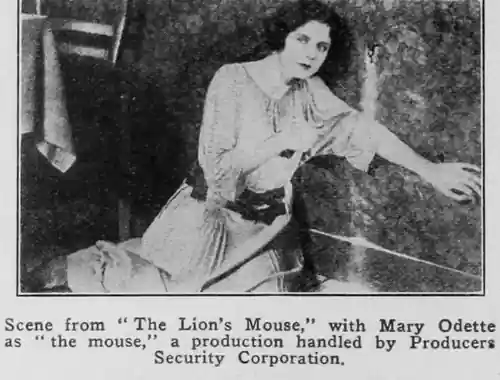
Rex Davis and Wyndham Standing, in their respective roles, contribute significantly to the film’s atmosphere. Davis, perhaps as the imperiled brother or a sympathetic ally, conveys vulnerability and desperation, anchoring the emotional stakes of Lobo-Braakensiek's character. Standing, often cast in roles of authority or menace during this period, likely embodies the chilling face of the secret society or a formidable antagonist, his controlled demeanor and piercing gaze hinting at the vast, unseen power he wields. Even the supporting cast, including Willem van der Veer, Carl Tobi, Mary Odette, Marguerite Marsh, Cor Smits, and Roy Travers, each bring their unique presence to the ensemble, contributing to the film's rich tapestry of characters. Their collective efforts create a believable, albeit terrifying, world, where every glance, every subtle shift in body language, carries immense narrative weight. The art of pantomime, often exaggerated for clarity, is here refined into a powerful tool for psychological drama, allowing the audience to infer the unspoken fears, threats, and desperate hopes that drive the characters. This level of expressive acting ensured that audiences, without the crutch of dialogue, were fully immersed in the emotional rollercoaster presented on screen, making the plight of the 'lion's mouse' utterly compelling.
The cinematic language of The Lion's Mouse is a masterclass in visual storytelling, leveraging every available tool to build suspense and convey complex emotions without uttering a single word. The filmmakers demonstrate a keen understanding of how to manipulate light and shadow to create mood, often employing a stark chiaroscuro effect that heightens the sense of menace and mystery surrounding the secret society. Dark, oppressive interiors contrast sharply with fleeting moments of harsh, revealing light, mirroring the protagonist's emotional state. Close-ups are utilized judiciously, focusing on the strained expressions of Greta Lobo-Braakensiek, allowing the audience to intimately connect with her internal turmoil. These intense facial studies are punctuated by wider shots that emphasize her isolation against imposing backdrops, or the vast, impersonal scale of the conspiracy she faces. The camera work, while perhaps not overtly flashy by modern standards, is remarkably effective in its precision, guiding the viewer's eye and controlling the narrative rhythm.
Editing plays a crucial role in maintaining the film's taut pace. Sequences are cut to maximize tension, with rapid transitions during moments of action or revelation, slowing down for scenes of quiet contemplation or agonizing decision-making. The use of intertitles is sparse but impactful, providing essential plot points or character thoughts without disrupting the visual flow. They are integrated seamlessly, acting as a momentary pause for reflection rather than a jarring interruption. Set design is another subtle yet powerful element; the secret society's lair, for instance, might be depicted as a labyrinthine space, filled with imposing architecture and shadowy corners, subtly conveying its power and inscrutability. The locations chosen for the espionage — perhaps opulent mansions, bustling city streets, or secluded hideaways — are not merely backdrops but active participants in the narrative, each contributing to the film's rich atmosphere. This thoughtful direction ensures that the story is not just told, but experienced, drawing the audience into the protagonist's desperate plight through a symphony of visual cues and carefully orchestrated moments. In this regard, it shares a certain stylistic ambition with films like The Cloven Tongue, which also relied heavily on visual intrigue and atmospheric tension to weave its mysteries, demonstrating a common thread in how silent cinema could evoke a sense of unseen forces at play.
Beyond its thrilling plot, The Lion's Mouse resonates with profound thematic depth, exploring universal human experiences through the lens of a high-stakes espionage drama. Central to its exploration is the theme of loyalty – specifically, filial loyalty. The sister's unwavering devotion to her brother, even in the face of immense personal danger and moral compromise, forms the emotional bedrock of the narrative. It asks how far one would go to protect a loved one, and at what cost. This deep bond is exploited by the secret society, turning a virtue into a vulnerability, a cruel twist that highlights the corrupting influence of power when wielded without conscience. The film masterfully portrays the psychological toll of such coercion, the internal battle between self-preservation, moral integrity, and the desperate yearning to save another. The protagonist's journey is a harrowing descent into an ethical quagmire, forcing her to confront the very definitions of right and wrong when confronted with an impossible choice.
The film also delves into the insidious nature of unseen power and the individual's struggle against overwhelming forces. The secret society, an almost faceless entity, represents the arbitrary and often malevolent power structures that can dominate human lives. This theme of the individual pitted against a powerful, shadowy collective is a timeless one, echoing anxieties about unchecked authority and clandestine influence that remain relevant today. The film suggests that even seemingly insignificant individuals can be caught in the gears of grander, more sinister schemes, their lives becoming mere instruments in a larger game. The 'plans' themselves become a MacGuffin, a symbol of the immense power the society seeks to control, and the lengths to which they will go to acquire it. The narrative arc, therefore, is not just about retrieving plans, but about the sister's fight to reclaim agency, to assert her humanity in a situation designed to strip it away. It's a poignant commentary on sacrifice – the sacrifices we are willing to make, and the sacrifices that are forcibly extracted from us. In this exploration of societal pressure and individual moral struggle, The Lion's Mouse finds thematic kinship with films like The Auction of Virtue or Builders of Castles, both of which also examined how external forces and societal expectations could dictate personal choices and challenge one's core values. The silent film medium, without dialogue, often excelled at conveying these universal themes through stark visual metaphors and powerful emotional performances, making the internal struggles of characters resonate deeply with audiences.
Placing The Lion's Mouse within the broader context of silent cinema reveals its unique contributions to the burgeoning thriller genre of the era. While many films of the time explored romance, comedy, or grand historical epics, this movie delves into the darker, more intricate world of espionage and psychological suspense. It stands alongside other notable silent thrillers that sought to captivate audiences with intrigue and danger. For instance, its tension-building and focus on a central mystery can be compared to films like The Reed Case, which similarly navigated a complex web of deceit and investigation, keeping viewers on the edge of their seats through clever plotting and visual cues. The sudden, impactful nature of the kidnapping that sets the plot in motion also brings to mind the dramatic urgency found in The Unexpected Shot, where life-altering events propel characters into unforeseen circumstances and moral quandaries. Both films exemplify the silent era's adeptness at crafting narratives that hinge on crucial, sudden moments, forcing characters into desperate action.
Furthermore, the film's depiction of a resourceful female protagonist navigating a perilous, male-dominated world of espionage offers an interesting parallel to the serials of the time, such as some episodes of Parisette, where heroines frequently found themselves in dangerous situations, often requiring cunning and bravery to escape. While The Lion's Mouse is not a serial, it shares that spirit of a determined individual facing seemingly insurmountable odds. Its exploration of the psychological impact of blackmail and coercion, and the internal struggle to maintain one's integrity, also aligns with the more serious dramas of the period that examined the darker facets of human nature and societal pressures. The film's ability to maintain a high level of suspense and emotional engagement without relying on dialogue speaks volumes about the skill of its creators and the expressive capabilities of silent film acting and direction. It’s a reminder that truly compelling stories transcend the limitations of technology, relying instead on universal themes and masterful execution. The film's lasting impact, even if not widely recognized today, lies in its contribution to the evolution of the suspense genre, proving that the silent screen was capable of delivering thrills and chills with sophisticated artistry.
The Lion's Mouse, though perhaps not a household name in contemporary cinema discussions, stands as a potent example of silent film's enduring power to captivate and provoke thought. It is a film that expertly blends the thrills of espionage with a profound exploration of human endurance and moral resilience. The vivid performances, particularly Greta Lobo-Braakensiek's nuanced portrayal of a woman caught in an impossible bind, elevate the narrative beyond mere plot mechanics. The sophisticated visual language, from its evocative use of light and shadow to its precise editing, creates an atmosphere of pervasive dread and urgent suspense that remains effective even a century later. This film is more than just a historical artifact; it is a compelling piece of cinematic art that speaks to timeless anxieties about power, loyalty, and the choices we are forced to make when loved ones are threatened. It serves as a stark reminder of the richness and ingenuity that characterized the silent era, proving that a story's impact is not measured by its decibels, but by the resonance of its unspoken truths.
IMDb —
1914
Community
Log in to comment.