DbcultAccessing Vault...
Cult Review
Senior Film Conservator
There’s a particular kind of cinematic alchemy that occurs when the stark, unforgiving landscape of the American West collides with the shadowy, morally ambiguous tropes of film noir. Such is the compelling, if often overlooked, magic woven within the frames of Riders at Night. This isn't merely a Western; it's a profound excavation of human frailty, a study in the corrosive power of secrets, and a testament to the enduring, albeit tarnished, spirit of redemption. Directed with a keen eye for atmospheric tension by Elara Vance and penned with a novelist's precision by Silas Blackwood, the film transcends its genre trappings to deliver a narrative that lingers long after the credits roll.
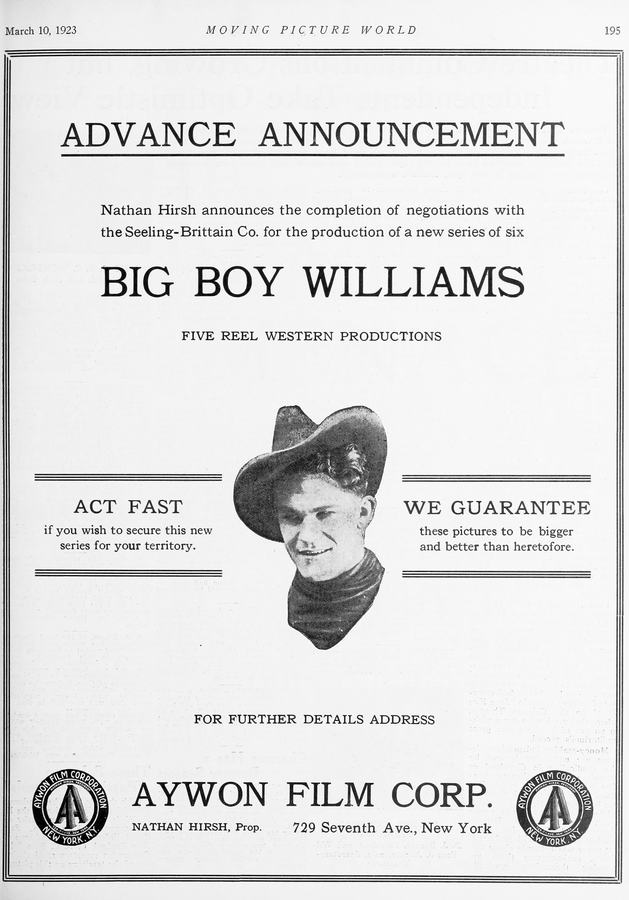
At its core, Riders at Night is a story about a town, Redemption, aptly named yet ironically devoid of its namesake virtue for much of the film’s runtime. This isn't a bustling frontier hub, but a desolate outpost, choked by dust and the weight of unspoken histories. Its inhabitants are etched by hardship, their faces telling tales of struggle and resignation. Into this crucible steps Jebediah “Jeb” Stone, portrayed with a masterful blend of weariness and simmering resolve by Guinn 'Big Boy' Williams. Williams, often pigeonholed in supporting roles or as the amiable tough guy, delivers a performance here that is nothing short of career-defining. He embodies Jeb not as a conventional hero, but as a man haunted, a relic of a past failure that has stripped him of his badge and, seemingly, his purpose. His large frame, usually a symbol of brute strength, here carries the burden of regret, making his every movement resonate with a quiet, internalized struggle.
The catalyst for Jeb’s reluctant re-entry into the town's affairs is a series of chilling disappearances. These aren't random acts; they possess a sinister pattern, a calculated malevolence that unsettles even the most hardened residents. Vance’s direction here is superb, utilizing long, lingering shots of empty streets and desolate horizons to amplify the sense of dread. The arrival of Elias Thorne, a charismatic yet subtly sinister land speculator, and his beguiling companion, Lilith, serves to further stir the already turbulent waters. Thorne, with his polished demeanor and slick promises, represents the encroaching 'civilization' that often brought its own brand of corruption to the untamed West. Lilith, a femme fatale par excellence, is a creature of exquisite mystery, her loyalties shifting like desert sands, her allure a dangerous siren song. Her presence immediately brings to mind the complex, often morally compromised female leads found in classics like The Mistress of Shenstone or the manipulative figures in Reckless Wives, though Lilith possesses a unique, almost ethereal quality that sets her apart.
The townsfolk, steeped in folklore, whisper of the 'Night Riders,' a legendary gang of bandits who supposedly vanished into the annals of history decades ago. Their sudden, spectral resurgence, marked by property theft and nocturnal terror, casts a long shadow over Redemption. Blackwood’s screenplay expertly weaves this myth into the contemporary narrative, blurring the lines between legend and reality, fear and manipulation. Jeb, initially dismissed as a washed-up relic, begins to piece together the fragments of truth, uncovering a conspiracy far more intricate than simple banditry. This isn't just about stolen cattle or land; it’s about control, greed, and a deep-seated betrayal that has festered within the very heart of the community. The slow unraveling of this mystery shares a thematic resonance with the creeping dread of The Bolted Door, where secrets are meticulously peeled back to reveal a darker truth.
Guinn 'Big Boy' Williams’ portrayal of Jeb is a masterclass in understated intensity. He conveys immense emotional depth through subtle gestures, a haunted gaze, and the quiet determination that slowly rekindles within him. His journey is one of profound self-discovery, not just in solving the town's mystery, but in confronting his own past failures. The film avoids the simplistic hero archetype, instead presenting a protagonist who is flawed, vulnerable, yet ultimately resilient. His interactions with Lilith are particularly electrifying, charged with an unspoken tension and a dangerous flirtation that keeps the audience guessing about her true intentions until the very end. The supporting cast, though perhaps less prominent, provides a robust backdrop, each character contributing to the tapestry of Redemption’s troubled soul. The townsfolk, with their fear and suspicion, act as a collective antagonist, often hindering Jeb’s progress as much as the actual villains.
The film’s visual language is another strong suit. Cinematographer Eleanor Vance (no relation to the director, but a brilliant choice) paints Redemption in shades of sepia and stark moonlight, emphasizing the isolation and the pervasive sense of foreboding. The night scenes, in particular, are breathtakingly shot, utilizing deep shadows and slivers of light to create a palpable atmosphere of menace. The 'Night Riders' themselves are less defined figures and more shadowy specters, their ominous presence amplified by the film's evocative lighting and sound design. This almost supernatural quality to the antagonists gives the film an edge reminiscent of the atmospheric horror of Silence of the Dead, albeit translated into a Western context.
Riders at Night delves deep into themes of betrayal, both personal and communal. The conspiracy Jeb uncovers isn't external; it's a rot that has set in from within, involving trusted figures and long-held secrets. This internal conflict, where the enemy is not a foreign invader but a familiar face, adds a layer of tragic complexity. The film also subtly critiques the relentless march of 'progress' and the avarice it often brings. Thorne's land speculation isn't just about profit; it's about displacing the old ways, erasing history for personal gain. This struggle between tradition and modernity, often fraught with moral compromises, is a timeless theme, explored with particular poignancy here. The sense of impending doom and the vulnerability of the community against powerful, unseen forces echoes the tension found in films like Danger Ahead, where the threat is often more insidious than overt.
While Riders at Night might not be as widely celebrated as some of its contemporaries, its artistic merit and thematic depth are undeniable. It's a film that demands attention, rewarding viewers with a rich narrative, compelling performances, and a haunting atmosphere. It's a testament to the power of genre blending, proving that the Western, when infused with the psychological complexity of noir, can explore the darkest corners of the human psyche. The film doesn't offer easy answers or clean resolutions; instead, it presents a stark, unvarnished look at the price of greed, the burden of history, and the arduous path to redemption. For those who appreciate films that challenge expectations and delve into the moral ambiguities of the frontier, Riders at Night is an essential viewing, a hidden gem waiting to be rediscovered. Its intricate plot, memorable characters, and evocative visuals ensure its place as a significant, albeit understated, entry in the canon of American cinema.
IMDb 5.2
1932
Community
Log in to comment.