DbcultAccessing Vault...
4.9/10
Senior Film Conservator
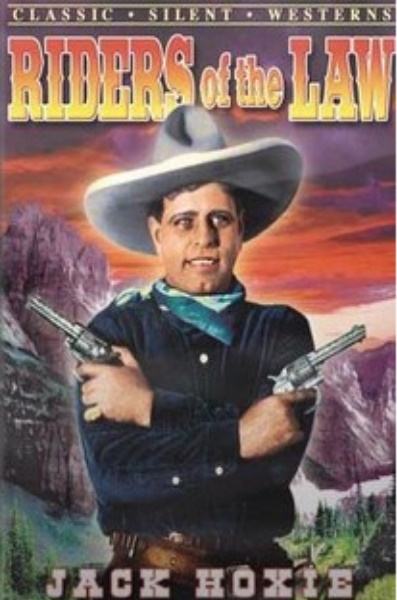
A definitive 4.9/10 rating for a film that redefined the boundaries of cult cinema. Riders of the Law remains a cornerstone of transgressive art.
Stepping into the world of early 20th-century cinema, particularly the silent Western, often feels like unearthing a time capsule. These films, primitive by today’s standards, nonetheless encapsulate the foundational myths and enduring allure of the American frontier. Among them, Riders of the Law (1921) stands as a quintessential example, a narrative steeped in the rigid codes of the Northwest and the relentless pursuit of justice. It’s a film that, despite its age and the technical limitations of its era, still manages to convey a palpable sense of adventure, betrayal, and ultimate vindication.
The story, as its title boldly declares, is an exploration of the unforgiving law that governed the wild territories. Our protagonist, Jack Meadows, portrayed with stoic earnestness by Jack Hoxie, finds himself entangled in a perilous quest. The inciting incident is stark and immediate: the discovery of a gravely wounded sheriff, left for dead by unknown outlaws. This brutal act propels Meadows and his loyal companion into a mission of vengeance and rectification, a classic Western trope that resonates deeply even today. The immediate stakes are high, the moral compass clear, and the path forward fraught with danger.
What truly elevates Riders of the Law beyond a simple chase narrative is the intricate layer of mistaken identity. The sheriff's daughter, whose name, unfortunately, eludes the surviving prints but whose emotional arc is central to the film, initially misjudges Jack. She believes him to be responsible for her father's disappearance, a poignant misunderstanding that adds a rich vein of dramatic irony to the proceedings. Marin Sais, a prolific actress of the silent era, brings a compelling mix of vulnerability and fierce conviction to her role, navigating the treacherous emotional landscape of grief and suspicion. Her character's initial animosity towards Jack provides a compelling counterpoint to his heroic endeavors, creating a dynamic tension that keeps the audience invested.
Jack's journey, therefore, isn't merely about tracking down criminals; it's also about clearing his own name and earning the trust of the woman he's indirectly fighting to protect. This dual objective lends a psychological depth rare in some of its genre contemporaries. He must operate under a cloud of suspicion, meticulously piecing together the truth while simultaneously enduring the scorn of those he aims to save. This narrative device, while not unique to Riders of the Law, is expertly deployed, building suspense and empathy for Meadows' plight.
The reveal of the true villain is particularly impactful. The respected deputy, a figure ostensibly dedicated to upholding the very law Meadows champions, is unmasked as the insidious leader of a liquor smuggling operation. This subversion of authority, the notion that corruption can fester within the very institutions designed to protect, adds a cynical edge to the film's moral landscape. Pat Harmon and Frank Rice, likely in supporting roles, contribute to the ensemble, but it is the central performances that carry the weight of this deception. The betrayal by someone within the ranks of law enforcement heightens the danger and makes Jack's task all the more perilous, underscoring the film's commitment to exploring the darker facets of human nature within a seemingly straightforward Western framework.
The climax of the film sees Jack Meadows not only capture the culprits but also definitively establish his true identity as a government ranger. This revelation is the turning point for the sheriff's daughter, as her initial misgivings dissolve into understanding and, presumably, admiration. It’s a moment of catharsis, not just for the characters, but for the audience, as the tangled threads of deceit are finally unraveled. The triumph of justice, often a simplistic conclusion in many early Westerns, feels earned here due to the narrative's careful construction of suspicion and eventual vindication.
Jack Hoxie, a genuine cowboy star of the era, embodies the quintessential Western hero. His physicality and authenticity in action sequences would have been a major draw for audiences. He wasn't just an actor; he was a performer who could ride, fight, and project an image of rugged integrity that defined the genre. His silent performance relies heavily on expressive body language and facial cues, a hallmark of acting in the pre-talkie era. The success of the film hinges significantly on his ability to convey courage and determination without uttering a single word, a testament to his skill and the craft of silent filmmaking.
Filmed in 1921, Riders of the Law belongs to a pivotal period in cinematic history. The Western genre was already firmly established, captivating audiences with tales of heroism, villainy, and the vast, untamed American landscape. These films, often produced quickly and efficiently, served as a primary form of mass entertainment, shaping cultural perceptions of the frontier. While details on specific writers are uncredited in the information provided, the narrative structure speaks to a clear understanding of what made a compelling Western story. The focus on a lone hero, a corrupt system, and the eventual triumph of good over evil are timeless elements that continue to resonate.
Comparing Riders of the Law to other films of its time reveals interesting facets of early cinema. While a film like Love's Conquest might have delved into more romantic or melodramatic territory, and Das Defizit explored social commentary through a different lens, Riders of the Law firmly plants itself in the action-adventure camp. Its narrative simplicity, while effective, contrasts with the more complex psychological dramas beginning to emerge in European cinema, such as perhaps elements seen in The Torture of Silence. However, the American Western's strength lay in its directness and its ability to deliver pure escapism.
The visual language of silent films is particularly crucial here. Without dialogue, filmmakers relied heavily on intertitles, expressive acting, and dynamic cinematography to convey meaning and emotion. While specific directorial credits for this film are not provided, one can infer a competent hand at orchestrating the action sequences, the dramatic reveals, and the emotional beats. The use of natural landscapes, a staple of the Western, would have added to the film's authenticity and visual appeal, transporting audiences directly to the rugged Northwest.
The relationship between Jack Meadows and the sheriff's daughter is a microcosm of the larger struggle between doubt and faith. Her initial distrust is a significant hurdle that Meadows must overcome, adding a personal dimension to his professional duty. This emotional journey is as important as the physical pursuit of the outlaws. Marin Sais, with her expressive eyes and gestures, conveys the depth of her character's turmoil and eventual realization, making her transformation believable and impactful. The silent film actor's challenge was immense, requiring them to communicate entire emotional landscapes without the aid of spoken words, a skill Sais clearly possessed.
The thematic core of Riders of the Law revolves around the concept of true justice. It's not just about punishment but about rectifying wrongs, restoring order, and revealing hidden truths. The 'rigid law of the Northwest' isn't merely a backdrop; it's an active force shaping the characters' destinies. This film, like many Westerns, posits a world where individual courage and a strong moral compass are essential for survival and the establishment of a just society. It's a romanticized view, perhaps, but one that resonated deeply with audiences grappling with the rapid societal changes of the early 20th century.
Even when placed alongside more exotic or morally ambiguous narratives like The Rajah's Diamond Rose or the intensely dramatic V ognyakh shantazha, Riders of the Law holds its own by delivering a straightforward yet compelling Western experience. It doesn't aim for the grand philosophical inquiries of some contemporary European films, nor the intricate social tapestries of others. Instead, it offers a distilled essence of the American frontier myth: a tale of good versus evil, with clear lines drawn and a hero who embodies unwavering principle.
The enduring appeal of films like Riders of the Law lies in their foundational role in establishing a genre that would dominate Hollywood for decades. These early Westerns, with their clear-cut morality and thrilling action, set the template for countless films to follow. They offered a vision of America that was both wild and orderly, a place where individual initiative could overcome systemic corruption. The simplicity of their storytelling allowed for a universal appeal, transcending linguistic barriers in an era before synchronized sound.
While it might not possess the artistic ambition of some of the era's more celebrated works, such as the German Expressionist films or the burgeoning Soviet montage cinema, Riders of the Law represents the robust commercial and narrative engine of early American cinema. It's a testament to the power of a well-told story, even one presented without spoken dialogue. The thrill of the chase, the tension of mistaken identity, and the satisfaction of justice served are universal themes that resonate regardless of the technological era.
One can draw parallels to other action-oriented films of the period, like The Fighting Gringo, which similarly leveraged the charisma of its lead and the inherent drama of frontier conflict. These films were not just entertainment; they were cultural touchstones, reflecting and shaping the values of a nation. The archetypes established in these early Westerns – the stoic hero, the damsel in distress, the treacherous villain – became ingrained in the collective consciousness, influencing generations of storytellers.
The film's exploration of governmental authority, both legitimate and corrupt, also provides a subtle commentary on the challenges of establishing order in newly settled territories. Jack Meadows, as a government ranger, represents a higher form of law, one that can transcend local corruption. This idea of federal intervention to correct local injustices was a powerful narrative tool, reinforcing a sense of national unity and a belief in overarching principles of fairness. It’s a theme that continues to be explored in various forms of media, proving its timeless relevance.
In essence, Riders of the Law is more than just a historical curiosity; it's a vibrant, if silent, snapshot of an era. It reminds us of the power of visual storytelling, the enduring appeal of clear-cut heroism, and the foundational myths that underpin a significant portion of American popular culture. While modern audiences might find its pacing deliberate or its acting style theatrical, it's crucial to appreciate it within its historical context. It is a robust example of early filmmaking, demonstrating how compelling narratives were crafted with ingenuity and passion, long before the advent of sound and sophisticated special effects.
The film, despite its age, still manages to evoke the raw spirit of the frontier. The struggles of Jack Meadows, the sheriff's daughter, and the community caught between honest law and criminal enterprise, feel authentic to the period it depicts. It is a valuable piece of cinematic history, offering insights into the evolving art of motion pictures and the perennial human fascination with tales of courage, deception, and the relentless pursuit of what is right. For those interested in the roots of the Western genre and the silent film era, Riders of the Law remains a compelling watch, a testament to the timeless allure of frontier justice.
IMDb —
1918
Community
Log in to comment.