DbcultAccessing Vault...
Cult Review
Senior Film Conservator

Stepping back into the early 20th century, the cinematic landscape was a burgeoning realm of storytelling, a canvas where nascent techniques painted narratives of human struggle, resilience, and often, profound sacrifice. Among these flickering shadows, 'The Trouble Buster' emerges not merely as a film, but as a poignant social commentary, an exploration of identity, and a testament to the indomitable spirit of youth. This particular silent drama, with its intricate plot and deeply etched characters, offers a compelling window into the socio-economic realities faced by immigrants and the urban poor in America, all while weaving a tale of artistic deception born from the purest intent.
The film opens with a stark portrayal of vulnerability: Michelna, an orphaned Romanian immigrant, suddenly adrift in a foreign land following the death of her father, Franz Libelt. Her immediate circumstances are dire, a common narrative thread in many silent films reflecting the harsh realities of the era. This sense of displacement and sudden, profound loss sets a somber tone, immediately drawing the viewer into Michelna's plight. It's a narrative that echoes the struggles seen in films like The Undesirable, where the harsh realities of immigration and societal integration are front and center, albeit with different narrative trajectories. However, Michelna's story quickly diverges from mere tragedy, finding solace and a lifeline in the unexpected friendship with Blackie Moyle, a resourceful newsboy.
Blackie, a figure of spirited independence, offers Michelna not just companionship but a home – a large piano box nestled in a vacant lot. This dwelling, far from a symbol of destitution, becomes an emblem of their ingenuity and the warmth of their burgeoning bond. It’s a space of shared dreams and makeshift domesticity, highlighting the resilience of children forced to navigate an adult world. The transformation of Michelna into 'Mike,' a cropped-haired, trouser-clad newsie, is more than a superficial change of appearance; it is a profound act of self-reinvention, a shedding of feminine vulnerability for masculine practicality, a necessary adaptation for survival in the bustling, often unforgiving, urban landscape. This gender fluidity for survival is a fascinating trope, seen in various forms across cinematic history, often challenging societal norms and expectations of identity. The performance by Vivian Martin as Michelna/Mike would have been crucial here, conveying the inner turmoil and outward determination of a character forced to become someone else.
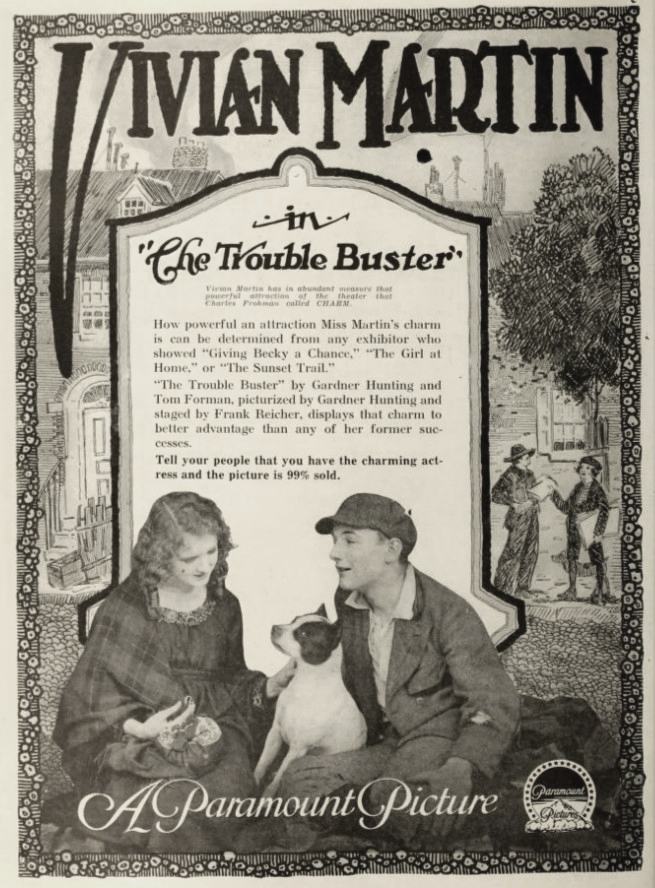
The narrative takes a dramatic turn when Blackie suffers a debilitating injury, losing his sight while protecting Mike from a thief. This pivotal moment not only intensifies the emotional stakes but also thrusts Mike into a new role as sole provider. The weight of this responsibility is immense, and it’s here that the film truly showcases the depth of her character. Her quick thinking and resourceful spirit lead her to consider the value of their shared pastime: sculpting small clay figures. This artistic endeavor, initially a simple childhood diversion, suddenly holds the key to their survival. It’s a beautiful narrative device, transforming a hobby into a potential livelihood, injecting a ray of hope into their otherwise bleak circumstances.
Mike’s decision to take their statuettes to an art exhibit is a bold gamble, fraught with both hope and apprehension. The immediate sale of her own creation, affectionately known as 'the trouble buster,' is a moment of triumph, yet it is quickly overshadowed by her subsequent act of profound selflessness. Crediting Blackie as the sculptor, Mike initiates a deception born purely out of love and a desire to elevate her friend. This act of artistic attribution, while morally ambiguous on the surface, is portrayed with an undeniable purity of motive. It’s a sacrifice of personal recognition for the perceived greater good of her companion, a thematic exploration of altruism that resonates deeply. Such profound acts of sacrifice, often involving a blurring of identity or a complex moral choice, can be seen in other silent era dramas, though perhaps not always with the same artistic twist. Consider the complex relationships and sometimes hidden motives in films like His Brother's Wife, where personal desires clash with familial obligations, albeit in a different context.
Blackie’s ascent into an accidental art world sensation is both comedic and touching. His blindness, paradoxically, lends an air of mystique to his supposed genius, captivating critics and patrons alike. The art world, often fickle and eager for a new wunderkind, embraces him with open arms, culminating in a sponsored trip to Paris for sight restoration. This journey to the heart of European culture is not merely a medical pilgrimage but a symbolic one, representing a passage from urban squalor to artistic enlightenment. The irony, of course, lies in the fact that his fame rests on a foundation of well-intentioned fabrication. The silent film's ability to convey the glitz and superficiality of the art world, juxtaposed with the genuine struggles of its protagonists, would have relied heavily on visual cues, lavish sets (or implied lavishness), and exaggerated expressions from the supporting cast. The contrast between Blackie's humble origins and his sudden, albeit false, celebrity provides ample dramatic tension.
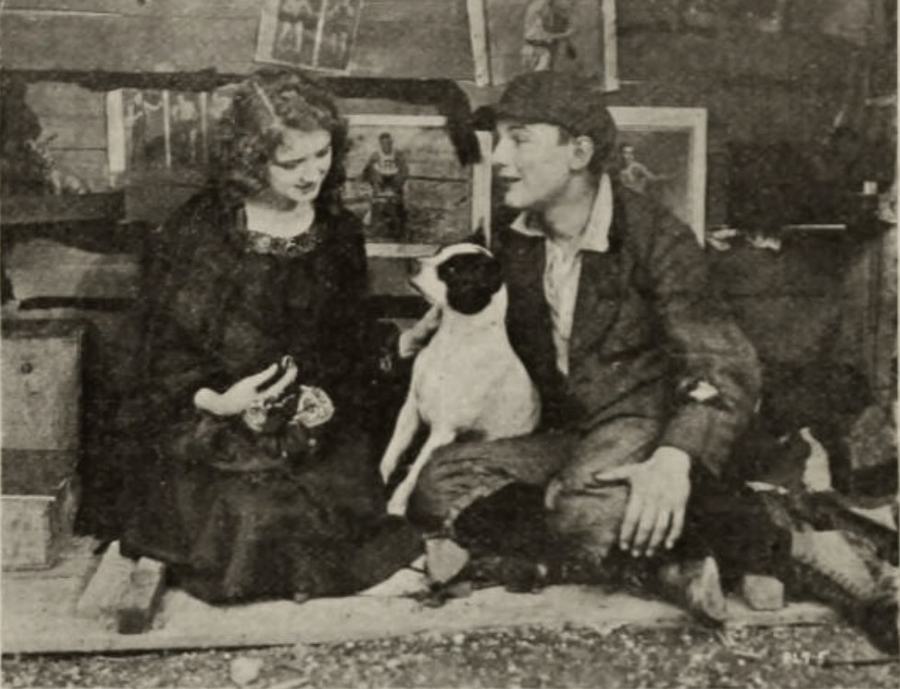
The period in Paris, however, serves a dual purpose. While Blackie undergoes treatment, he also begins to comprehend the intricate web of deception that has propelled him to fame. This realization is a slow burn, a gradual unveiling of the truth that would have been masterfully conveyed through subtle facial expressions and body language, the hallmarks of silent film acting. It’s a moment of profound introspection for Blackie, forcing him to reconcile his newfound celebrity with the knowledge that it was built on Mike's sacrifice. This internal conflict is crucial, transforming him from a passive recipient of fame into an active agent of his own destiny. The journey to a foreign land for a cure, and the subsequent revelation, adds a layer of sophistication to the plot, elevating it beyond a simple melodrama. One might draw parallels to the grand narratives of self-discovery or hidden truths revealed in films like La Belle Russe, where identity and destiny are inextricably linked, though the specific circumstances differ greatly.
Blackie's return to the U.S. is not triumphal, but rather a mission of rectification. His journey back is driven by a powerful moral imperative to 'set things right,' to dismantle the illusion and acknowledge Mike's true genius and sacrifice. This act of humility and integrity is the emotional climax of the film, culminating in his reunion with Michelna. The moment is charged with unspoken emotion, a complex tapestry of gratitude, regret, and enduring affection. When Michelna, perhaps still in character as 'Mike' or simply overwhelmed, asks why he returned, Blackie’s reply – 'For the love of Mike' – transcends a mere play on words. It encapsulates the entirety of their shared history: the friendship, the sacrifice, the deception, and the profound, unconditional love that binds them. This line, simple yet resonant, provides a powerful emotional punch, a perfect capstone to their tumultuous journey.
The genius of this ending lies in its ambiguity and its emotional depth. It's not a grand, romantic declaration in the conventional sense, but a recognition of a bond forged in adversity, a love that encompasses friendship, loyalty, and a deep understanding of each other's souls. The film, in its quiet power, reminds us that love manifests in myriad forms, often in the most unexpected places and through the most challenging circumstances. This narrative complexity, where moral choices are intertwined with deep affection, elevates 'The Trouble Buster' beyond a simple rags-to-riches story, transforming it into a nuanced exploration of human connection.
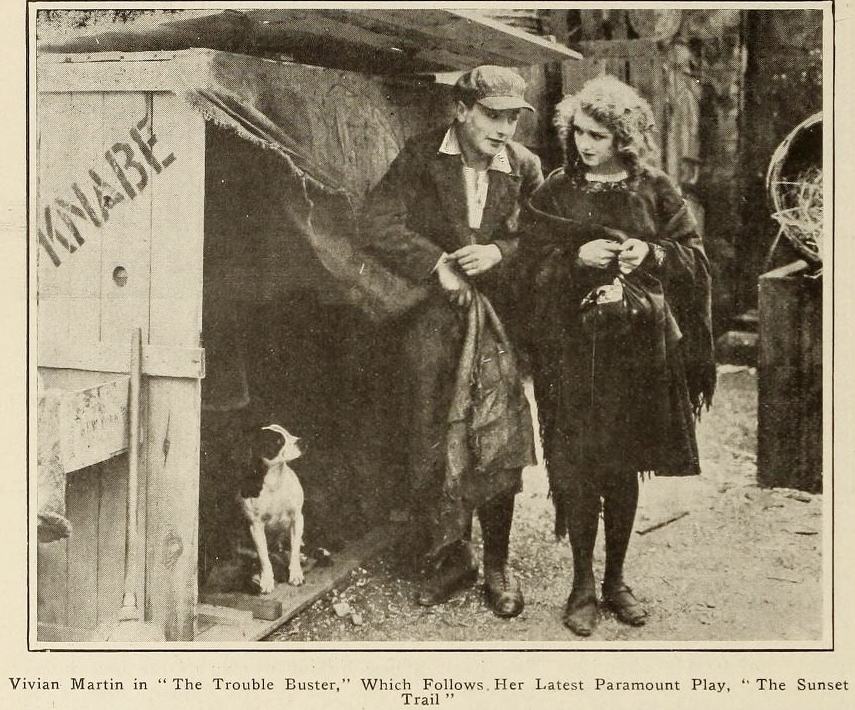
Thematic explorations within 'The Trouble Buster' are rich and varied. The film delves into the fluidity of identity, as Michelna sheds her name and gender presentation for survival, a transformation that brings to mind the dramatic changes in persona seen in historical dramas like Nell Gwynne, where individuals navigate societal roles and expectations. It also examines the nature of art – is it the creation itself, or the intention and spirit behind it? Mike’s 'trouble buster' becomes a symbol of hope and resilience, its value stemming not just from its aesthetic quality but from the desperate circumstances of its creation and the love that inspired its attribution. The film challenges our perceptions of authorship and authenticity, prompting reflection on what truly constitutes artistic genius. The depiction of the art world itself, with its susceptibility to hype and its occasional blindness to genuine talent, offers a subtle critique of societal values.
From a cinematic perspective, 'The Trouble Buster' would have relied heavily on the evocative power of visual storytelling, a hallmark of the silent era. The use of intertitles to convey dialogue and crucial plot points would have been balanced by strong performances, particularly from Vivian Martin as Michelna/Mike and Paul Willis as Blackie. Their ability to communicate complex emotions – fear, determination, love, confusion, and ultimate understanding – through facial expressions, gestures, and body language would have been paramount. The cinematography, likely employing techniques common to the period such as dramatic lighting, close-ups to emphasize emotion, and carefully composed shots to convey narrative information, would have underscored the emotional beats of the story. The stark contrast between the squalor of the vacant lot and the opulence of the art exhibit, or the bustling streets of New York versus the romanticized image of Paris, would have been visually striking.
The film also touches upon the enduring theme of social mobility, albeit through an unconventional route. Blackie's journey from a newsboy living in a piano box to a celebrated (albeit fake) artist in Paris represents a dramatic ascent, highlighting the sometimes arbitrary nature of fame and fortune. This narrative arc, while unique in its specifics, resonates with other silent films that explored the possibilities and pitfalls of social advancement, often through unexpected means. The portrayal of the newsboy culture, a significant socio-economic group of the era, offers a glimpse into a bygone world, much like how films such as The Old Homestead captured a specific slice of American life, albeit rural rather than urban.
In its entirety, 'The Trouble Buster' stands as a testament to the power of silent cinema to tell deeply human stories with nuance and emotional resonance. It is a narrative that defies simple categorization, blending elements of social drama, coming-of-age story, and a subtle critique of the art world, all wrapped in a touching tale of friendship and selfless love. The film’s ability to evoke such a wide range of emotions without spoken dialogue is a powerful reminder of the artistry inherent in this early form of filmmaking. The performances, particularly the central duo, would have been pivotal in conveying the intricate emotional landscape of the story, relying on the expressive capabilities of the human face and body.
The enduring appeal of stories like 'The Trouble Buster' lies in their timeless themes. The struggle for survival, the transformative power of friendship, the complexities of identity, and the sacrifices made for loved ones are universal human experiences that transcend the specific historical context of the film. Even without the benefit of sound or color, the narrative’s emotional core remains vibrant and compelling, inviting contemporary audiences to connect with its characters and their journey. The film, in its quiet elegance, teaches us about the true meaning of ingenuity, loyalty, and the profound, often unacknowledged, acts of love that shape our lives. It’s a compelling piece of cinematic history that deserves to be revisited and appreciated for its rich narrative tapestry and its enduring emotional impact.
The final line, 'For the love of Mike,' resonates long after the credits roll, a perfect encapsulation of a relationship built on shared adversity and unwavering devotion. It’s a phrase that has permeated popular culture, yet in the context of this film, it takes on a deeply personal and poignant meaning, cementing 'The Trouble Buster' as a significant, albeit perhaps lesser-known, gem of the silent era. Its narrative complexity and emotional depth ensure its place as a compelling work that continues to speak to the human condition, making it a valuable subject for any cinephile or student of early cinema. The film serves as a powerful reminder that even in the absence of spoken words, a story told with sincerity and artistry can move mountains and etch itself into the annals of cinematic memory.

IMDb 5.2
1925
Community
Log in to comment.