Summary
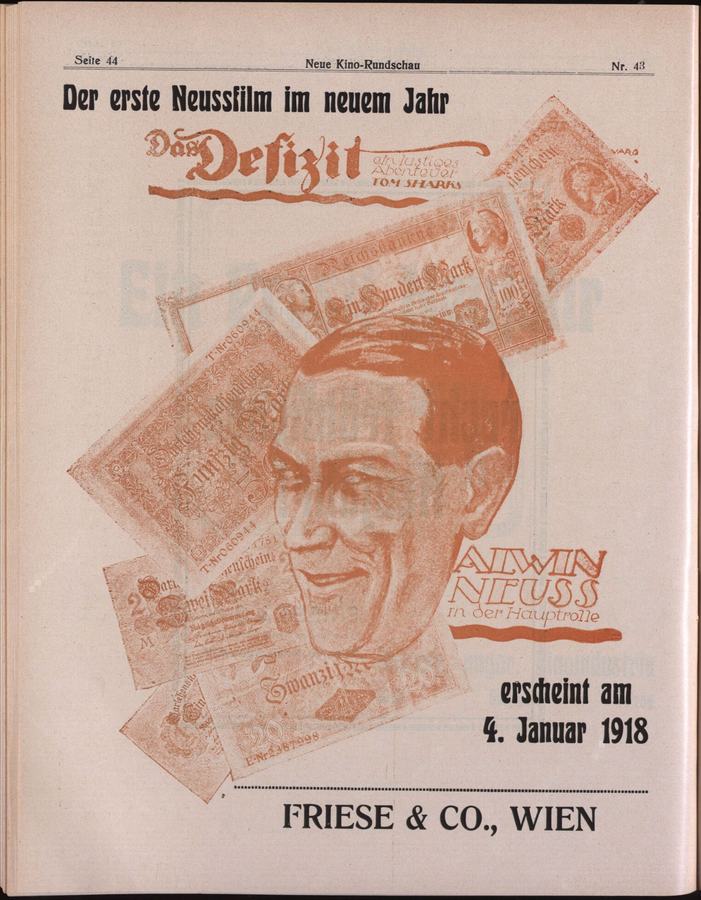
Das Defizit plunges into the murky depths of early 20th-century financial precarity, charting the precipitous downfall of esteemed banker Herr Conrad, portrayed with a haunting gravitas by Leo Connard. His seemingly unassailable empire, built on generations of trust, conceals a gnawing, insidious fiscal deficit that threatens to unravel his entire existence. As the specter of ruin looms, Conrad's devoted yet increasingly bewildered wife, Else Roscher, finds herself caught in a maelstrom of societal judgment and personal betrayal, her opulent world crumbling around her. The narrative intricately weaves in the machinations of a shadowy consortium, led by the enigmatic Alwin Neuß, whose shrewd, predatory gaze is fixed on Conrad's vulnerable assets. Meanwhile, Harry Lamberts-Paulsen embodies a relentless, morally ambiguous investigator, whose probing inquiries expose not just financial impropriety but also a web of long-buried secrets and desperate compromises made in the shadows. Henry Wasa, as a disillusioned junior partner, grapples with his conscience, torn between loyalty and the damning truth, ultimately becoming a pivotal, tragic figure in the unfolding drama of greed, desperation, and the ultimate cost of maintaining a façade of prosperity. The film culminates in a breathtaking unraveling, where the true extent of the 'deficit' is revealed to be far more than monetary, exposing the spiritual bankruptcy of its central figures.
Review Excerpt
"The Unseen Chasm: Deconstructing 'Das Defizit'There are films that merely tell a story, and then there are cinematic experiences that excavate the very foundations of human nature, laying bare its frailties and its formidable resilience. 'Das Defizit,' a compelling, albeit largely unsung, masterpiece from the pen of Paul Rosenhayn, unequivocally belongs to the latter category. This isn't just a tale of financial collapse; it's a meticulously crafted psychological drama, a stark societal commenta..."