DbcultAccessing Vault...
Cult Review
Senior Film Conservator
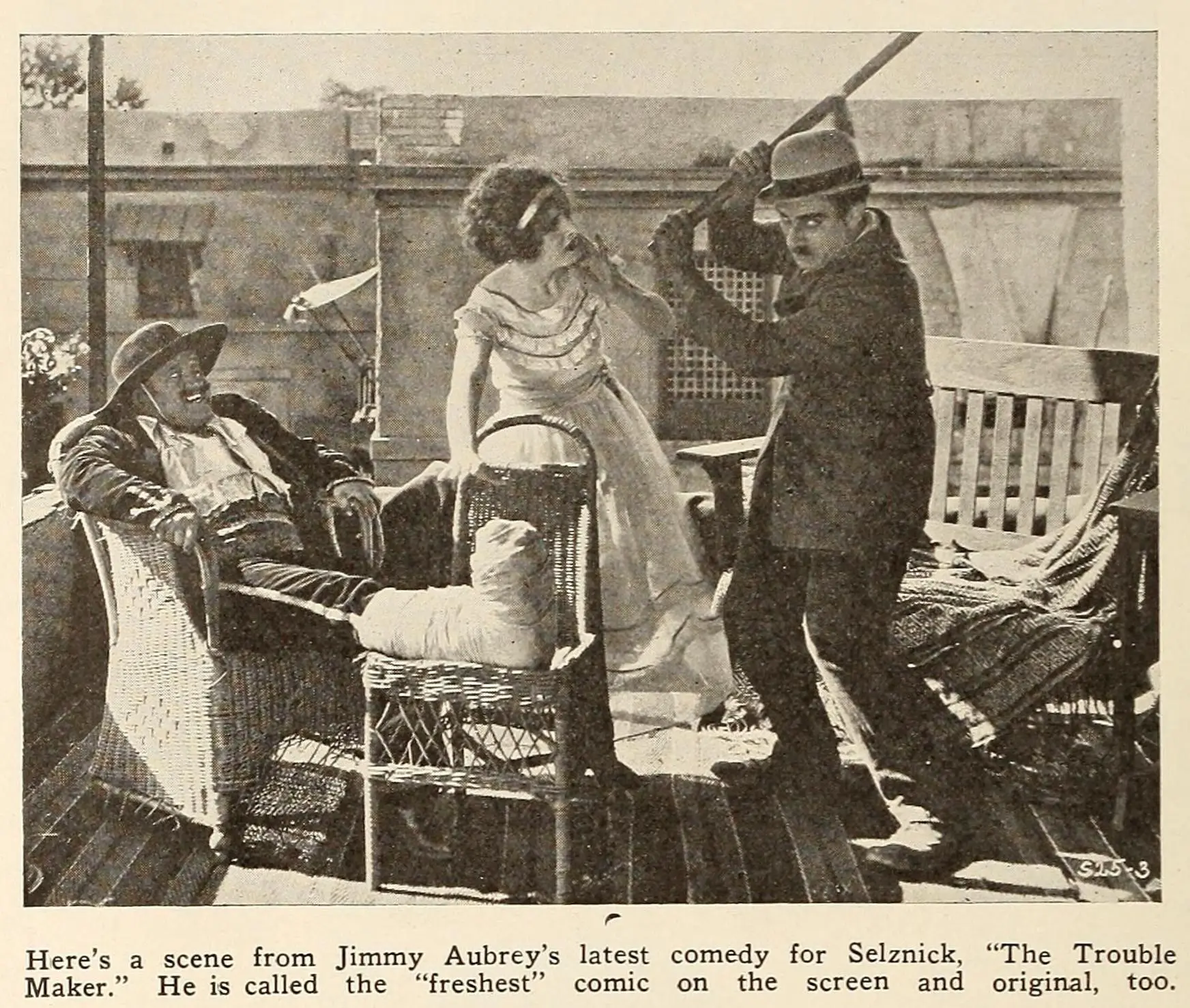
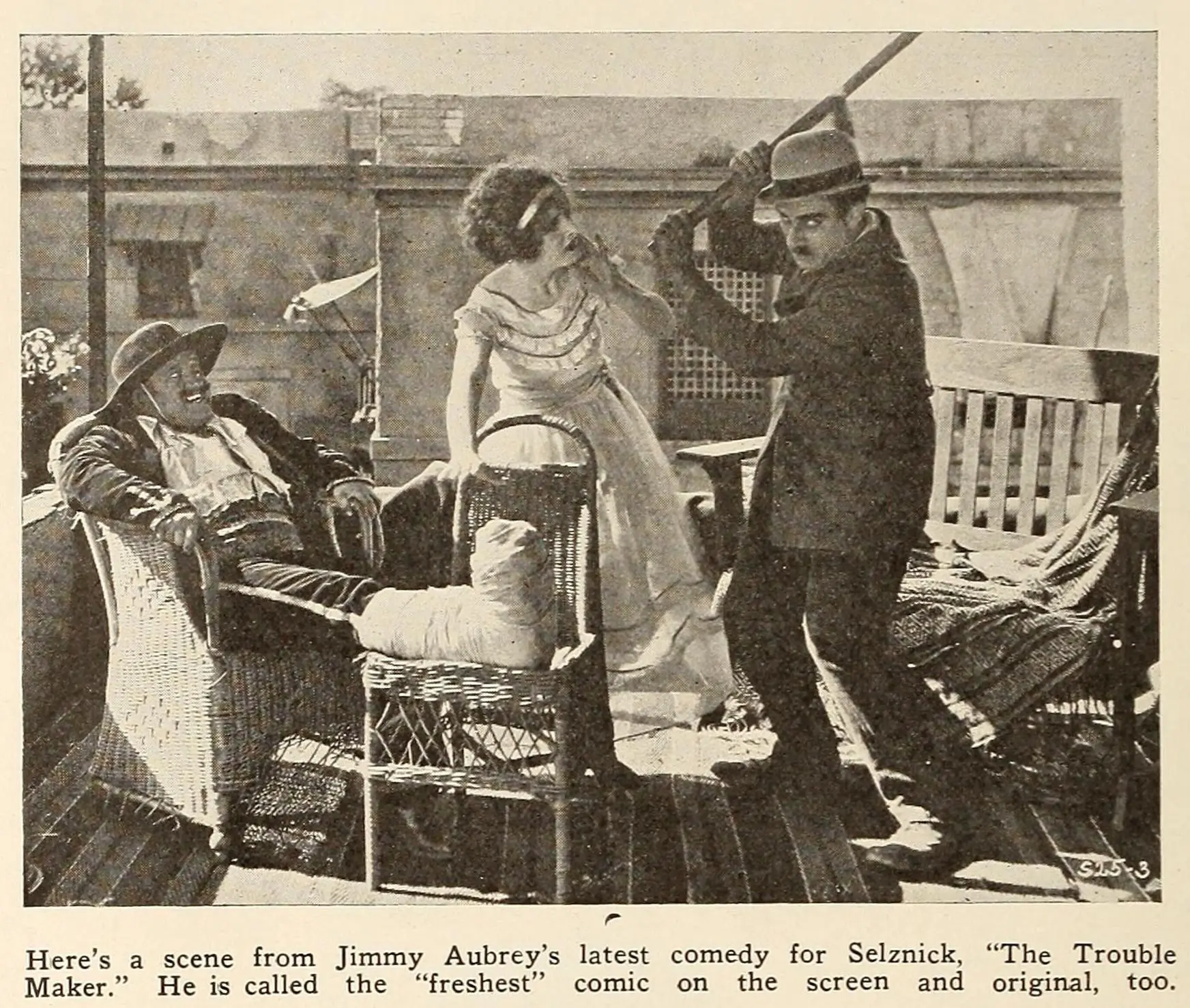
'The Trouble Maker', a cinematic endeavor featuring Jimmy Aubrey and Joe Rock, presents an intriguing case study in comedic storytelling, albeit one that operates on a premise that is as fragile as it is captivating.
The film, much like its contemporaries Der Ruf der Liebe and The Humming Bird, seems to thrive on the chemistry between its leads, suggesting that the narrative's success may hinge on the audience's investment in their portrayals. Aubrey and Rock, with their likely comedic backgrounds, bring to mind the dynamic duos of other silent era comedies, such as those found in Life's Shop Window and The Bomb Idea, where the interplay between characters served as a cornerstone for the plot.
One of the most striking aspects of 'The Trouble Maker' is its apparent reliance on situational comedy and mistaken identities, a theme that echoes through films like L'autobus della morte and The Tame Cat, albeit with varying degrees of success. This approach, while not particularly original even for its time, does offer a lens through which to examine the societal norms and audience expectations of the era. The film's ability to navigate these themes with a degree of grace and humor speaks to the skill of its performers and, presumably, the direction.
In analyzing 'The Trouble Maker', it's impossible not to draw comparisons to other films that have navigated similar thematic terrain. For instance, An Affair of Three Nations and The Other Woman (1921) also explored complex relationships and deceptions, though with markedly different tones and outcomes. Similarly, Revolutionens datter and A London Bobby provide insight into the diverse approaches to comedy and drama during this period, highlighting the versatility of filmmakers in addressing and reflecting societal shifts.
The critical reception and enduring legacy of 'The Trouble Maker' are less clear, given its relative obscurity compared to some of its peers. However, films like In the River and Caught Bluffing have similarly faded from the spotlight, despite offering valuable perspectives on the comedic and dramatic inclinations of their time. This ephemeral nature of cinematic works underscores the importance of preservation and critical analysis, ensuring that even lesser-known films receive the attention they deserve.
In conclusion, 'The Trouble Maker', while not extensively detailed in its plot, offers a fascinating glimpse into the comedic stylings of Jimmy Aubrey and Joe Rock, and by extension, the broader trends of silent era cinema. Its exploration of deception and mistaken identity places it within a lineage of films that have delighted audiences with their lighthearted and often slapstick approach to storytelling. As a piece of cinematic history, it invites viewers and scholars alike to ponder the evolution of comedy and the enduring appeal of characters caught in the web of their own misadventures.
IMDb 6.3
1919
Community
Log in to comment.