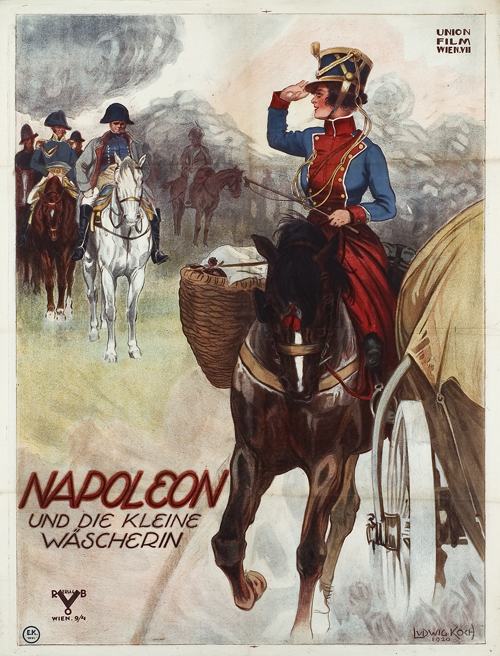
There’s something inherently fascinating about historical dramas that choose to zoom in on the periphery, to find the grand narrative reflected not in the thunderous pronouncements of emperors, but in the quiet, unassuming lives of those who merely exist within the shadow of such titanic figures. Such is the endur...

Comparing the cinematic DNA and archive impact of two defining moments in cult history.
Adolf Gärtner
Reggie Morris
Community
Log in to comment.
" There’s something inherently fascinating about historical dramas that choose to zoom in on the periphery, to find the grand narrative reflected not in the thunderous pronouncements of emperors, but in the quiet, unassuming lives of those who merely exist within the shadow of such titanic figures. Such is the enduring allure of Napoleon und die kleine Wäscherin, a film that, despite its age and the perhaps limited reach of its original distribution, offers a remarkably nuanced and often poig..."
Victorien Sardou, Willi Wolff, Martin Zickel
Germany
Deep dive into the cult classic
Discover similar cinematic experiences
A Directorial Spotlight on Adolf Gärtner