DbcultAccessing Vault...
4.2/10
Senior Film Conservator
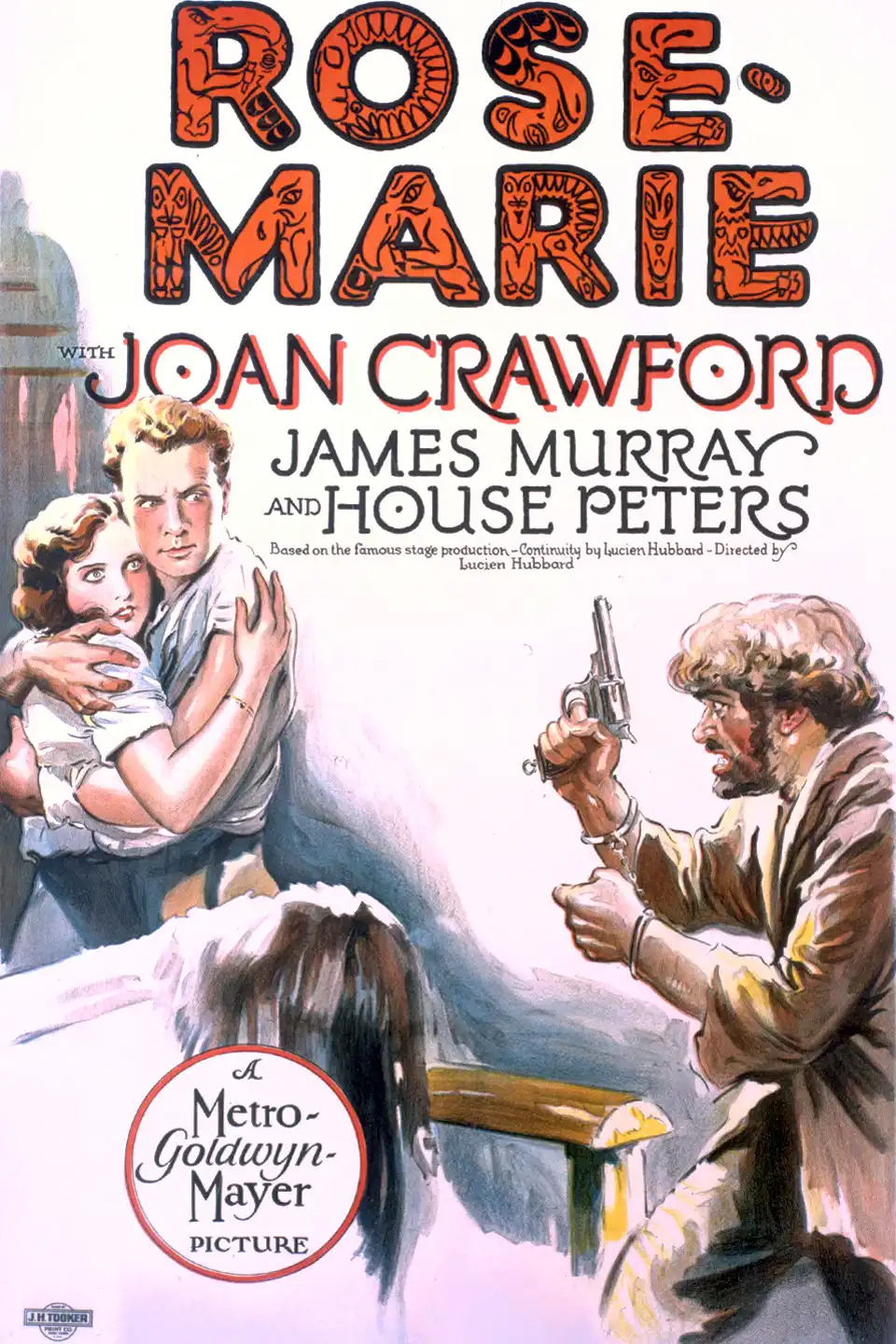
A definitive 4.2/10 rating for a film that redefined the boundaries of cult cinema. Rose-Marie remains a cornerstone of transgressive art.
If you’re coming to this looking for the high-note singing and the operetta charm of the later versions, you’re going to be very confused. This 1928 version of Rose-Marie is a silent, dusty, and occasionally very grim piece of business. It’s worth watching if you have a thing for late-silent-era location shooting or if you’re a Joan Crawford completionist who wants to see her before she became the iron-jawed icon of the 1940s. People who want a polished, logical plot will probably hate it, but there’s something about the raw, unfinished quality of the acting here that sticks with you.
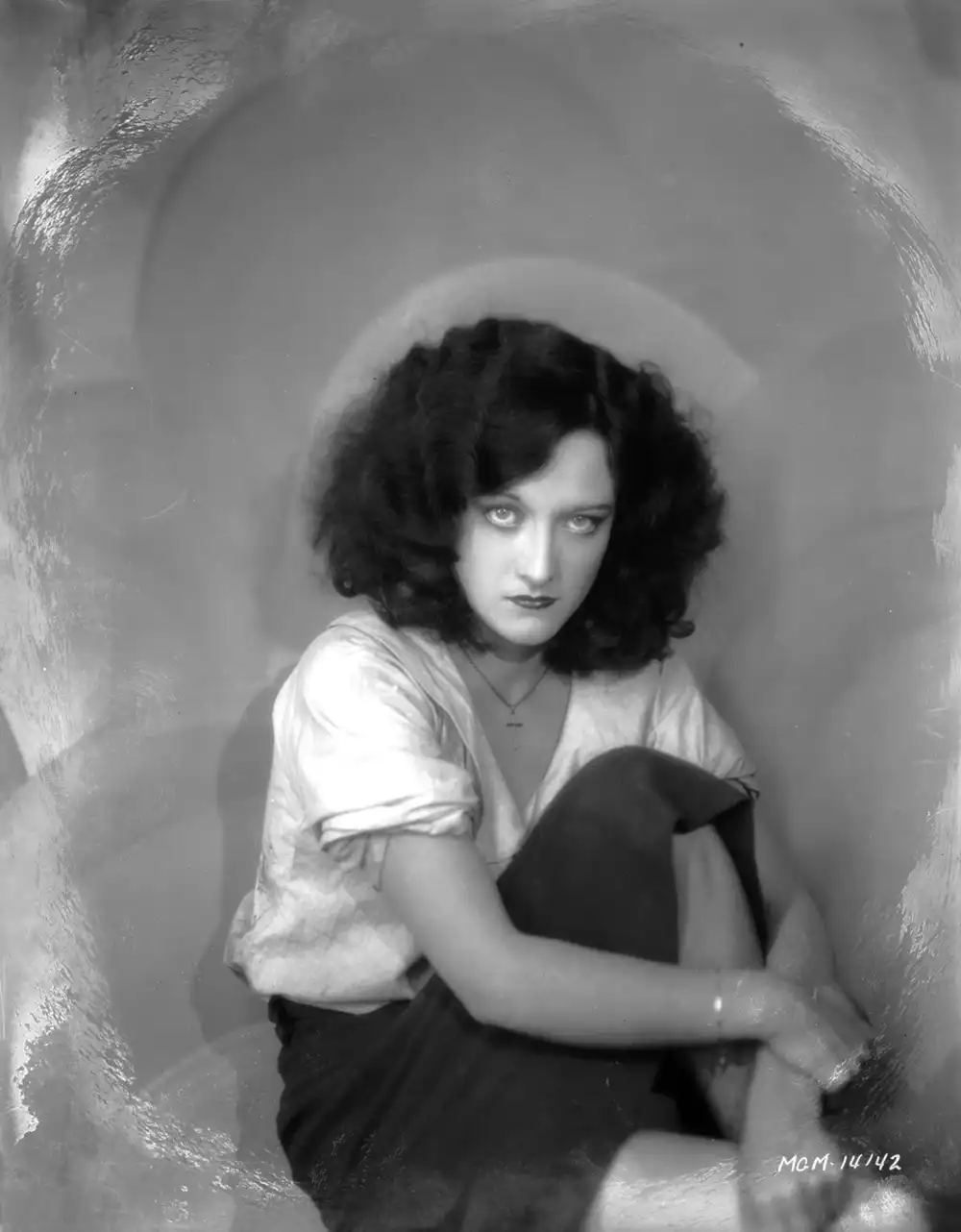
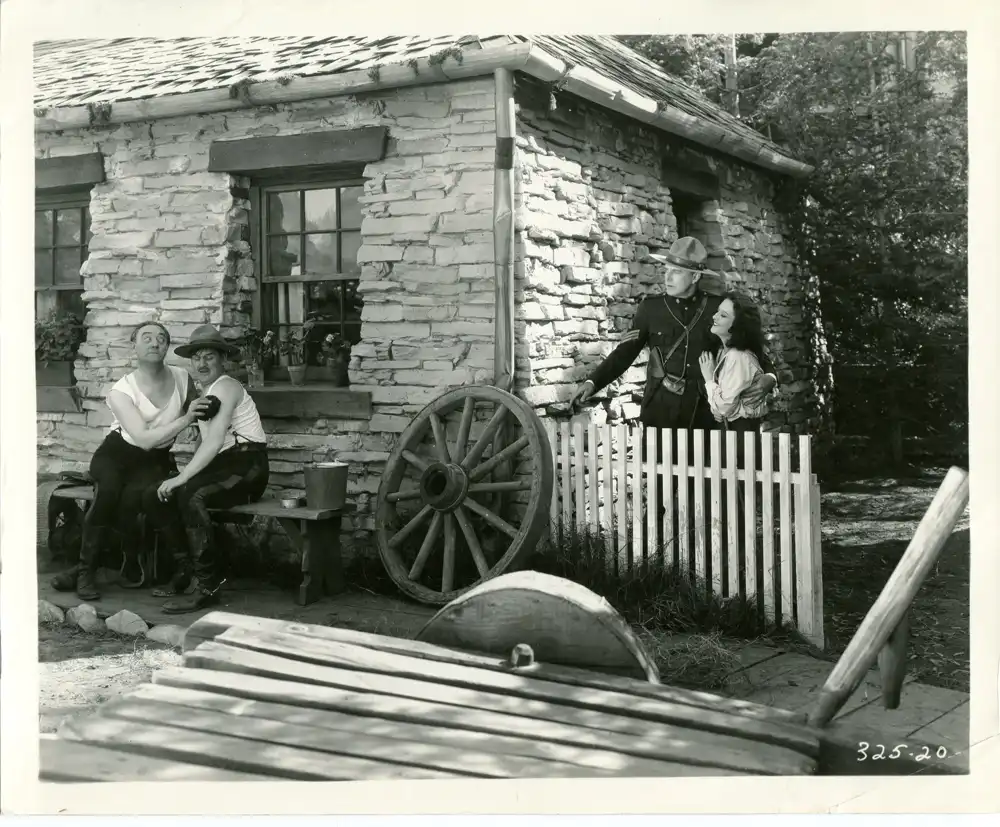
The first thing that hits you is the casting of the three men fighting over Rose-Marie. James Murray plays Jim Kenyon, the "soldier of fortune," and he’s easily the best thing in the movie. Murray had this incredibly modern face—you might know him from The Crowd—and he doesn't do the usual silent movie eye-bulging. He just looks tired and a little bit dangerous. When he and Crawford are in a scene together, the movie feels like a real drama. There’s a moment where they’re talking near a fence and the way he looks at her feels genuine, like they actually have a history that the script didn't bother to write down.
Then you have Etienne, played by Creighton Hale. The intertitles describe him as "effeminate," and Hale plays that by fluttering his hands and looking like he’s about to cry if a breeze hits him too hard. It’s a bizarre performance. He feels like he’s stepped out of a totally different, much sillier movie. Watching Crawford try to act like she’s considering marrying this guy is one of the more unintentional highlights. You can almost see her thinking about her paycheck during their close-ups. She looks bored, and honestly, you can't blame her.
The plot is one of those "if only they talked for five minutes, the movie would end" situations. Jim is accused of a murder he didn't commit, and Rose-Marie decides the only way to save him is to marry the wealthy, wimpy Etienne. It’s classic silent movie logic where marriage is treated like a legal contract that can magically stop a hanging. It’s frustrating, but the movie distracts you with some pretty impressive shots of the Canadian wilderness. There’s a real sense of scale in the outdoor scenes—the way the shadows fall across the log cabins and the heavy look of the fur coats everyone is wearing. You can almost feel the damp cold coming off the screen.
I was struck by how much better the movie gets when it stops trying to be a romance and starts being a manhunt. The villain, Black Bastien, is a total caricature—greasy hair, sneering lip, the whole bit. He looks like a throwback to something like Empty Socks or an old Griffith short. But the chase through the woods is handled with a lot of tension. There’s a specific shot of Sergeant Malone (House Peters) tracking Bastien through a thicket where the camera stays low, and for a second, it feels like a modern thriller.
Speaking of Malone, the ending is a bit of a gut punch. I won't ruin the specifics, but the way the movie handles the "hero" Mountie is surprisingly cynical for 1928. Usually, the Mountie gets his man and a medal. Here, the resolution feels messy and a little sad. The film doesn't even give you a big celebratory moment when Jim is cleared; it just sort of exhales and ends. It’s an abrupt tonal shift that left me sitting there wondering if a reel was missing, or if the director just got tired of filming in the snow.
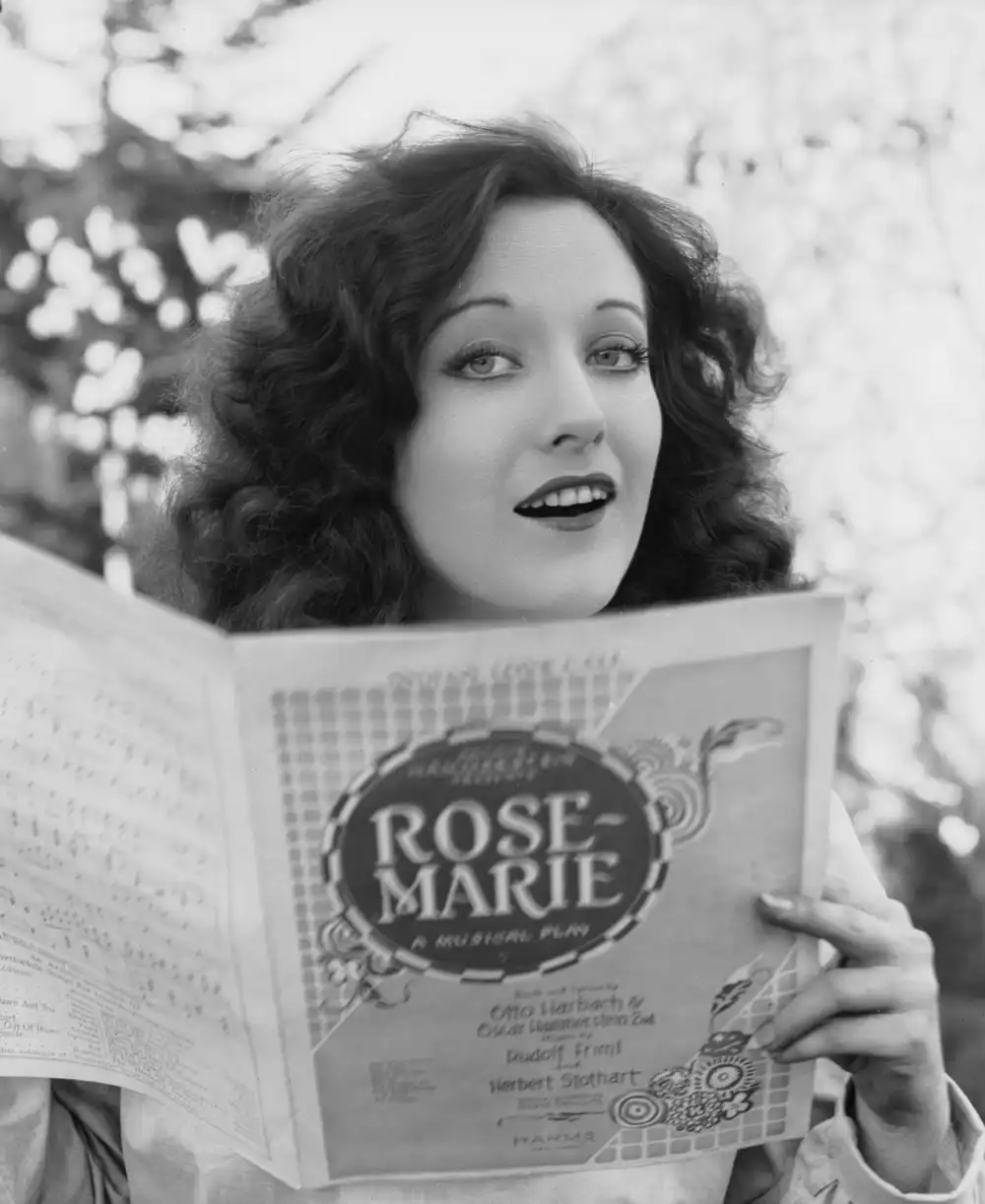
Crawford is interesting here because she hasn't quite found her "look" yet. Her makeup is heavy, and her hair is a bit of a wild nest, but you can see the screen presence starting to cook. She has this way of holding herself that makes everyone else in the frame look like they’re standing still. It’s not a great performance—she’s a bit too prone to clutching her throat when she’s upset—but it’s a fascinating glimpse of a star in the making. It’s certainly more grounded than some of the stuff you’d see in something like Pretty Smooth from the same era.
There are some weird technical hiccups. Some of the edits are so fast they feel like mistakes, and there’s a recurring bit with a bird that I think was supposed to be symbolic but just comes across as a distraction. The pacing drags heavily in the middle when they’re all sitting around the lodge, and you find yourself wishing they’d just get back to the woods. But if you can get past the creaky plot and Creighton Hale’s distracting performance, there’s a weirdly beautiful, lonely atmosphere to this thing that you don't find in the later, more famous versions of the story.
IMDb 7.1
1924
Community
Log in to comment.