DbcultAccessing Vault...
7/10
Senior Film Conservator
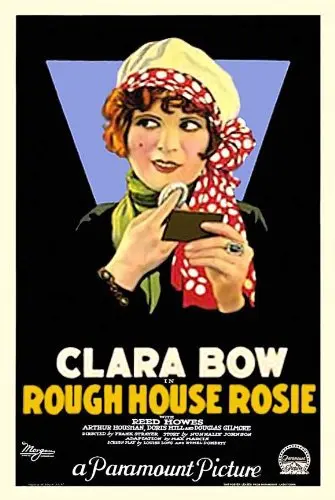
A definitive 7/10 rating for a film that redefined the boundaries of cult cinema. Rough House Rosie remains a cornerstone of transgressive art.
Is Rough House Rosie a silent classic that demands your attention in the modern era? Short answer: Yes, but primarily as a masterclass in screen magnetism rather than narrative complexity.
This film is for anyone who wants to understand the raw, unrefined power of Clara Bow and those interested in the socio-economic anxieties of the 1920s. It is emphatically not for viewers who require a slow-burn character study or those who find the frantic energy of silent slapstick exhausting.
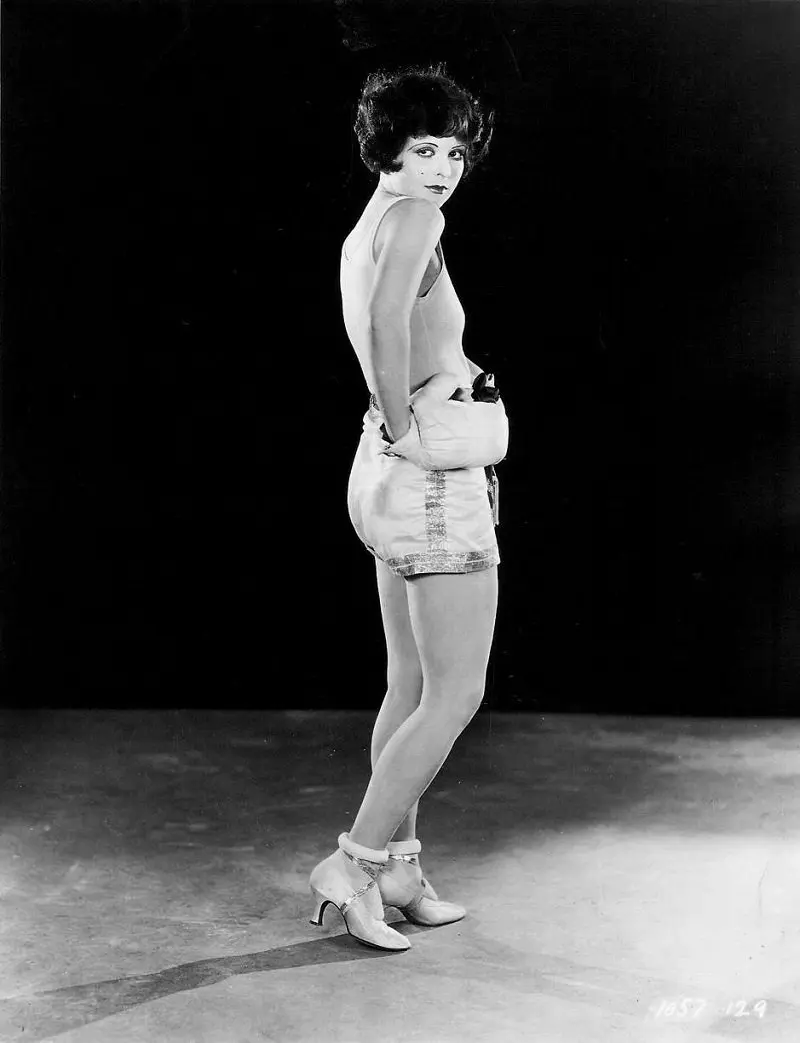
Rough House Rosie is worth watching because it captures the exact moment the 'Flapper' archetype transitioned from a fashion statement into a symbol of working-class rebellion. While the film is nearly a century old, the central conflict—the desire to belong to a world that looks down on you—remains painfully relevant. You should watch it to see Clara Bow at her most kinetic, even if the surrounding plot is somewhat formulaic.
1) This film works because Clara Bow’s performance is so physically demanding and charismatic that it bridges the gap between the screen and the audience, even without dialogue. 2) This film fails because the supporting male characters, particularly Joe Merrill, lack the depth needed to make the romantic stakes feel as high as the social ones. 3) You should watch it if you want to see a rare 1920s depiction of a woman who uses physical aggression as a legitimate tool for social navigation.
Clara Bow doesn't just act in Rough House Rosie; she vibrates. In an era where many silent performers relied on exaggerated pantomime that today feels dated, Bow’s Rosie O'Reilly feels startlingly modern. Consider the scene where she first enters the high-society party. Her eyes dart with a mixture of predatory ambition and genuine terror. It is a nuanced bit of physical acting that tells you everything about her character's internal struggle without a single intertitle.
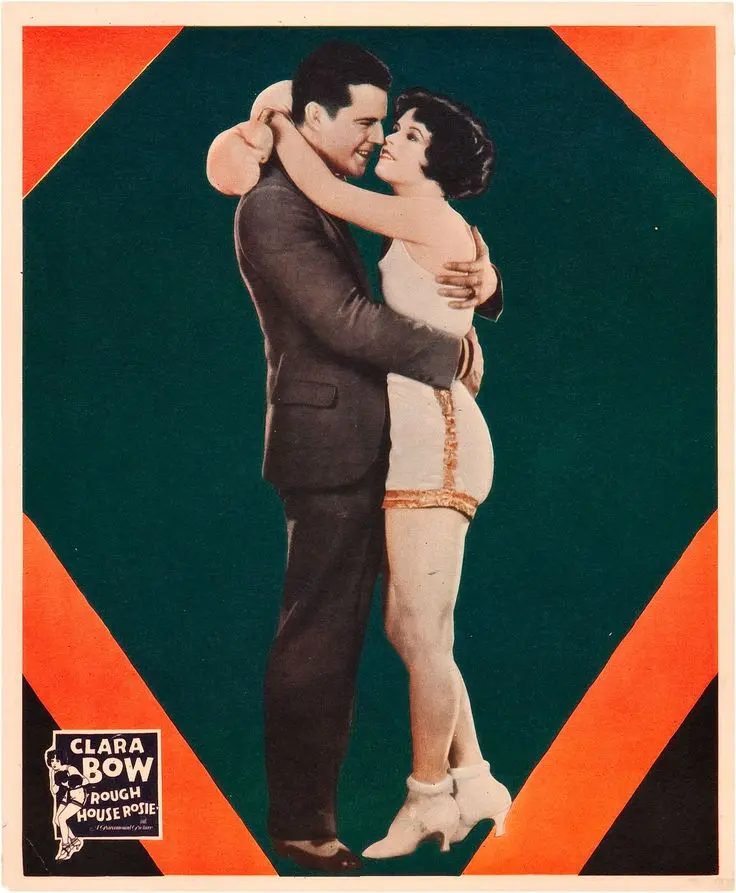
She brings a 'roughness' that lived up to the film's title. Unlike her more polished role in Pretty Lady, here she is unashamedly blue-collar. When she squares her shoulders to face a social rival, you believe she could actually hold her own in a boxing ring. This physicality was her trademark, and it’s what separated her from the ethereal, distant stars of the time. She was the girl you knew, or the girl you wanted to be.
The chemistry with Reed Howes is serviceable, but let’s be honest: no one is looking at Howes. He plays the 'straight man' to her chaos, much like the dynamic seen in Nearly Married. However, Bow is such a solar flare that she often threatens to burn her co-stars off the screen. Her performance is the glue holding a somewhat thin script together.
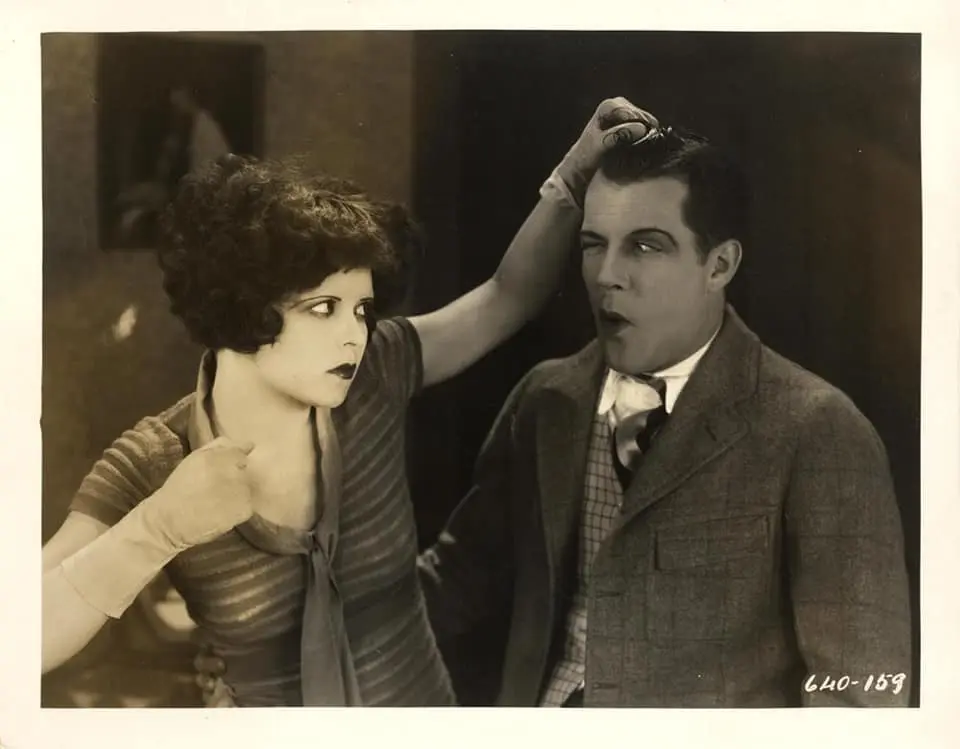
Director Frank Strayer uses the camera to emphasize the claustrophobia of Rosie’s world. The early scenes in the tenements are crowded, messy, and filled with movement, contrasting sharply with the cold, static elegance of the high-society mansions. This visual storytelling is more effective than the dialogue. When Rosie stands in a vast, empty ballroom, she looks smaller than she does in her crowded apartment, a subtle nod to how the 'elite' world actually diminishes her spirit.
The cinematography by Hal Rosson—who would go on to work on some of the greatest films in history—is surprisingly crisp for 1927. He captures the sweat of the boxing gym with the same clarity as the shimmer of Rosie’s sequins. There is a specific shot where Rosie looks into a mirror before her big debut; the lighting shifts from a harsh, realistic tone to a soft-focus glamour shot. It’s a brilliant visual metaphor for the mask she is trying to wear.
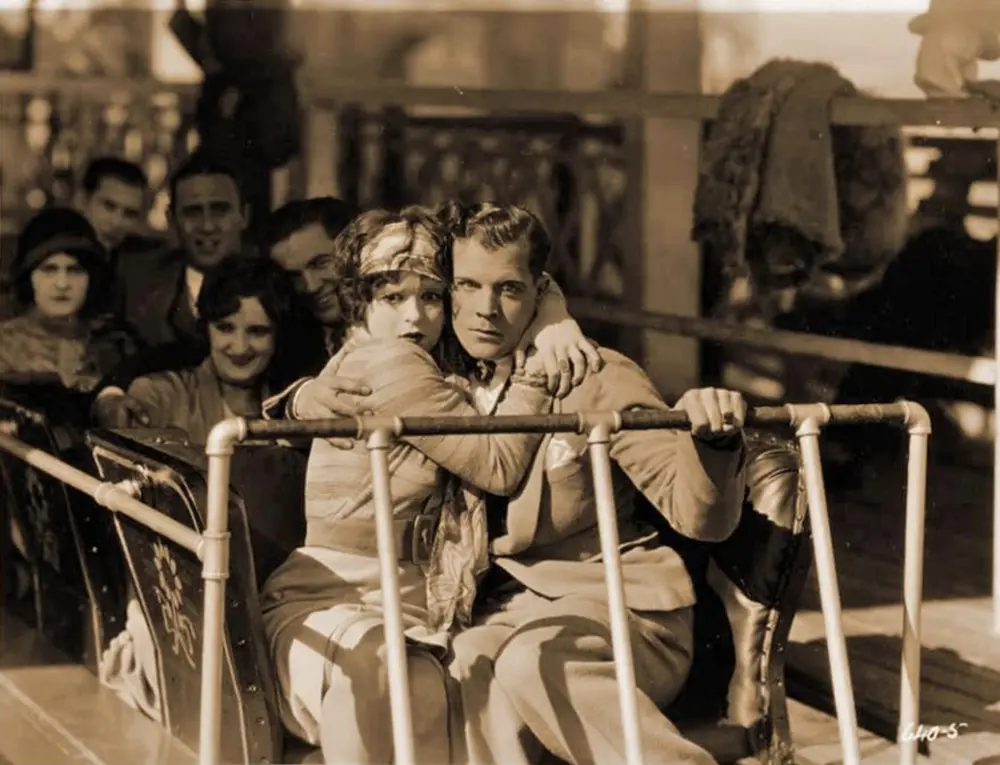
Compared to the atmospheric tension found in The Mystic, Rough House Rosie is much more direct. It doesn't hide behind shadows. It puts its conflicts front and center, often using the medium shot to keep the focus on the physical interactions between characters. The pacing is relentless, mirroring the frantic energy of the Jazz Age itself.
The script, co-written by the legendary Nunnally Johnson, is peppered with sharp, cynical wit. The intertitles are not just functional; they are punchy. There is a bite to the humor that suggests the writers had little respect for the upper class they were depicting. The tone shifts from broad slapstick to social satire with surprising ease, though it occasionally stumbles into melodrama in the final act.
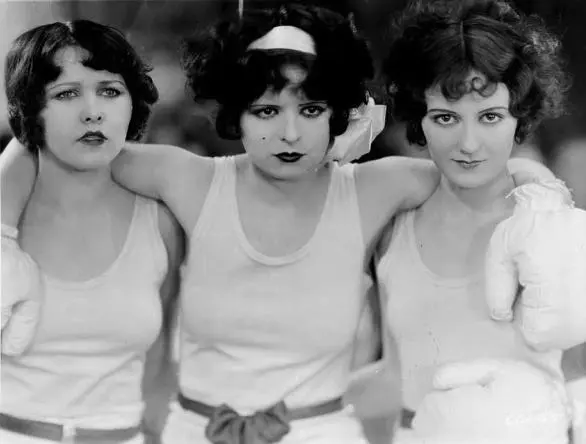
The pacing is where the film shows its age, but in a good way. It moves with a frantic, almost desperate speed. There is no dead air. This is a film that knows it needs to keep the audience entertained every second. It shares this high-energy DNA with other contemporary hits like The Collegians, where the youth-centric energy is the primary selling point.
However, the film’s tonal shifts can be jarring. One moment Rosie is involved in a comedic brawl that feels like a cartoon, and the next, she is facing genuine heartbreak as she realizes she is being mocked by the people she admired. This whiplash is common in 1920s cinema, but here it feels particularly pointed. It suggests that for a girl like Rosie, life is a constant oscillation between being a joke and being a victim.
If you are a student of cinema, the answer is a resounding yes. To understand the 20th century, you have to understand Clara Bow. Rough House Rosie is the quintessential Bow vehicle. It showcases her as the working-class hero who refuses to stay in her place. It’s a film about the American Dream, but one that acknowledges the dream is often a nightmare of snobbery and exclusion.
For the casual viewer, it remains entertaining because it is genuinely funny. The physical comedy hasn't lost its edge. When Rosie accidentally wreaks havoc at a formal dinner, the timing is as precise as anything you’d see in a modern sitcom. It is a loud movie for a silent one. You can almost hear the glass breaking and the shouts of the crowd.
Rough House Rosie is a fascinating artifact that remains surprisingly watchable today. It isn't a perfect film—the plot is thin and the ending is predictable—but Clara Bow’s presence elevates it into something special. She is the engine that drives the movie, and her energy is infectious. It is a punchy, aggressive, and ultimately charming look at the struggle for identity in a world obsessed with status.
While it may not have the technical complexity of The Fight, it possesses a raw heart that many of its contemporaries lacked. It is a film that understands the anger of the underdog. It works. But it's flawed. And that's exactly why it feels so human. If you want to see the 1920s with its gloves off, this is the film to watch.
IMDb 5.8
1919
Community
Log in to comment.