DbcultAccessing Vault...
Cult Review
Senior Film Conservator
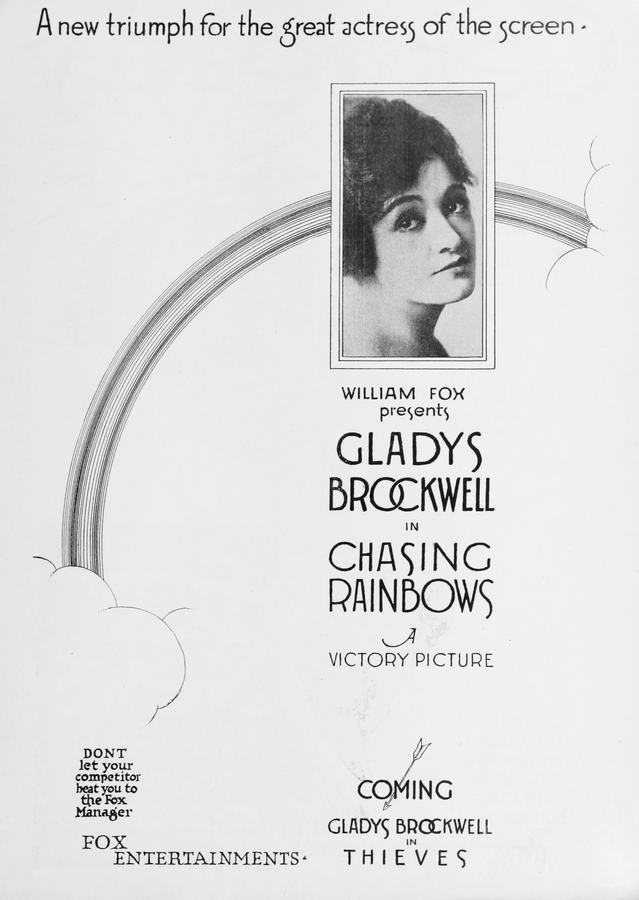
In the annals of early cinema, where narratives often soared with grand melodrama and stark moralizing, a film like 'Chasing Rainbows' emerges as a compelling artifact, a testament to the era’s capacity for nuanced storytelling. Released in 1918, a period of global upheaval and profound social transformation, this picture, directed by the uncredited yet clearly capable hands behind the camera, and penned by the formidable duo of Ruth Ann Baldwin and Karl Harriman, offers a rich tapestry of human resilience, betrayal, and the elusive pursuit of happiness. It’s a silent film that speaks volumes, not just through its intertitles, but through the expressive power of its cast and the evocative sweep of its setting. The film invites us to journey with its protagonist, Sadie, as she navigates a landscape both external and internal, ultimately finding that the true treasures are often discovered not at the end of a rainbow, but in the crucible of adversity.
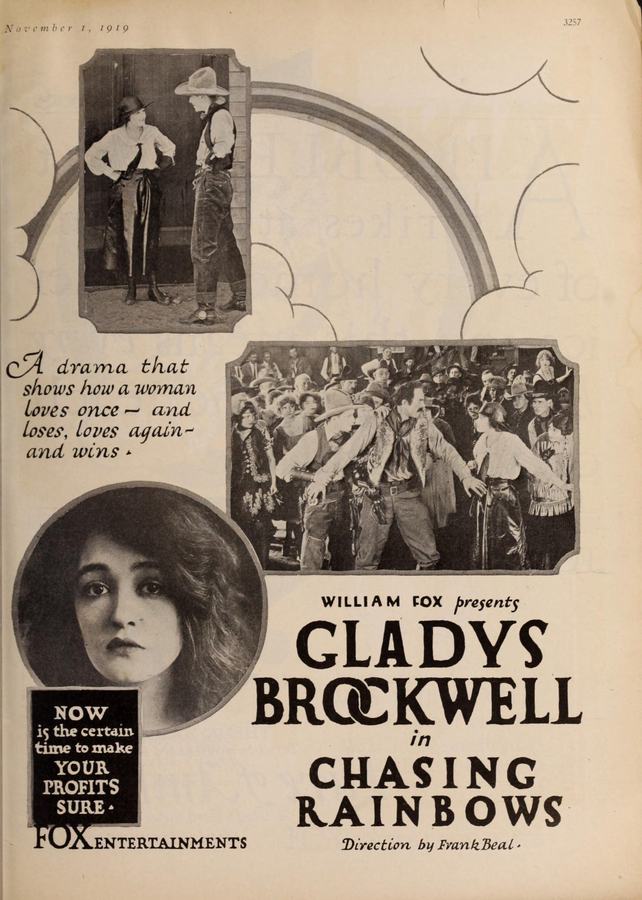
Our story commences in the bustling, impersonal environment of a Kansas City railroad station, a hub of transient lives and fleeting connections. Here, Sadie, portrayed with remarkable depth by Gladys Brockwell, labors as a waitress, her days a monotonous blur of service and fleeting interactions. Her existence, however, is secretly illuminated by the clandestine affections of Jim Lacy, a man whose charm, we soon learn, masks a profound deception. The shattering discovery that Lacy (Richard Rosson) is not only married but a father sends shockwaves through Sadie’s carefully constructed world. This isn't just a betrayal of trust; it's an annihilation of her future, a brutal awakening to the fragility of her dreams. Brockwell’s performance here, even without spoken dialogue, must have conveyed a profound sense of anguish and disillusionment, the kind that reshapes a soul. The railroad station, a symbol of departures and arrivals, paradoxically becomes a place of emotional stagnation for Sadie, a point from which she must desperately flee to reclaim any semblance of agency.
Driven by a potent cocktail of heartbreak and a fierce determination to protect herself from future pain, Sadie seeks refuge in the antithesis of her past: the small, sun-baked desert town of Bagdad. This relocation isn't merely a change of scenery; it's a deliberate act of self-preservation, a conscious choice to embrace isolation and cultivate a staunch misandry. She arrives, presumably, with a hardened heart, convinced that all men are architects of deceit. Yet, the desert itself, with its vast, unyielding beauty and the surprising warmth of its sparse community, begins a subtle alchemy. Unlike the suffocating confines of Kansas City, the open spaces of Bagdad offer a different kind of freedom, an invitation to breathe, to heal. It’s a classic Western trope, the transformative power of the frontier, but here applied to the emotional landscape of a woman scorned. This period of Sadie’s journey mirrors the internal struggles seen in films like The Bondage of Fear, where characters grapple with profound psychological trauma, seeking solace or escape in new environments.
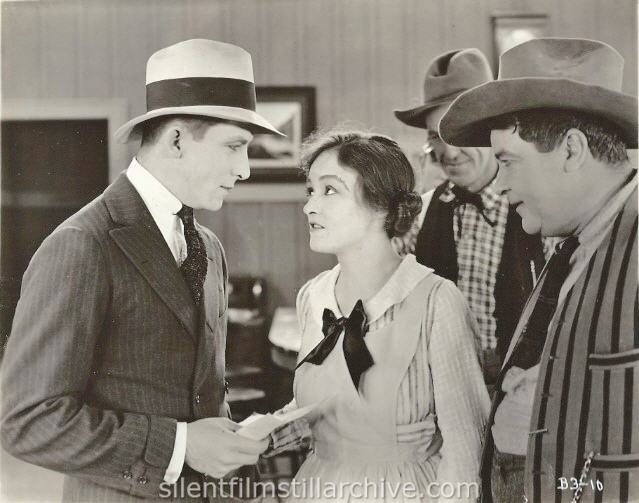
It is in this arid, yet increasingly fertile, emotional terrain that Sadie encounters Billy Thompson (William Scott), the manager of the local restaurant. Scott’s portrayal of Billy likely exuded a quiet strength, a stark contrast to Lacy’s duplicity. Their initial connection is forged not through romantic overtures, but through a shared act of courage and compassion: the rescue of an Indian girl from her furious, vengeful lover. This incident is pivotal, as it forces Sadie to confront her blanket condemnation of all men. Billy’s selflessness and bravery chip away at her defenses, revealing a man worthy of trust, perhaps even affection. This shared experience, fraught with danger, establishes a foundation of mutual respect and admiration, paving the way for a deeper emotional bond. The portrayal of Native American characters in early cinema often walked a fine line, sometimes perpetuating stereotypes, but here, the narrative uses the situation to highlight the heroic qualities of its protagonists, setting the stage for a compelling romance.
The threat posed by the Indian girl’s furious lover does not dissipate easily. Sadie’s quick thinking and bravery are again called upon when she must save Billy from this persistent menace. This act of protection is a powerful reversal of traditional gender roles for the era, showcasing Sadie’s burgeoning strength and agency. It's a moment that unequivocally cements her love for Billy, demonstrating a profound commitment beyond mere sentiment. Inspired by their deepening connection and the desire to build a stable future, Billy decides to try his hand at gold prospecting. The lure of gold in the American West was a powerful narrative engine in countless films of the period, symbolizing not just wealth, but opportunity, independence, and the means to secure a future. For Billy, it's a tangible expression of his commitment to Sadie, a quest to provide for their life together. This aspiration for a better life, often against formidable odds, echoes the spirit found in dramas like With Hoops of Steel, where characters strive for prosperity and love in challenging landscapes.
Just as Sadie and Billy begin to envision their future, the shadow of Sadie’s past materializes in the form of Jim Lacy. His reappearance is not a romantic overture, but a desperate plea for help. Lacy is on the run, wanted by the law for a shooting, and he seeks Sadie’s aid to escape eastward. This moment presents Sadie with a profound moral dilemma. The man who caused her so much pain now stands before her, vulnerable and in need. Her decision, however, is not born of residual affection, but a complex mix of past obligation and a strategic desire to sever ties permanently. Richard Rosson, in his portrayal of Lacy, would have had to convey a palpable sense of desperation and moral decay, making his presence a truly unsettling disruption to Sadie’s newfound peace. This unwelcome intrusion highlights the enduring power of past mistakes and the long reach of consequences, a theme often explored in the more somber melodramas of the era, such as Blood Will Tell.
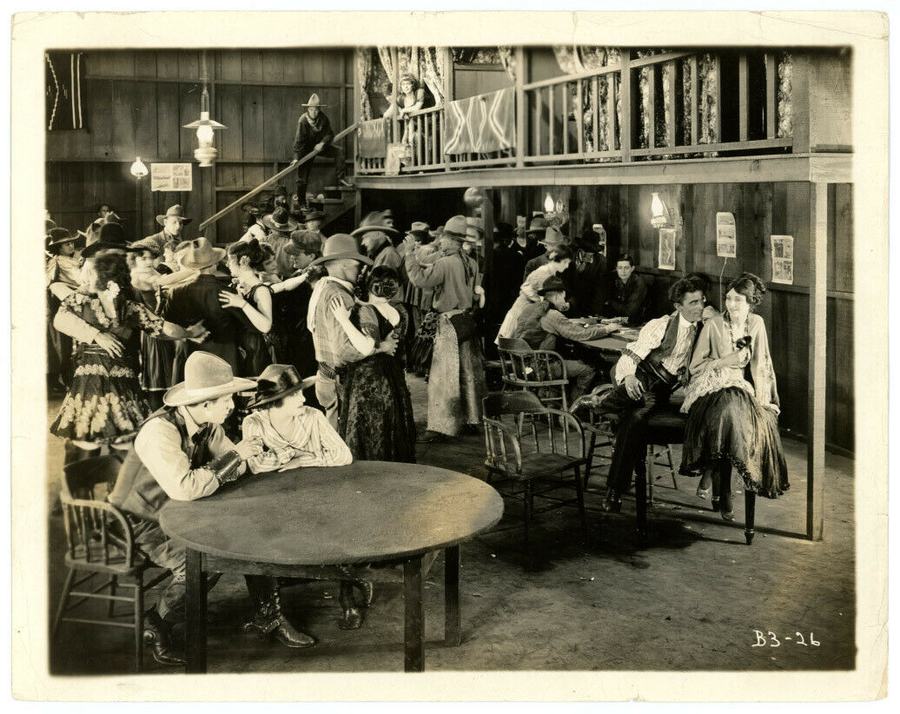
Sadie agrees to help Lacy, but on one immutable condition: he must leave and never return. She orchestrates a plan, helping him win money at a crooked roulette game, a scene that must have crackled with tension and moral ambiguity. This act, while aiding a criminal, is also an act of self-liberation for Sadie, a final severing of the chains that bound her to Lacy. The stakes are incredibly high, not just financially, but emotionally. However, the film delivers its most devastating blow just as Lacy prepares to depart. In a chilling revelation, he confesses to Sadie that the man he shot was, in fact, Billy. This twist, a masterstroke of dramatic screenwriting by Baldwin and Harriman, plunges Sadie into a maelstrom of horror and despair. The audience, too, would have been gripped by this sudden, brutal turn, fearing the worst for the burgeoning love story.
The revelation propels Sadie into a frantic, desperate search for Billy. Her terror is palpable, her search a race against time and the crushing weight of Lacy's words. The relief, when she finally finds Billy unharmed, must have been overwhelming, a cathartic release for both Sadie and the audience. This near-tragedy serves to underscore the preciousness of their love and the fragility of life. The film culminates in their marriage, a hard-won union that symbolizes the triumph of enduring affection over betrayal, resilience over despair, and hope over the specter of a dark past. It's a powerful and satisfying resolution, affirming the journey Sadie has undertaken and the genuine connection she has found. The title, 'Chasing Rainbows,' takes on a deeper meaning here; the rainbow isn't just about fleeting gold, but about the elusive, beautiful promise of happiness found after the storm.
The success of 'Chasing Rainbows' rests firmly on the shoulders of its creative team. Ruth Ann Baldwin and Karl Harriman, as writers, crafted a narrative that, while adhering to some melodramatic conventions of the era, also imbued its characters with a compelling inner life and propelled the plot with impactful twists. Baldwin, a prolific female screenwriter of the silent era, often brought a distinct perspective to her stories, focusing on strong female protagonists. Her collaboration with Harriman likely yielded a balanced script, blending emotional depth with robust action sequences. Their ability to build suspense and deliver a truly shocking reveal, followed by a satisfying resolution, speaks volumes about their storytelling prowess. This kind of intricate plotting, even in the silent era, stands out, much like the carefully constructed narratives found in films such as The Stain, which also explored complex moral quandaries.
The cast, too, is instrumental in bringing this narrative to life. Gladys Brockwell, as Sadie, carries the emotional weight of the film. Her ability to convey profound shifts in emotion – from heartbreak and bitterness to courage, love, and terror – without the benefit of spoken dialogue is a testament to her skill as a silent film actress. William Scott’s Billy Thompson provides the necessary anchor of integrity and steadfastness, a compelling counterpoint to Lacy’s deceit. Richard Rosson’s Jim Lacy, though appearing in fewer scenes, is crucial as the catalyst for Sadie’s journey and the architect of her initial pain and subsequent terror. His portrayal would have needed to be sufficiently charismatic to justify Sadie’s initial affection, yet menacing enough to pose a credible threat. Supporting players like Harry Dunkinson, Walter Long, Claire McDowell, and Irene Aldwyn would have rounded out the world of Bagdad, adding texture and realism to the community that helps Sadie heal. Their collective performances, guided by an uncredited director, create a cohesive and believable world, even amidst the heightened drama.
Beyond the thrilling plot, 'Chasing Rainbows' delves into several enduring themes. At its core is the theme of resilience – Sadie’s unwavering ability to pick herself up after devastating betrayal and forge a new path. Her journey from cynicism to renewed hope is a powerful narrative arc that resonates deeply. The film also explores redemption, not just for Sadie in finding new love, but perhaps even a subtle, unstated one for Lacy, whose final confession, while horrifying, provides a crucial piece of information that ultimately leads to Sadie's peace. The setting of the American West is more than just a backdrop; it's an active participant in the story, symbolizing untamed freedom, the possibility of reinvention, and the rugged individualism that often defined characters seeking new beginnings. The pursuit of gold, a classic Western motif, here becomes intertwined with the pursuit of love and a stable future, elevating it beyond mere greed. This intertwining of personal drama with the vastness of the American landscape can be seen in other films of the era, such as The Bandit of Port Avon, which also utilized grand settings to amplify human struggles.
The film also touches upon the strength of women in an era where their roles were often circumscribed. Sadie is not a passive victim; she is an active agent in her own destiny, making difficult choices, displaying courage, and ultimately shaping her own happiness. This portrayal of a strong female lead was not uncommon for the time, with actresses like Mary Pickford and Lillian Gish often embodying powerful, complex women, but Brockwell’s Sadie stands out for her journey from profound vulnerability to defiant strength. Her ability to navigate emotional turmoil and external threats speaks to a burgeoning awareness in cinema of women's inner lives and capabilities, a theme echoed in films like The Greater Woman.
'Chasing Rainbows' stands as a compelling example of silent era filmmaking, showcasing the power of visual storytelling, expressive acting, and well-crafted screenplays. It’s a reminder that even without the benefit of synchronized sound, films could captivate audiences with intricate plots, believable characters, and resonant themes. The film’s blend of romance, drama, and elements of the Western genre creates a rich and engaging experience. While it may not possess the epic scale of a D.W. Griffith production, its intimate focus on Sadie's personal journey makes it no less impactful. It invites contemporary viewers to appreciate the artistry and ingenuity required to convey such a complex emotional landscape solely through imagery and performance.
The film's title, 'Chasing Rainbows,' beautifully encapsulates the human condition – the ceaseless pursuit of happiness, often against daunting odds, and the realization that sometimes the most profound joys are found not in distant, shimmering illusions, but in the tangible connections forged through shared experience and resilience. It is a cinematic gem that, like a desert flower, blooms unexpectedly with beauty and enduring meaning, reminding us of the timeless stories that captivated audiences over a century ago. Its narrative complexity and emotional depth position it favorably among its contemporaries, offering a more robust experience than some lighter fare like Dodging a Million, and sharing a thematic richness with more serious dramas such as The House Without Children. For those keen to explore the rich tapestry of early American cinema, 'Chasing Rainbows' offers a vibrant, emotionally charged experience that continues to resonate, proving that some stories, told well, truly are timeless.
IMDb —
1919
Community
Log in to comment.