DbcultAccessing Vault...
7.5/10
Senior Film Conservator
A definitive 7.5/10 rating for a film that redefined the boundaries of cult cinema. His People remains a cornerstone of transgressive art.
In the early 20th century, the Lower East Side of New York City was a melting pot of cultures, a place where immigrants from all corners of the world came to seek their fortunes. It is against this vibrant backdrop that His People unfolds, a cinematic tale that masterfully explores the intricate dance between tradition and change within a poor Russian-Jewish family.
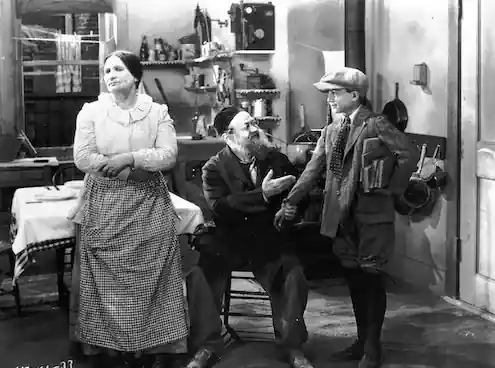
The story centers around the two sons of a pushcart peddler, Morris and Sammy, whose divergent paths from their family's cherished traditions serve as a catalyst for introspection and growth. As they navigate their individual journeys, each character is confronted with the challenge of balancing personal aspirations with the weight of familial expectations. This delicate balance is a recurring theme throughout the film, echoing the experiences of many immigrants who found themselves torn between preserving their cultural heritage and embracing the opportunities offered by their new homeland.
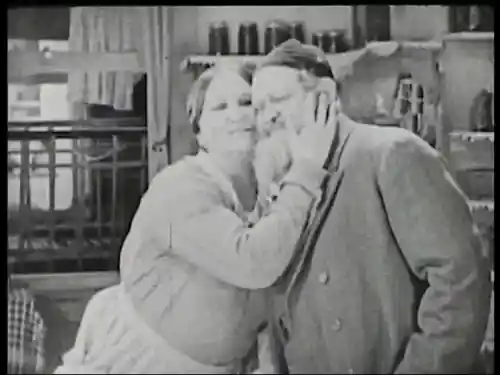
One of the most striking aspects of His People is its thoughtful portrayal of intergenerational dynamics. The tension between tradition and modernity is palpable, as the older generation clings to the familiar comforts of their ancestral customs, while the younger generation is drawn to the allure of a more modern, assimilated lifestyle. This conflict is not merely a source of discord but serves as a powerful narrative device, facilitating a deeper exploration of identity, community, and the enduring bonds of family.
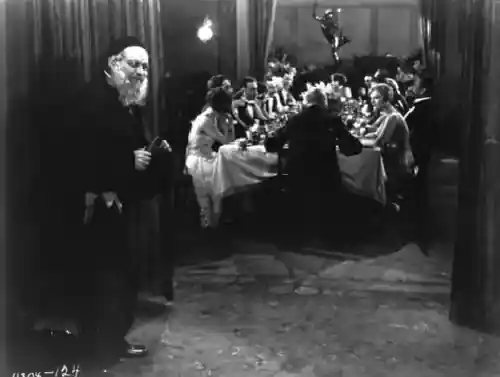
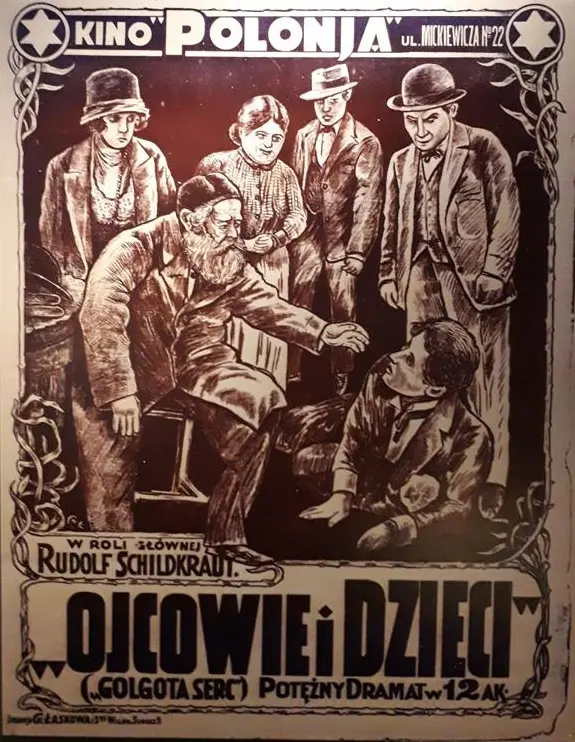
The cast delivers performances that are as nuanced as they are compelling. Kate Price, Edgar Kennedy, and Rudolph Schildkraut, among others, bring depth and authenticity to their characters, imbuing the film with a sense of realism that grounds the narrative in the harsh realities of life on the Lower East Side. Their portrayals are marked by a sensitivity and empathy that underscores the film's thoughtful approach to its themes.
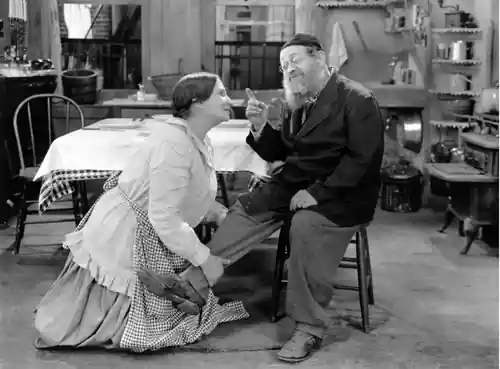
In comparing His People to other films that explore similar themes, such as Aura o las violetas and The Kiss, it becomes clear that this film occupies a unique space in the cinematic landscape of its time. While it shares with these films a concern with the human condition and the complexities of interpersonal relationships, His People distinguishes itself through its specific focus on the immigrant experience and the challenges of cultural assimilation.

The film's direction and writing are noteworthy for their sensitivity and nuance. The screenplay, crafted by Isadore Bernstein, Charles E. Whittaker, and Alfred A. Cohn, demonstrates a keen understanding of the characters and their motivations, while the direction skillfully translates this understanding into a visually engaging and emotionally resonant cinematic experience.
In conclusion, His People is a film that not only offers a compelling portrayal of life on New York's Lower East Side but also invites viewers to reflect on the universal themes of family, tradition, and identity. Through its thoughtful narrative, strong performances, and sensitive direction, the film provides a powerful exploration of the human experience, one that continues to resonate with audiences today.
Ultimately, His People stands as a testament to the enduring power of cinema to illuminate the complexities of the human condition. It is a film that challenges viewers to consider the ways in which tradition and change intersect in our lives, and the importance of empathy, understanding, and love in bridging the gaps between generations and cultures.
IMDb —
1915
Community
Log in to comment.