DbcultAccessing Vault...
5.2/10
Senior Film Conservator
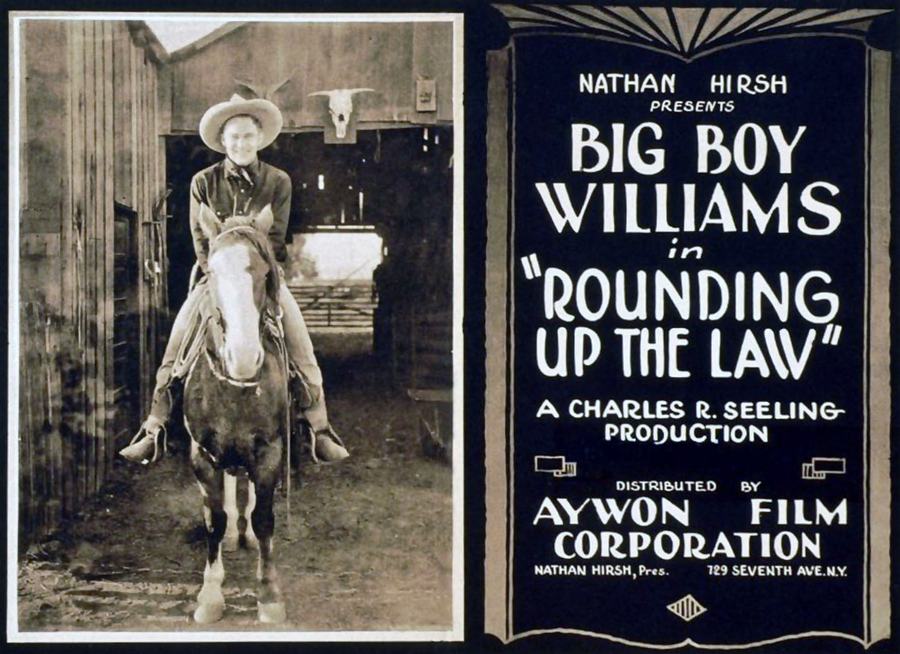
A definitive 5.2/10 rating for a film that redefined the boundaries of cult cinema. Rounding Up the Law remains a cornerstone of transgressive art.
There is a moment, roughly twelve minutes in, when the camera simply lingers on Larry Connell’s calloused thumb as he slides a stack of silver dollars across the felt. The clink of each coin lands like distant thunder in a monsoon season—an aural omen that property, laws, and lives are about to change hands. Director W.H. Allen lets the silence stretch until it snaps, proving that even Poverty Row studios understood that tension, not production value, is the true currency of cinema.
On paper Rounding Up the Law is a programmer Western churned out to fill the lower half of Depression-era double bills. Yet the film behaves like a palimpsest: scrape away the cattle-dust clichés and you uncover a sly meditation on chance versus entitlement, on whether America’s next empire can be won with a fan of cards or whether the old guard will always rig the rules. Larry’s royal flush should be the American dream in miniature—any man can arrive with nothing and own everything by sunrise—but the former owner’s ability to retroactively criminalize that victory exposes the nightmare underneath.
Chet Ryan plays Connell with the economy of a man who has learned that words cost energy and bullets cost money. His shoulders carry the slump of perpetual outsider; only when he brandishes the writ of summons does a predatory spark ignite behind his eyes. The metamorphosis from cowboy to plaintiff is the film’s shrewdest twist: six-guns holstered in favor of affidavits, the range war reconceived as paper war. In 1932 that image—frontier justice ceding ground to due process—must have felt almost science-fictional to audiences weaned on silent-era vigilantes.
Shot on leftover sets that once hosted The Flame of the Yukon, the picture repurposes fake snow as alkali dust, coating everything in a pale sepulchral glow. Cinematographer Jules Cronjager favors low afternoon light that turns every window into a blinding white rectangle—an unsubtle but effective reminder that transparency itself is on trial. Meanwhile the soundtrack ricochets between spartan dialogue and the mournful wheeze of a harmonica, creating an aural negative space where hoofbeats echo like heartbeats. The absence of a full orchestral score paradoxically amplifies stakes; each creak of saddle leather feels like the turning of a page in an unwritten statute book.
As Nora Laramie, the prior owner’s widowed sister, Patricia Palmer sidesteps the saint-in-gingham trap. Nora first appears armed with both a mourning veil and a ledger book, a visual paradox that announces her hybrid identity. Palmer’s line readings are clipped, almost screwball-quick, yet her gaze softens in close-up, suggesting calculation and compassion locked in duet. The script never forces her into a redemption-by-romance arc; instead she functions as a moral swing state, courted by both camps, her final allegiance determined less by love than by which side proves capable of genuine restitution.
W.H. Allen and Jack Natteford’s screenplay is a marvel of narrative compression. They jettison the usual barroom brawls and replace them with legal stratagems delivered in rapid-fire vernacular. When the judge intones “possession is nine-tenths of jurisprudence,” the line lands as both punchline and thesis. Dialogue bristles with poker metaphors—“Let’s see your writ and raise you an injunction”—yet never devolves into gimmickry. The writers also smuggle in social critique: a tossed-off reference to the former owner bankrolling the judge’s reelection campaign could be 1932 campaign-finance reform shouted from the mountaintop.
Guinn “Big Boy” Williams, whose gargantuan frame and slow-burn expressions were comic relief in everything from Stage Struck to The Sea Wolf, here plays Connell’s ranch hand Buckshot. Williams weaponizes hayseed malapropisms—“We’ll be in court faster than a jackrabbit on a date”—but the performance carries an undercurrent of loyalty that steadies the film’s ethical compass. When he finally testifies, his usually booming voice drops to a church-whisper, and the juxtaposition is startling: the clown validated as conscience.
The film’s hybrid DNA places it in conversation with other rule-bending outliers of the period. Where Playthings of Destiny grafts melodrama onto the gangster template, and I Accuse filters social horror through expressionist shadows, Rounding Up the Law stages its climactic showdown not at high noon but at the courthouse steps. Guns remain sheathed; instead, legal briefs flap like war banners in the prairie wind. The resulting tension is cerebral, almost Hitchcockian—proof that the Western’s iconography could be detourned without sacrificing visceral stakes.
Released months after the Reconstruction Finance Corporation began bailing out banks, the picture channels nationwide rage at rigged systems. Connell’s stolen cattle money functions like a reverse bank run: he reclaims liquidity from the grasp of entrenched wealth and injects it into the apparatus of justice itself. That the apparatus still works—however creakily—offers a flicker of hope rare in pre-Code cinema, where cynicism often reigned supreme.
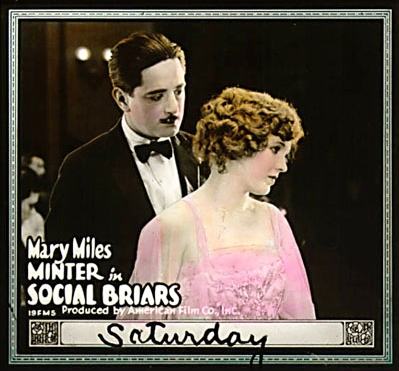
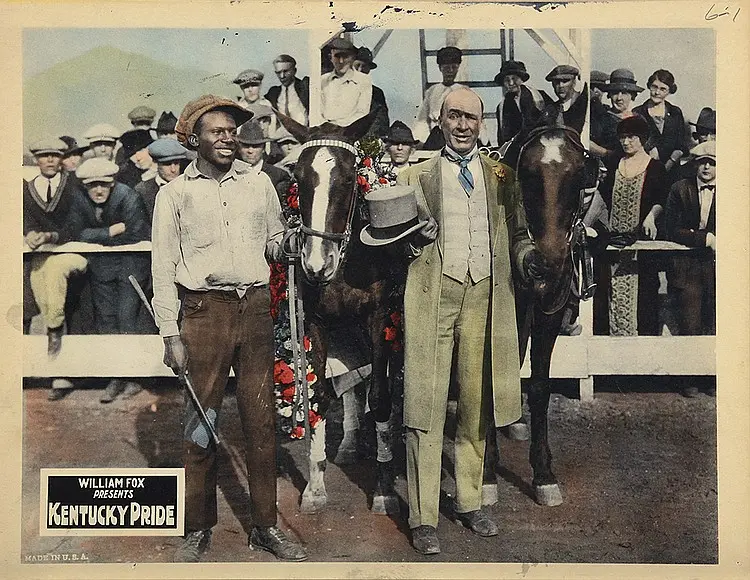
Stacked beside Her Good Name with its perfume-ad plot or the classroom farce Az ötödik osztály, this film’s thematic heft feels almost illicit. Even The Phantom Riders, another oater about disputed land, never interrogates the legal scaffolding that undergirds ownership; it merely swaps bullets until one faction stops moving. Rounding Up the Law dares to suggest that paperwork, if weaponized by the disenfranchised, can be more potent than Winchesters.
Chet Ryan’s minimalist approach courts risk: too little expression and he becomes a cardboard paladin. Yet watch the micro-shift in his jaw when the judge rules against him; the muscle flickers like a snake’s heartbeat, betraying a storm the character refuses to verbalize. Palmer counters with kinetic verbosity, her hands conducting invisible orchestras as she spouts statutes. Their contrasting temperaments generate onscreen frisson that passable line-readers could never achieve. J. Gordon Russell, saddled with the thankless role of crooked bailiff, injects a sweaty religiosity—he keeps caressing the gavel as if it were a relic, hinting that corruption, too, demands devotion.
Allen, never celebrated as an auteur, demonstrates journeyman cunning. He cross-cuts between the eviction scene—dust-caked cattle herded through town—and the judge’s chamber where ink flows blithely across dispossession documents. The parallel action rhymes beast and man, both driven by forces they cannot comprehend. At 58 minutes, the narrative is lean to the point of gauntness; scenes end on abrupt visual punctuation marks, as though the budget could afford only one take and the actors dare not exhale.
Astute viewers will spot a cameo by the arched doorway from Testimony repurposed as the ranch entrance. Production designer Harry Scott loved recycling sets, and here the doorway looms like a triumphal arch turned ironic—an emblem of entry that becomes an exit once the deed is nullified.
Because the film slipped into theaters before the Production Code clampdown, it retains a bracing moral ambiguity. Connell’s theft of the auction proceeds is celebrated, not punished; the law is presented as negotiable, a commodity like any other. Such candor would vanish two years later when the Hays Office demanded that crime never pay onscreen. View today and you’re tasting bootleg liquor—sharp, uncut, thrillingly illicit.
The harmonica motif recurs only three times but haunts like a half-remembered prayer. Composer Abe Meyer understood that silence can be orchestrated; he withholds the instrument during courtroom scenes, allowing ambient coughs and chair-scrapes to orchestrate anxiety. When the harmonica finally reappears over the end credits, its plaintive wheeze feels like a verdict all its own: the frontier still sings, but its melody is now laced with jurisprudence.
For decades the film languished in 16-mm purgatory, misfiled under alternate titles such as “Justice on the Range.” A 2019 2K restoration by the UCLA Film Archive salvaged much of Cronjager’s nitrate tonal range; the sea-blue dusk skies now ripple with grainy grandeur. Streaming rights are fragmented, but Amazon Prime periodically licenses the restoration. Physical media devotees can snag a Blu-ray from Grapevine Video, whose booklet essay by Miriam Hunter contextualizes the movie within pre-Code socio-economics.
Is Rounding Up the Law a neglected masterpiece? Not quite. Its ambitions outstrip its means; certain edits feel like a stampede over narrative continuity, and the climactic legal triumph arrives via a deus-ex-legalis loophole that even contemporary critics side-eyed. Yet the film endures as a fascinating mutation: a Western that replaces six-shooters with subpoenas, that argues the taming of the frontier happened not in the saddle but at the clerk’s desk. For that audacity alone, it deserves resurrection from the archival dustbin.
“In the end, the most revolutionary act is not to draw iron but to file a brief.” — Nora Laramie, final scene
Watch it for the poker-table poetry. Re-watch it for the way Patricia Palmer tilts her hat at the exact angle where trust and suspicion intersect. Treasure it because, in an era when blockbusters equate justice with collateral explosions, here is a 58-minute reminder that sometimes the most subversive special effect is a sheet of paper with the right signature.
IMDb 6.6
1932
Community
Log in to comment.