DbcultAccessing Vault...
6.2/10
Senior Film Conservator
A definitive 6.2/10 rating for a film that redefined the boundaries of cult cinema. Gypsy Anne remains a cornerstone of transgressive art.
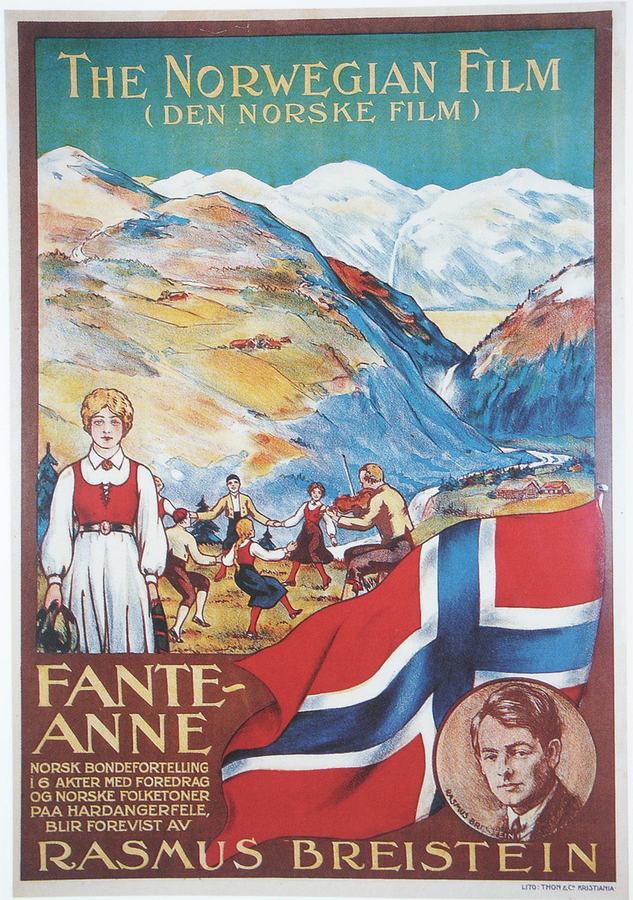
Silent cinema possesses an unparalleled capacity to communicate profound emotion through the sheer artistry of performance and visual storytelling. Within this often-underestimated era, certain films shine as beacons of narrative depth and human experience. Among them, the Norwegian drama 'Gypsy Anne' (original title: Fante-Anne), a 1920 masterpiece featuring the enigmatic Asta Nielsen, stands as a testament to the power of the moving image. It's a film that eschews grand spectacle for intimate, often heartbreaking, human drama, meticulously crafted by writers Rasmus Breistein and Kristofer Janson. Watching it today, one cannot help but be struck by its enduring relevance, its unflinching portrayal of societal prejudice, and the indomitable spirit of its titular character.
The film opens with a sequence that is both stark and deeply affecting: a lone mother, cradling her infant, Anne, desperately seeks shelter from a brutal winter night. Turned away from the seemingly cold-hearted Storlein farm, she finds a tragic refuge in their barn, where she succumbs to the elements. This grim beginning immediately establishes the film's somber tone and the inherent vulnerability of its protagonist. Discovered by the farmhand Jon, the orphaned Anne is reluctantly taken in by the Storlein family, setting the stage for a life shaped by an initial act of charity burdened by underlying resentment. This premise, of a child thrust into an unwelcoming world, echoes the societal anxieties and moral quandaries often explored in early cinema, much like the social commentary found in films such as A Doll's House, albeit with a different focus on female agency and societal expectations.

Asta Nielsen, a titan of the silent screen, imbues Anne with a captivating blend of innocence and defiant energy. As a rambunctious child, Anne is a whirlwind of spirited mischief, often leading her younger step-brother, played with an endearing boyish charm, into various escapades. Nielsen’s ability to convey this youthful exuberance without a single spoken word is nothing short of miraculous, her expressive face and animated physicality speaking volumes. This vibrant portrayal makes the eventual revelation of her true origins all the more impactful. Mother Storlein, exasperated by Anne’s untamed spirit, cruelly lets slip that Anne was never truly ‘theirs.’ It is a moment of profound emotional violence, tearing at the fabric of Anne’s identity. The subsequent confirmation from Jon, the silent observer and guardian of her past, solidifies Anne’s sense of being an outsider, a 'gypsy' in all but name, forever marked by her tragic genesis.
As Anne transitions into womanhood, the narrative deepens into a complex exploration of love, loyalty, and the treacherous currents of human desire. The youthful camaraderie between Anne and her step-brother matures into a forbidden, fervent attraction. Their shared history, once a bond of playful mischief, now becomes the foundation for a romance fraught with societal disapproval and internal conflict. This burgeoning love triangle is further complicated by Jon, the steadfast farmhand, whose quiet devotion to Anne has spanned her entire life. Lars Tvinde, portraying Jon, masterfully conveys a sense of enduring, unspoken affection, his eyes often betraying the depth of his feelings even as his actions remain stoic. This silent suffering, juxtaposed with the fiery passion between Anne and her step-brother, creates a compelling emotional tension that drives much of the film’s latter half.
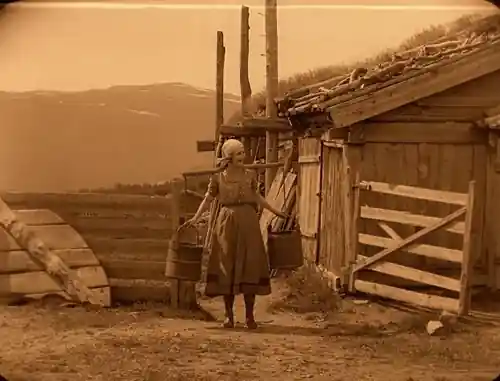
The film's dramatic crescendo arrives with a devastating betrayal. Without giving away explicit plot points, it is sufficient to say that one of Anne’s suitors, driven by weakness or malice, casts her into a perilous situation, risking her freedom and future. This act of perfidy, a common trope in melodramas of the era, is handled with a raw emotional intensity that elevates it beyond mere cliché. Nielsen’s portrayal of Anne’s despair and subsequent resilience in the face of such injustice is breathtaking. It is in these moments of profound suffering that her unique acting style truly shines, capturing the raw vulnerability and inner strength of her character with an authenticity that transcends the limitations of silent film. The parallels to other narratives of wronged women, such as those found in the dramatic arcs of films like The Folly of Desire, are striking, underscoring a universal theme of resilience against oppressive circumstances.
It is impossible to discuss 'Gypsy Anne' without dedicating significant attention to Asta Nielsen. Often hailed as one of the first international film stars, Nielsen possessed a magnetic screen presence and an acting style that was revolutionary for her time. She eschewed the exaggerated gestures typical of early silent cinema, opting instead for a subtle, internalised performance that conveyed a startling depth of emotion. Her expressive eyes, nuanced facial movements, and graceful physicality allowed her to communicate entire narratives without the need for intertitles. In 'Gypsy Anne', she navigates the character's journey from a spirited child to a heartbroken woman with an effortless authenticity that captivates the viewer. Her Anne is not merely a victim of circumstance; she is a survivor, a force of nature, whose spirit, though tested, remains unbroken.
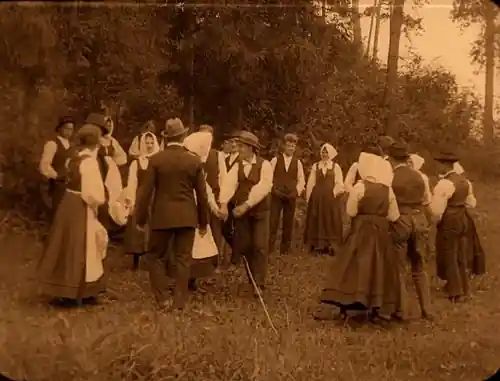
Nielsen’s ability to portray such a multifaceted character, from the innocent mischief of childhood to the bitter sting of betrayal and the quiet hope of redemption, is a masterclass in silent acting. She brings a raw, visceral quality to Anne that makes her struggles profoundly relatable. Her performance ensures that Anne is not just a character in a story, but a living, breathing individual whose joys and sorrows resonate deeply. Comparing her performance to contemporaries, one can see how she pushed the boundaries of dramatic realism, setting a precedent for future generations of actors. Her portrayal of Anne's emotional arc, particularly the transition from youthful joy to adult heartbreak and eventual solace, is truly remarkable and speaks to her unparalleled range.
Rasmus Breistein's direction of 'Gypsy Anne' is marked by a keen eye for both the grandeur of the Norwegian landscape and the intimacy of human emotion. The film skillfully uses its rural setting not merely as a backdrop, but as an active participant in the narrative. The rugged beauty of the mountains, the isolation of the farm, and the harshness of the winter elements all contribute to the film's pervasive atmosphere. Breistein, alongside Kristofer Janson's compelling narrative, crafts a visual poetry that enhances the emotional weight of the story. The cinematography, while perhaps not as technically innovative as some of the German Expressionist films of the period like Lilith and Ly, nonetheless captures the raw beauty and unforgiving nature of the environment, mirroring Anne's own tumultuous journey.

The pacing of the film is deliberate, allowing the emotional beats to unfold naturally and giving the audience time to connect with the characters. Breistein understands the power of a lingering shot, a poignant close-up, or a sweeping panorama to convey meaning beyond words. The use of natural light, particularly in the exterior shots, adds a layer of authenticity that grounds the fantastical elements of melodrama in a tangible reality. This grounding in realism, even within a melodramatic framework, is a hallmark of strong storytelling, much like the grounded narratives found in classics such as Far from the Madding Crowd, which also masterfully blends human drama with a powerful natural setting.
At its core, 'Gypsy Anne' is a profound meditation on themes of identity, belonging, and the relentless human quest for happiness. Anne's journey is one of continually seeking a place where she is truly accepted, where her 'gypsy' origins do not define her. The film poignantly explores the psychological scars left by societal rejection and the longing for unconditional love. Her eventual salvation, orchestrated by the loyal Jon, and her departure to a new land, symbolize not just a physical escape, but a spiritual rebirth, a chance to forge a new identity free from the shadows of her past. This narrative arc, though deeply personal to Anne, resonates with universal experiences of alienation and the search for self-acceptance.
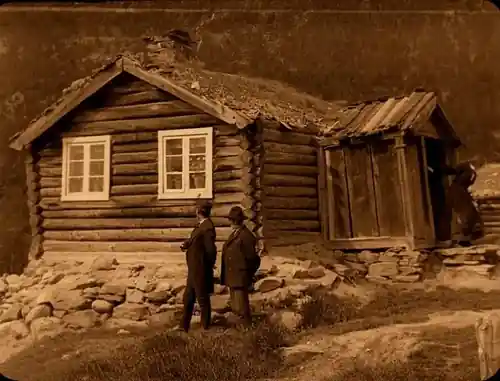
The film also subtly critiques the rigid social structures and prejudices of its time. Anne's status as an orphan and her spirited nature are often misinterpreted, leading to her marginalization. The 'gypsy' moniker, though perhaps intended as a derogatory term, ultimately becomes a symbol of her fierce independence and resilience. It is a testament to the film's nuanced writing that Anne's journey is not simply about overcoming external obstacles, but also about embracing her own unique identity. The supporting cast, including Magnus Falkberget, Henny Skjønberg, and Edvard Drabløs, each contribute to this intricate social tapestry, providing believable portraits of the community that both nurtures and rejects Anne.
Despite being over a century old, 'Gypsy Anne' retains a striking power and emotional resonance. Its themes of love, betrayal, and redemption are timeless, and Asta Nielsen's performance remains a towering achievement in cinematic history. For aficionados of silent film, and indeed for anyone interested in the evolution of storytelling through the moving image, this film is an essential viewing experience. It offers a window into Norwegian cinematic heritage and a compelling example of how profound narratives can be conveyed without spoken dialogue. The film's enduring appeal lies in its humanity, its willingness to explore the darker aspects of human nature alongside moments of profound compassion and hope. It is a reminder that the human spirit, much like Anne's, can endure hardship and ultimately find its way to a place of peace and belonging.
The artistry of 'Gypsy Anne' lies not just in its dramatic plot, but in its ability to evoke deep empathy for its characters. The struggles faced by Anne, the quiet devotion of Jon, and the complexities of the Storlein family are all rendered with a sensitivity that belies the film's age. It stands as a testament to the vision of its creators and the magnetic power of Asta Nielsen, whose performance alone makes this film a compelling watch. It’s a narrative that reminds us that even in the bleakest circumstances, the possibility of a new beginning, a new land, and true happiness, can always beckon. The raw emotional landscape of 'Gypsy Anne' makes it a truly unforgettable piece of cinematic history, deserving of its place among the greats of the silent era.
IMDb —
1917
Community
Log in to comment.