Summary
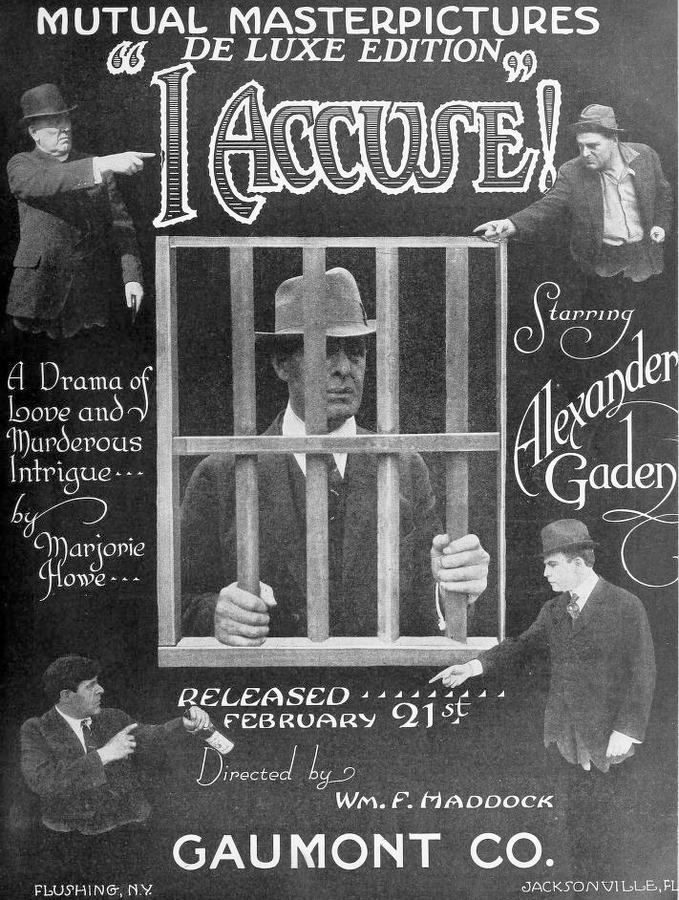
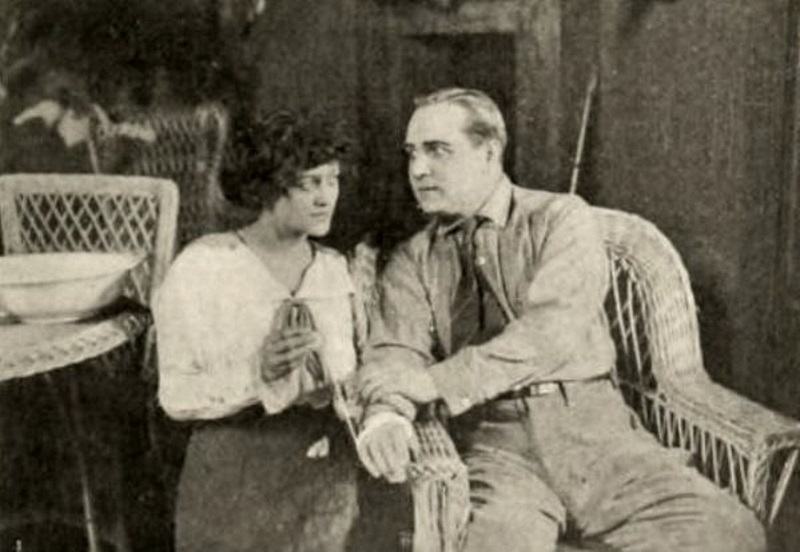
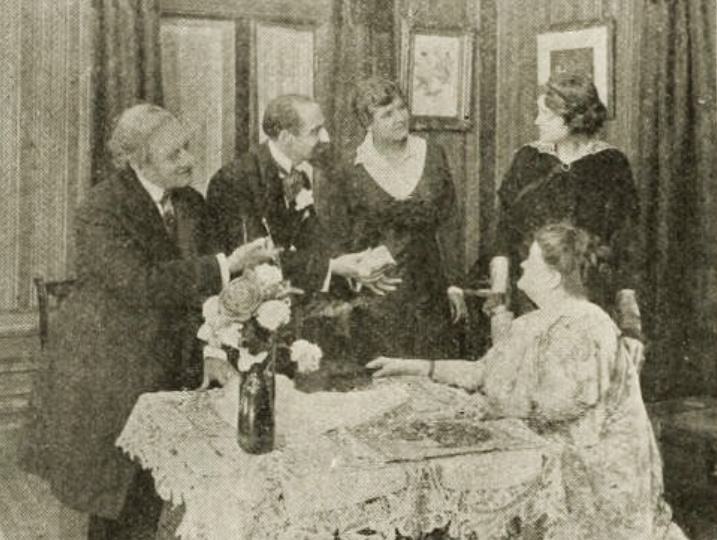
“I Accuse” masterfully constructs a labyrinthine narrative of small-town intrigue, where the idyllic facade of a community shatters under the weight of jealousy, pride, and a calculated act of vengeance. Robert Gray, a newly appointed judge, finds his burgeoning romance with Eloise Landman, daughter of the revered yet volatile Reverend Morgan Landman, entangled in a devastating web. A trivial slight—the Reverend’s impulsive dismissal of his coachman—becomes the fatal trigger for James Harrison, a spurned suitor with a hidden financial leverage over the Landman family. Consumed by unrequited love and a deep-seated grudge, James orchestrates a chilling frame-up, exploiting the disappearance of his ne'er-do-well brother, Luke, to accuse the Reverend of murder. Judge Gray, caught in an agonizing conflict between professional duty and personal loyalty, is compelled to preside over the case, ultimately delivering a verdict of manslaughter that condemns his future father-in-law and forces Eloise to postpone their marriage until her father's name is cleared. The subsequent years are marked by Eloise’s hardship, James’s descent into a guilt-ridden madness, and the unexpected reappearance of Luke, who, now out of prison for a minor offense and desperate for money, attempts to extort his brother. Luke’s own theatrical staging of his murder, intended to fleece James, inadvertently provides the crucial evidence that unravels the original deception. Judge Gray, guided by persistent old servants and his own unwavering quest for truth, unmasks Luke, exonerating both the Reverend and James from the murder charge, while simultaneously revealing James as the architect of the initial, malicious accusation. The film culminates in the Reverend’s triumphant reinstatement and the long-awaited, hard-earned union of Eloise and Judge Gray, a testament to enduring love and the ultimate triumph of justice over treachery.
Synopsis
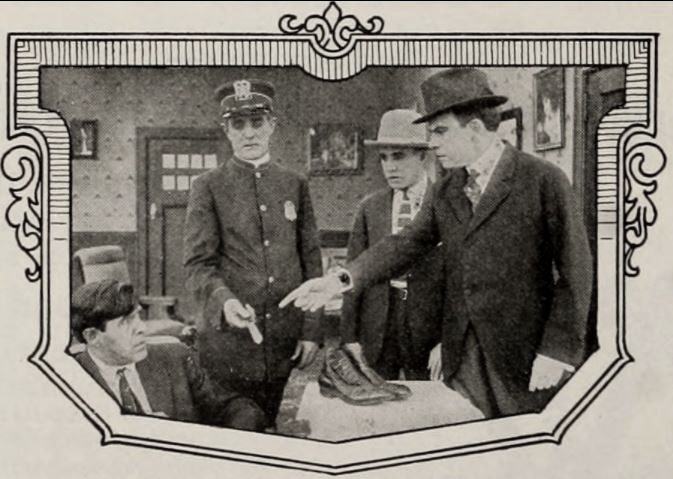
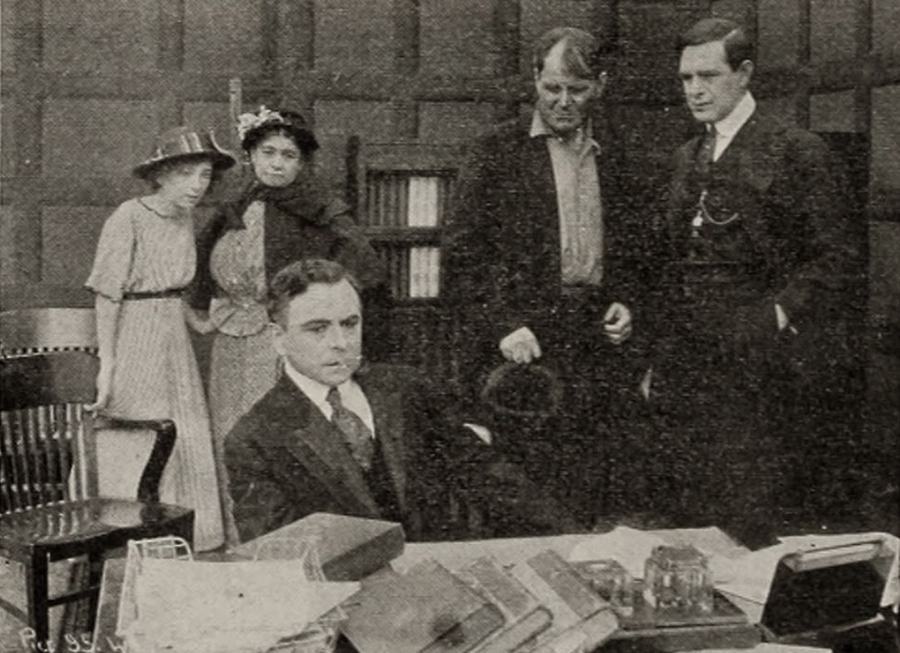
Robert Gray, a brilliant young lawyer, who has just been elevated to the bench, is greatly in love with Eloise, daughter of Reverend Morgan Landman, rector of the village church. Though well beloved by his flock, the rector has one failing, an ungovernable temper, which is evidenced when he discharges his coachman for a trivial offense. Unknown to anybody excepting the rector, Abel Harrison has a mortgage on the rector's home. James Harrison, the son is also in love with Eloise. When James proposes to Eloise she refuses him, and he taunts her with loving the judge, who has never asked for her love. The rector, coming on the scene, canes James. James induces his good-for-nothing brother Luke to take a job at the rector's left open by the discharge of the coachman. Emboldened by his successful career, the judge proposes to Eloise and is accepted. They are about to be married when James Harrison comes to the judge and demands the arrest of the rector on a charge of murder. James says that the rector murdered his brother Luke, and produces numerous witnesses with seemingly conclusive proof. Much against his will, the judge is forced to issue the warrant and hear the case. The rector is found guilty of manslaughter and given a long term by the judge. Meanwhile, in order not to hinder his career, Eloise refuses to marry the judge until her father is vindicated. James finds that he holds a mortgage on the Landman home, and turns Eloise and her brother Harold out of the house. Judge Gray tries to raise a loan to help Eloise, but the banker to whom he applies is the father of the girl. Alice Ward, whose advances the Judge had received coldly. She blocks the loan. Five years later, James Harrison, now a church warden, is haunted by memories of the rector. Thinking he sees the rector in his old pulpit he drops the collection plates and falls unconscious to the floor. The ordeal affects his mind and body. Meanwhile Luke, the good-for-nothing brother, is discharged from prison, where he has been serving a term for a minor offense. Luke is in the power of an evil man who demands money. Luke tries to raise money from his brother at whose house he is staying, concealing his identity from everybody, but his brother, James. Refused by James, Luke puts his room in disorder, leaving bloodstains everywhere, thus manufacturing evidence of a probable murder. The old servants take the story to Judge Gray, who orders the arrest of James Harrison, At the trial the jury failed to agree. The old servants came and asked the judge to go to the home where they were haunted by strange noises. The judge finds Luke Harrison there hiding in a closet. "It is Luke Harrison," cries the judge to Harold Landman, "Then your father and James Harrison are innocent men." The appearance of Luke in the flesh automatically brings about the release of the rector. His story causes the conviction of James Harrison. The rector is reinstated in his position in the church and in the hearts of his parishioners. Eloise and Judge Gray are married by the rector a few days later.
Review Excerpt
"
Stepping back into the nascent days of cinematic storytelling, one encounters films that, despite their technological limitations, wrestled with themes as profound and intricate as any modern drama. I Accuse, a compelling silent feature from 1916, stands as a testament to this enduring power, a narrative tapestry woven with threads of love, jealousy, moral quandary, and the relentless pursuit of truth. It's a film that demands our attention, not merely as a historical artifact, but..."