Summary
Ruth Colby, an autodidactic ingenue whose theatrical aspirations are fueled by the tenuous promises of a correspondence course, navigates the labyrinthine squalor of a Manhattan boardinghouse. Her trajectory intersects with Jack Martin, a scion of wealth cast into the purgatory of dissolution by his philanthropic but rigid mother. Their union, sanctioned by a derelict magistrate, serves as the catalyst for a narrative of abandonment and social friction. Upon Ruth’s return from a grueling peripatetic tour through the provincial backwaters of the American stage, she finds herself entangled with the elder Mrs. Martin, an aristocratic matriarch whose initial benevolence toward the girl curdles into classist vitriol upon discovering Ruth's matrimonial claim to her son. The ensuing drama is a crucible of character reformation, where Ruth’s resilient spirit and moral fortitude ultimately bridge the chasm between the proscenium and the parlor, forcing a reconciliation that transcends the rigid social stratifications of the early 20th century.
Synopsis
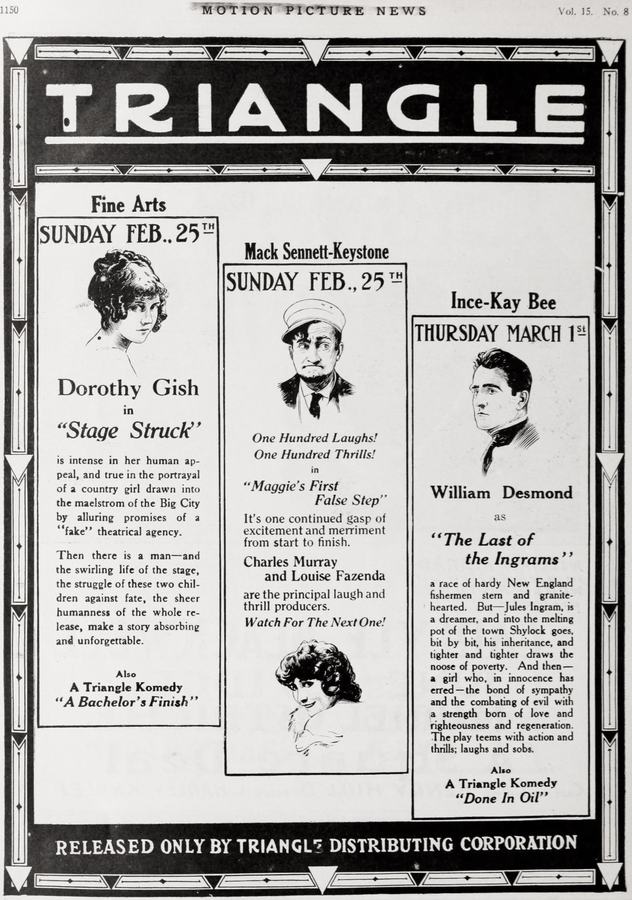
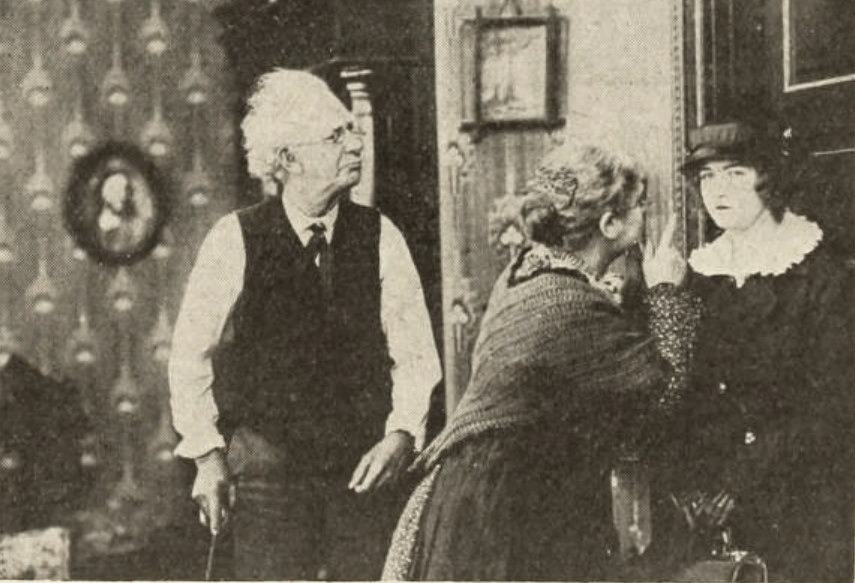
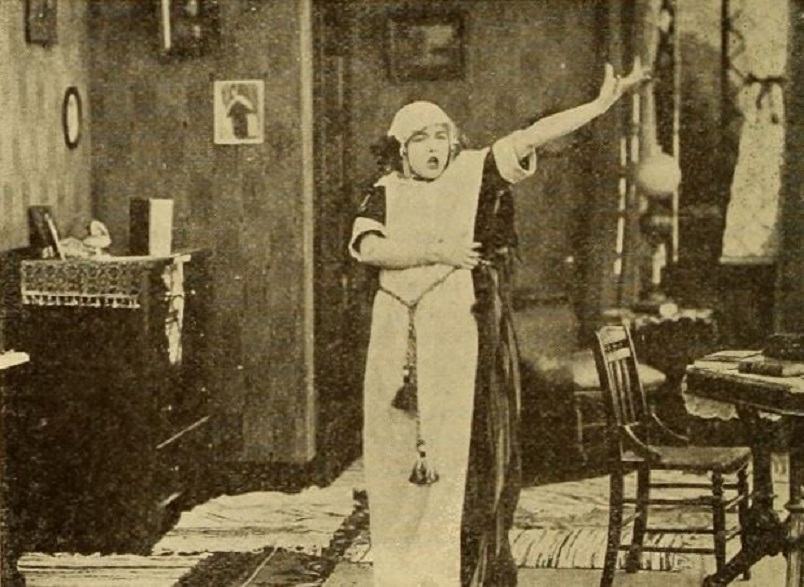
In a garish theatrical boardinghouse in New York, orphan Ruth Colby (Dorothy Gish), who taught herself to be an actress through a correspondence course, turns for companionship to Jack Martin, the dissolute cast-off son of wealthy philanthropist Mrs. Martin. The two young people fall in love and are married by "the judge," a derelict Justice of the Peace. Shortly thereafter, Ruth leaves on a dreadful theatrical tour. When she returns she finds the boardinghouse closed and Jack gone. She is then befriended by Mrs. Martin, who is indignant that Ruth has been deserted by her husband. However, when Jack and Ruth are reunited and Mrs. Martin learns that the girl's missing husband is none other than her son, the dowager is mortified by the fact that her son has married a commoner and seeks to have the marriage annulled. When Ruth reforms Jack, turning him into an upstanding young man, however, Mrs. Morgan accepts Ruth as her daughter-in-law and all ends happily.
Review Excerpt
"
In the flickering chiaroscuro of the silent era, few figures possess the kinetic vibrancy of Dorothy Gish. While her sister Lillian was the vessel for high-register pathos, Dorothy was the pulse of the proletariat, the effervescent spirit of the common girl with uncommon dreams.
The Proletarian Dream: Correspondence and Craft
Stage Struck (1917) is not merely a film about the theater; it is a meditation on the democratization of ambition. Ruth Colby, portra..."