DbcultAccessing Vault...
5.2/10
Senior Film Conservator
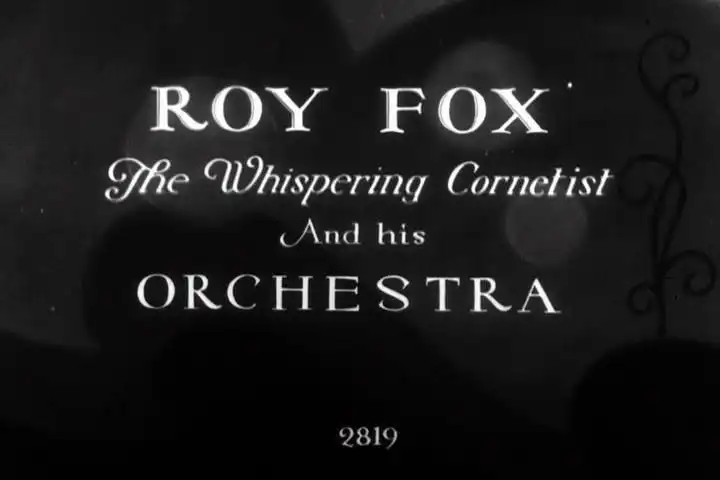
A definitive 5.2/10 rating for a film that redefined the boundaries of cult cinema. Roy Fox, the Whispering Cornetist, and His Orchestra remains a cornerstone of transgressive art.
Is Roy Fox, the Whispering Cornetist, and His Orchestra worth watching today? Honestly, for most folks? Probably not. If you're looking for a thrilling narrative or even just some big, flashy musical numbers, you'll be bored stiff. But if you have even a tiny curiosity about early sound film, or just love the idea of peeking into a forgotten corner of music history, then yeah, pull up a chair. It’s a neat little time capsule, but definitely not for everyone. 🎶
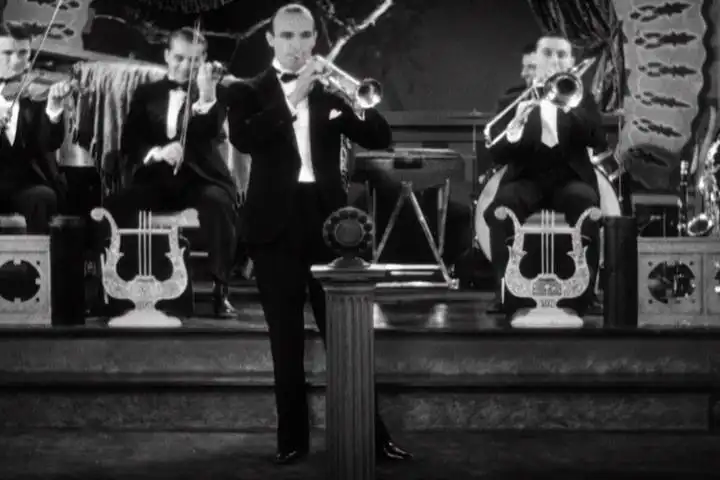
This little short, it’s basically just what it says on the tin: Roy Fox and his orchestra performing three songs from the Warner Bros. studios. No real plot to speak of, just a straight-up musical broadcast. It's really more of an artefact than a movie, you know?
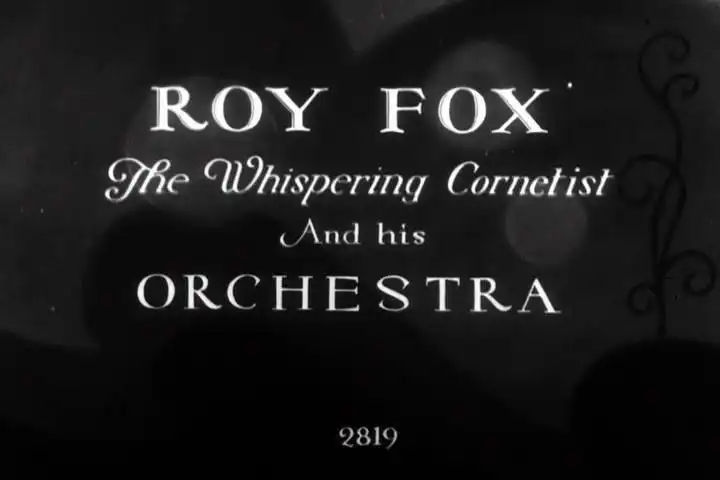
The whole "Whispering Cornetist" thing is what really caught my ear. You expect this big, brassy sound from a cornet, right? But Fox's playing is surprisingly understated. It's almost like he’s trying to be polite, keeping things mellow. It’s a very specific vibe, quite different from the loud, often frantic energy you get from some other early jazz or swing bands.
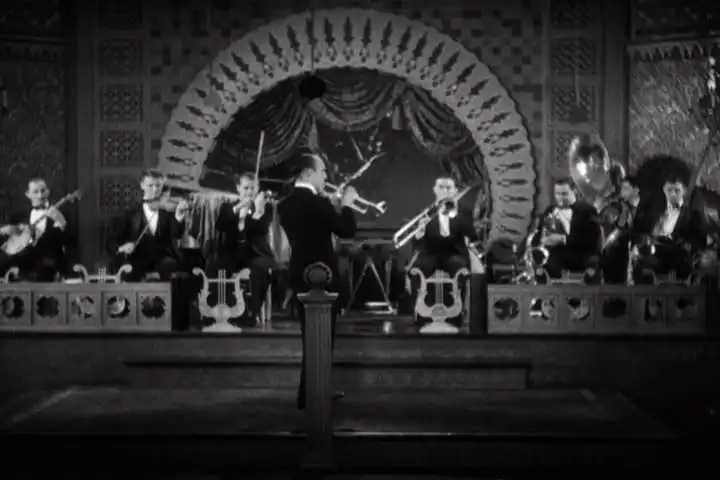
The first number, "Sally Of My Dreams," feels like something you'd hear at a quiet dance hall. It’s got this sweet, gentle melody. You can almost picture couples swaying slowly, not doing anything too wild. The orchestra itself looks pretty standard for the era, everyone in their spots, just playing.
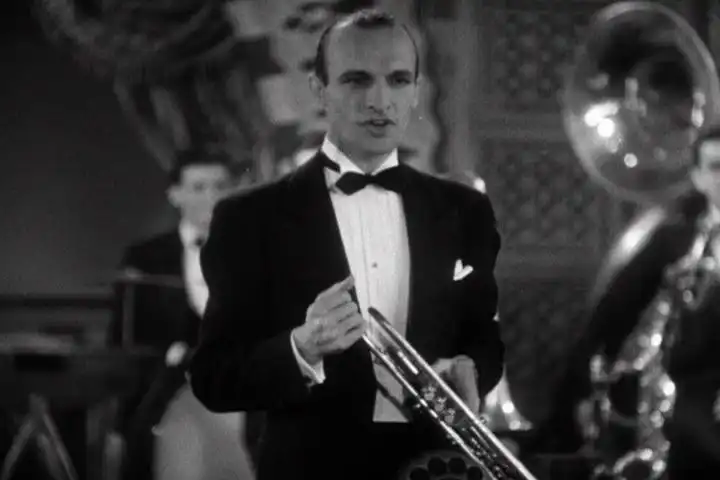
Then there’s "My Window of Dreams." This one is even more on the sentimental side. It really highlights that "whispering" quality. The cornet isn't blasting; it's more like a quiet conversation, a soft, sustained note that hangs in the air. Murray Roth, who’s listed in the cast, I think he’s the vocalist on this one, or maybe introduces them. His delivery is clean, very much of the period. No crazy vocal acrobatics, just a smooth, clear voice.
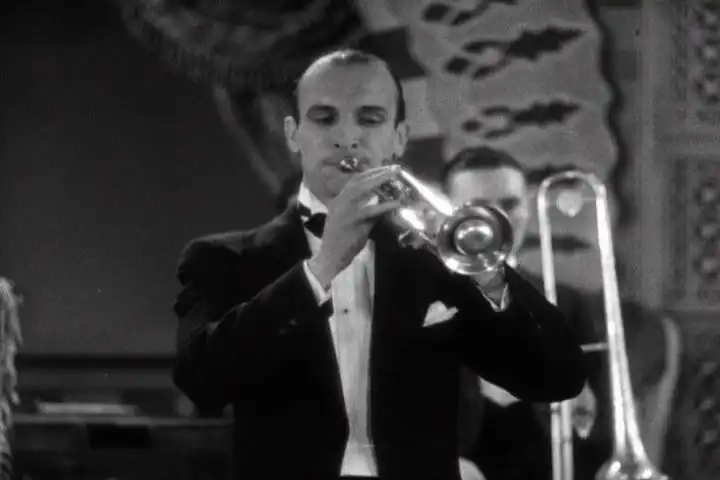
The staging itself is super basic. A few potted plants, maybe a backdrop that vaguely suggests a fancy ballroom. No big costume changes or elaborate sets. It's just about the music. This makes it feel very immediate, like you're actually just tuning into a radio broadcast that happens to have pictures.
The final tune, "Louisiana," picks up the pace just a tiny bit. It’s still got that gentle quality, but there's a little more bounce to it. It makes you wonder how much of their live performances had this same restrained feel, or if it was just for the cameras and microphones of the time. You can almost feel the limitations of early sound recording shaping how they played. Like they didn't want to blow out the mics. 🎤
One detail that sticks with you: the way the camera just sits there. It barely moves. You're just watching the musicians, static, playing their hearts out. It’s a far cry from today's quick cuts and dynamic angles. You really get a sense of the technology dictating the art, and that’s kinda fascinating in its own way.
So, should you watch it? If you're into the history of sound recording, or have a soft spot for really, really old big band music, then absolutely. It's a short, sweet look at how things were done. If you're expecting anything more than that, well, you’ve been warned. It’s charming in its simplicity, but it’s definitely a niche enjoyment. ✨
Community
Log in to comment.