DbcultAccessing Vault...
Cult Review
Senior Film Conservator
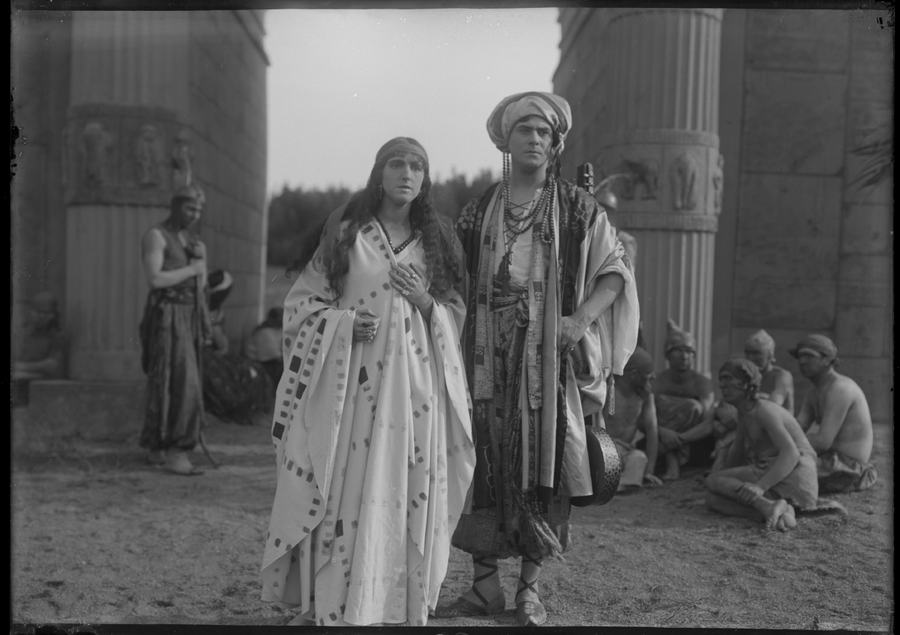
Stepping back into the annals of cinematic history, one occasionally unearths a gem whose luster, though perhaps dimmed by the passage of time, still possesses an undeniable, captivating glow. Jungeldrottningens smycke, a Swedish production from 1918, is precisely such an artifact. Directed by the prolific Fritz Magnussen, this film transports us to a world of exotic locales, royal intrigue, and a quest for a mystical object, all rendered with the distinctive artistry of the silent era. It’s a narrative that, even today, speaks to universal themes of leadership, trust, and the profound significance of cultural heritage, wrapped in an adventurous package that must have thrilled audiences of its time. For those accustomed to the rapid-fire editing and sophisticated CGI of modern blockbusters, engaging with a silent film like this requires a recalibration of expectations, an embrace of its unique rhythms and visual storytelling techniques. Yet, once attuned, the rewards are considerable, offering a window into the narrative prowess and emotional depth achieved by early filmmakers.
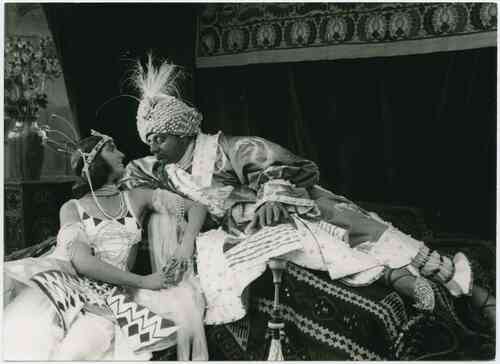
The film introduces us to Princess Lara Rispala, portrayed with a compelling blend of grace and resolute determination by Gabo Falk. Lara is no mere figurehead; she is the driving force behind Leskapur’s resurgence, a monarch who has, through sheer will and sagacious governance, elevated her kingdom to a zenith of prosperity. Her character is a fascinating study in early cinematic heroism, embodying a strength that transcends traditional gender roles for the period. We witness her as a leader deeply invested in the welfare of her people, a ruler whose authority is not merely inherited but earned through her actions and vision. This portrayal of a strong female protagonist, particularly in a period when such depictions were still evolving, offers a rich field for analysis. Falk’s performance, relying solely on expression and physicality, conveys Lara’s intelligence and her profound sense of responsibility with remarkable clarity, an absolute testament to the power of silent acting.
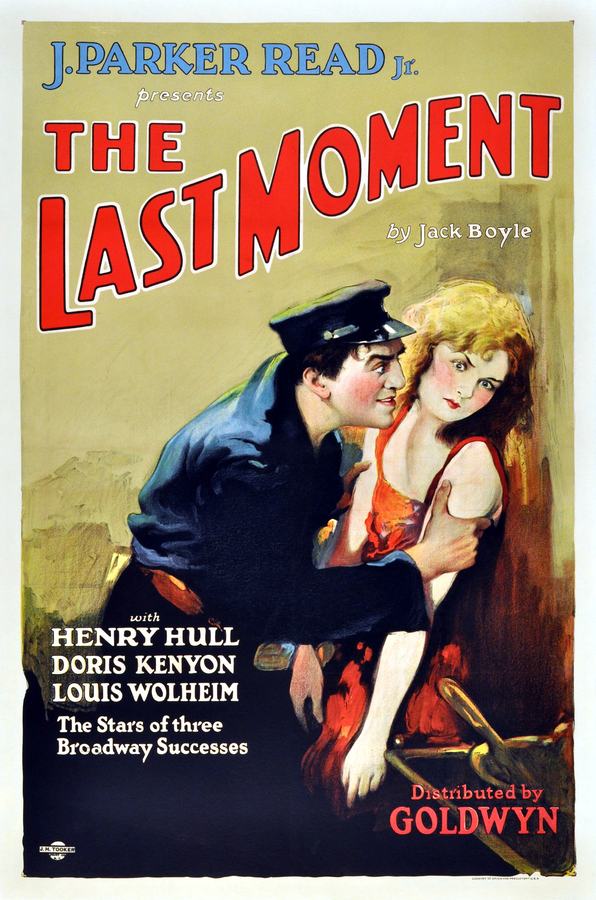
The narrative’s central catalyst is the disappearance of the ‘Sun Mirror,’ an object far more than a mere piece of jewelry. It is the sacred emblem of Leskapur’s royal lineage, a potent symbol of its dignity and the very security of the ancient monarchy. Its loss is not just a theft; it is an existential threat, a spiritual wound inflicted upon the kingdom. The film masterfully imbues this mirror with a symbolic weight that elevates the plot beyond a simple treasure hunt. It represents the collective memory of a people, their identity, and their faith in their leadership. The desperation that grips Lara and her court upon its disappearance is palpable, a silent scream of impending chaos. Magnussen, through his direction, ensures that the audience understands the profound implications of this loss, making the quest for its retrieval a journey not just for an object, but for the very soul of Leskapur. This focus on a pivotal, symbolic artifact can draw parallels to the core dramatic tension found in films like The Stolen Paradise, where a lost or taken element represents a profound disruption of a cherished state, be it innocence or stability. Both narratives hinge on the arduous journey to reclaim what was unjustly taken, and in doing so, restore a lost equilibrium.
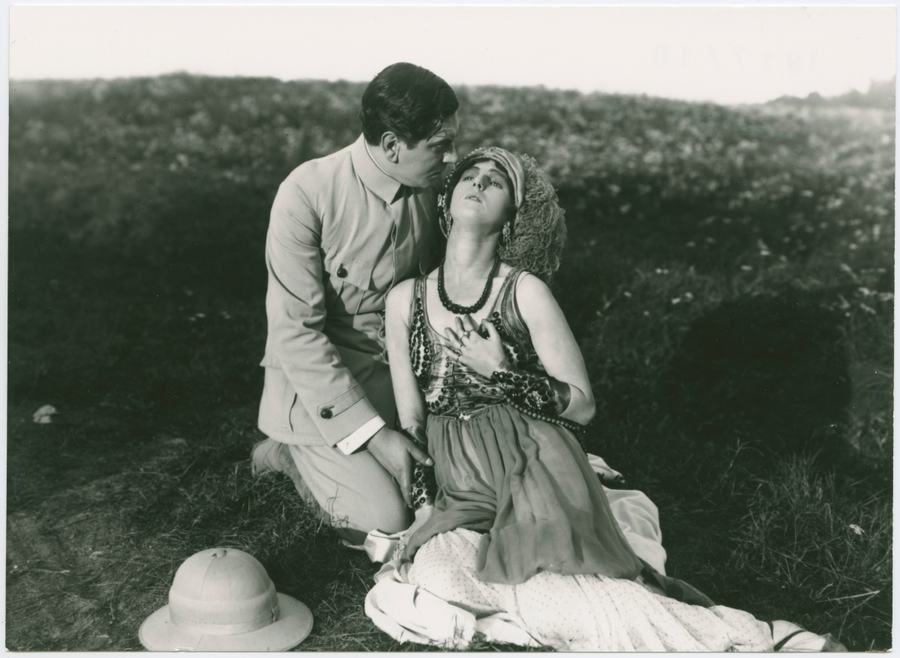
In her hour of need, Princess Lara confides in Rudolf Corvin, played by Richard Lund. Corvin, a European engineer, serves as her trusted confidant, a voice of reason and practical ingenuity in a world often guided by tradition and mysticism. His presence introduces a fascinating dynamic: the pragmatic, scientific mind collaborating with the intuitive, emotionally driven monarch. This juxtaposition is crucial, highlighting the film’s subtle exploration of modernity encroaching upon ancient customs. Corvin represents the potential for progress and rational problem-solving, a counterpoint to the more mystical elements of the narrative. Lund’s portrayal likely emphasizes his character’s loyalty and intellectual prowess, making him an invaluable ally. The bond between Lara and Corvin, built on mutual respect and shared purpose, forms the emotional bedrock of their perilous expedition. Their reliance on each other underscores a broader theme – that even the most formidable leaders require counsel and companionship, particularly when faced with overwhelming adversity. This partnership, bridging different worlds, is a subtle but powerful commentary on the necessity of diverse perspectives in leadership.
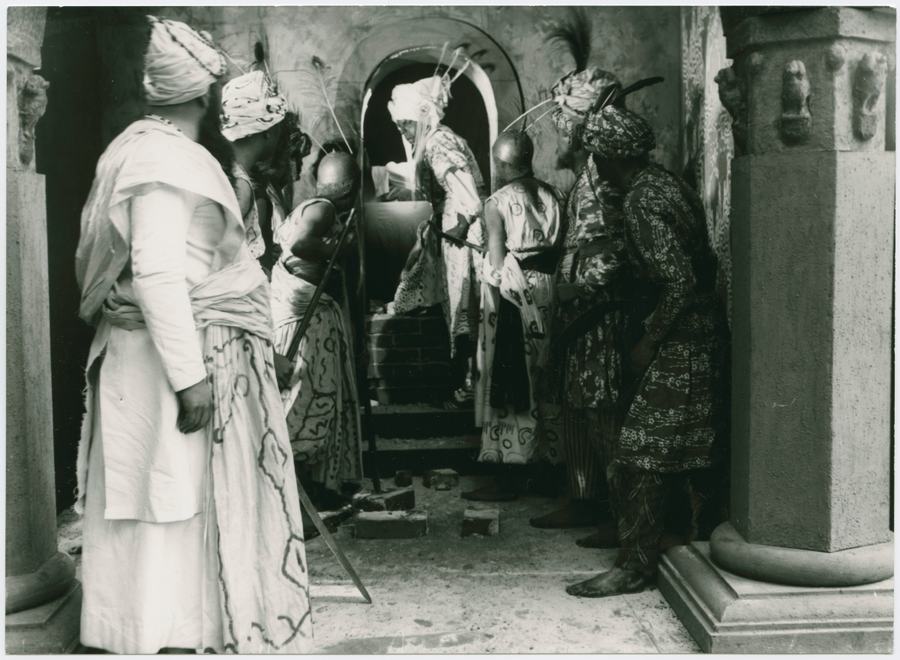
The journey to reclaim the Sun Mirror leads Lara and Rudolf to the enigmatic fakir Rahu, portrayed by John Ekman. Rahu is not merely a plot device; he is the embodiment of the mystical East, a figure of profound spiritual power. His ability to 'read out all the secrets of the universe in his well' introduces a supernatural element that enriches the narrative’s texture. This reliance on a mystical seer for crucial information is a common trope in adventure stories, yet in Jungeldrottningens smycke, it feels organically integrated, a natural extension of the exotic setting. Ekman’s performance, even through the lens of silent cinema, must convey the fakir’s otherworldly wisdom and his detached yet potent influence. The scene at Rahu’s well, where the secrets of the universe are unveiled, would have been a visual spectacle, an opportunity for Magnussen to employ innovative cinematic techniques to depict the supernatural. It’s a moment that bridges the mundane with the magical, propelling the plot forward with a sense of destiny and ancient power. The inclusion of such a powerful, almost omniscient figure like Rahu is reminiscent of the guiding, often spiritual, forces found in other narratives of profound decision-making, perhaps even echoing the moral compass or fateful intervention seen in films like The Power of Decision, where crucial choices are often influenced by forces beyond the immediate and tangible.
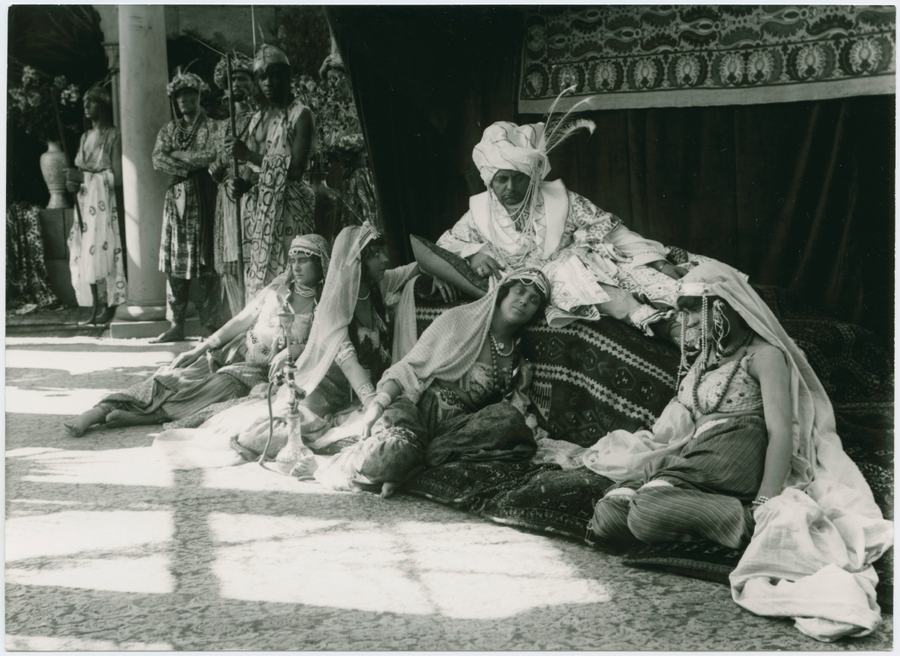
The revelation from Rahu’s well points to the prince of the neighboring kingdom of Valpur as the thief. This antagonist, while perhaps not fully fleshed out in the provided synopsis, serves as a crucial foil to Princess Lara. His act of theft is not merely criminal; it is an act of aggression, a challenge to Leskapur’s sovereignty and Lara’s leadership. The conflict between Leskapur and Valpur, symbolized by the stolen mirror, transcends personal animosity to become a struggle between nations, a clash of wills and power dynamics. The prince’s motivations, whether greed, envy, or a desire for regional dominance, would have been communicated through subtle gestures and expressions, characteristic of silent film acting. This external threat galvanizes Lara’s resolve, transforming her from a leader of prosperity into a warrior-queen, prepared to defend her kingdom’s honor and future. The unfolding drama would likely involve elements of espionage, pursuit, and perhaps even direct confrontation, building towards a climactic resolution that reaffirms the rightful order.
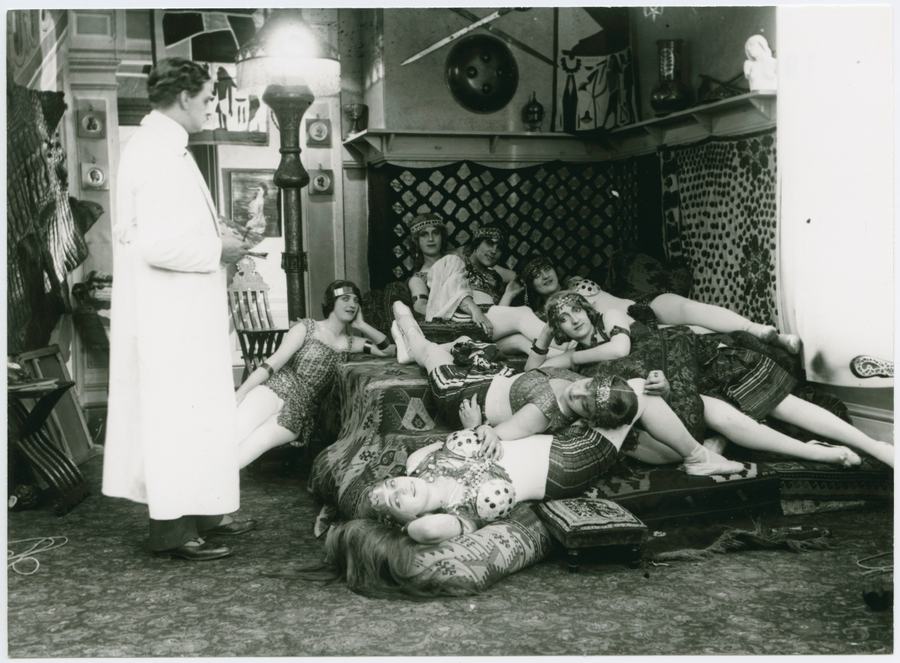
Fritz Magnussen's direction, typical of the era, would have emphasized clear visual storytelling, relying on elaborate sets, expressive gestures, and intertitles to convey dialogue and internal thoughts. The film’s title, Jungeldrottningens smycke (The Jungle Queen's Jewel), evokes a sense of exotic adventure, suggesting lush, perhaps even perilous, environments. This would have given Magnussen ample opportunity for grand cinematography, utilizing landscape to enhance the narrative’s epic scope. The casting of seasoned actors like John Ekman and Richard Lund, alongside Gabo Falk and William Larsson, speaks to the caliber of talent involved in bringing this ambitious story to life. Their performances would have been finely tuned for the silent screen, where every glance, every movement, carried significant weight and meaning. The acting style of the period, often perceived as melodramatic by modern viewers, was in fact a highly refined art form, designed to communicate complex emotions without the benefit of spoken words. It required a unique blend of theatricality and nuanced expression, a challenge these performers clearly embraced.
Thematic resonance within Jungeldrottningens smycke extends beyond the immediate plot. It explores the fragility of peace and the constant vigilance required to maintain a kingdom’s stability. Lara’s journey is not just about retrieving an object; it’s about reaffirming her authority, proving her resilience, and securing her people’s future. The film touches upon the delicate balance between tradition and progress, as seen in the contrasting figures of Rahu and Corvin. It also delves into the nature of trust and betrayal, pivotal elements in any tale of political intrigue. The 'jungle' aspect implied by the title might also suggest a metaphorical wilderness, a realm of untamed passions and hidden dangers that Lara must navigate, both externally in her quest and internally in her leadership. The film, in its essence, is a commentary on the burdens of leadership and the profound responsibility that comes with wielding power, even when faced with seemingly insurmountable odds. This exploration of the trials of leadership and the weight of responsibility for one's people resonates with the struggles often depicted in other historical or social dramas of the era, such as The Melting Pot, which, while focusing on societal integration, nonetheless explores the profound impact of individual actions on the collective fate.
Considering the era of its production, Jungeldrottningens smycke likely represents a significant undertaking, showcasing the burgeoning capabilities of Swedish cinema at the time. The choice of an exotic, perhaps even fantastical, setting allowed for lavish production design and costuming, elements that would have greatly contributed to the film’s immersive quality. The visual spectacle, devoid of sound, had to carry the entire weight of the narrative, and early filmmakers were remarkably adept at this. One can imagine the elaborate sets depicting Leskapur’s royal court, the mysterious dwelling of Fakir Rahu, and the contrasting opulence or starkness of Valpur. These visual cues were instrumental in establishing character, mood, and narrative progression. The use of lighting, particularly, would have been crucial in creating atmosphere – from the bright, hopeful scenes in Leskapur to the shadowy, suspenseful moments of Rahu’s divination. The film’s ability to transport its audience to a different world, to evoke strong emotions purely through visual means, is a testament to the artistry and ingenuity of silent film practitioners.
The legacy of films like Jungeldrottningens smycke lies not just in their historical significance, but in their enduring capacity to tell compelling stories. While specific details of its reception and critical acclaim from 1918 may be elusive, the very existence of such a richly plotted and thematically complex film speaks volumes about the ambition of its creators. It’s a reminder that cinematic storytelling, in its nascent stages, was already grappling with grand narratives, complex characters, and profound societal questions. The film, in its depiction of a young princess fighting to restore her kingdom's honor, offers a timeless tale of courage and resilience. It invites us to appreciate the subtle power of silent acting, the evocative beauty of early cinematography, and the foundational role these films played in shaping the language of cinema. For enthusiasts of early cinema, uncovering and appreciating such works is akin to discovering a forgotten masterpiece, a vital piece of the puzzle that forms our understanding of film history. It reinforces the idea that compelling narratives and captivating characters are not exclusive to modern filmmaking but are deeply rooted in the very origins of the art form, enduring through generations and technological shifts. The silent era, often overlooked, was a crucible of innovation, where directors like Magnussen experimented with visual language, narrative pacing, and emotional resonance in ways that continue to influence cinema today. This film, with its potent symbolism and adventurous spirit, undoubtedly contributed to that rich legacy.
The journey of Princess Lara, from a benevolent ruler to a determined seeker of justice, encapsulates a timeless heroic arc. Her reliance on both the practical intellect of Rudolf and the mystical guidance of Rahu speaks to a holistic approach to problem-solving – a blending of the empirical and the ethereal. This duality mirrors the human experience itself, where logic often intertwines with faith or intuition to navigate life’s labyrinthine challenges. The film's depiction of a kingdom's soul, embodied in a tangible artifact, offers a poignant reflection on the value we place on symbols and heritage. In an increasingly globalized world, where cultural identities are constantly shifting, such narratives serve as powerful reminders of the importance of preserving one's history and defending one's legacy. Jungeldrottningens smycke, therefore, is more than just an early adventure film; it is a meditation on identity, power, and the enduring human spirit in the face of adversity. Its narrative structure, though adhering to the conventions of its time, still holds a powerful resonance, proving that a well-crafted story, told with conviction, transcends the limitations of its medium and era. It stands as a testament to the universal appeal of a hero's quest, especially when that hero is a compelling and intelligent woman fighting for her people.
IMDb —
1923
Community
Log in to comment.