DbcultAccessing Vault...
5.9/10
Senior Film Conservator
A definitive 5.9/10 rating for a film that redefined the boundaries of cult cinema. Rupert of Hee Haw remains a cornerstone of transgressive art.
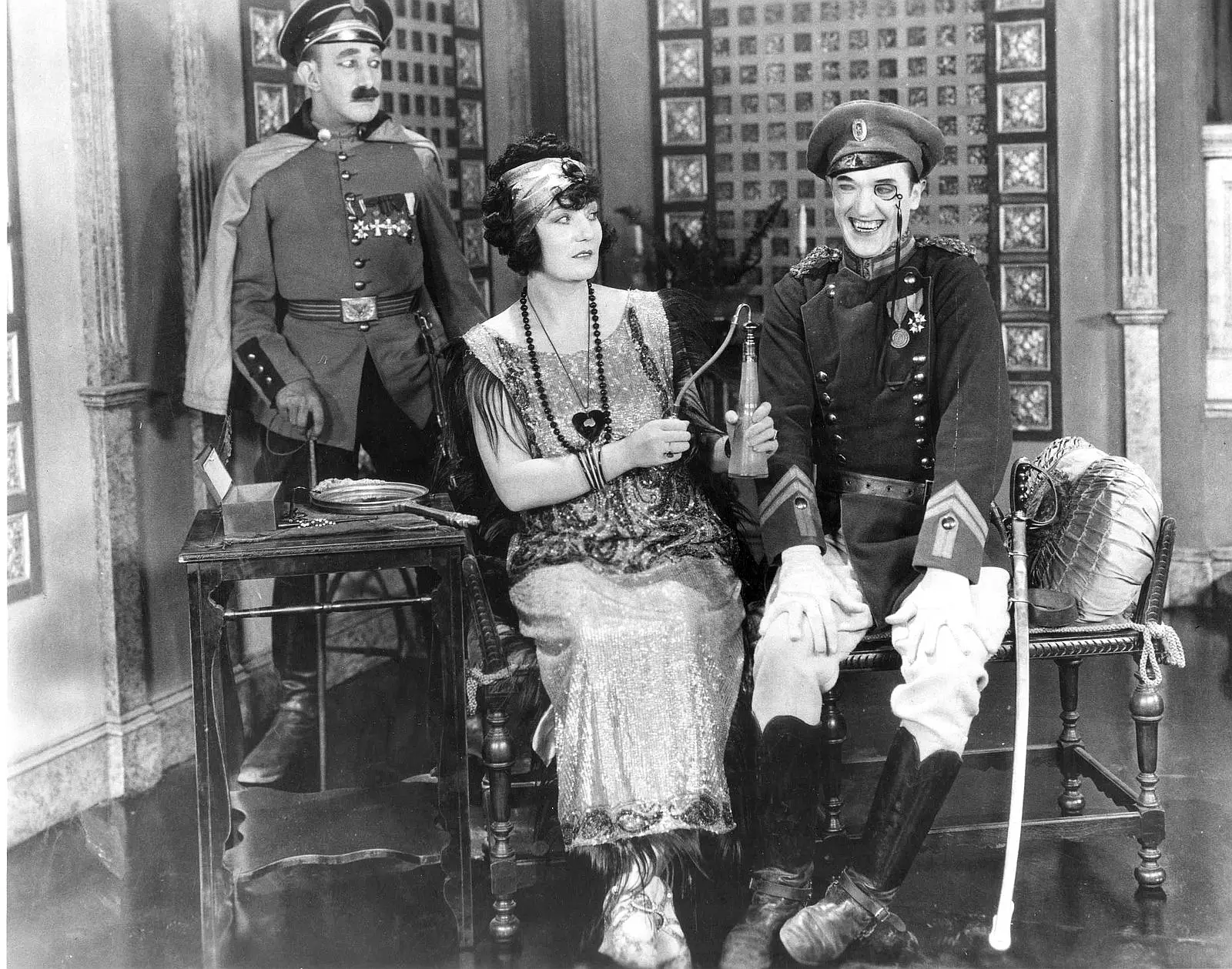
Stepping back into the raucous, often anarchic world of early 20th-century silent cinema, one encounters a peculiar delight in Rupert of Hee Haw. This film, a spirited spoof of the then-popular swashbuckling adventures, particularly the dramatic 'RUPERT OF HENTZAU', offers a vivid snapshot of Stan Laurel's burgeoning comedic genius long before his legendary partnership with Oliver Hardy. Directed by Scott Pembroke, who often adopted the whimsical pseudonym 'Percy' during this prolific period, the picture is a relentless cascade of physical comedy, a testament to the era's uninhibited approach to laughter. It’s a film that doesn't just poke fun at its source material; it gleefully dismantles it, brick by farcical brick, leaving behind a delightful rubble of gags and pratfalls. The sheer audacity of its premise – taking a grand romantic adventure and turning it into a playground for banana peels and ill-fitting costumes – speaks volumes about the creative spirit of silent-era filmmakers and their understanding of audience desires for pure, unadulterated escapism through humor.
Laurel, even in these early solo efforts, displays the foundational elements of the persona that would later captivate millions: a bewildered innocence, a propensity for accidental chaos, and an uncanny ability to turn misfortune into a meticulously choreographed dance of disaster. His character in Rupert of Hee Haw is less a hero and more a human catalyst for calamity, a man whose very presence seems to unravel the fabric of aristocratic decorum. He doesn't merely slip; he executes a balletic, multi-stage descent into indignity. He doesn't just fumble a sword; he transforms a duel into a calamitous mime act. This particular brand of physical humor distinguishes him from contemporaries like Charlie Chaplin, whose Tramp often carried a melancholic undercurrent, or Buster Keaton, whose stoicism masked an almost superhuman grace. Laurel's comedy is often rooted in a simpler, more direct form of absurdity, a wide-eyed bewilderment at a world that seems perpetually out to get him, or perhaps, that he is perpetually out to disrupt, albeit unintentionally. The film, therefore, serves as a crucial artifact in understanding the evolution of one of cinema's most iconic comedic talents, showcasing his command over the physical idiom of silent performance.
The directorial hand of Scott Pembroke, alias 'Percy', is evident in the film's brisk pacing and the clever staging of its numerous gags. Pembroke was a prolific director in the silent era, often helming shorts that capitalized on popular trends and comedic talent. Here, he demonstrates a keen understanding of slapstick's mechanics, ensuring that each banana peel incident, every ridiculous sword fight, and all the ensuing costume malfunctions are timed for maximum comedic impact. His camera work, while not overtly flashy, is functional and effective, always positioning the audience to appreciate the full scope of Laurel's physical comedy. The palatial sets, far from being mere backdrops, become integral players in the comedic drama. Their grandeur is continuously undermined by the lowbrow antics unfolding within them, creating a delightful juxtaposition that amplifies the humor. Pembroke masterfully uses the expansive spaces for chase sequences and intricate physical interactions, transforming stately halls into arenas for comic battle. This attention to detail, from the environmental design to the performers' reactions, elevates what could have been a series of isolated gags into a cohesive, laugh-out-loud experience.
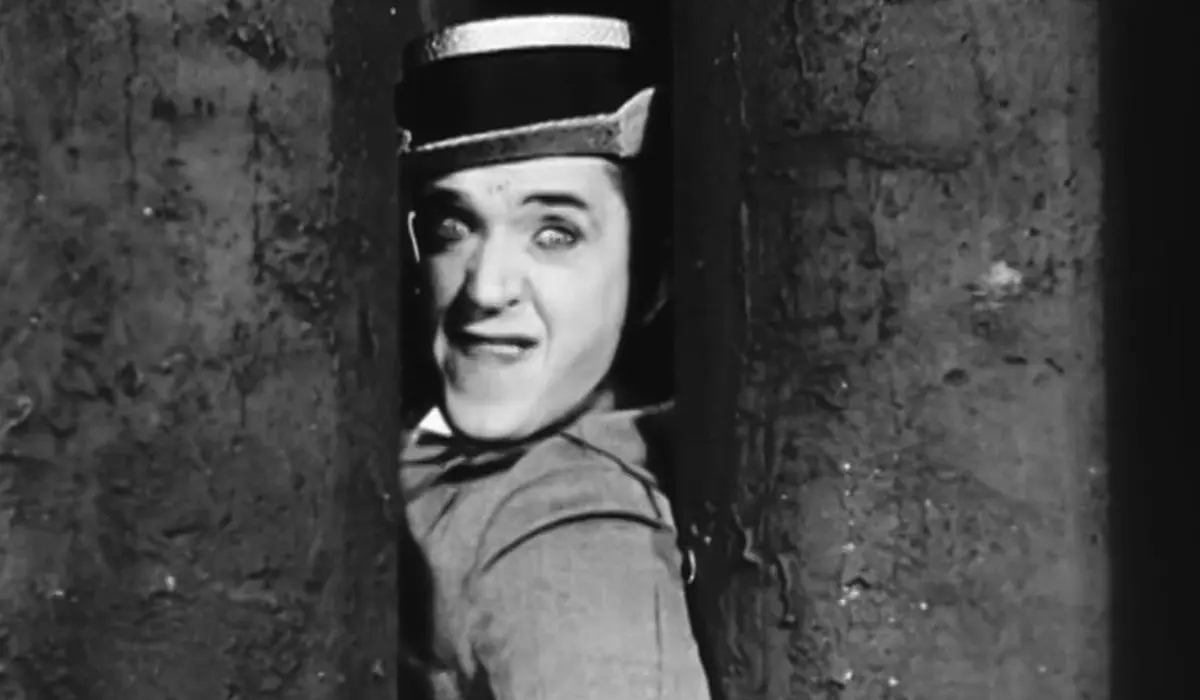
Let's delve deeper into the specific comedic elements that define Rupert of Hee Haw. The ubiquitous banana peel, a veritable icon of silent comedy, is deployed with an almost philosophical regularity. It's not just a prop; it's a statement, a democratic equalizer that brings down the mighty and the meek alike. Laurel's encounters with these treacherous peels are less about simple falls and more about elaborate, multi-stage tumbles that defy gravity and logic. Each slip becomes a meticulously choreographed sequence of flailing limbs, wide-eyed surprise, and inevitable, often spectacular, impact. This isn't just a simple gag; it's a repeated motif that reinforces the film's central theme of subverting expectations and dismantling pomposity. The predictability of the banana peel is itself part of the humor, allowing the audience to anticipate the impending disaster with a knowing chuckle, only to be surprised by the particular, inventive way Laurel executes his fall.
Then there's the 'silly swordplay'. In a direct parody of heroic duels, the film transforms elegant fencing into a chaotic ballet of ineptitude. Swords clang not with dramatic flourish, but with comical clumsiness. Laurel's character, presumably meant to engage in a heroic confrontation, instead bumbles his way through exchanges that are more akin to a clumsy dance than a fight to the death. Opponents are disarmed not by skill, but by sheer accident or unexpected pratfalls. This subversion of a classic action trope is brilliantly executed, highlighting the absurdity of the grand gestures often associated with swashbuckling cinema. The comedic effect is amplified by the contrast between the serious intent of a duel and the utter incompetence displayed, turning moments of supposed tension into bursts of laughter. It's a clever way to comment on the conventions of the adventure genre, showcasing how easily the heroic can be rendered ludicrous with a slight shift in perspective and a generous dose of physical comedy.
And of course, the 'costume malfunctions'. The elaborate, often restrictive attire of period dramas provides fertile ground for physical comedy, and Rupert of Hee Haw exploits this to its fullest. Capes get tangled, trousers rip, hats fly off, and wigs go askew, all at the most inconvenient and embarrassing moments. These aren't just random mishaps; they're integral to the character's plight and the film's comedic rhythm. The dignity of the setting and the characters is constantly undermined by these sartorial disasters, which serve as visual punchlines, further stripping away any pretense of seriousness. The humor here lies in the disruption of expectation: the regal becomes ridiculous, the stately becomes silly. It's a subtle yet effective way to reinforce the film's parodic nature, using the very elements that define its target genre against itself. The meticulous construction of these gags, from their setup to their payoff, is a testament to the collaborative genius of the performers and director in crafting an experience that resonates with pure, unadulterated hilarity.
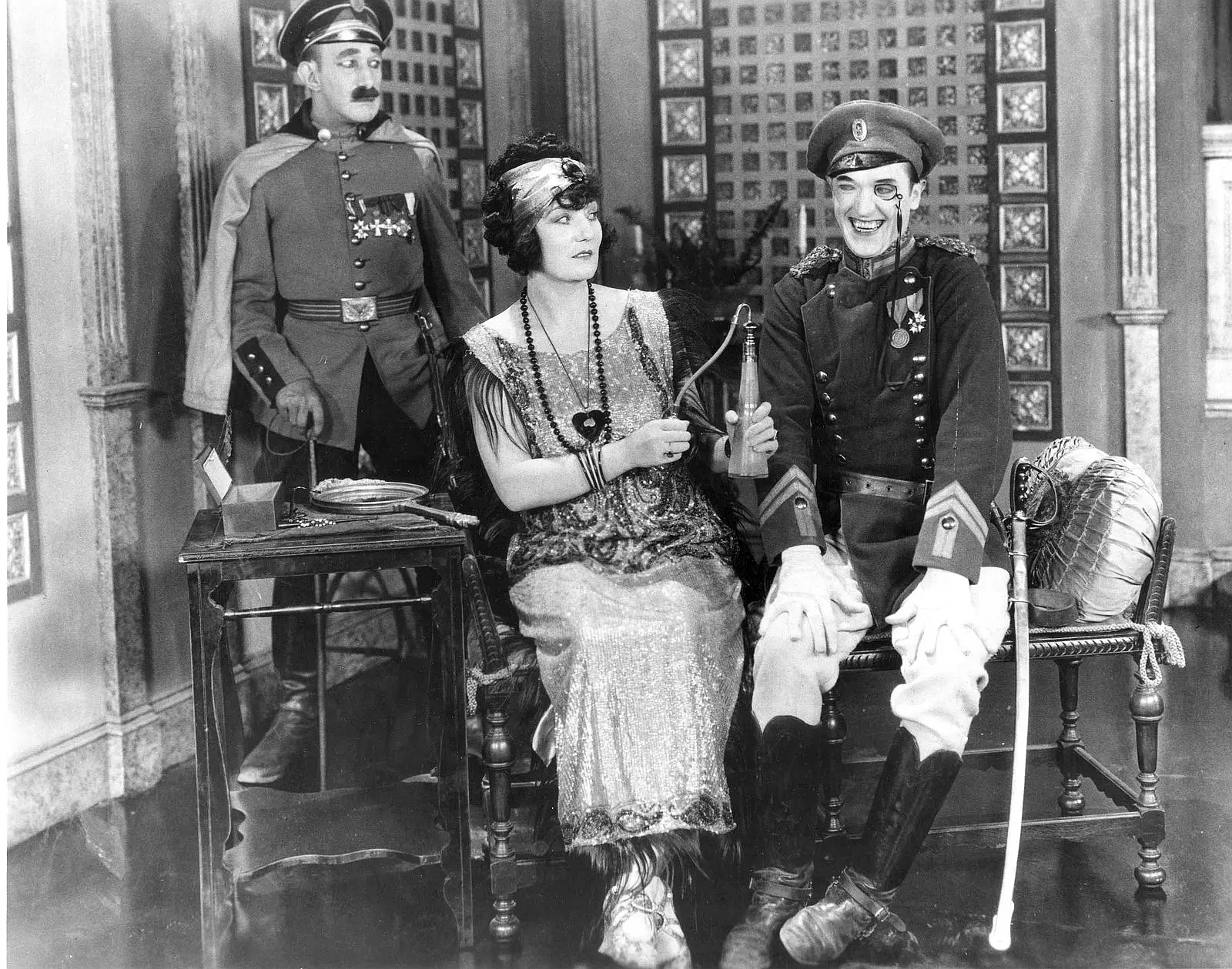
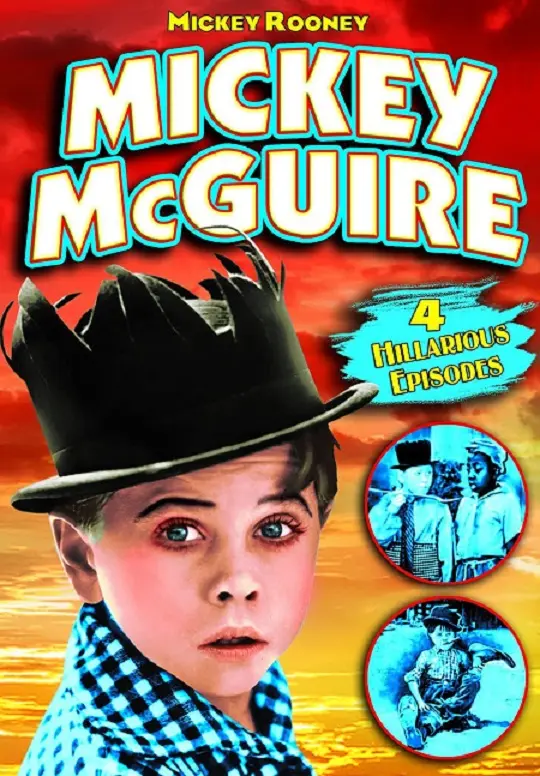
The ensemble cast, though often overshadowed by Laurel's singular performance, contributes significantly to the film's vibrant comedic tapestry. Mae Laurel, Stan's first wife, often appeared in his early shorts, providing a grounded presence against his more frantic antics. Joe Cobb, Jackie Condon, and Mickey Daniels, all familiar faces from the 'Our Gang' comedies, bring their youthful energy, while seasoned performers like George Rowe, Jack Gavin, and Ernest Morrison lend their experience to the various roles, often playing the bewildered or exasperated foils to Laurel's character. The sheer number of supporting players listed – including Irene, Irene Lentz, Gary Horton, 'Tonnage' Martin Wolfkeil, Mary Kornman, Al Forbes, Dick Gilbert, Eddie Baker, Al Ochs, Sammy Brooks, Harry Bayfield, Ena Gregory, Alita Cruze, Pierre Couderc, Billy Engle, James Finlayson, Jack Ackroyd, and Charles Lloyd – speaks to the bustling, collaborative nature of silent film production, where even small roles were essential in building the chaotic world of the film. Each reaction shot, each exasperated glance, each clumsy interaction from these actors adds another layer to the comedic environment, making Laurel's performance even more impactful. They are not merely background players; they are the necessary ingredients that allow Laurel's unique brand of comedy to truly shine.
H.M. Walker, credited as the writer, deserves recognition for crafting the scenarios that allowed such comedic brilliance to unfold. In the silent era, writers often provided detailed outlines or 'continuity scripts' rather than full dialogue, focusing on visual gags, character motivations, and scene transitions. Walker's contribution would have been crucial in structuring the rapid-fire succession of mishaps and ensuring that the parody remained consistent while still allowing for spontaneous physical improvisation. The success of a silent comedy hinges on the ingenuity of its visual storytelling, and Walker's ability to devise situations ripe for Laurel's particular brand of slapstick is a testament to his understanding of the medium's unique demands. The film's enduring appeal is as much a credit to his foundational work as it is to the performances and direction.
Comparing Rupert of Hee Haw to other silent-era works helps contextualize its place in cinematic history. When we consider films like The Essanay-Chaplin Revue of 1916, we see a different, yet equally impactful, approach to comedic characterization. Chaplin's Tramp, while also a master of physical comedy and a disruptor of social norms, often carried a more poignant, almost balletic grace, frequently imbued with a sense of social commentary or romantic longing. Laurel, in Rupert of Hee Haw, is less a social commentator and more a pure force of comedic nature, his primary goal being to evoke unadulterated laughter through exaggerated misfortune. The film leans heavily into the absurd, a quality that, while present in Chaplin's work, is the very bedrock of Laurel's performance here. Both artists were pioneers, yet their comedic philosophies diverged, offering audiences a rich spectrum of silent humor. This film, in particular, highlights Laurel's distinct ability to generate humor from sheer, unpretentious silliness, a quality that would become his trademark.
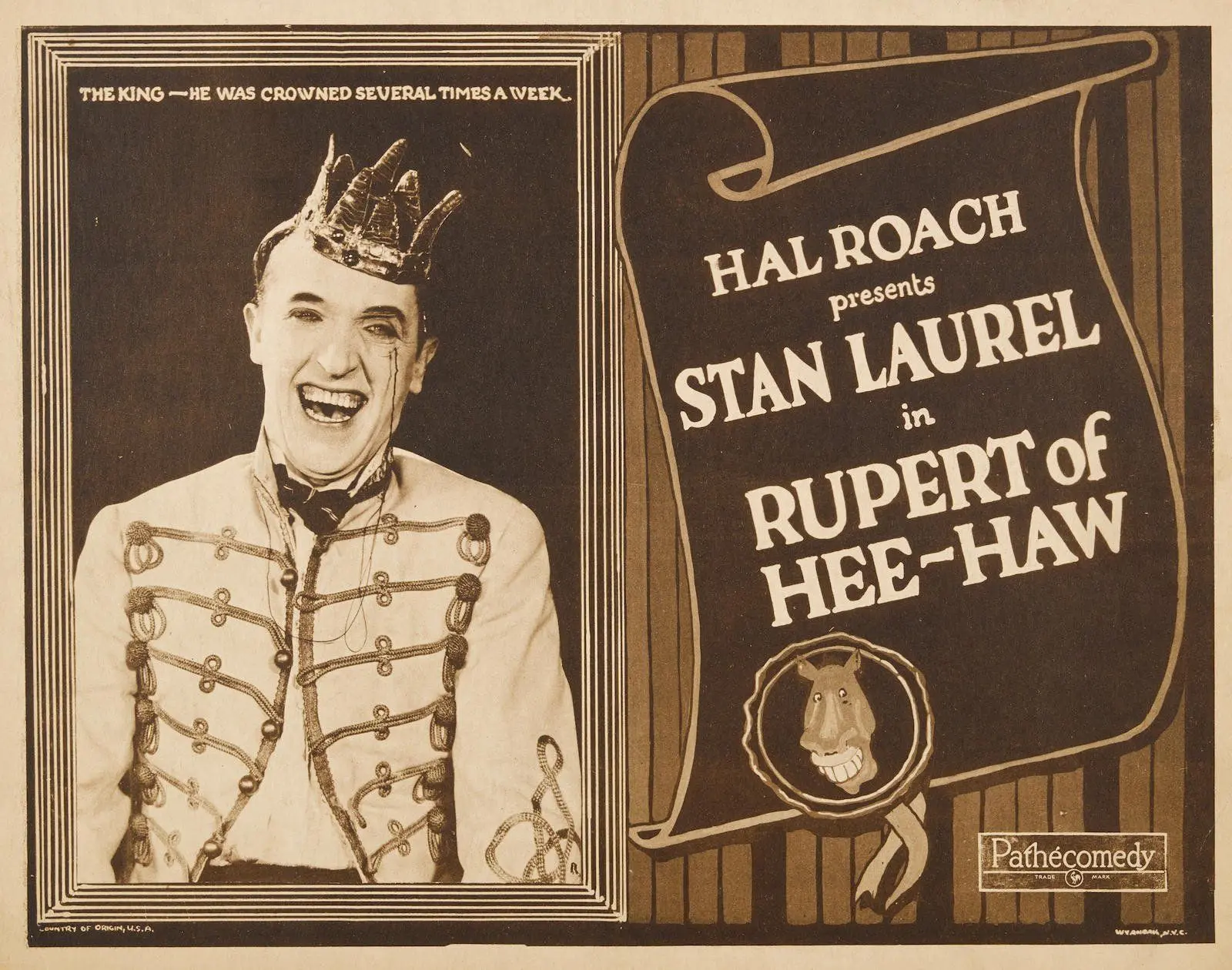
Furthermore, one could draw parallels with other contemporary shorts in terms of their comedic structure and thematic leanings. While not a direct comparison, a film like Smarty, for instance, might offer insights into how different studios and directors approached short-form comedy, whether through domestic farce or broader societal satire. Rupert of Hee Haw, however, distinguishes itself through its specific focus on parody, taking a recognizable narrative framework and systematically dismantling it for laughs. It's a masterclass in comedic deconstruction, proving that even without sound, a film can deliver a sophisticated, albeit uproarious, critique of popular culture. The film’s ability to sustain its comedic energy throughout its runtime, despite relying on a relatively simple premise, is a testament to the skill of its creators and the timeless appeal of well-executed physical comedy.
The enduring legacy of Rupert of Hee Haw lies not just in its individual comedic merits, but in its contribution to the broader evolution of slapstick and parody in cinema. It’s a foundational piece in understanding Stan Laurel’s pre-Hardy career, demonstrating his innate talent for physical comedy and his unique ability to embody a character who is both endearing and exasperating. The film serves as a vibrant reminder of the ingenuity required to produce laughter without dialogue, relying solely on visual gags, expressive performances, and impeccable timing. It reminds us that humor, at its core, is often about the unexpected, the absurd, and the sheer joy of watching someone slip on a banana peel. Even today, decades removed from its original release, the film retains a freshness and an undeniable charm that transcends its historical context. It is a delightful, if often overlooked, gem in the vast treasury of silent cinema, worthy of rediscovery by anyone who appreciates the pure, unadulterated joy of laughter. Its influence, though perhaps subtle, can be seen in countless subsequent parodies and physical comedies, demonstrating its quiet but significant impact on the comedic landscape of film. It stands as a testament to an era where visual storytelling reigned supreme and laughter was a universal language, spoken with pratfalls and pie throws rather than words.
Ultimately, Rupert of Hee Haw is more than just a historical curiosity; it's a vibrant, living piece of comedic art. It showcases Stan Laurel at a pivotal point in his career, honing the skills that would later make him a global icon. It highlights Scott Pembroke's adeptness at directing kinetic, hilarious scenarios. And it reminds us of the power of silent film to evoke powerful emotions – in this case, pure, unadulterated mirth – through visual spectacle alone. For anyone interested in the roots of cinematic comedy, the development of a comedic legend, or simply in enjoying a good, old-fashioned laugh, this film is an absolute treat. Its playful dismantling of dramatic tropes, combined with its relentless barrage of physical gags, makes it a timeless example of how to turn the sublime into the sublimely ridiculous. The film’s energy is infectious, its humor universal, and its place in the pantheon of silent comedy, though perhaps not as widely celebrated as some of its peers, is undeniably secure. It is a joyous, chaotic romp that continues to entertain and impress, proving that some forms of laughter are truly eternal. A true classic in the art of the spoof.
IMDb 7.3
1918
Community
Log in to comment.