DbcultAccessing Vault...
4.2/10
Senior Film Conservator
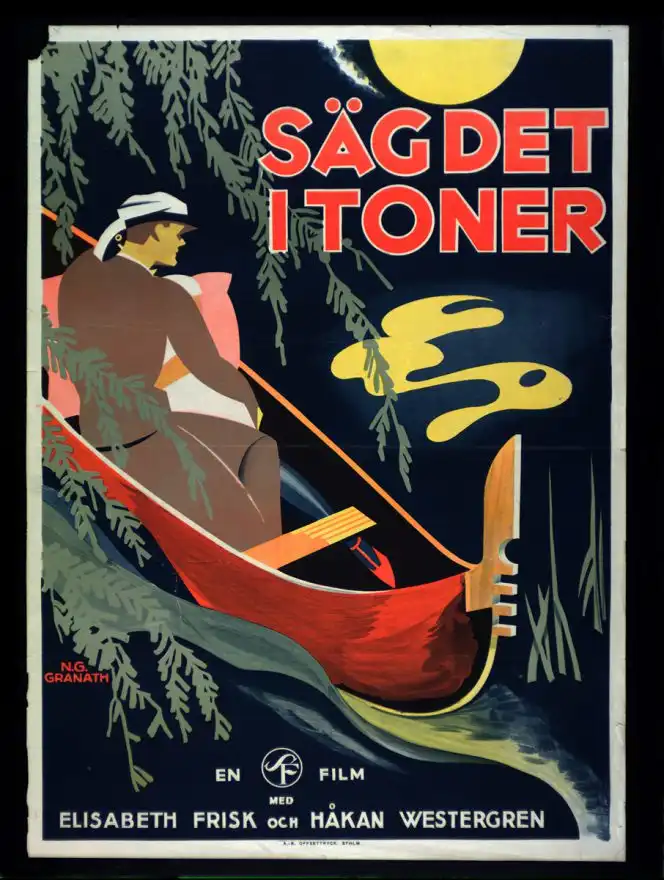
A definitive 4.2/10 rating for a film that redefined the boundaries of cult cinema. Säg det i toner remains a cornerstone of transgressive art.
So, you're wondering if you should dig up Säg det i toner from 1929? Well, it's definitely not for everyone, let's be honest. If you're into the quiet magic of early cinema, particularly Swedish films, there's a gentle charm here you might just fall for. But if your idea of a good time involves explosions or snappy dialogue, you'll probably find Olof Svensson's world a bit of a slow burn, maybe even a little boring.
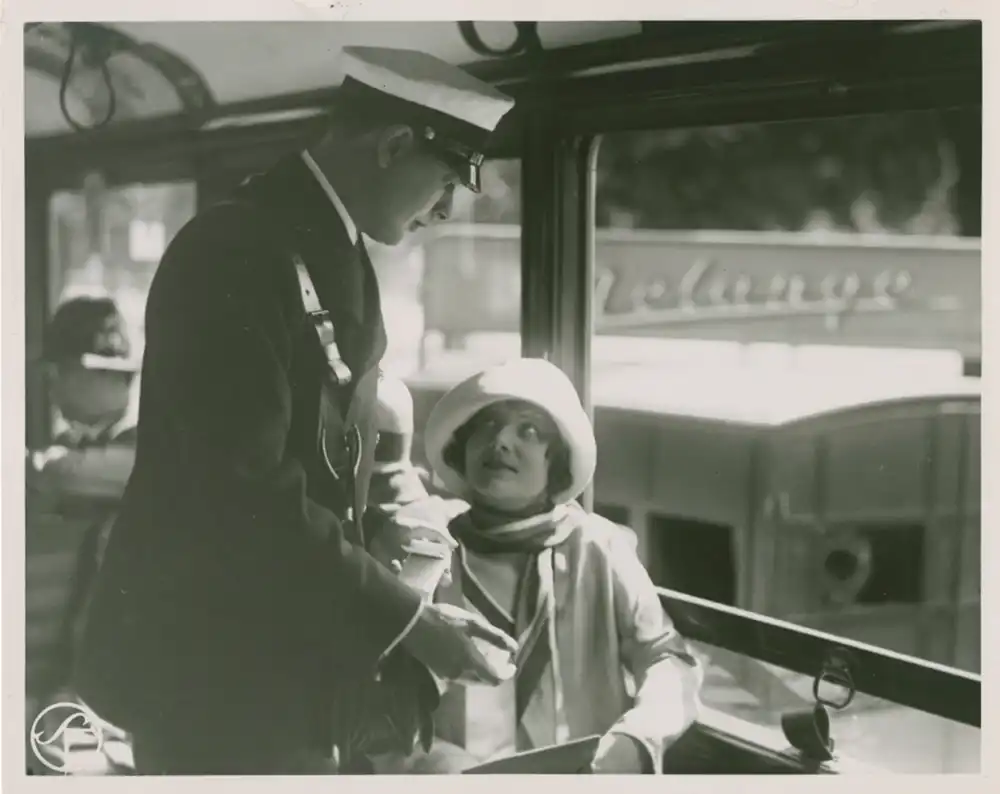
This is a film that really asks you to slow down. Olof Svensson, our main guy, spends his days driving a streetcar through what looks like a pretty lively 1920s Stockholm. Then, when he's off duty, he turns into a composer. It’s a classic setup: the everyday grind versus the secret passion. You can almost feel the weight of his double life, even without a single spoken word.
There's this one shot, I remember, of Olof on his streetcar, just *looking* out. His face is quite stoic. It’s such a simple moment, but it tells you a lot about a man who carries a whole other world inside him. You just know he's thinking about melodies even while collecting fares.
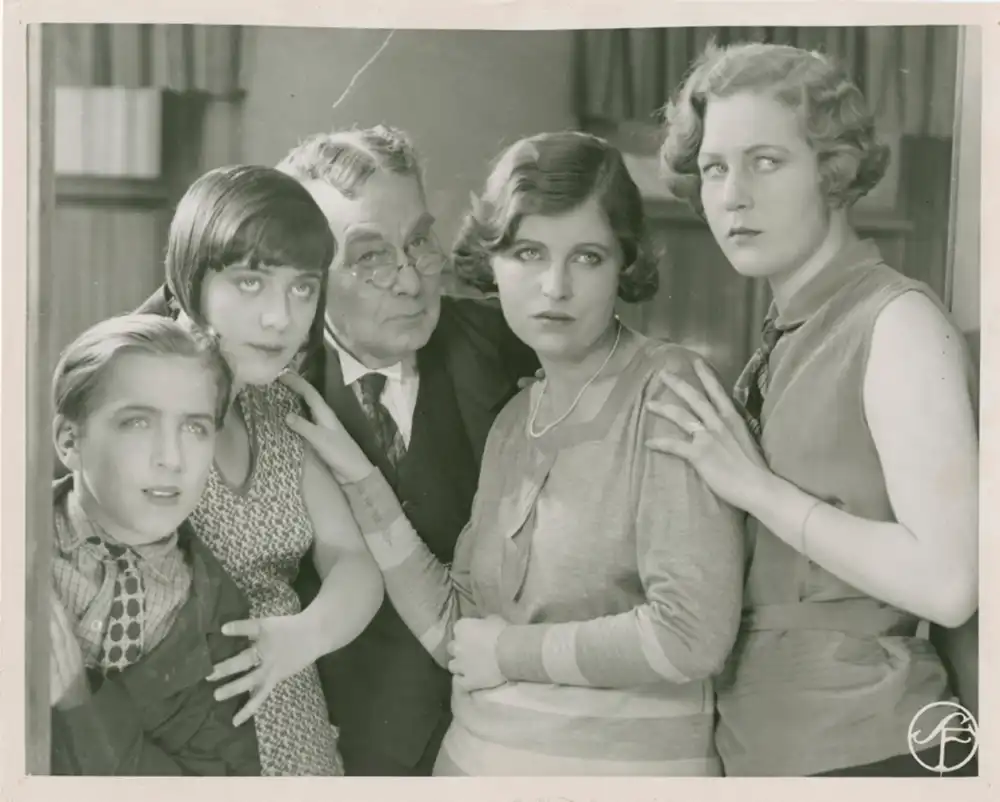
Jenny Hasselqvist, she plays a big part here, though her character often feels like a beautiful, quiet observer. Her expressions are often subtle, which actually works for a silent film. She doesn't need to overdo it; you get what she's feeling just from a slight tilt of her head or a long glance.
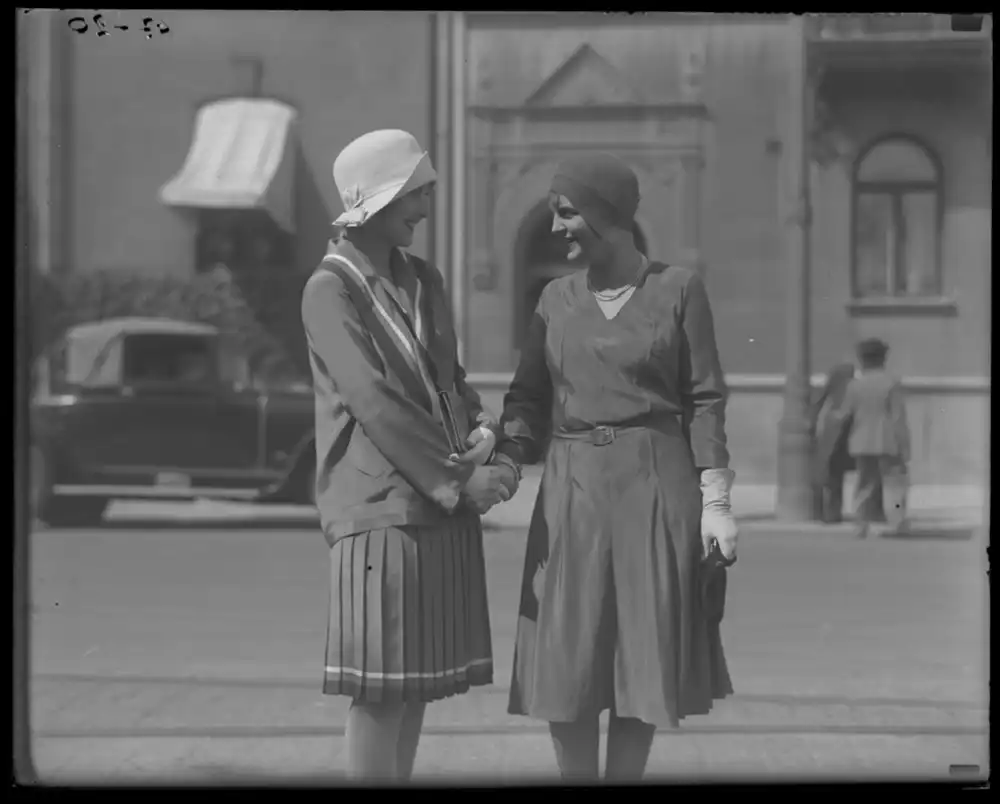
The pacing, as you might expect for a silent film from this era, is deliberate. **Very deliberate.** Some scenes linger a bit longer than we're used to today. But then again, maybe that’s the point? It gives you time to really soak in the period details, like the fashion and those old-timey streetcars.
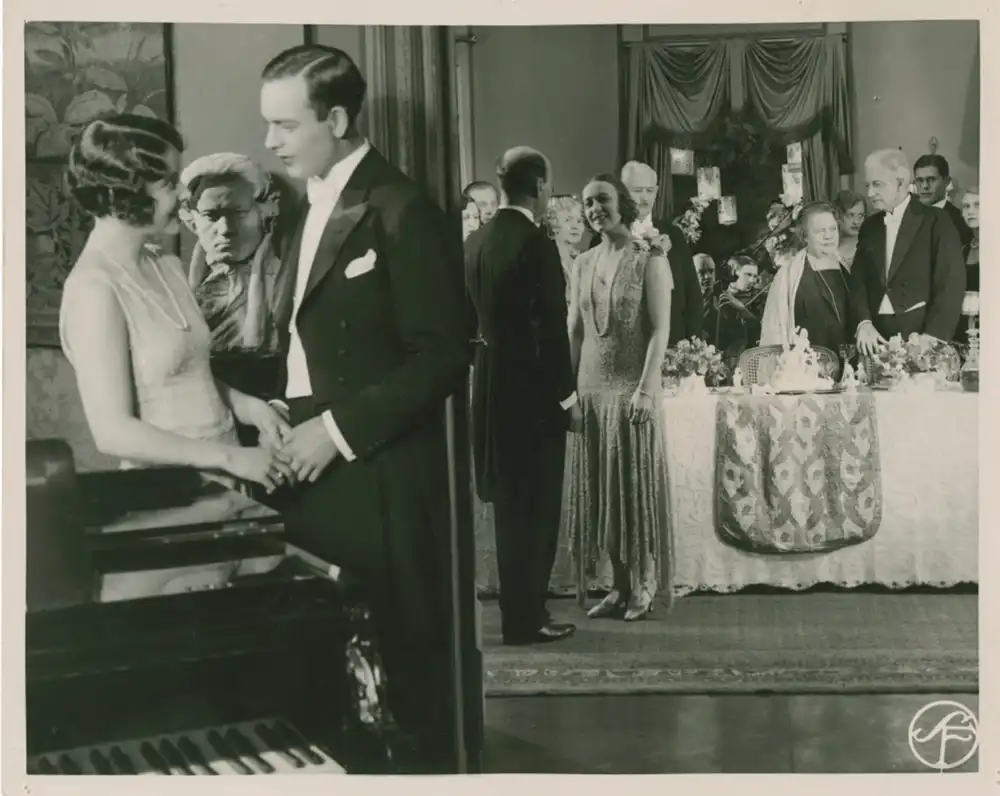
I found myself smiling at the little touches, like the way people moved in crowds back then. It feels less choreographed, more like actual life happening. There's a scene in a café, I think, where the background actors are just doing their thing, and it feels quite authentic. ✨
The story itself, about Olof trying to make his musical mark, is straightforward. There aren't many huge twists or turns. It’s more about the journey of this *earnest* guy. You really root for him, even if his struggle sometimes feels a bit understated.
One thing that sticks with me is how the film uses close-ups. Not often, but when they happen, they really draw you in. A close-up on Olof's hands at the piano, for instance, silently conveying his dedication. It’s quite effective. This isn’t a flashy film; it relies on these small, human moments.
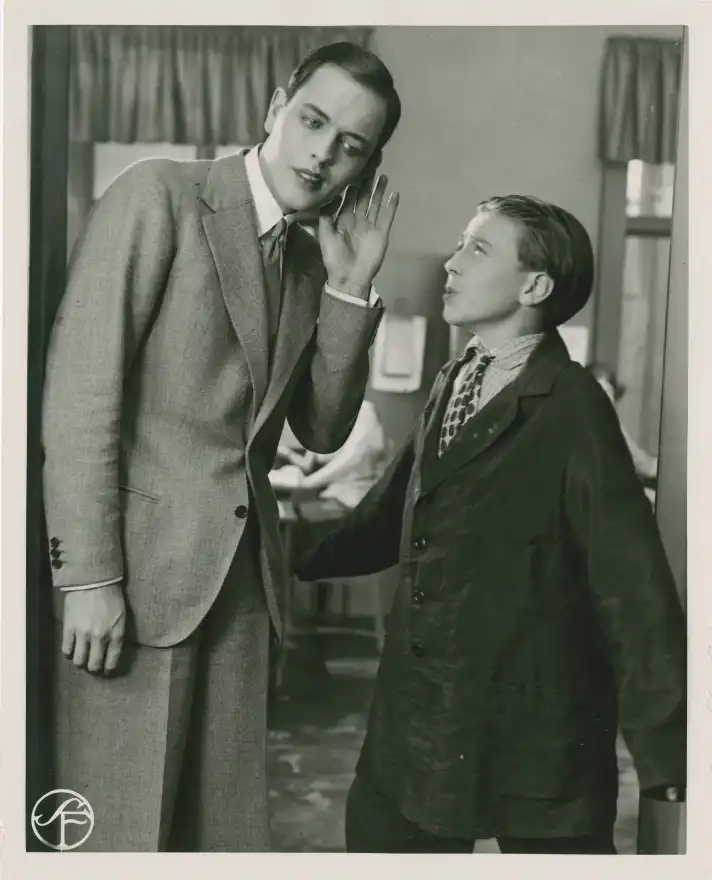
Eric Gustafson and Björn Berglund are in it too, playing their parts with that typical silent-era broadness. Sometimes it feels a little theatrical, but it’s part of the charm, isn't it? It reminds you of a different time, when acting was still figuring itself out for the camera. Like how some actors could really *project* sadness just by drooping their shoulders a certain way.
The film ends, and you're left with a feeling of gentle satisfaction. It's not a grand, earth-shattering epic. It’s just a nice, simple story about finding your voice, or in Olof's case, your melody. If you have an afternoon to spare and a curiosity for films that predate talkies, give it a shot. Just remember to bring your patience, and maybe a cup of tea. ☕
IMDb —
1925
Community
Log in to comment.