DbcultAccessing Vault...
6.5/10
Senior Film Conservator
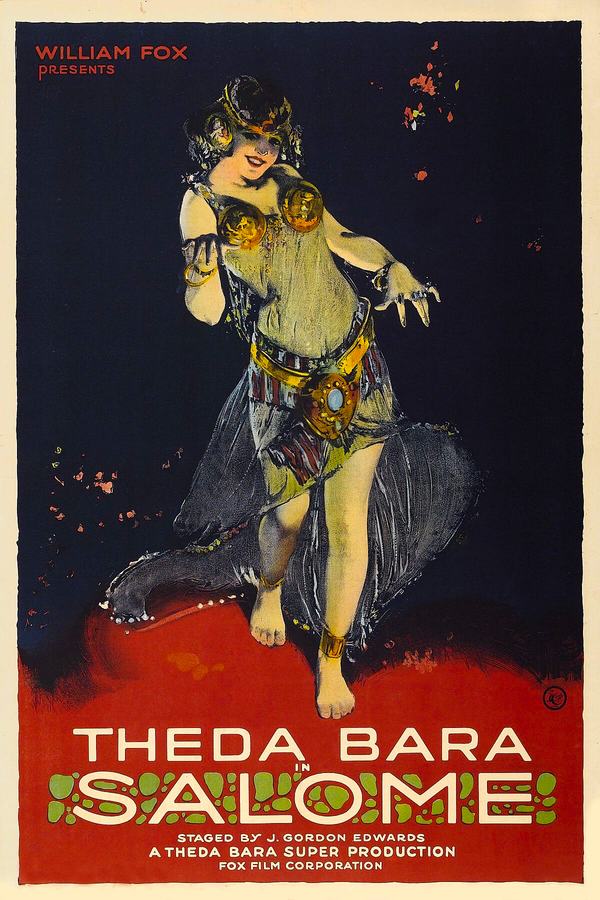
A definitive 6.5/10 rating for a film that redefined the boundaries of cult cinema. Salome remains a cornerstone of transgressive art.
In the annals of early cinema, few figures cast a shadow as long and as alluring as Theda Bara. Her cinematic persona, the 'vamp,' was not merely a character type but a cultural phenomenon, a potent distillation of exoticism, danger, and unbridled sensuality. It is within this captivating framework that the 1918 epic, Salome, truly finds its mesmerizing pulse. This film, a lavish and audacious interpretation of biblical and historical narratives, transcends a mere retelling; it becomes a canvas for the exploration of human depravity, obsessive desire, and the corrupting influence of power, all filtered through the theatrical grandeur characteristic of the silent era.
From its very inception, the narrative plunges us into a morally compromised world. The illicit union between Herodias and her brother-in-law, Herod Antipas, the governor of Judea, serves as the ignominious bedrock upon which the entire tragedy is constructed. This scandalous marriage, a flagrant defiance of both religious law and societal decorum, ignites the fervent condemnation of John the Baptist. His righteous indignation, a stark, uncompromising voice in a court steeped in hedonism, quickly leads to his incarceration, setting the stage for the fateful collision of piety and carnal ambition. The visual language employed here, even in its nascent cinematic form, speaks volumes: the opulent yet claustrophobic palace interiors juxtaposed against the stark, confined cell of the prophet, immediately establish a profound thematic dichotomy.
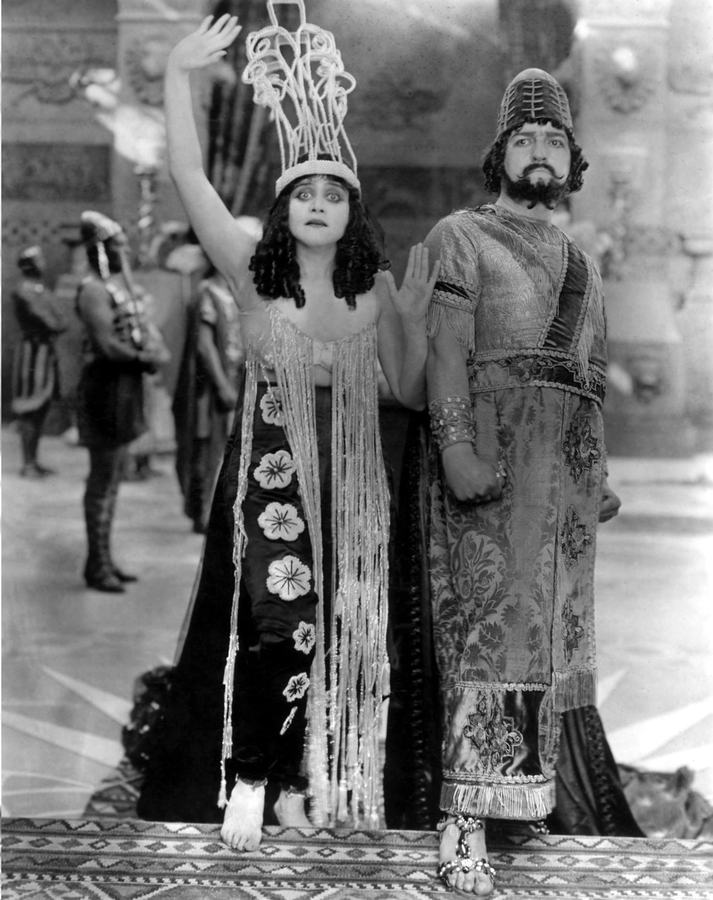
At the heart of this swirling maelstrom of moral decay and political intrigue stands Salome, portrayed with an almost preternatural intensity by Theda Bara. Bara’s Salome is not merely a dancer or a princess; she is an embodiment of nascent, dangerous desire, a character who navigates the treacherous currents of her environment with a chilling blend of naiveté and calculated seduction. Her eyes, often heavily kohled and piercing, convey an inner world of burgeoning curiosity and untamed impulse. She is at once a victim of her mother's machinations and a catalyst for her own destructive path, a complex duality that Bara masterfully externalizes through her nuanced facial expressions and languid, deliberate movements. This portrayal cemented her status as the quintessential 'vamp,' a siren whose allure promised both ecstasy and ruin.
The film’s genius lies in its ability to build an atmosphere of pervasive tension, drawing the viewer into Salome’s psychological landscape. Her initial fascination with John the Baptist, a figure so antithetical to her opulent, debauched upbringing, is depicted with a palpable sense of forbidden curiosity. It is a desire born not of love, but of an almost primal urge to possess that which is pure and unattainable. This unholy attraction, a perverse inversion of spiritual yearning, drives the narrative forward with an inexorable momentum. Bara’s performance here is particularly noteworthy; she doesn't just act the part, she inhabits the very essence of a woman teetering on the precipice of a profound, destructive awakening.
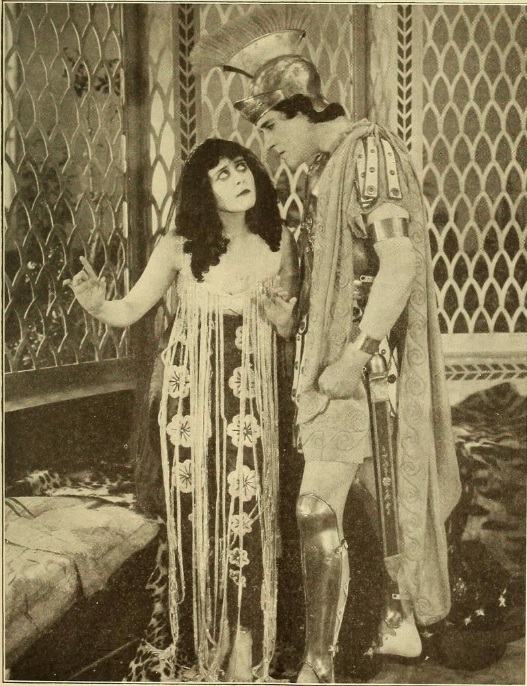
The cinematic artistry of Salome, particularly for its era, is remarkable. The production design evokes a sense of ancient exoticism, with lavish costumes and intricate sets that transport the audience to a bygone Judean court. While perhaps lacking the sweeping scope of a later epic like Hearts of the World, it compensates with a focused intensity on its central drama. The use of lighting, a critical tool in silent film, is employed with considerable skill, casting dramatic shadows that heighten the sense of intrigue and moral ambiguity. Intertitles, far from being mere plot devices, often serve as poetic commentaries, their elegant prose deepening the narrative's emotional and philosophical impact. They function almost as a Greek chorus, guiding the audience through the moral labyrinth of the characters' decisions.
The film’s pacing, though measured by contemporary standards, allows for a meticulous unfolding of the psychological drama. Each lingering gaze, each subtle gesture, contributes to the escalating tension. The writers, Adrian Johnson and Flavius Josephus (the latter providing the historical framework), crafted a narrative that, while rooted in ancient texts, resonates with timeless themes of human folly and the intoxicating perils of unchecked power. Their interpretation imbues the familiar story with a fresh layer of psychological depth, moving beyond simple biblical recounting to explore the motivations and consequences of individual choices within a corrupt system.
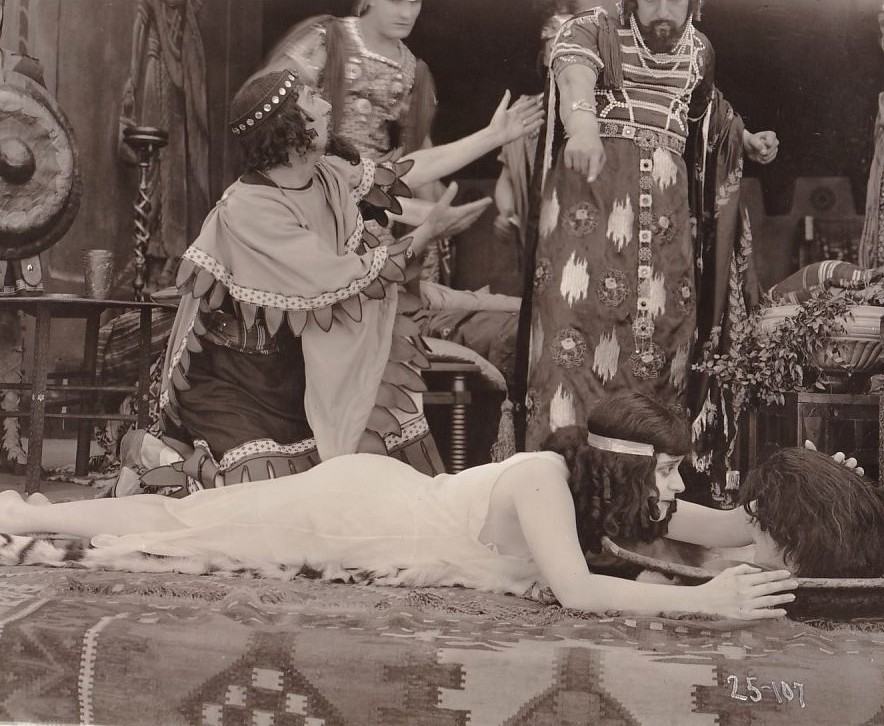
The infamous "Dance of the Seven Veils" stands as the film's undeniable dramatic apex. This sequence, meticulously choreographed and visually arresting, is not merely a spectacle of seduction but a pivotal act of manipulation. Bara's performance here is a masterclass in silent film acting: her movements are fluid and deliberate, each veil shed a symbolic shedding of innocence, culminating in a raw, almost ritualistic display of power. Herod Antipas, played by Herbert Heyes with a convincing blend of lustful weakness and regal authority, becomes utterly ensnared in Salome’s web. His reckless promise, born of carnal intoxication, serves as the ultimate trap, sealing John the Baptist’s gruesome fate.
The subsequent demand for John’s head, delivered with an chilling nonchalance by Salome, is a moment of profound horror and moral depravity. It is a testament to the film's unflinching portrayal of the dark underbelly of human desire. The scene is not sensationalized for cheap thrills but presented with a stark, almost inevitable gravity, underscoring the irreversible consequences of unchecked passion and capricious power. This brutal climax solidifies Salome’s transformation from an intrigued princess to an agent of death, forever etching her into the lexicon of cinematic femme fatales. The film doesn't shy away from the grotesque, but rather uses it to punctuate the moral abyss into which the characters have plunged.
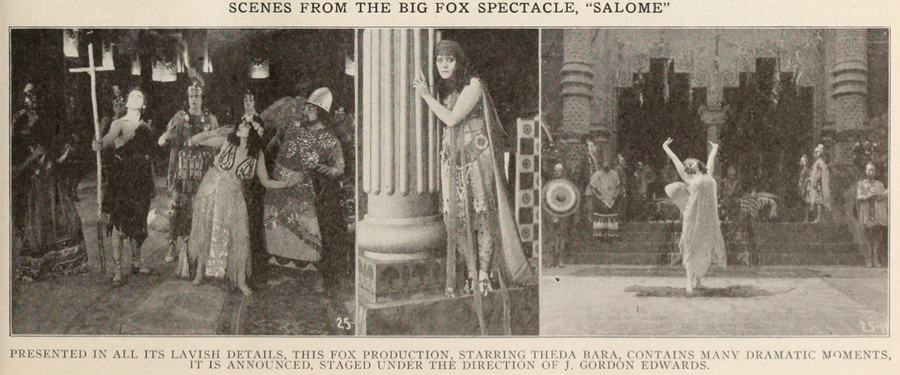
Beyond its dramatic plot, Salome functions as a potent allegory for the corrupting nature of power and the destructive force of unchecked desire. Herod’s lust for Salome blinds him to reason and morality, making him a puppet to his own base instincts. Herodias, driven by a thirst for status and a vengeful spirit, manipulates her daughter as a pawn in her ongoing feud with the prophet. John the Baptist, though a figure of unwavering moral fortitude, ultimately becomes a sacrificial lamb to the court’s depravity. This intricate web of motivations draws parallels to other silent era dramas exploring societal decay and personal failings, perhaps even touching upon the moral ambiguities found in films like The Discard or the darker aspects of human nature explored in Wrath.
The film also delves into the fascinating dynamic between the sacred and the profane. John the Baptist represents an austere, divine order, while the court of Herod embodies hedonism and earthly corruption. Salome, caught between these two poles, ultimately succumbs to the latter, her actions a grotesque inversion of spiritual devotion. Her desire for John's head is not merely a means to an end for her mother, but a warped expression of her own thwarted obsession, a desire to possess the unpossessable, even if only in death. This psychological depth elevates Salome beyond a simple historical drama, positioning it as a profound commentary on the human condition. It dares to explore the unsettling contours of human will when untethered from moral restraint, a thematic boldness that resonates even with films like Dope in its unflinching look at societal shadows.
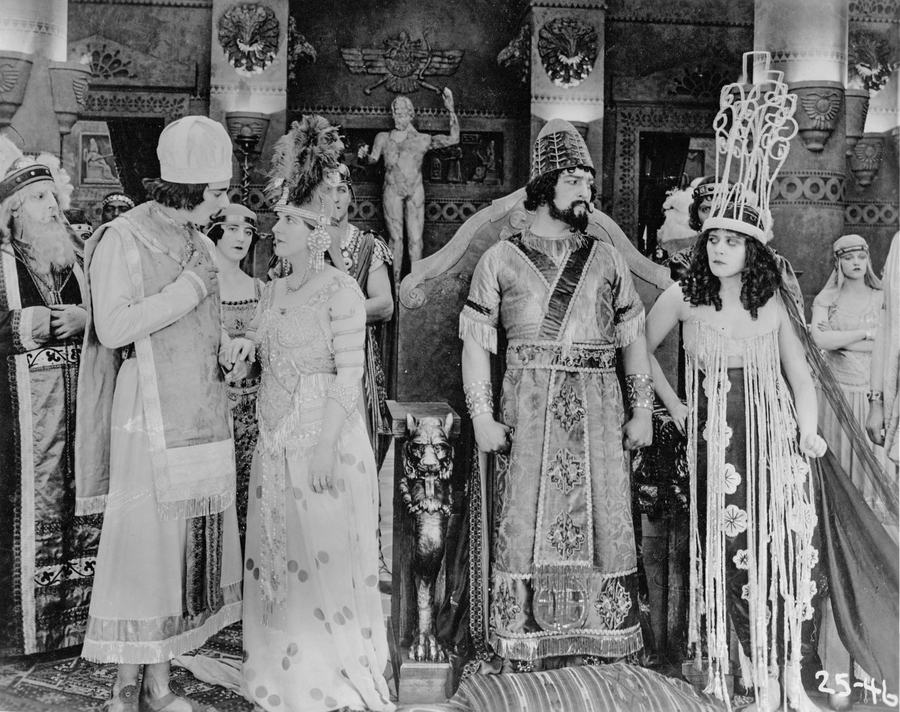
While the silent era produced a plethora of melodramas and spectacles, Salome distinguishes itself through its audacious subject matter and the magnetic performance of Theda Bara. It stands as a testament to the power of visual storytelling and the ability of early filmmakers to tackle complex moral quandaries with artistic flair. The film’s influence can be seen in subsequent portrayals of femme fatales and in the continued fascination with biblical epics, even if its explicit sensuality was tempered in later, more conservative eras. It paved the way for more nuanced explorations of female agency and desire, however twisted, in films that followed, echoing the intense character studies seen in works like In the Hour of Temptation.
The supporting cast, including Alan Roscoe as the steadfast John the Baptist and Al Fremont, Vera Doria, and G. Raymond Nye in various pivotal roles, contribute to the film’s rich tapestry. Roscoe, in particular, manages to convey John’s unwavering conviction and dignity despite the limitations of silent acting, providing a crucial moral counterpoint to the court’s depravity. Their performances, while perhaps overshadowed by Bara's incandescent star turn, are integral to establishing the film's dramatic stakes and the pervasive atmosphere of tension and impending doom. The collective effort breathes life into this ancient tale, making its moral complexities palpable.
Revisiting Salome today is more than just an academic exercise in cinematic history; it is an immersive experience that reminds us of the raw power of early film. It is a work that, despite its age, continues to provoke thought and stimulate discussion about the nature of desire, the abuse of power, and the eternal conflict between vice and virtue. It serves as a vital artifact, preserving a snapshot of an era when cinema was finding its voice, and in Theda Bara, it found a voice that was both siren song and death knell. Its narrative echoes through time, a chilling reminder of how easily human hearts can be swayed by the promise of gratification, no matter the cost. This film, alongside others of its time, like perhaps the dramatic intensity of The Great White Trail in its portrayal of stark choices, showcases the foundational storytelling capabilities of the silent medium. It is a compelling argument for the artistic integrity and enduring relevance of silent cinema, a truly unforgettable journey into the heart of darkness.

IMDb —
1919
Community
Log in to comment.