DbcultAccessing Vault...
6.8/10
Senior Film Conservator
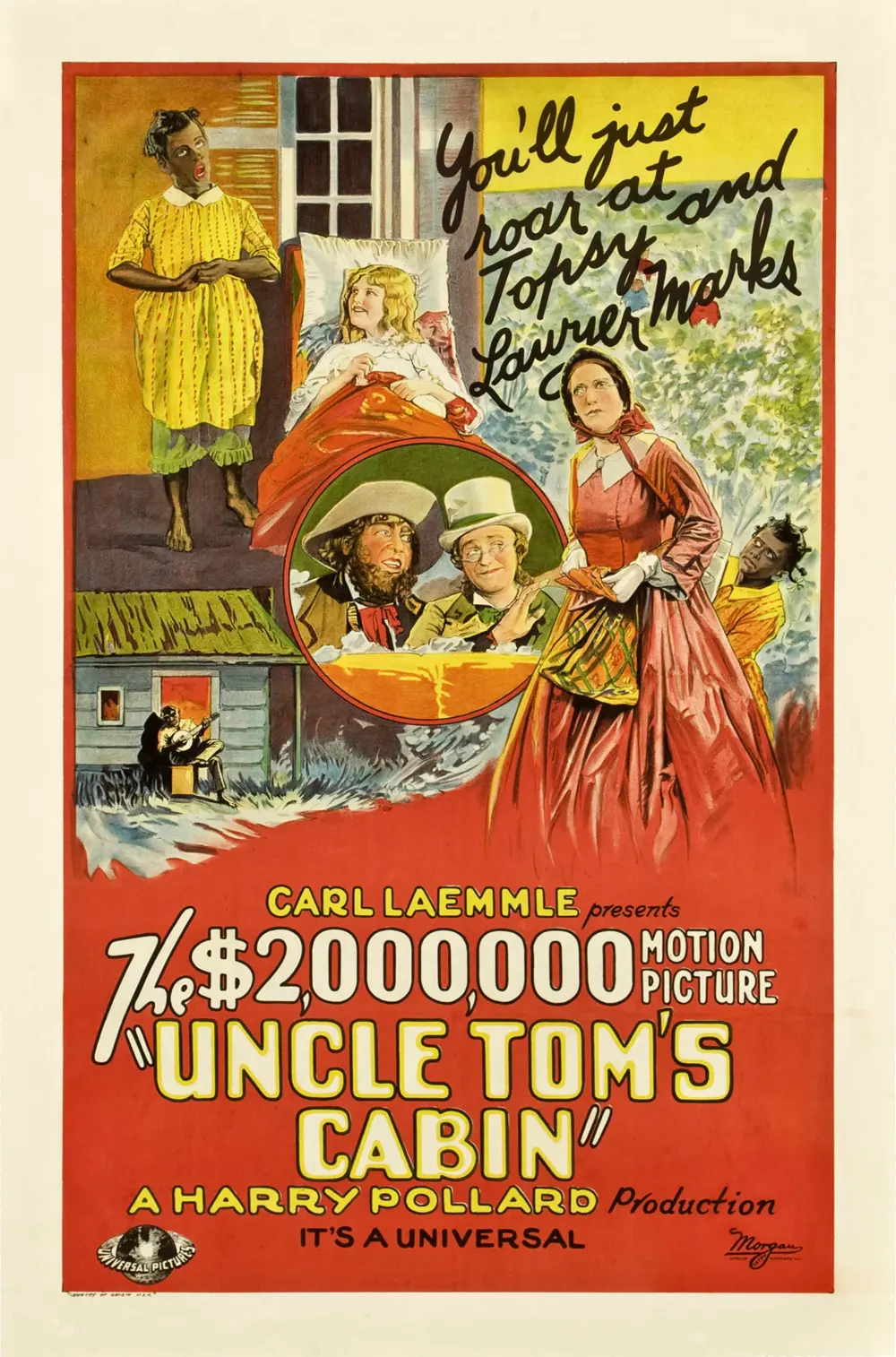
A definitive 6.8/10 rating for a film that redefined the boundaries of cult cinema. Uncle Tom's Cabin remains a cornerstone of transgressive art.
Is Harry A. Pollard's 1927 silent film adaptation of Uncle Tom's Cabin worth watching today? Short answer: yes, but with significant caveats that demand a critical eye, an understanding of early cinema, and a firm grasp of historical context.
This film is for those interested in the evolution of cinematic storytelling, the complex history of racial representation on screen, and the enduring power (and problematic nature) of its source material. It is emphatically not for viewers seeking a comfortable, historically accurate, or unchallenging portrayal of American slavery, nor for those unwilling to confront the inherent biases and stereotypes of its era.
This film works because its ambition, for its time, was immense, attempting to tackle a sprawling, emotionally charged narrative that shaped a nation's conscience. It fails because its racial portrayals are deeply rooted in the minstrelsy tradition, compromising its own abolitionist message through stereotypical caricature. You should watch it if you are a film historian, a student of American culture, or someone deeply committed to understanding the problematic foundations upon which much of early Hollywood was built.
The film exists as a fascinating, often infuriating, artifact. It’s a window into how a pivotal American story was interpreted for the masses almost a century ago, revealing as much about the sensibilities of 1920s cinema as it does about the novel itself.
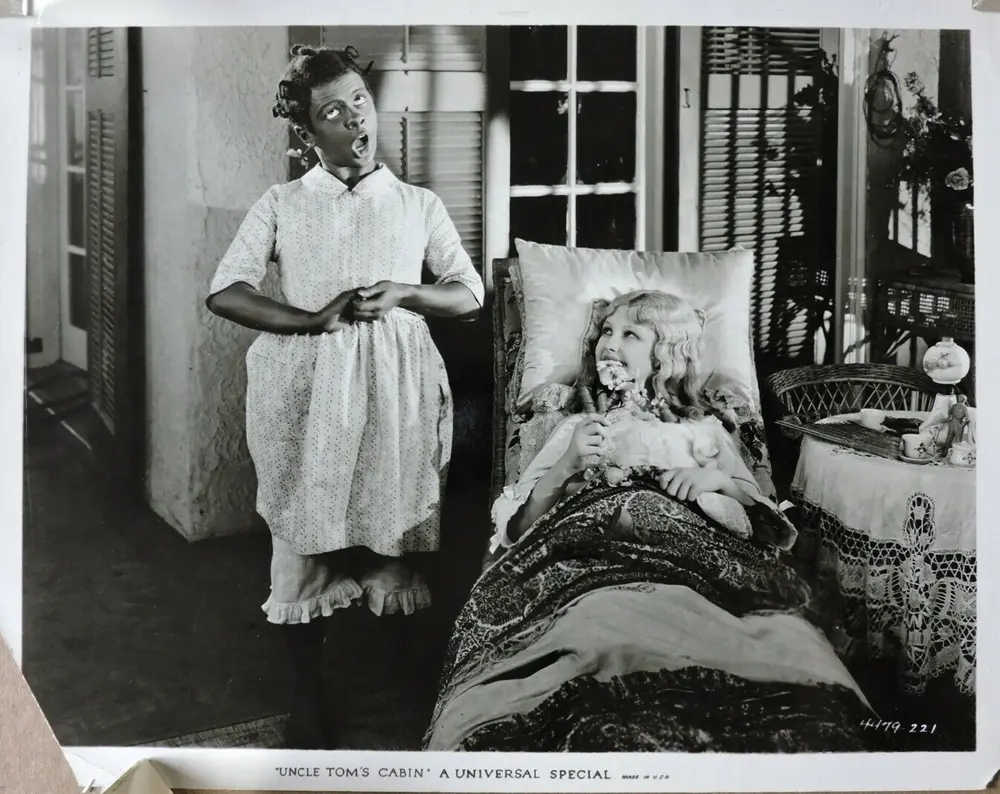
Harry A. Pollard, a prolific director of the silent era, faced an unenviable task: condensing Harriet Beecher Stowe's sprawling, influential, and deeply controversial novel into a cinematic experience. His vision for Uncle Tom's Cabin was undeniably grand, evidenced by the sheer scale of the production for its time. He aimed for an epic, emotionally resonant portrayal of slavery's cruelty, and in moments, he achieved a powerful sense of pathos.
Pollard’s direction shines brightest in the sequences depicting the desperate flight of Eliza (likely played by Louise Beavers, though casting specifics for some roles are fluid in this era) across the ice floes, a scene that, even today, retains a visceral tension. The cinematography here, though limited by the technology of 1927, manages to convey the stark peril and Eliza's fierce maternal determination. It’s a testament to silent film’s capacity for visual storytelling, where exaggerated gestures and stark compositions carry the narrative weight.
However, Pollard’s direction is also deeply, irrevocably flawed by its complicity in the racial stereotypes prevalent in early American cinema. While the source material itself has been criticized for its depictions, the film leans into minstrelsy with an alarming lack of self-awareness. The portrayal of many Black characters, particularly the more comedic or subservient ones, is steeped in caricature, often played by white actors in blackface (a common, though no less egregious, practice of the era).
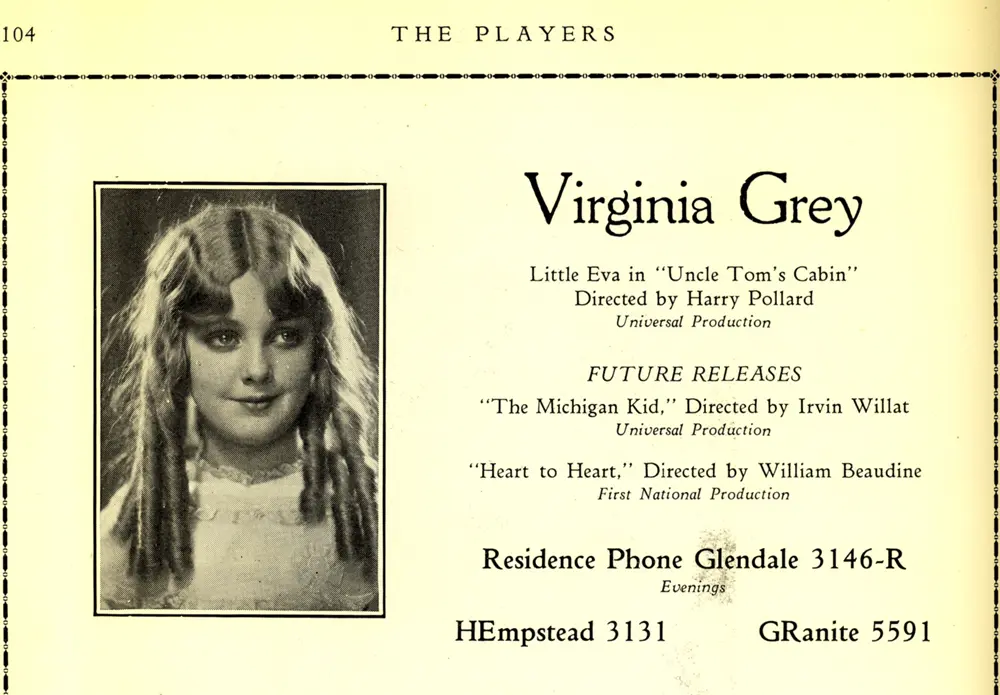
This directorial choice, while historically common, actively undermines any genuine attempt at depicting the humanity and suffering of enslaved people. It creates a jarring dissonance: scenes intended to evoke sympathy are often undercut by performances that lean into broad, demeaning stereotypes. One cannot separate Pollard’s ambition from his cultural blind spots; he was a product of his time, but that does not absolve the work of its problematic elements. The film struggles to escape its own era's limitations, particularly in its approach to race.
The performances in Uncle Tom's Cabin are a complex tapestry of genuine effort, melodramatic necessity, and unfortunate racial caricature. James B. Lowe, reportedly the first African American actor to play Uncle Tom on screen, delivers a performance that attempts to capture the character's unwavering faith and stoicism. His portrayal, while constrained by the acting conventions of the silent era – broad gestures, exaggerated facial expressions – offers glimpses of the character's profound inner strength.
Lowe’s challenge was immense: to embody a character who, even in Stowe's novel, is viewed through a lens of controversial passivity, while also navigating the visual language of a film industry largely unaccustomed to nuanced Black representation. His scenes often carry the emotional core of the film, particularly as Tom is separated from his family and subjected to increasing cruelty. There's a quiet dignity in his suffering that occasionally transcends the film’s more problematic elements.
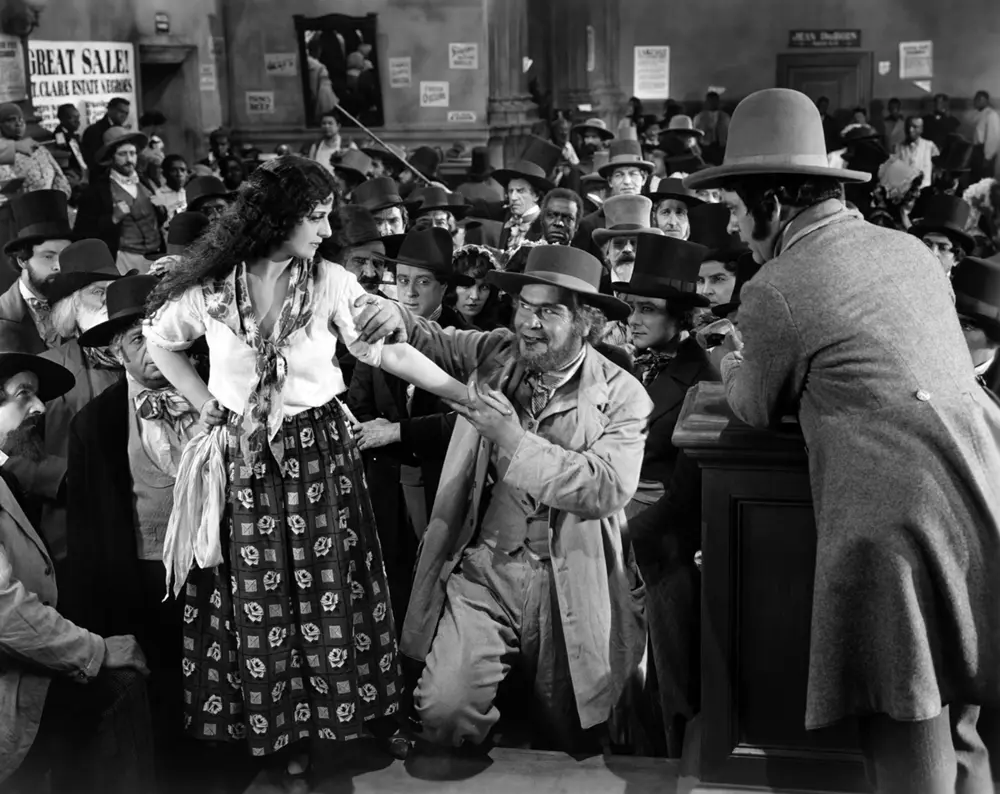
Conversely, the performances of many white actors in blackface are excruciating to watch today. These portrayals, often playing supporting roles or younger versions of characters, are steeped in offensive stereotypes, reducing complex human beings to wide-eyed, shuffling caricatures. It's a stark reminder of the dehumanizing power of such representations, even when framed within an ostensibly abolitionist narrative. The contrast between Lowe's earnest portrayal and these caricatures is unsettling, highlighting the deep-seated biases of the period.
Other notable performances include those from the extensive cast, such as Vivien Oakland and Eulalie Jensen, who embody the various slave owners and abolitionists. Their acting, typical of the silent era, relies on heightened emotion and clear visual cues to convey character motivations. The young actors, like Matthew 'Stymie' Beard (who would later gain fame in the 'Our Gang' shorts), also contribute, their innocence often providing a stark contrast to the grim realities surrounding them. The film, despite its flaws, is a masterclass in how silent actors communicated entire emotional arcs without a single spoken word, relying solely on physicality and expression.
The cinematography in Uncle Tom's Cabin, while not revolutionary, effectively serves the film's ambitious scope. The camera work often emphasizes the vastness of the Southern landscapes, contrasting the natural beauty with the human suffering unfolding within them. There are sweeping shots of plantations and intimate close-ups designed to capture the raw emotion of the characters.
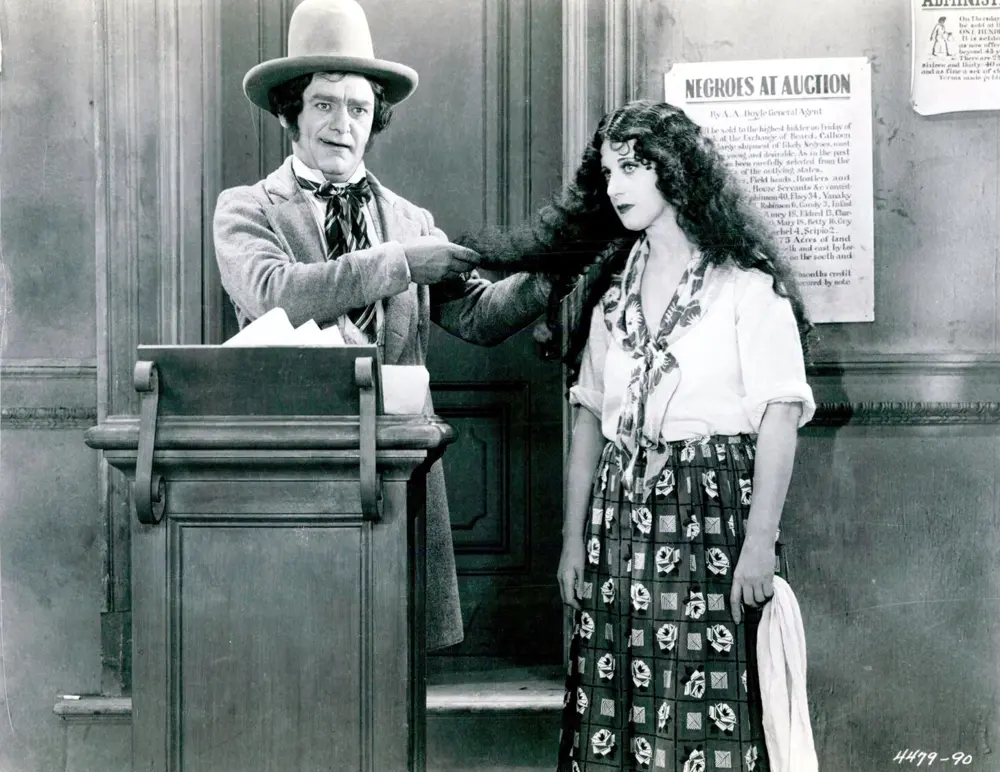
The film’s visual language is built on the conventions of its time: dramatic lighting, stark contrasts between light and shadow, and compositions that guide the viewer’s eye through complex scenes. The staging of the slave auctions, for instance, uses deep focus and wide shots to emphasize the dehumanizing spectacle, even as individual faces are picked out for emotional impact. The production design, too, is commendable, recreating period settings with a level of detail that speaks to the film's significant budget.
However, even the visual elements cannot escape the film’s central problem. While the sets and costumes aim for historical authenticity, the visual portrayal of the enslaved people themselves often veers into the stereotypical, reinforcing rather than challenging harmful tropes. The juxtaposition of meticulously crafted period details with racially insensitive character design creates a jarring viewing experience, one that constantly forces the audience to reconcile the film's technical ambition with its cultural insensitivity.
The pacing of Uncle Tom's Cabin is characteristic of silent epics: it takes its time, allowing scenes to unfold with a deliberate rhythm that might feel slow to modern audiences. This unhurried approach, however, allows for a deeper emotional immersion in key moments, particularly the wrenching separations that define the plot.
The film is, at its heart, a melodrama. The tone swings wildly from moments of profound tragedy and emotional devastation to instances of almost cartoonish villainy and, regrettably, outright comedic relief derived from racial stereotypes. This tonal inconsistency is one of its most challenging aspects. One moment, you are witnessing the brutal reality of a family being torn apart; the next, you are confronted with a scene that feels more like a minstrel show than a serious dramatic portrayal of human suffering.
This melodramatic style, while typical of the era, makes the film a difficult watch precisely because its subject matter demands a more consistent and respectful tone. The emotional manipulations are often heavy-handed, yet in its most effective moments, the film manages to convey genuine heartbreak. The silent film score, often improvised or compiled from existing pieces, would have played a crucial role in guiding the audience's emotional response, though without the original score, modern viewing experiences can vary wildly.
Yes, but with significant reservations. Uncle Tom's Cabin (1927) is a valuable historical document.
It showcases early cinematic ambition. It highlights the pervasive racial biases of its time. It offers a unique lens into how a foundational American narrative was presented to a mass audience.
However, it demands a highly critical viewing. Expect to be challenged, and at times, offended. This is not a film for passive consumption but for active historical and cultural analysis.
Watching Harry A. Pollard's Uncle Tom's Cabin (1927) is not an act of simple entertainment; it is an academic exercise, a historical excavation. It is a film that demands contextualization, a critical lens, and a willingness to confront uncomfortable truths about cinematic history and societal prejudice. To ignore it would be to ignore a piece of the puzzle of how American narratives, particularly those concerning race, were constructed and consumed.
Yet, to praise it uncritically would be a disservice to the real suffering it attempts to depict, and to the progress made (however slowly) in honest representation. It is a film that works best as a teaching tool, a stark reminder of how far cinema has come, and how far it still needs to go. Its strengths are its ambition and its occasional flashes of genuine emotional power, but these are almost always overshadowed by its deeply problematic racial portrayals. It exists. It’s flawed. And precisely because of those flaws, it holds a mirror to its time that we cannot afford to look away from, no matter how difficult the reflection.
IMDb —
1919
Community
Log in to comment.