DbcultAccessing Vault...
Cult Review
Senior Film Conservator
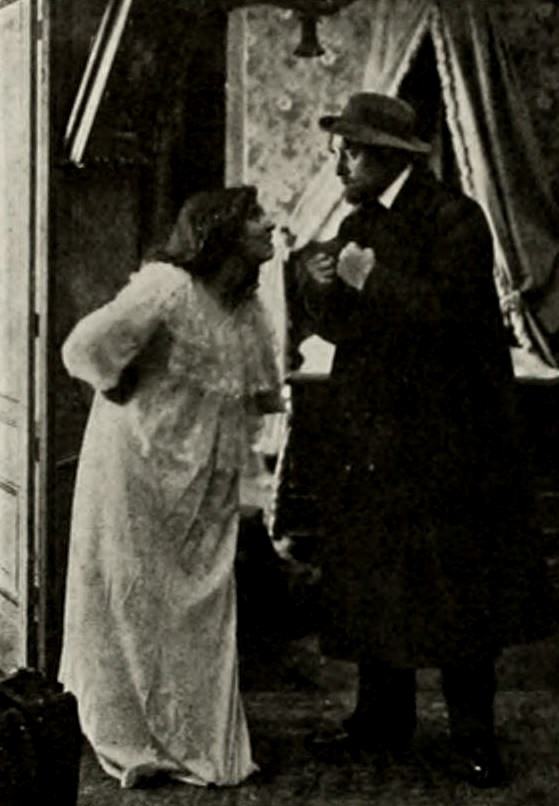
Paris, 1913: electric lamps still flicker like nervous virgins, and cinema itself is a courtesan teasing the future. Into this half-lit bordello of invention strides Sapho, a film that dares to title itself after the ur-mistress of erotic verse. Yet the picture is no antiquarian postcard; it is a scalpel, slipped between the ribs of polite society, twisting until the audience gasps at how much of their own hypocrisy spills out.
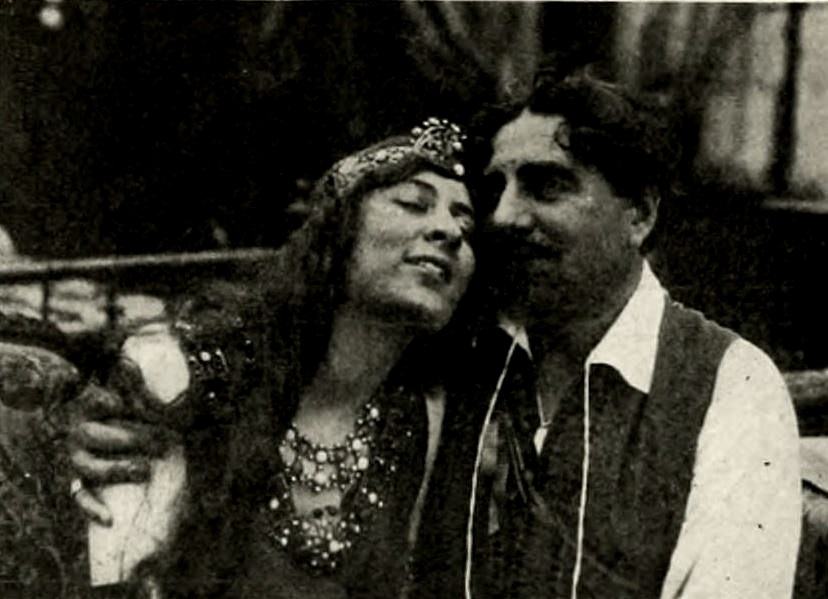
Director Léonce Perret—never shy of moral arson—opens with a tracking shot that slithers past top hats and décolletage, the camera practically breathing champagne. Cécile Guyon’s Fanny materializes in a shimmer of silk, her eyes two nocturnes whose ink has not yet dried. The moment she fastens her gaze on Charles Krauss’s Jean, the frame tightens like a corset; you feel the whalebone of destiny creak.
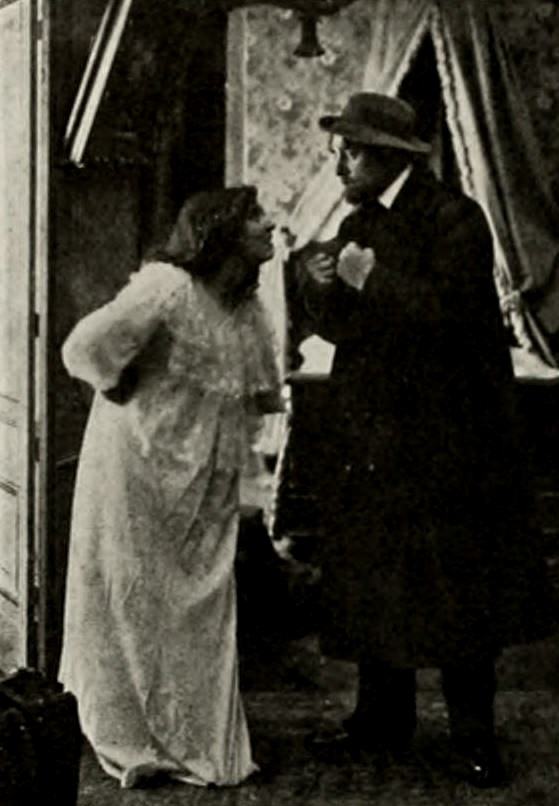
What follows is neither seduction nor conquest but something more predatory: a mutual haunting. Jean, all angles and bourgeois vowels, thinks he is collecting a mistress the way one might acquire a first edition. Fanny—already the authoress of a thousand ruinous reputations—knows she is the book that will annotate him in the margins forever.
The film’s combustible centerpiece arrives when sculptor Goudal—part satyr, part provocateur—unlocks a leather casket of billet-doux. Perret overlays the scene with a crimson tint, as though the celluloid itself were blushing. The letters, once airborne, tumble into the fireplace; embers kiss paper; the chimney vomits sparks that scorch the bourgeois ceiling. Neighbors flood the flat; water buckets arc in balletic silhouette; amid the pandemonium, Fanny recognizes her father’s coachman livery and the social chasm roars open like astage trapdoor.
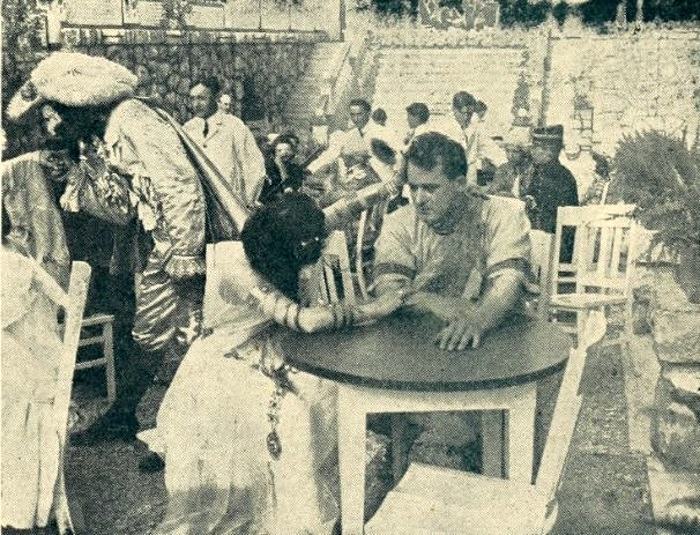
Here Sapho achieves a cruel brilliance: the fire does not cleanse; it brands. The shame is not that Fanny has a past, but that the past has a face—weathered, proletarian, unmistakably flesh. Jean’s disgust is less moral than aesthetic; he fears contamination by proximity, a revulsion the film indicts with every close-up of his fastidious cuffs recoiling from soot.
Exile to Chaville ought to spell pastoral atonement: picket fences, adopted urchin, sunlight filtered through leaves the color of absinthe. Instead, Perret stages a dollhouse of moral claustrophobia. The child—bastard son of forger Flamant—becomes a living testament to bad blood, his parentage an anvil suspended by the thinnest of plot threads. When Irene Bouchereau glides in, her virtue as crisp as starched linen, Jean perceives an exit ramp toward respectability. The camera lingers on Irene’s parasol, ivory spokes radiating like a secular halo, while Fanny’s face—half in doorway shadow—registers the arithmetic of impending loss.
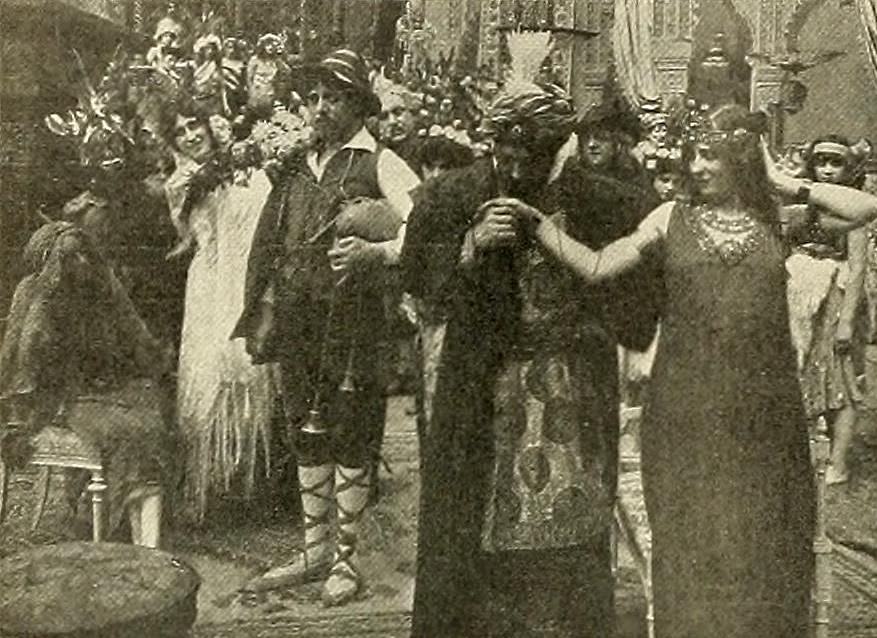
Yet the film refuses the melodramatic catfight contemporary audiences might crave. Fanny’s final gambit is not hysterics but a cold re-reading of the contract: “You will sail under my flag or drown within sight of it.” Jean capitulates, not out of grand passion but existential fatigue—a surrender more devastating than any pistol shot.
Guyon operates in the register of glances: a sidelong drop that calcifies into granite resolve, a blink that liquefies into supplication. Watch the picnic sequence where she toys with a blade of grass, tearing it vein by vein while discussing adoption; the gesture is a miniature vivisection of her own fertility. Opposite her, Krauss navigates the treacherous shoals of male weakness without caricature. His Jean is not a villain, merely a man who discovers that freedom and accountability are synonyms spelled differently.
The supporting cast—Rosario Sanchez as the caustic confidante, DePotter as the burnt-out composer—function like Greek choruses armed with champagne flutes. Their mockery is the film’s whip, lashing Jean’s pretensions until the skin of his self-identity peels.
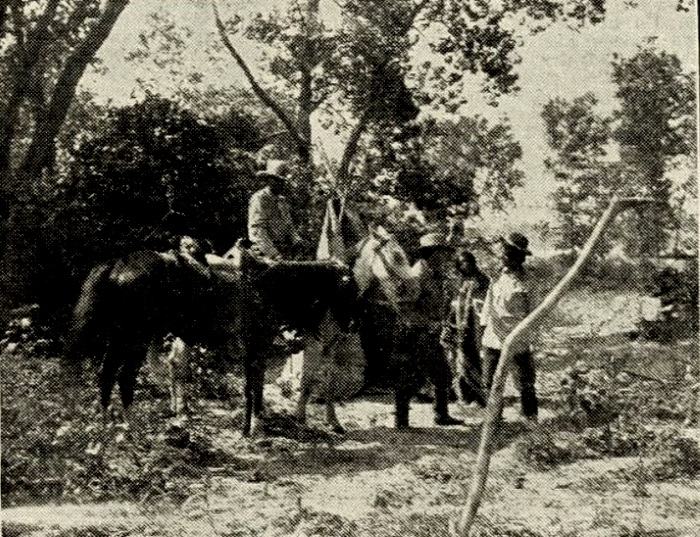
Perret’s mise-en-scène is a masterclass in texture: damask wall coverings that swallow candlelight, silver cloches reflecting faces like fun-house mirrors, train-compartment windows transforming passing scenery into expressionist streaks. The tinting strategy—amber for interiors, viridian for exteriors, scarlet for emotional detonations—creates a chromatic libretto that sings even without intertitles.
Compare this palette to the austerity of From the Manger to the Cross or the pageantry of Cleopatra; Sapho stakes its territory between sanctity and spectacle, finding sin in the folds of opulence.
Viewed today, the absence of synchronized dialogue feels less a limitation than a protective veil. Words, after all, are what tether these characters to despair; their written ghosts—those cursed letters—are the true protagonists. The orchestral recommendation (Grieg’s Holberg Suite interpolated with Satie Gymnopédies) accentuates the tension between Nordic propriety and Gallic languor, mirroring Jean’s cultural schizophrenia.
Because we still live in an age that auctions virginity while monetizing scandal. Because Instagram grids perform the same curated respectability Jean craves, and DM histories carry the same combustible potential as Fanny’s letter cache. Perret’s 1913 cautionary tale anticipates the algorithmic exposure of private lives; the chimney fire is merely a proto-data-breach.
Moreover, the film interrogates the gendered economics of shame. Jean’s family forgives his liaison provided it remains disposable; Fanny’s penance is perpetual. The double standard is not condemned via sermon but exposed through architecture: Jean exits through the front door toward America, Fanny presumably through the servants’ stair toward oblivion.
A 4K restoration by the Cinémathèque française debuted at Bologna’s Il Cinema Ritrovato, revealing textures previously muddied in dupes: the glint of Rosario’s earring, the watermark on Jean’s legal parchment, the faint bruise of fatigue beneath Fanny’s kohl. Streaming options remain fractured; boutique labels whisper of an upcoming Blu-ray with essays by queer-theorist Monique Rooney and a Satie-inspired score by Clément Ducol. Disciples should pounce upon pre-orders the way Fanny pounced on innocence—swiftly, irrevocably.
Sapho is less a relic than a live coal. It burns the fingers of anyone who tries to historicize it into safety. To watch it is to confront the uncomfortable truth that love, when weaponized by class panic, becomes a form of mutually assured destruction. And yet the film is ravishing, a black-hearted bouquet whose petals we can’t stop inhaling even as their perfume turns to arsenic in our lungs.
Seek it out. Let it scorch your certainties. And when the final ship dissolves into the horizon, ask yourself which character actually escaped—the one on deck, or the one left standing on the pier, finally free to sign her own letters without apology.
IMDb 7
1920
Community
Log in to comment.