DbcultAccessing Vault...
6.3/10
Senior Film Conservator
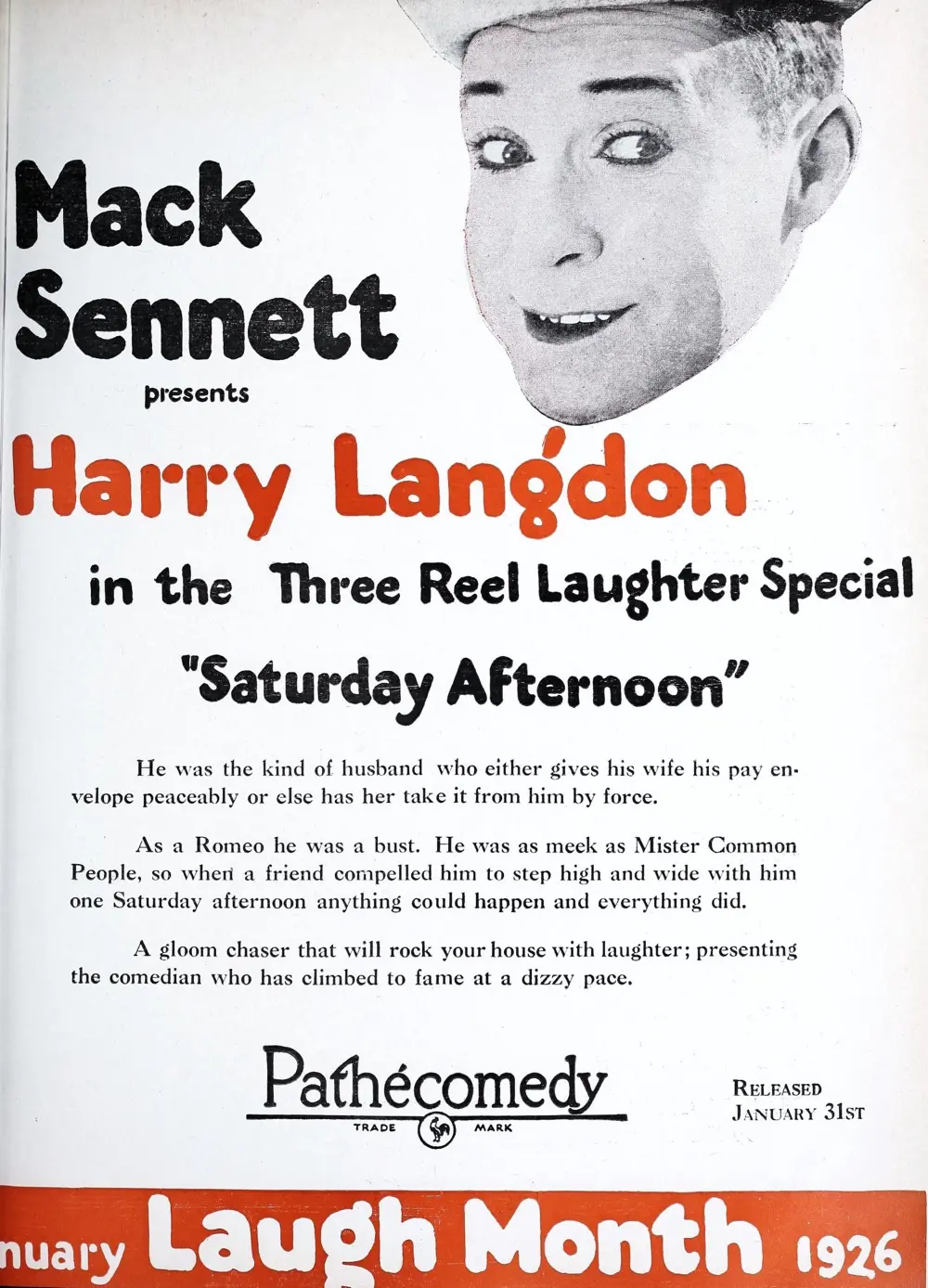
A definitive 6.3/10 rating for a film that redefined the boundaries of cult cinema. Saturday Afternoon remains a cornerstone of transgressive art.
Is Saturday Afternoon worth watching today? Short answer: yes, but with significant caveats that demand a specific palate. This silent comedy is a delightful, if deeply dated, peek into early cinematic slapstick, tailored for silent film aficionados and those curious about the roots of physical comedy. It is decidedly not for viewers seeking modern pacing, nuanced character development, or humor that doesn't rely heavily on broad gags and social mores of a bygone era.
Frank Capra’s early involvement as a writer gives Saturday Afternoon a certain historical weight, yet its primary appeal lies in Harry Langdon’s unique brand of childlike innocence mixed with bumbling defiance. The film works because of Langdon's peerless physical comedy, his ability to convey immense pathos and absurdity through subtle expressions and exaggerated movements. It fails because its narrative is thin, relying on a series of predictable mishaps that, while foundational to comedy, lack the sophisticated build-up seen in later works. You should watch it if you appreciate the historical context of silent film, enjoy the specific, gentle humor of Harry Langdon, and are willing to overlook a simplistic plot for moments of genuine, if archaic, laughter.
For those with an appreciation for the silent era, Saturday Afternoon offers a fascinating glimpse into the nascent stages of comedic storytelling. Harry Langdon, often overshadowed by contemporaries like Chaplin and Keaton, presents a distinct comedic persona—a perpetually bewildered man-child navigating a world too harsh for his soft sensibilities. This film is a quintessential example of his style, a slow-burn of escalating discomfort rather than rapid-fire gags.
However, modern viewers accustomed to fast cuts, complex plots, and dialogue-driven humor might find its pace excruciatingly slow. The humor, while effective for its time, often hinges on situational irony and physical predicament that can feel quaint, even predictable, by today's standards. It’s a film that asks for patience and a willingness to engage with a different comedic rhythm. If you're coming to this expecting the kinetic energy of a Buster Keaton chase or the pathos of a Chaplin tramp, you might be disappointed. Langdon operates on a different frequency entirely.
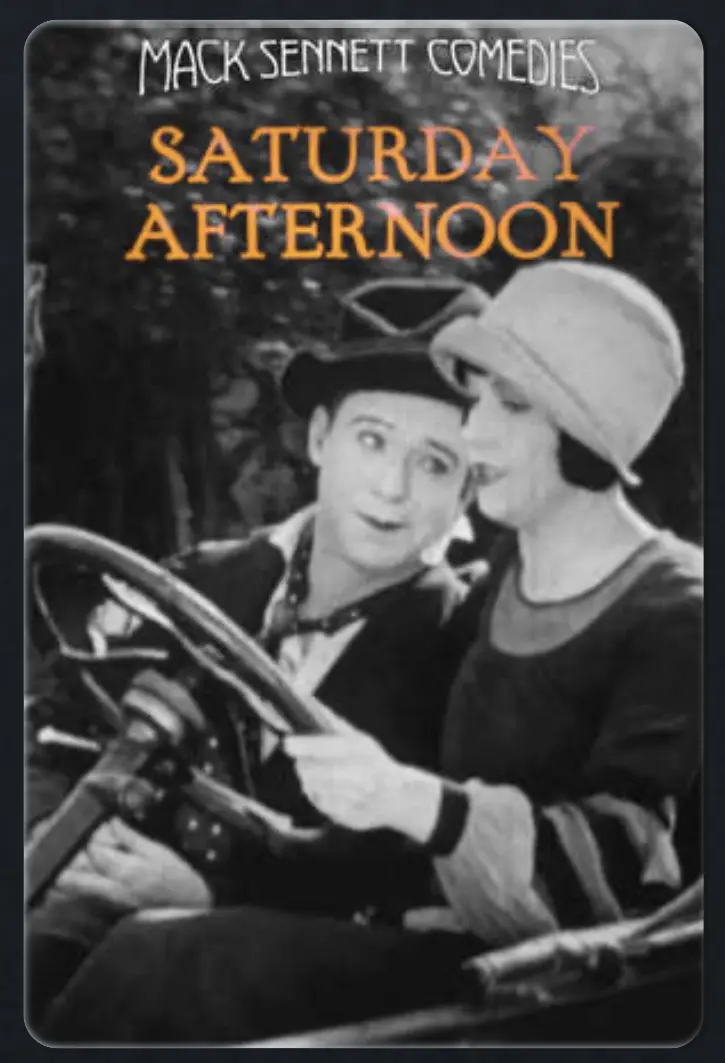
This film works because of Harry Langdon’s unique, understated comedic genius, particularly his ability to maintain a bewildered innocence amidst chaos.
This film fails because its plot is rudimentary, serving merely as a scaffold for gags rather than a compelling narrative in its own right.
You should watch it if you are a silent film enthusiast, a student of early comedy, or a fan of Harry Langdon's specific brand of bewildered humor.
Harry Langdon’s performance as the henpecked Harry is the undeniable cornerstone of Saturday Afternoon. Langdon wasn't a comedian of grand, athletic feats or profound social commentary, but rather a master of the slow burn, the delayed reaction, and the utterly baffled expression. His character in this film is a man caught between his overbearing wife and a friend's ill-conceived adventure, projecting a consistent air of childlike innocence that makes his every mishap simultaneously tragic and hilarious. One particular scene, where he attempts to feign nonchalance while his car slowly disintegrates around him on a bumpy road, perfectly encapsulates his understated brilliance. He doesn't panic; he merely processes, with wide, innocent eyes, the slow unraveling of his world.
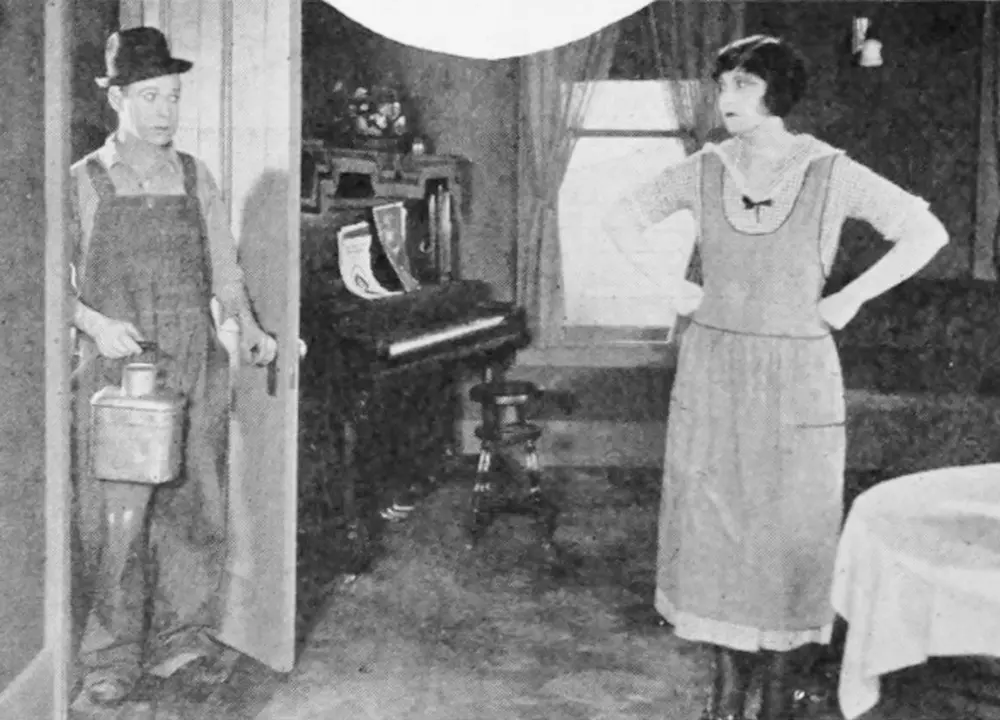
This isn't the frenetic energy of a What Happened to Jones, nor the acrobatic precision of a Buster Keaton. Langdon’s humor is derived from his sheer vulnerability. His Harry isn't trying to be funny; he's just trying to survive, and failing miserably in the most endearing way possible. The way he interacts with the streetwalkers, for instance, isn't overtly lecherous or even particularly aware; he’s merely a sheepish participant, driven by his friend’s misguided bravado. It’s a subtle form of anti-heroism that feels remarkably fresh, even today.
Alice Ward, as Harry's domineering wife, provides an excellent foil, her stern demeanor creating the perfect pressure cooker from which Harry longs to escape. Vernon Dent, as the 'good time pal,' is suitably boisterous and irresponsible, pushing Harry into increasingly compromising situations. Their chemistry, though brief, sets the stage for Harry’s pathetic journey. It's a testament to Langdon's presence that even with a strong supporting cast, your eyes are always drawn to his unique, almost fragile, screen persona.
I would argue that Langdon's particular brand of comedy, while less celebrated historically, offers a more intimate and psychologically nuanced portrayal of comedic suffering than some of his peers. He doesn't need grand gestures to convey distress; a slight tremble of the lip or a blink of his wide, innocent eyes is enough to communicate a universe of woe. This makes Saturday Afternoon a fascinating character study wrapped in a comedic package, a quiet rebellion against the more overt comedic styles of the era. It’s a performance that lingers, long after the laughter subsides.
Directed by Harry Langdon himself, with uncredited contributions from Frank Capra and Arthur Ripley, Saturday Afternoon showcases a directorial approach that prioritizes Langdon’s performance. The camera often frames him centrally, allowing his subtle facial expressions and reactions to drive the scene. This isn't a film bursting with innovative camera angles or complex tracking shots; rather, it’s a masterclass in staging for a single, compelling comedic presence.
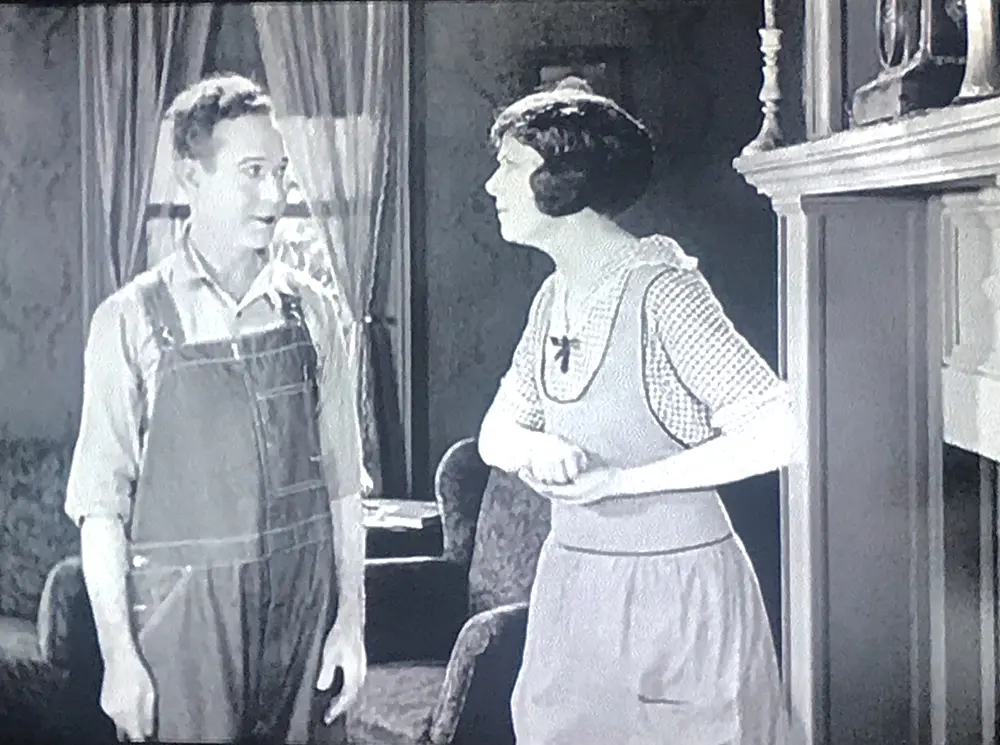
The cinematography, while typical of the era, effectively captures the chaotic progression of the double date. The exterior shots, particularly those on the 'bumpy road,' are well-executed, creating a visual metaphor for Harry's increasingly unstable situation. The physical gags, such as the car falling apart piece by piece, are clearly staged and filmed to maximize their comedic impact, even if they lack the explosive dynamism of a chase scene from The General (though that's a later film). The visual storytelling is straightforward, allowing the audience to focus on the escalating absurdity without unnecessary distractions.
One surprisingly effective directorial choice is the way the film handles the antagonists. The 'toughs' are introduced with just enough menace to create genuine stakes for Harry, but their actions are always tempered by the comedic context. There’s a scene where they corner Harry and his date, and the tension is palpable for a moment, before Langdon’s sheer bewilderment deflates the threat into another comedic beat. This delicate balance between peril and parody is a hallmark of good silent comedy, and it's handled with understated skill here.
The film's visual language, while simple, serves its purpose with precision. It frames Langdon as a small, insignificant figure against a world that constantly conspires against him. The use of close-ups on his face, especially during moments of extreme discomfort or revelation, is particularly effective in drawing the audience into his unique headspace. It's not flashy, but it's undeniably effective in conveying the film's core comedic intent.
The pacing of Saturday Afternoon is deliberate, even leisurely, by modern standards. This is a film that takes its time to build comedic tension, allowing Langdon’s reactions to unfold slowly. The initial setup, with Harry’s domestic woes, establishes his character’s motivations with careful, almost observational, detail. This slower tempo can be a challenge for contemporary audiences, but it is also precisely what allows Langdon’s unique comedic timing to shine.
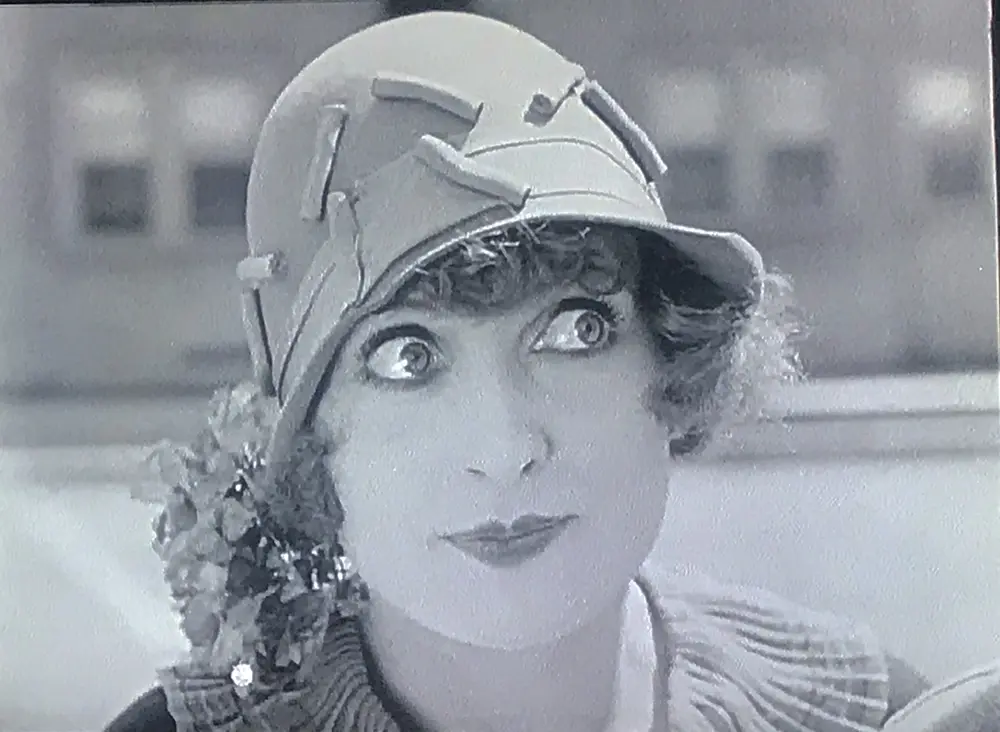
The tone oscillates between lighthearted farce and a subtle undercurrent of domestic unhappiness. Harry’s initial reluctance to join the double date isn’t just about fear of his wife; it’s about a genuine discomfort with stepping outside his routine, however miserable that routine might be. This blend of simple slapstick with a touch of melancholy gives the film a surprising depth. It works. But it’s flawed. The tonal shifts are not always smooth, occasionally feeling like abrupt turns rather than organic transitions, which is a common characteristic of silent shorts.
Is it timeless? In its depiction of a man's misguided attempt to escape domesticity, yes. The core premise of a 'clandestine double date' gone wrong is a comedic staple that has been reinterpreted countless times. However, the specific comedic stylings, the social context of streetwalkers, and the sheer physical degradation of the automobile itself are very much products of their era. While the universal themes resonate, the execution firmly anchors it in the 1920s. It's a historical artifact that still contains sparks of universal humor.
Compared to more robust silent features like The Kid or Sherlock Jr., Saturday Afternoon feels like a sketch prolonged. Yet, within that prolonged sketch, Langdon carves out moments of pure, unadulterated comedic brilliance. The film never quite reaches the epic scale or emotional resonance of its more famous counterparts, but it never aims to. Its ambition is smaller, more focused, and in that, it largely succeeds.
The plot of Saturday Afternoon is, by design, straightforward. Harry, under the thumb of his wife, is lured away for a forbidden rendezvous. What follows is a series of escalating misfortunes. This simplicity allows the film to foreground the gags and Langdon’s reactions rather than complex character arcs or intricate subplots. The narrative functions purely as a vehicle for comedic set pieces.
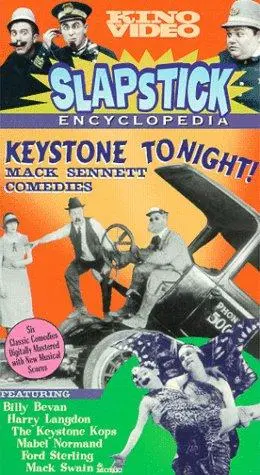
The 'bumpy roads' sequence is a prime example of this. The entire purpose of this segment is to create a scenario where Harry's car can be systematically dismantled, providing ample opportunity for physical comedy and his trademark bewildered expressions. Similarly, the encounter with the 'toughs' exists to introduce an element of danger that Harry, in his innocent way, must clumsily navigate. The plot isn't about character development; it's about putting Harry in increasingly uncomfortable positions.
One unconventional observation is how the film subtly critiques the illusion of freedom. Harry's escape from his wife's tyranny doesn't lead to liberation, but to a different, perhaps more immediate, form of subjugation and peril. His friend, the supposed liberator, is merely a catalyst for his woes. It suggests that for some, the grass isn't greener; it’s just a different shade of brown. This cynical undertone, while not overtly stated, gives the simple narrative a surprising layer of depth.
While the narrative is predictable, its execution is often charming. It's a testament to the writers (Al Giebler, Arthur Ripley, and Frank Capra) that even with such a basic premise, they manage to extract consistent, if gentle, humor. The progression from one mishap to the next feels organic within the film’s own logic, even if that logic is purely comedic. The final resolution, while not surprising, provides a satisfying, albeit temporary, conclusion to Harry's ordeal. It's a well-trodden path, but walked with a distinctive gait.
Saturday Afternoon is more than just a relic; it’s a charming, albeit flawed, piece of silent cinema that showcases the singular talent of Harry Langdon. While its narrative simplicity and deliberate pacing might deter some, those willing to immerse themselves in the comedic stylings of the 1920s will find a rewarding experience. It’s a film that asks you to slow down, appreciate the subtleties of physical comedy, and perhaps even sympathize with a man whose greatest ambition is a quiet afternoon away from his wife.
This isn't a film that will redefine your understanding of cinema, nor will it likely top anyone's 'best of' list. But for those intrigued by the roots of comedy, the nuanced performance of a forgotten star, or simply a dose of gentle, historical humor, Saturday Afternoon offers a surprisingly pleasant diversion. It’s a small, intimate portrait of comedic despair, and for that alone, it earns its place in the annals of film history. Give it a watch, but adjust your expectations accordingly. You might just find yourself charmed by Harry Langdon's enduring bewilderment.
IMDb 5.7
1935
Community
Log in to comment.