DbcultAccessing Vault...
7.1/10
Senior Film Conservator
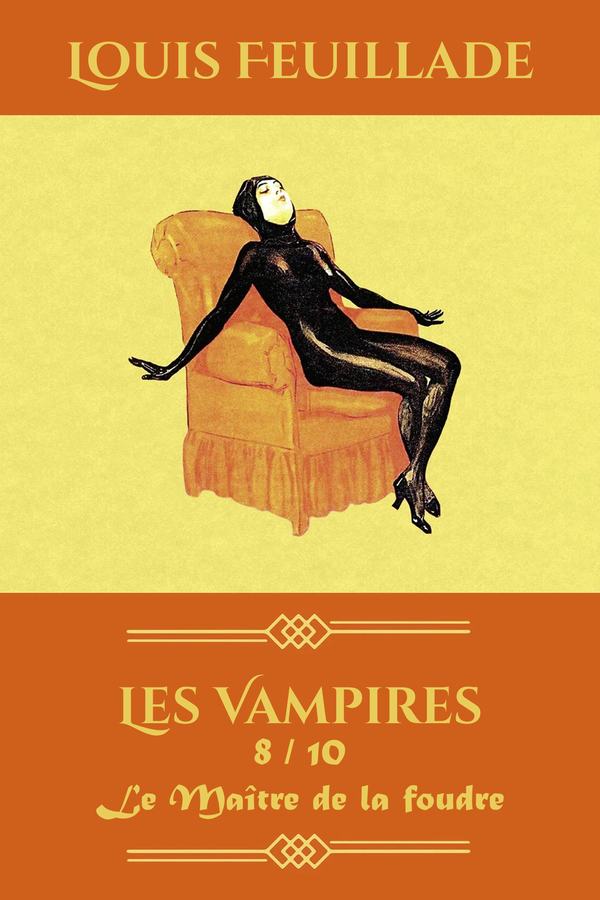
A definitive 7.1/10 rating for a film that redefined the boundaries of cult cinema. The Vampires: The Thunder Master remains a cornerstone of transgressive art.
The seventh installment of Louis Feuillade’s sprawling crime epic, The Vampires: The Thunder Master (Le Maître de la Foudre), serves as a pivotal juncture where the pulp sensibilities of early cinema collide with a burgeoning avant-garde aesthetic. Released in 1916, amidst the claustrophobic anxieties of the Great War, this chapter transcends the mere mechanics of the police procedural to offer a dreamlike, almost surrealist exploration of urban criminality. The figure of Satanas, portrayed with a chilling, aristocratic menace by Louis Leubas, truly ascends to his throne of chaos here, replacing the more visceral terror of the previous Grand Vampire with a calculated, intellectual villainy.
The film opens with an audacity that must have been breathtaking to contemporary audiences. The sight of Satanas disguised as a bishop visiting Irma Vep in prison is a masterstroke of subversive iconography. Feuillade utilizes the visual language of the Church to facilitate a liberation of the profane. Musidora, as Irma Vep, remains the undisputed gravitational center of the work. Even behind bars, her presence is electric, her gaze a mixture of defiance and feline grace. Unlike the more traditional heroines seen in The Pursuit of the Phantom, Irma Vep is not a victim of circumstance but an active architect of her own legend.
The escape sequence—involving the destruction of a ship—demonstrates Feuillade’s evolving grasp of large-scale spectacle. While the special effects of 1916 were rudimentary by modern standards, the rhythmic editing and the sheer narrative gall of the explosion provide a visceral thrill. It is a moment of high-stakes tension that rivals the pacing of The Eleventh Hour, yet it retains that uniquely French sense of poetic realism that would later influence the Surrealists and the filmmakers of the Nouvelle Vague.
What distinguishes The Thunder Master from its American contemporaries, such as The Squaw Man, is its profound relationship with the city of Paris. Feuillade’s camera treats the rooftops, the alleyways, and the bourgeois drawing rooms as characters in their own right. The deep focus photography allows for a layered narrative experience; while the primary action unfolds in the foreground, the bustling life of the city or the subtle movements of a hidden henchman in the background create a sense of a living, breathing world. This is not the staged, theatrical space of Tillie's Punctured Romance, but a proto-noir environment where danger lurks in every shadow.
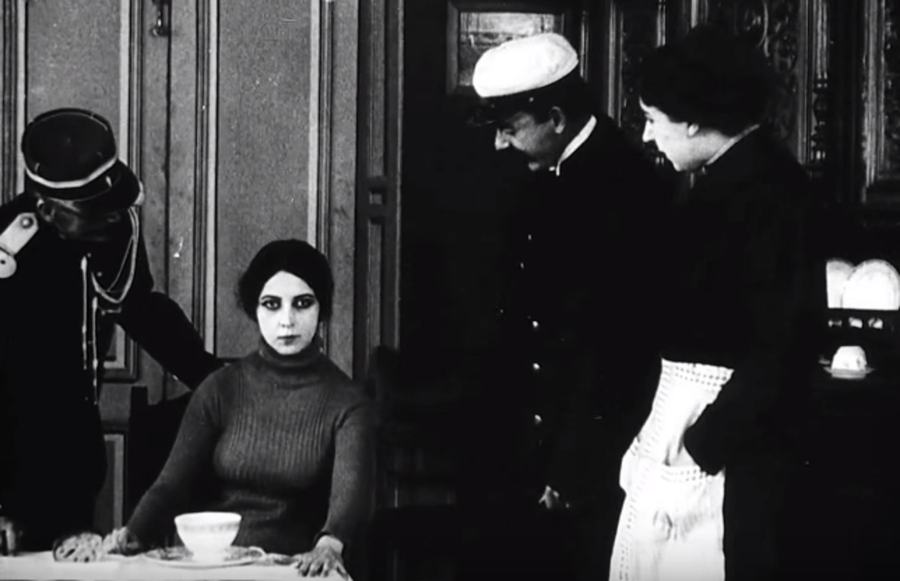
The use of natural light in the outdoor sequences contrasts sharply with the expressionistic shadows of the interior sets. This duality reflects the dual nature of the Vampires themselves—citizens by day, predators by night. The sequence where Irma Vep returns to Paris is particularly evocative, capturing a city that is simultaneously familiar and alien, a labyrinth of secrets where the law is perpetually one step behind the subterranean forces of anarchy.
Louis Leubas brings a Shakespearean weight to the role of Satanas. His "Thunder Master" is a man of science and strategy, a precursor to the modern supervillain. His ultimate capture and subsequent suicide in prison provide a somber, almost tragic resolution to his arc. This is not the simple moralistic triumph found in The Broken Promise. Instead, Satanas’s choice to end his own life is an act of supreme ego—a refusal to be processed by the machine of the state. It is a moment of dark romanticism that elevates the serial above its penny-dreadful origins.
The narrative complexity here is a far cry from the straightforward melodrama of The War Bride's Secret. Feuillade is exploring the moral ambiguity of a world in transition. The Vampires represent a chaotic response to a rigid social order, and their resilience—personified by Irma Vep’s survival—suggests that the darkness they represent can never be fully extinguished. The film’s preoccupation with the underworld mirrors the gritty realism of Peterburgskiye trushchobi, yet it wraps its social commentary in the glittering fabric of a thriller.
One cannot discuss The Vampires without acknowledging the monumental impact of Musidora. Her performance as Irma Vep (an anagram for Vampire) redefined the role of the woman on screen. She is neither the pure ingenue of En Død i Skønhed nor the comedic foil. She is a polymath of crime—an acrobat, a master of disguise, and a strategist. In The Thunder Master, her vulnerability during the prison sequences only serves to make her eventual triumph more potent. The chemistry between her and the ensemble cast, including Édouard Mathé as the dogged journalist Philippe Guérande and Marcel Lévesque as the comic relief Mazamette, creates a dynamic range of tone that keeps the viewer perpetually engaged.
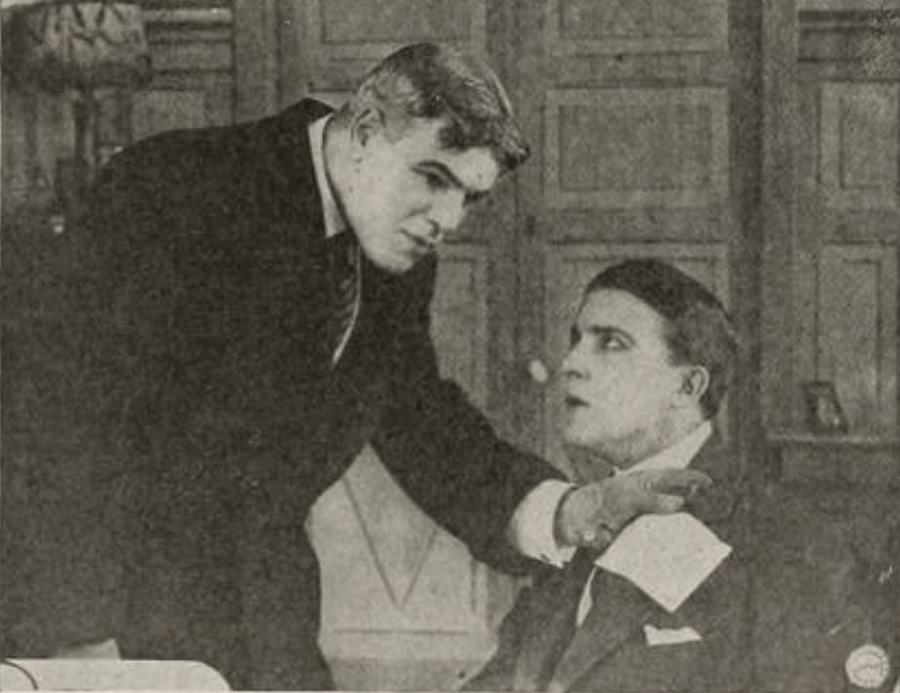
Mazamette, in particular, provides a necessary counterpoint to the grim machinations of Satanas. His presence ensures that the film never descends into pure nihilism, offering a humanistic anchor in a world of explosive ships and poisoned rings. This balance of humor and horror is a hallmark of Feuillade’s genius, a technique that would later be perfected by directors like Hitchcock.
Viewing The Vampires: The Thunder Master today requires a recalibration of our cinematic expectations. It is a film that demands patience, yet rewards it with a richness of detail and a sense of atmosphere that modern blockbusters often lack. The pacing is deliberate, allowing the tension to simmer before boiling over into action. It lacks the frenetic energy of The Sable Lorcha, but it replaces it with a haunting, persistent dread.
The influence of this specific chapter can be seen in everything from the gadgetry of James Bond to the gothic sensibilities of Batman. The image of the villainous mastermind orchestrating destruction from a hidden lair is perfected here. Furthermore, the film’s treatment of the criminal as a sort of dark celebrity prefigures our modern obsession with true crime and anti-heroes. While films like The Darkening Trail explored the moral decay of the individual, Feuillade explores the moral decay of a whole society, using the Vampires as a mirror to reflect the fractures in the Belle Époque.
As the credits roll—or rather, as the final iris closes—on The Thunder Master, we are left with a profound sense of transition. The death of Satanas marks the end of a specific type of malevolence, but the survival of Irma Vep ensures that the legend of the Vampires will continue to evolve. This chapter is a testament to the power of silent cinema to communicate complex themes of identity, power, and rebellion through purely visual means. It stands alongside works like Woman Against Woman; or, Rescued in the Clouds as a pinnacle of early 20th-century storytelling, proving that even in its infancy, the medium of film was capable of articulating the deepest anxieties and wildest fantasies of the human psyche.
Ultimately, The Thunder Master is more than just a piece of film history; it is a vibrant, breathing work of art that continues to fascinate and inspire. Its blend of pulp thrills and sophisticated direction makes it an essential experience for any serious cinephile. Louis Feuillade did not just make movies; he constructed a mythos, and in this seventh installment, that mythos achieves a terrifying, beautiful clarity.

IMDb —
1917
Community
Log in to comment.