DbcultAccessing Vault...
5.4/10
Senior Film Conservator
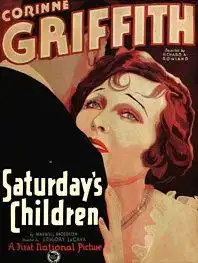
A definitive 5.4/10 rating for a film that redefined the boundaries of cult cinema. Saturday's Children remains a cornerstone of transgressive art.
If you are looking for a movie that basically says "marriage is a trap but also the only thing to do," then Saturday's Children is your winner. It is one of those late 20s films that feels stuck between being a comedy and a warning for young people.
I think anyone who has ever felt pressured to stay in their hometown will find this deeply uncomfortable. If you want something light and fun like Playin' Hookey, you should probably look elsewhere. 🏠
Corinne Griffith plays Bobby, and she is basically the whole show. She has this way of looking at Jim that makes you feel like she’s already decided his whole life for him before he even speaks.
The movie starts off sweet enough, but you can feel the tension as soon as they talk about the future. Jim, played by Grant Withers, has that "I’m going to be a big deal" look in his eyes that usually means he’s going to end up working in a factory and hating it.
There is this one scene in a kitchen that just feels so cramped. You can almost smell the stale coffee and the burnt toast.
It is one of those sets that looks a little too much like a stage play, but it works because they are supposed to feel trapped. Jim wants to leave and go do "big things," but Bobby just wants a house and a steady paycheck.
Actually, Jim is kind of a jerk. He just walks out on her! I was watching him and thinking, "just talk to her, man." But people in 1929 didn't talk, they just stared and walked into the rain. 🌧️
Then we get to the "feminine tricks" part of the plot. This is where the movie gets a bit... questionable for a modern audience.
Bobby basically manipulates him into coming back. It’s handled with a wink and a nod, like the audience is supposed to go, "Oh, that’s just how girls are!"
It reminded me a bit of the energy in Get Your Man, but way less fun and a lot more desperate. There’s a supporting character, Florrie, who is way more interesting than the leads sometimes.
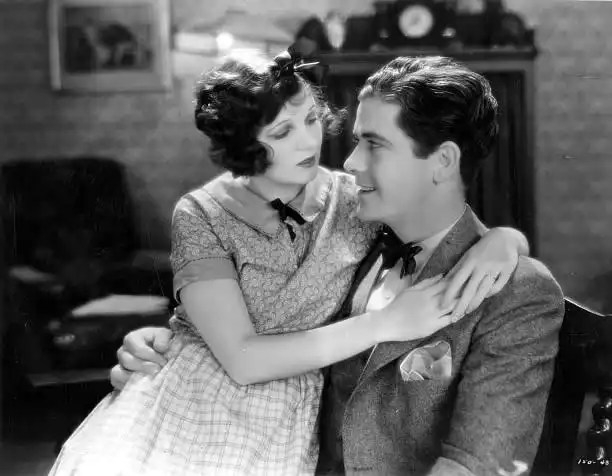
She gives this advice that is basically "get yours before he leaves you." It is pretty cynical for a movie this old.
The writing by Maxwell Anderson actually has some real bite to it. He didn't want this to be a fairytale, and you can tell he’s been in a few arguments himself.
One thing I noticed was the lighting in the bedroom scenes. It is very soft, almost too soft, like they are trying to hide how miserable they are.
There is a shot of a hairbrush on a dresser that the camera lingers on for way too long. I don't know if it was supposed to be symbolic or if the cameraman just liked the brush. 🪮
The pacing is a bit weird, honestly. It drags in the middle when they are just sitting around in their apartment.
You start to wonder if anything is actually going to happen or if we are just watching them pay bills. It is not as snappy as The Lottery Man, that's for sure.
I didn't love the ending. It felt a bit rushed, like the filmmakers realized they only had five minutes of film left and needed to fix the marriage fast.
But Corinne Griffith makes it worth a watch. She is just so present on screen, even when the script is being a bit silly, she stays grounded.
Overall, it is a weird little relic. It feels like a real person’s house, with real person problems, which is rare for the era.
Just don't expect a lot of happy moments. It is mostly just people being frustrated with each other while wearing very nice clothes.
If you have seen The Barker, you might recognize the tone. It has that late-silent era grit that started to show up right before the talkies took over everything. Anyway, it’s worth a look if you’re bored on a Saturday. Fitting, right?
IMDb 6.8
1919
Community
Log in to comment.