DbcultAccessing Vault...
6.1/10
Senior Film Conservator
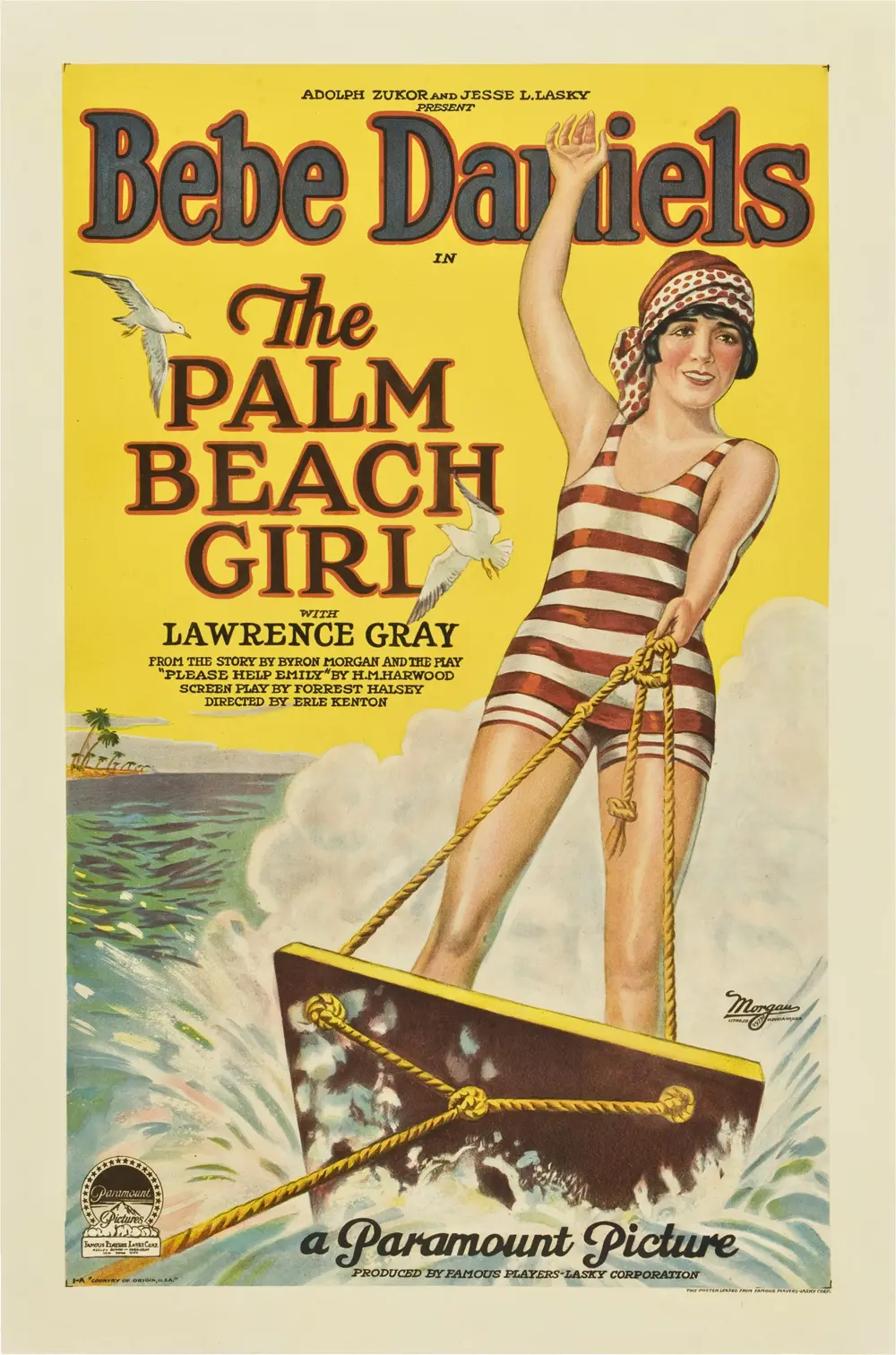
A definitive 6.1/10 rating for a film that redefined the boundaries of cult cinema. The Palm Beach Girl remains a cornerstone of transgressive art.
Is The Palm Beach Girl worth seeking out in the modern era? The short answer is a resounding yes, but with a few significant caveats that place it firmly in the category of 'niche delight' rather than 'universal classic.' This silent-era comedy offers a fascinating glimpse into the social mores and comedic sensibilities of the 1920s, anchored by a truly magnetic performance.
This film is for those with an appreciation for silent cinema, particularly slapstick and screwball precursors, and anyone curious about the early career of Bebe Daniels. It’s also a surprisingly sharp, if broad, satire of social climbing. It is not for viewers who demand intricate plots, sophisticated humor by modern standards, or those who struggle with the visual language of silent films.
Stepping into The Palm Beach Girl is like unearthing a time capsule of Jazz Age frivolity and social aspiration. Directed with a brisk pace that belies its age, the film plunges us headfirst into the world of Emily Bennett, played with infectious energy by Bebe Daniels. From the moment Emily's face is smudged with coal, setting off a chain reaction of social embarrassment for her aunts, the film establishes its comedic rhythm: a relentless march of escalating mishaps.
The premise, while simple, serves as a robust framework for Daniels' physical comedy and the film's broader satirical strokes. It's a testament to the era's storytelling that such an outlandish series of events could unfold with a certain charming plausibility, all without a single spoken word. The film doesn't aim for deep introspection; it aims for laughter, and largely succeeds.
This film works because of Bebe Daniels' utterly captivating performance and its unwavering commitment to comedic chaos. She is a force of nature, a proto-screwball heroine who commands every frame.
This film fails because its plot, while entertaining, often feels like a mere scaffold for gags, with character development taking a backseat. Certain comedic devices, particularly the initial 'blackface' premise, are undeniably uncomfortable through a modern lens, even if the film's intent was to highlight the aunts' superficiality rather than engage in genuine racial commentary.
You should watch it if you appreciate the raw, physical energy of silent comedy and want to see a star in the making. It’s a delightful, if occasionally problematic, piece of cinematic history.
The undeniable heart of The Palm Beach Girl is Bebe Daniels as Emily Bennett. Daniels, a prolific silent film actress who successfully transitioned to talkies, showcases a remarkable versatility here. She's not just a pretty face; she's a gifted physical comedian, capable of expressing a vast range of emotions and intentions through exaggerated gestures, expressive eyes, and perfectly timed pratfalls. Her performance as Emily is a masterclass in silent screen acting.
Consider the scene of the motor-boat christening. Emily, tasked with the ceremonial breaking of a champagne bottle, turns it into an absolute disaster. Daniels doesn't just fumble; she attacks the bottle with a comical ferocity, splashing everyone, tripping over ropes, and ultimately launching the bottle into the water with an accidental flourish. It’s a sequence that could easily fall flat, but Daniels' commitment and boundless energy elevate it into pure comedic gold. She conveys Emily's well-meaning but utterly inept nature with such charm that you can't help but root for her, even as she wreaks havoc.
Her dynamic with Lawrence Gray's Jack Trotter is also a highlight. Gray, while somewhat overshadowed by Daniels' effervescence, plays the bewildered playboy with a charming sincerity that grounds Emily's antics. Their chemistry, though often expressed through exasperated glances and accidental proximity, hints at the romantic comedy tropes that would define the genre for decades to come.
“Daniels doesn’t just perform slapstick; she embodies it. Her Emily Bennett is less a character and more a force of nature, a hurricane in a flapper dress.”
It’s a performance that reminds us why Daniels was such a beloved star. She imbues Emily with a delightful blend of innocence, clumsiness, and an almost accidental defiance that makes her utterly watchable. Without her, the film would likely be a mere footnote. With her, it's a vibrant, if imperfect, piece of cinematic history.
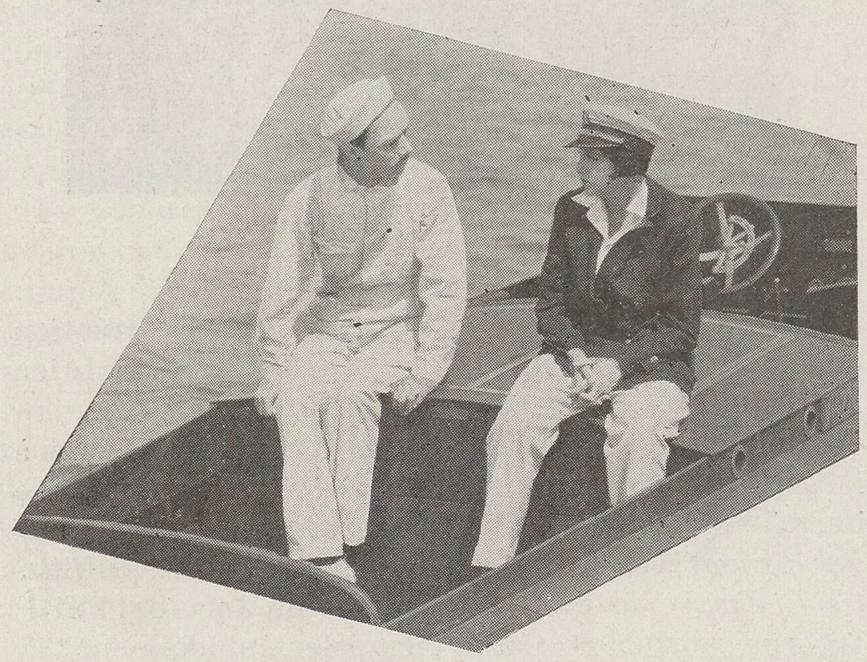
The direction of The Palm Beach Girl, while not groundbreaking, is highly effective in serving the film's comedic purpose. The director understands the rhythm of silent comedy, allowing gags to build and ensuring that the physical humor lands with maximum impact. There’s a certain efficiency to the storytelling, moving from one plot point to the next with a clear, unpretentious drive.
Pacing is crucial in silent film, and here, it’s generally excellent. The film rarely lags, maintaining a brisk tempo that keeps the audience engaged. The escalating series of unfortunate events, from the train incident to the boat christening and finally the bootlegger encounter, are strung together tightly. This propulsive energy is vital for a film so reliant on continuous comedic momentum. For instance, the transition from the social embarrassment of the aunts to Emily’s next blunder with Jack Trotter is seamless, ensuring the comedic tension never fully dissipates.
Cinematography, while not overtly artistic or experimental, is competent and functional for the era. The camera work effectively captures the glamour of Palm Beach, even if through a slightly idealized lens. Shots of the beach, the boats, and the lavish interiors convey the desired atmosphere of wealth and leisure, providing a stark contrast to Emily’s disruptive presence. The framing of key comedic moments, such as the aunts’ horrified expressions or Emily’s wide-eyed bewilderment, is always clear and effective. There’s a particular shot of Emily peering out of the train window, her innocent expression about to be comically marred, that perfectly sets the tone for the ensuing chaos.
The editing, too, deserves credit for its role in maintaining the film’s comedic timing. Quick cuts are used to emphasize reactions and accelerate the pace during moments of high energy, like the chase sequences or the frantic attempts to manage Emily's mishaps. This technical proficiency, while perhaps not flashy, allows Daniels' performance to shine without distraction.
At its core, The Palm Beach Girl is a lighthearted farce. Its tone is overwhelmingly comedic, designed to elicit chuckles and guffaws through physical comedy and situational irony. However, beneath the surface of the slapstick, there are faint echoes of social commentary. The aunts' desperate attempts to climb the social ladder, and their abject horror at Emily’s every faux pas, offer a satirical jab at the superficiality of high society and the ridiculous lengths people will go to for perceived status.
The film subtly critiques the rigid social codes of the era, where a smudged face could cause a full-blown crisis for aspiring socialites. Emily, in her innocent clumsiness, becomes an unwitting agent of disruption, exposing the fragility and absurdity of these carefully constructed social facades. Her “bungling” isn't malicious; it’s simply her nature, and it’s a refreshing counterpoint to the calculated pretenses around her.
“The film’s most surprising success is its accidental commentary on class pretense. Emily, the agent of chaos, is also the truth-teller, exposing the fragility of her aunts’ social aspirations.”
The inclusion of bootleggers also grounds the film in its Prohibition-era context, adding a layer of contemporary relevance, even if their portrayal is largely cartoonish. It's a reminder that even in the sun-drenched playground of the wealthy, illicit activities simmered just beneath the surface.
When placed alongside other silent comedies of its time, The Palm Beach Girl holds its own, particularly in its star's performance. While it might not possess the elaborate set pieces of a Buster Keaton film or the profound social observations of some Charlie Chaplin works, it shares a spirit with lighter, more character-driven comedies. One might draw parallels to films like Footlight Maids in its focus on female-led comedic antics or the lighthearted romantic escapades found in The Princess of New York, another Daniels vehicle. It’s less about grand narratives and more about the sheer joy of watching a charismatic lead navigate absurd situations.
The film’s reliance on the ‘fish out of water’ trope and escalating misunderstandings is a hallmark of silent comedy, a formula perfected by many. However, Daniels' unique blend of charm and chaos gives The Palm Beach Girl a distinct flavor. It’s not trying to reinvent the wheel, but it spins it with considerable flair.
The Palm Beach Girl is a vibrant, if imperfect, relic from the silent era. It works. But it’s flawed. Its primary draw is undoubtedly Bebe Daniels, who delivers a performance so full of life and comedic ingenuity that it transcends the film's occasional narrative shortcomings and its unfortunate opening premise. While the film’s initial comedic trigger is undeniably a product of its time and jarring for contemporary sensibilities, it's quickly superseded by Daniels' relentless ability to generate chaos and laughter.
For those willing to engage with silent cinema and overlook its dated elements, this film offers genuine enjoyment and a valuable look at the roots of modern comedy. It's a testament to the power of a charismatic star to elevate even the simplest of stories. You won't find profound cinematic artistry here, but you will find a delightful, energetic romp that reminds us why Bebe Daniels was, and remains, a significant figure in film history. It's a film that deserves to be seen, if only for the sheer joy of watching Daniels in full, glorious flight.
IMDb —
1924
Community
Log in to comment.