DbcultAccessing Vault...
Cult Review
Senior Film Conservator
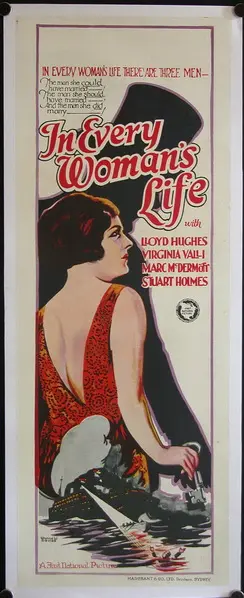
In Every Woman's Life is a rich tapestry of 1920s cinematic storytelling, capturing the essence of a young American woman, Sara Langford, finding herself at the crossroads of love and betrayal in the vibrant city of Paris. The film delves into the labyrinthine world of romance, where the line between admiration and obsession blurs, and the effects of one's actions reverberate through the corridors of time.
The plot unfolds with Sara, a spirited and innocent American, navigating the labyrinthine world of Parisian society. Her life is soon complicated by the sudden appearance of three distinct suitors, each with their own motivations and intentions. Count Desanges, a charismatic and older gentleman, is drawn to Sara's innocent charm and offers her a life of luxury, yet his age and the unspoken weight of his past cast a shadow over their relationship.
Thomas Carlton, a married man, sees Sara as a means to an end, a conquest to satisfy his desires. His presence in the narrative is a stark contrast to the refined and romantic Count, embodying the raw, unfiltered nature of human ambition and the disregard for consequences. Carlton's character is a study in the darker aspects of human nature, showcasing the depth of his character's flaws and the extent to which he is willing to go to achieve his goals.

Then there is Julian Greer, Sara's true love, a man who enters her life with honesty and purity, offering her a future built on trust and mutual understanding. Greer's character is the embodiment of a romantic ideal, his presence a beacon of light in the otherwise murky waters of the film's narrative. However, his involvement in a dangerous situation places Sara in peril, leading to a series of tragic events that test the limits of love and loyalty.
The climax of the film is a heart-wrenching sequence that combines the physical and emotional upheavals of the protagonists' lives. In a dramatic rescue attempt, Count Desanges, who has permanently paralyzed in a previous incident, manages to shoot Thomas Carlton in a fit of protectiveness. This event not only serves as a pivotal moment in the plot but also as a reflection of the broader themes of control and the extent to which individuals are willing to go to safeguard what they hold dear.
Ultimately, the film resolves in a manner that is both satisfying and bittersweet, with Sara and Julian Greer being reunited, their love tested and strengthened by the trials they have endured. The ending is a poignant reminder of the enduring power of true love, even in the face of overwhelming adversity.
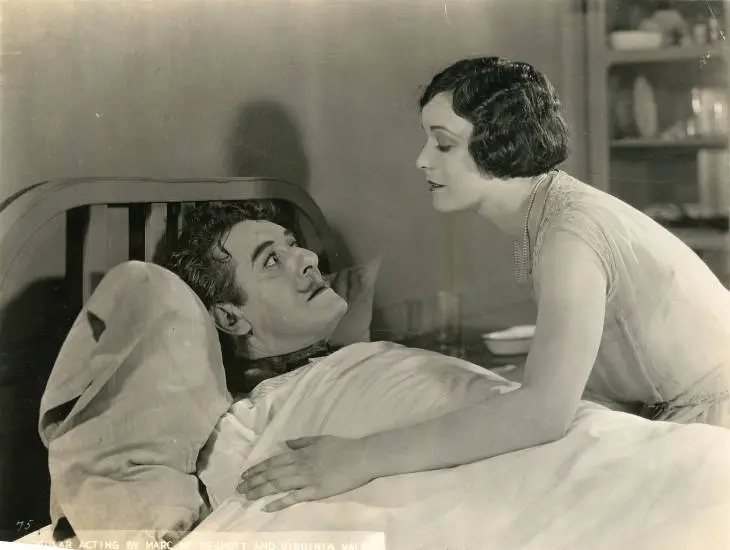
The performances in In Every Woman's Life are uniformly strong, with Vera Lewis delivering a nuanced portrayal of Sara's emotional journey. Her character's growth from innocence to resilience is a testament to Lewis' acting prowess. Marc McDermott, as Count Desanges, brings a depth of character that is both intriguing and slightly unsettling, while George Fawcett's portrayal of Thomas Carlton is a tour de force, showcasing the actor's ability to convey a range of emotions from vulnerability to sheer malevolence.
The film's direction by Albert S. Le Vino is a masterclass in visual storytelling, with a particular emphasis on the Parisian setting. The cinematography captures the beauty and the drama of the city, with each scene meticulously composed to enhance the narrative. The use of light and shadow, particularly in the iconic Parisian cafes and streets, adds a layer of emotional depth to the film, making the viewer feel as though they are a part of the story.
The score, composed by an uncredited artist, complements the film's emotional undertones, enhancing the sense of drama and suspense. The music swells during the climactic scenes, heightening the emotional impact of the conflicts and resolutions, and provides a soothing balm during the quieter, more reflective moments.
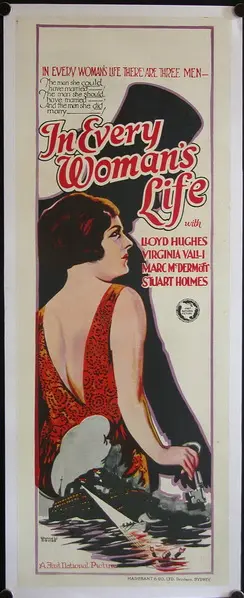
While the film is undoubtedly a product of its time, with certain narrative conventions that are now perhaps a tad more predictable, it remains a captivating exploration of the complexities of human relationships. In Every Woman's Life is a film that rewards close attention, as its layers of emotion and plot complexity offer a rich experience for the viewer. It is a testament to the enduring power of cinema to explore the depths of the human heart, even in the most challenging of circumstances.
For lovers of classic cinema, In Every Woman's Life is a must-see, offering a glimpse into a bygone era of filmmaking and storytelling. Its themes of love, betrayal, and the search for true self are as relevant today as they were over a century ago, making it a timeless piece of art that continues to resonate with audiences.
Whether you are a fan of the romantic drama genre or simply interested in exploring the nuances of human emotion, In Every Woman's Life is a film that should not be missed. It is a work of art that deserves to be celebrated for its emotional depth and the skill with which it brings its story to life.
IMDb 4.9
1932
Community
Log in to comment.