DbcultAccessing Vault...
5.4/10
Senior Film Conservator
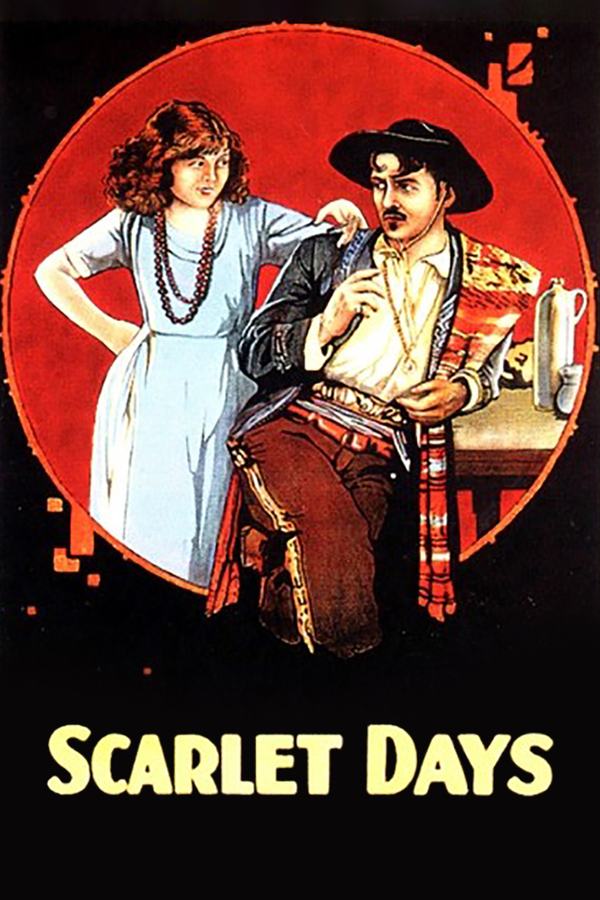
A definitive 5.4/10 rating for a film that redefined the boundaries of cult cinema. Scarlet Days remains a cornerstone of transgressive art.
Stepping back into the cinematic landscape of 1919 is akin to sifting through historical strata, each layer revealing fascinating insights into an era long past, yet surprisingly resonant. Among the treasures unearthed from this silent film epoch is Scarlet Days, a compelling narrative penned by Stanner E.V. Taylor. This film, a product of an industry still finding its voice, yet already masterfully telling stories through gesture, expression, and the evocative power of light and shadow, offers a window into the romanticized grit of the California Gold Rush. It’s a period piece, yes, but its core themes of redemption, love’s transformative power, and the inherent conflict between societal law and individual desire remain evergreen, speaking volumes across the decades to contemporary audiences willing to engage with its unique language.
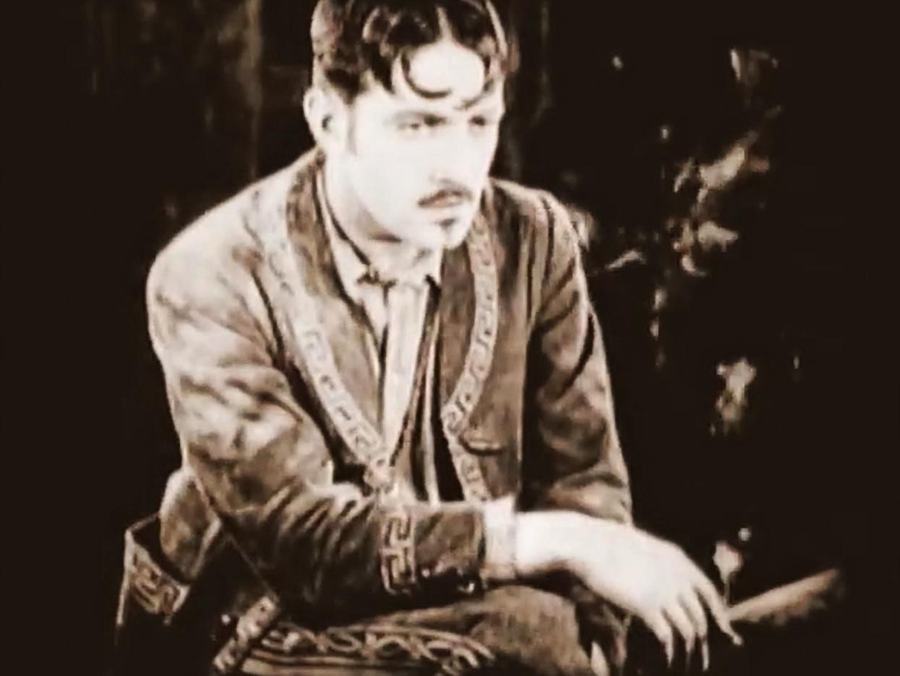
The film plunges us directly into the lawless fervor of 1849 California, a landscape both breathtakingly beautiful and brutally unforgiving. Here, the promise of instant wealth breeds a peculiar brand of desperation, giving rise to figures like Alvarez. He is not merely a bandit; he is a character carved from the very rough-hewn timber of the frontier itself – charismatic, dangerous, and possessing a certain undeniable magnetism. His raids on the nascent mining camps are not depicted as mere acts of villainy, but rather as desperate measures in a desperate time, though his methods are unequivocally criminal. Richard Barthelmess, in a performance that underscores his emerging talent, imbues Alvarez with a complexity that transcends the simplistic 'good versus evil' dichotomy. He's not purely monstrous; there's a flicker of something more, a hint of a soul perhaps misguided rather than irretrievably lost, beneath the hardened exterior of the notorious outlaw. This nuanced portrayal is crucial, as it lays the groundwork for the profound transformation that is to come.
The narrative pivot arrives with the introduction of the unnamed 'good woman,' a figure of unwavering moral fortitude and gentle resolve. Portrayed with an understated grace by Carol Dempster, her presence acts as a counterpoint to the wild abandon and moral ambiguity of Alvarez’s world. She represents a different kind of strength, one rooted in empathy and an unshakeable belief in human decency. Their initial encounters are fraught with tension, a clash of two diametrically opposed worlds. Yet, it is through her steadfast compassion, her refusal to judge him solely by his past transgressions, that Alvarez begins to see a path beyond his life of crime. This isn't a sudden, melodramatic conversion; rather, it’s a gradual, painstaking process, illustrated through subtle glances, hesitant gestures, and the silent poetry of the silent film medium. The film masterfully uses these visual cues to depict the slow erosion of Alvarez’s hardened heart, chipped away by the persistent, gentle force of genuine affection.
The screenplay, crafted by Stanner E.V. Taylor, eschews simplistic resolutions, instead opting for a more believable arc of redemption. The woman’s love is not a magic wand; it is a catalyst that ignites Alvarez’s dormant capacity for good, challenging him to confront the consequences of his actions and aspire to a different future. This interplay between the lawless individual and the civilizing influence of love is a recurring motif in cinematic history, but Scarlet Days presents it with an earnestness and directness that is characteristic of its era. It’s a testament to the power of human connection, suggesting that even in the most desolate moral landscapes, a beacon of hope can emerge, guiding lost souls towards a more righteous path. This thematic exploration sets it apart, allowing it to delve into questions of identity and moral transformation that resonate far beyond the confines of its historical setting.

Beyond the central duo, the supporting cast lends considerable weight to the film's atmosphere. Kate Bruce, Adolph Lestina, Eugenie Besserer, Ralph Graves, George Fawcett, Clarine Seymour, Rhea Haines, Walter Long, Herbert Sutch, and J. Wesley Warner each contribute to the vivid portrayal of the gold rush community. Their performances, often exaggerated by modern standards but perfectly attuned to the silent film aesthetic, paint a rich tableau of frontier life, from the desperate miners to the vigilant townsfolk. Walter Long, often typecast as villains, likely adds a menacing presence, further highlighting Alvarez's journey away from such company. Clarine Seymour, known for her vibrant screen presence, would have brought a distinctive energy to her role, whatever its size. The collective efforts of these actors create a believable world, enhancing the stakes of Alvarez’s personal drama.
The direction, though not explicitly credited to a well-known master like D.W. Griffith in the prompt, clearly benefits from the evolving cinematic language of the time. The use of intertitles, while necessary for dialogue and exposition, is judiciously balanced with visual storytelling. Close-ups emphasize emotional states, wide shots capture the grandeur and isolation of the frontier, and the editing rhythm builds suspense during the raids and tender intimacy during the romantic interludes. The cinematography effectively conveys the harsh beauty of the Californian landscape, making it an active participant in the narrative, rather than a mere backdrop. One can almost feel the dust of the trail and the chill of the desert nights, testament to the visual artistry at play. This attention to detail in both performance and visual composition elevates Scarlet Days beyond a simple genre piece into a compelling character study.
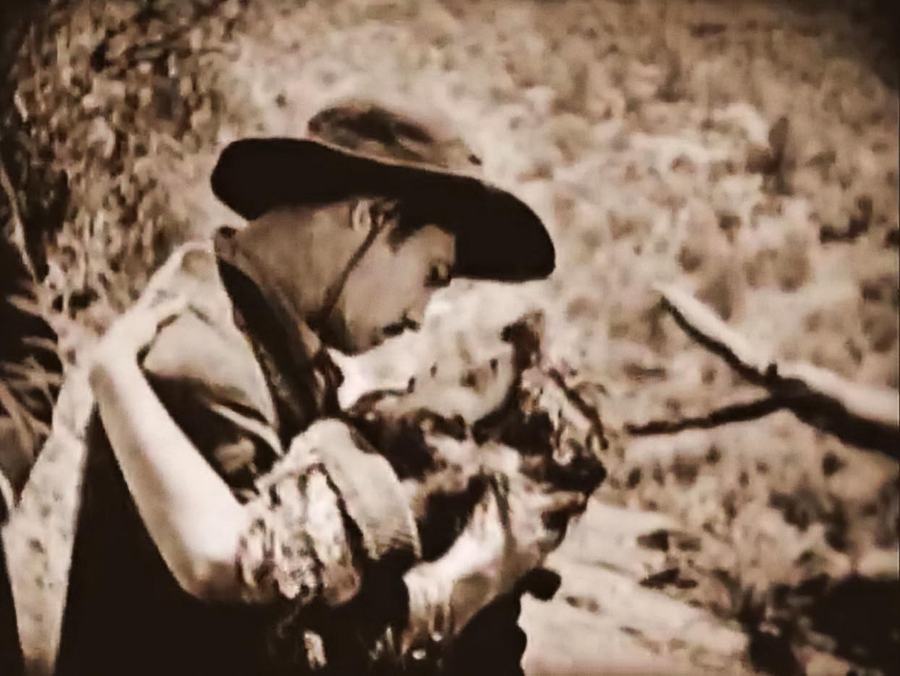
Thematically, Scarlet Days explores the intricate dance between justice and mercy, lawlessness and order, especially pertinent in the chaotic environment of the Gold Rush. Alvarez’s crimes are not without victims, and his path to redemption is not without internal and external obstacles. The film subtly questions what constitutes true justice: punitive retribution or the transformative power of a changed heart. This moral ambiguity adds depth, preventing the story from becoming a saccharine romantic fantasy. The struggle within Alvarez is palpable, a silent battle waged on his expressive face, as he grapples with the weight of his past and the promise of a future defined by love.
In this regard, one might draw parallels to other silent era narratives dealing with moral awakening or the consequences of past actions. For instance, while vastly different in setting, a film like The Children Pay explores the ripple effects of parental choices, hinting at the potential for personal reckoning and the desire to break free from a detrimental legacy. Similarly, the trope of the 'rough lover' finding his softer side, as seen in The Rough Lover, is a classic cinematic motif, but Scarlet Days infuses it with a particular earnestness, framing it against the rugged, untamed backdrop of the American West. The wilderness itself becomes a character, mirroring the wildness within Alvarez and the challenge of taming both.
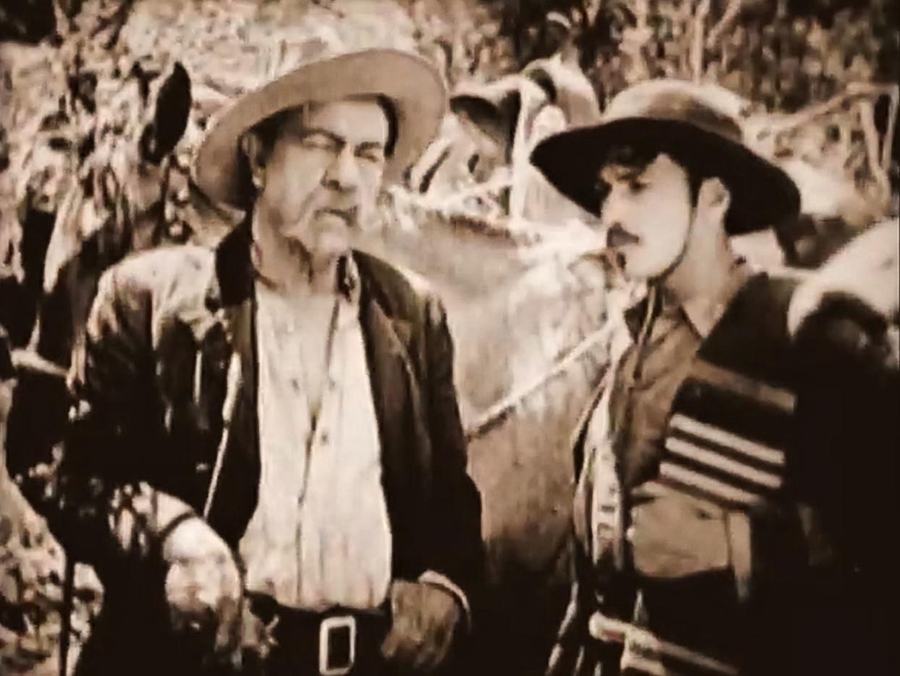
The film’s portrayal of the 1849 Gold Rush is more than just scenic dressing. It’s an examination of a nascent society grappling with its own identity, where the lines between entrepreneurship and exploitation often blurred. The rapid influx of people, the scramble for resources, and the often-absent hand of established law created a fertile ground for both audacious ambition and desperate criminality. Scarlet Days captures this spirit, presenting a world where survival often dictated morality, making Alvarez's eventual embrace of a 'good' life all the more significant. It’s a testament to the enduring human capacity for change, even when surrounded by the most challenging circumstances.
One of the remarkable aspects of silent cinema like Scarlet Days is its ability to communicate profound human experiences without spoken dialogue. It relies on a universal language of emotion, conveyed through exaggerated expressions, symbolic gestures, and carefully composed visual narratives. This reliance on visual literacy challenges modern viewers, accustomed to explicit dialogue and rapid-fire editing, to engage with the film on a different, perhaps deeper, level. It invites a more active participation in deciphering the nuances of character and plot, rewarding patience with a rich emotional payoff. The film becomes a canvas upon which the audience projects their own understanding of love, loss, and the eternal quest for meaning.
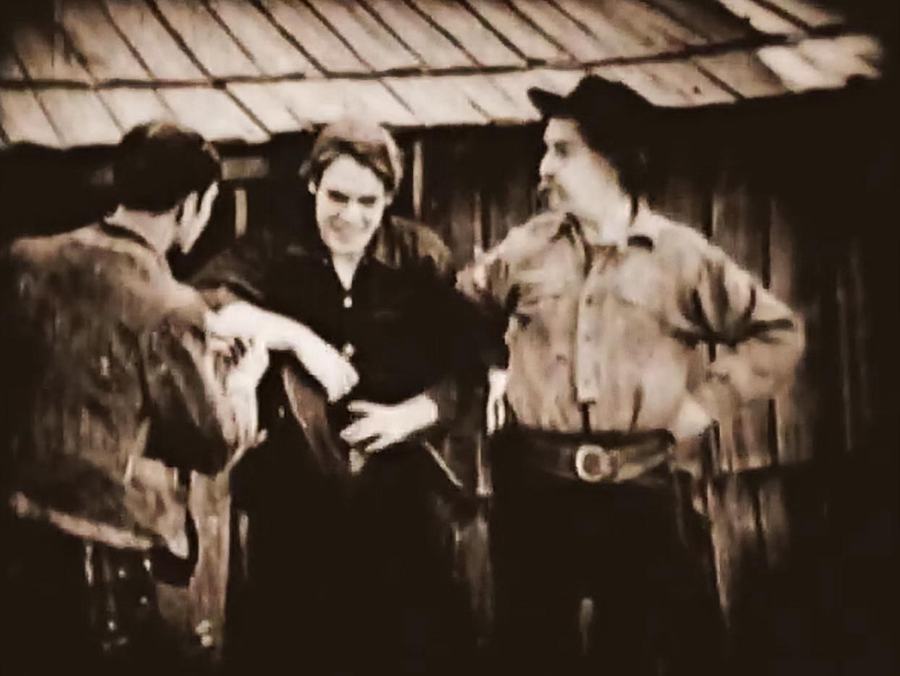
In an era where cinema was still a relatively young art form, Stanner E.V. Taylor's screenplay for Scarlet Days demonstrates a sophisticated understanding of dramatic structure and character development. It’s not just a series of events; it’s a carefully orchestrated journey, a moral odyssey that sees its protagonist evolve from a figure of fear to one of nascent hope. The narrative avoids easy answers, instead portraying redemption as a process, a choice that must be continually affirmed. This nuanced approach ensures that the film remains compelling, even a century after its initial release.
Ultimately, Scarlet Days is more than just a historical curiosity; it’s a poignant exploration of the human heart’s capacity for change. It’s a reminder that even in the most rugged and lawless corners of the world, and within the most hardened of individuals, the seeds of goodness can be sown and nurtured by the unwavering power of love. The film’s lasting appeal lies not just in its portrayal of a bygone era or its thrilling banditry, but in its timeless message: that redemption is always possible, and that true love possesses an alchemy capable of transforming even the most scarlet of pasts into a future imbued with hope. For anyone seeking to understand the foundational narratives of American cinema, or simply wishing to witness a beautifully crafted tale of transformation, Scarlet Days offers a deeply rewarding experience, a silent masterpiece that continues to speak volumes.
IMDb 5.4
1936
Community
Log in to comment.