DbcultAccessing Vault...
Cult Review
Senior Film Conservator
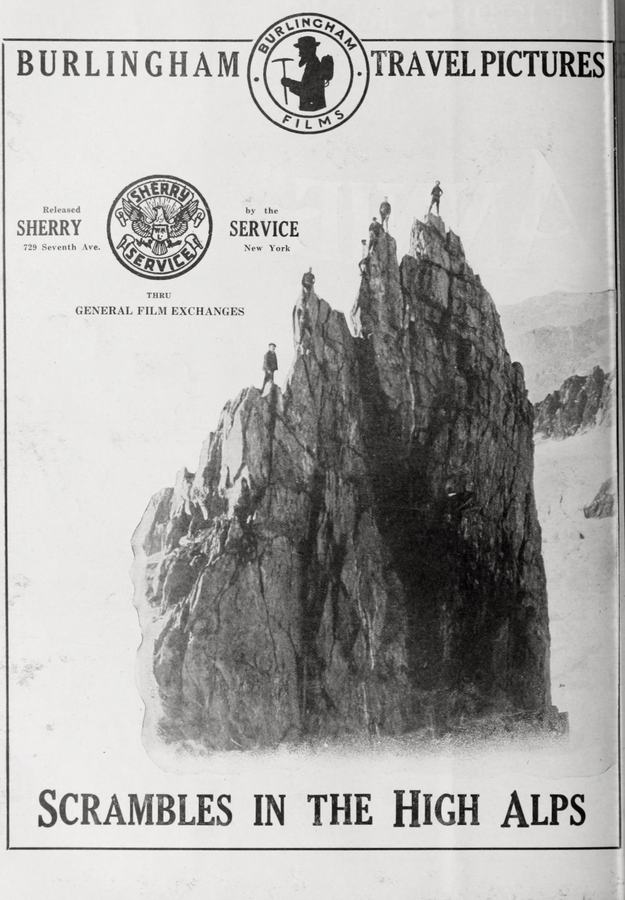
From the very first frame, Scrambles in the High Alps seizes the viewer, pulling them into a world of breathtaking grandeur and unyielding challenge. This is not merely a film; it is an expedition, a profound sensory immersion into the very heart of the alpine wilderness that defines the Swiss and Italian frontiers. The documentary, rather than recounting a simple narrative, crafts an intricate tapestry of human endeavor interwoven with the raw, elemental power of nature. It’s a compelling exploration of what drives individuals to confront such formidable, often deadly, beauty.
The cinematography alone is a masterclass in capturing the monumental scale of the mountains. Drones glide with an almost avian grace, offering perspectives previously unimaginable, tracing the delicate dance of climbers against vast, indifferent rock faces. Close-ups, conversely, reveal the texture of weathered granite, the glint of ice axes, and the focused intensity in a climber’s eyes, bringing an intimate humanity to an otherwise inhuman landscape. The interplay of light and shadow, the ephemeral dance of clouds across jagged peaks, and the sheer verticality of the world depicted here are rendered with an artistic precision that elevates mere footage into cinematic poetry. One cannot help but feel a profound sense of awe, a humbling recognition of nature's unparalleled artistry and terrifying might. It brings to mind the relentless pursuit of an ideal, much like the thematic undercurrents one might find in a film like The Unattainable, though here, the 'unattainable' is a physical summit, a tangible, yet fleeting, moment of conquest.
Beyond the visual spectacle, the sound design of Scrambles in the High Alps is equally compelling. The film masterfully employs silence as a character, allowing the vast quietude of the high altitudes to envelop the viewer, punctuated only by the crisp crunch of crampons on ice, the rhythmic scrape of rope, or the distant, resonant rumble of an unseen avalanche. These auditory details are not just incidental; they are crucial components of the immersive experience, grounding us in the perilous reality of the environment. The wind, at times a gentle whisper, at others a furious roar, becomes a constant, almost sentient presence, reminding us of the capricious forces at play. This meticulous attention to the acoustic landscape amplifies the sense of isolation and vulnerability, making the viewer feel every icy gust and every strenuous breath.
The human element, though often dwarfed by the mountainous backdrops, emerges as the film's beating heart. We are not introduced to specific 'characters' in the traditional sense, but rather to archetypes of resilience, determination, and an almost spiritual connection to the peaks. Their faces, etched with concentration, sometimes reveal fleeting moments of pure elation or profound exhaustion. The documentary deftly captures the meticulous preparation, the technical prowess, and the sheer physical and mental fortitude required for these ascents. There’s an unspoken camaraderie, a reliance on partners that speaks volumes about trust and shared purpose in the face of extreme danger. It’s a testament to the human spirit’s capacity for endurance, a theme that resonates deeply and perhaps finds a parallel in the raw emotional struggle depicted in Scars of Love, albeit in a vastly different context of overcoming adversity. Here, the 'scars' are often literal, but the emotional fortitude is equally profound.
The Alps themselves are undeniably the central protagonist. The film doesn't just show them; it explores their geological history, their climatic whims, and their enduring mystique. We learn, implicitly, about the complex ecosystem that thrives in these harsh conditions, and the delicate balance that mountaineers must respect. The documentary touches upon the historical lineage of alpinism, hinting at the pioneers who first dared to venture into these realms, forging routes and pushing the boundaries of what was thought possible. This historical context enriches the contemporary climbs, connecting the present-day adventurers to a rich legacy of exploration and conquest. The sense of an ancient, powerful force is palpable throughout, a presence that commands respect, even fear, from those who dare to trespass upon its domain.
The film's pacing is deliberate, allowing moments of intense action to breathe alongside extended periods of serene, contemplative observation. This ebb and flow mirrors the climbing experience itself: bursts of strenuous effort followed by moments of rest, strategizing, and simply absorbing the immense beauty of the surroundings. There's no forced drama; the inherent stakes of the environment provide all the tension necessary. Every placement of a piton, every careful step across a crevasse, every decision made on a precarious ledge feels weighty, consequential. This authenticity is one of the documentary's greatest strengths, allowing the viewer to feel like an unobtrusive companion on these incredible journeys.
What Scrambles in the High Alps ultimately achieves is a profound meditation on the human condition. Why do we seek out such challenges? Is it for glory, for self-discovery, for an escape from the mundane? The film doesn't offer easy answers, but rather invites introspection. It suggests that perhaps the true summit is not merely a geographical point, but an internal landscape explored and conquered. The fragility of life, the resilience of the spirit, and the unyielding allure of the unknown are all woven into the fabric of this cinematic experience. It’s a reminder that sometimes, the most profound victories are found not in external rewards, but in the quiet triumph over one’s own limitations and fears. The intensity of focus required, the absolute presence in the moment, offers a stark contrast to the distractions of modern life, proposing a different kind of reward, one deeply rooted in elemental experience.
The technical aspects of mountaineering are depicted with a respectful clarity. Viewers gain an appreciation for the intricate systems of ropes, anchors, and specialized equipment that make these seemingly impossible feats achievable. The film subtly educates without ever feeling didactic, integrating explanations naturally within the visual narrative. We see the precision of ice climbing, the delicate balance of rock scrambling, and the sheer endurance required for long traverses across glaciers. This attention to detail not only enhances the viewer's understanding but also underscores the immense skill and experience possessed by the climbers. It’s a dance between human ingenuity and natural physics, a constant negotiation with gravity and friction.
In an era saturated with digital escapism, Scrambles in the High Alps offers a powerful counter-narrative, a testament to the enduring power of real-world adventure and the majesty of our planet. It’s a film that stays with you long after the credits roll, prompting reflection on personal boundaries, the definition of courage, and the sheer, unadulterated beauty of the natural world. It avoids sensationalism, instead relying on the inherent drama of its subject matter to captivate and inspire. There's no need for contrived plot twists or manufactured suspense; the mountain itself provides all the narrative tension one could ever desire.
The film also implicitly raises crucial questions about environmental stewardship. While celebrating the beauty and challenge of the Alps, it subtly underscores the fragility of these environments and the importance of responsible interaction. The pristine nature shown serves as a powerful reminder of what is at stake, and the silent, respectful passage of the climbers speaks volumes about a philosophy of 'leave no trace.' This ecological consciousness adds another layer of depth to the documentary, transforming it from a mere adventure chronicle into a subtle plea for preservation. It is a film that inspires not only a desire for adventure but also a profound respect for the wild places that still exist on our planet.
Ultimately, Scrambles in the High Alps is an essential viewing experience for anyone who has ever gazed at a mountain and felt that inexplicable pull. It’s a cinematic triumph that transcends the typical documentary format, evolving into an almost spiritual journey. It doesn't just show you mountain climbing; it makes you feel the cold wind on your face, the burning in your lungs, and the profound satisfaction of reaching a high vantage point, however briefly. The film stands as a powerful testament to the allure of the vertical world, the indomitable human spirit, and the timeless, awe-inspiring grandeur of the Alps, solidifying its place as a benchmark in outdoor adventure cinema. It achieves a level of raw, unvarnished truth that many narrative features, even those attempting to capture similar themes of human struggle and triumph, often struggle to attain. Films like A Naked Soul or The Deep Purple might delve into the psychological depths of characters, but this documentary presents the raw, exposed psyche of individuals in a physical crucible, stripping away artifice to reveal something profoundly authentic. It’s a stark, beautiful, and utterly unforgettable cinematic journey.
One of the most remarkable aspects of Scrambles in the High Alps is its ability to tell a compelling story with minimal, if any, spoken narration or dialogue. The narrative unfolds through the sheer power of its visuals and soundscape, allowing the actions of the climbers and the majestic presence of the mountains to speak for themselves. This approach demands a heightened level of visual literacy from the audience, inviting them to interpret gestures, expressions, and environmental cues. It’s a testament to the filmmakers’ confidence in their subject matter and their craft, demonstrating that some stories are best told not through words, but through an immersive, sensory experience. This method fosters a more personal and reflective engagement, allowing each viewer to project their own understanding onto the unspoken narratives of effort, fear, and triumph.
The film meticulously documents the intricacies of different climbing styles, from technical ice climbing on shimmering glaciers to exposed rock traverses that demand precision and nerve. Each sequence is a mini-lesson in the art and science of alpinism, showcasing the specialized gear, the advanced techniques, and the sheer physical conditioning required. Yet, it never feels like a dry instructional video. Instead, these technical details are seamlessly integrated into the broader narrative of human-nature interaction, highlighting the ingenuity and adaptability of climbers in overcoming seemingly insurmountable obstacles. The evolution of climbing technology, hinted at through the gear shown, provides a subtle backdrop, contrasting the modern climber's tools with the raw courage of early mountaineers.
In its essence, Scrambles in the High Alps is a timeless exploration of human limits and aspirations. It taps into a primal urge to explore, to conquer, and to understand our place within the natural world. The challenges depicted are universal, even if the specific environment is extreme. It speaks to anyone who has ever pushed themselves beyond their perceived capabilities, faced a daunting task, or simply sought solace and perspective in the vastness of nature. The film doesn't romanticize the dangers; it presents them with stark honesty, yet it undeniably conveys the profound rewards that justify such risks for those who answer the call of the high places. The feeling of being utterly alive, acutely aware of every breath and every heartbeat, is palpable throughout the entire runtime.
This documentary serves as a vivid reminder that true adventure often lies beyond the confines of comfort and control. It’s an ode to the untamed spirit, both of the mountains and of the individuals who dare to navigate their treacherous beauty. For those seeking a cinematic experience that is both visually stunning and deeply thought-provoking, Scrambles in the High Alps delivers with unparalleled grace and power, leaving an indelible mark on the viewer's consciousness. It is a film that celebrates not just the act of climbing, but the very essence of human striving, inviting us all to look up, to dream bigger, and perhaps, to take our own 'scrambles' towards our personal summits.

IMDb —
1918
Community
Log in to comment.