DbcultAccessing Vault...
5.2/10
Senior Film Conservator
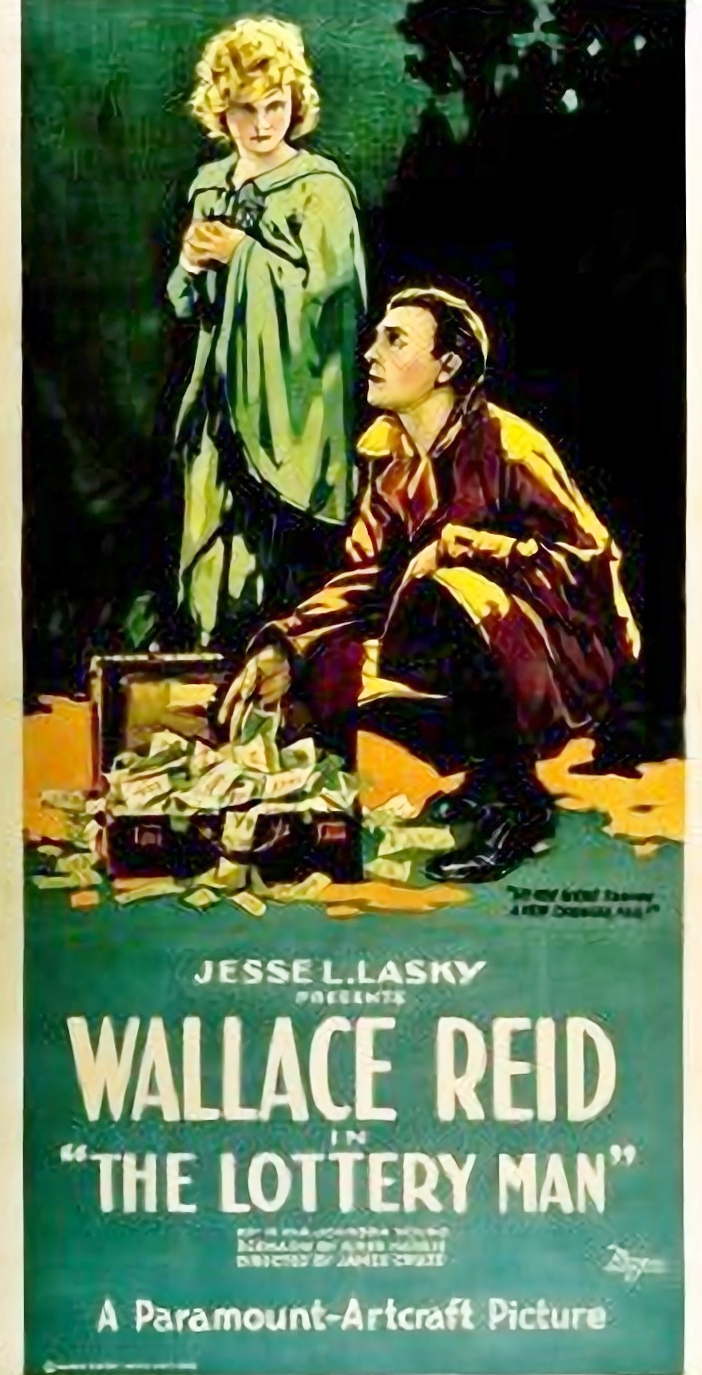
A definitive 5.2/10 rating for a film that redefined the boundaries of cult cinema. The Lottery Man remains a cornerstone of transgressive art.
Stepping back into the nascent days of cinema, we encounter The Lottery Man, a charmingly convoluted romantic comedy from 1919 that, despite its century-old vintage, retains a surprising resonance in its exploration of love, obligation, and the peculiar ways fate intervenes. Directed with a light, assured touch by James Cruze, and penned by the collaborative efforts of Frank Urson, Rida Johnson Young, and Elmer Harris, this silent gem features the charismatic Wallace Reid in a role perfectly suited to his dashing persona, navigating a predicament of his own making that quickly spirals into delightful chaos. It’s a narrative premise that feels both utterly of its time and strangely timeless, inviting us to ponder the weight of a promise against the undeniable pull of the heart.
The central conceit is magnificently absurd: young Jack Wright (Wallace Reid), finding himself in a bind – perhaps financially, perhaps socially, the exact nature of which is delightfully vague, allowing for universal projection – decides to raffle himself off in marriage. Yes, you read that correctly. His hand, his heart, his very future, offered as a prize to a lucky ticket holder. It’s a testament to the era’s willingness to embrace high-concept romantic farce, a spiritual cousin to later screwball comedies that would similarly toy with the conventions of matrimony. The film doesn't waste time dwelling on the ethics of such a scheme, instead plunging headlong into the inevitable complications that arise once the deed is done and the 'winner' declared. This audacious premise immediately sets a tone of playful satire, gently mocking societal expectations and the often-frivolous nature of courtship.
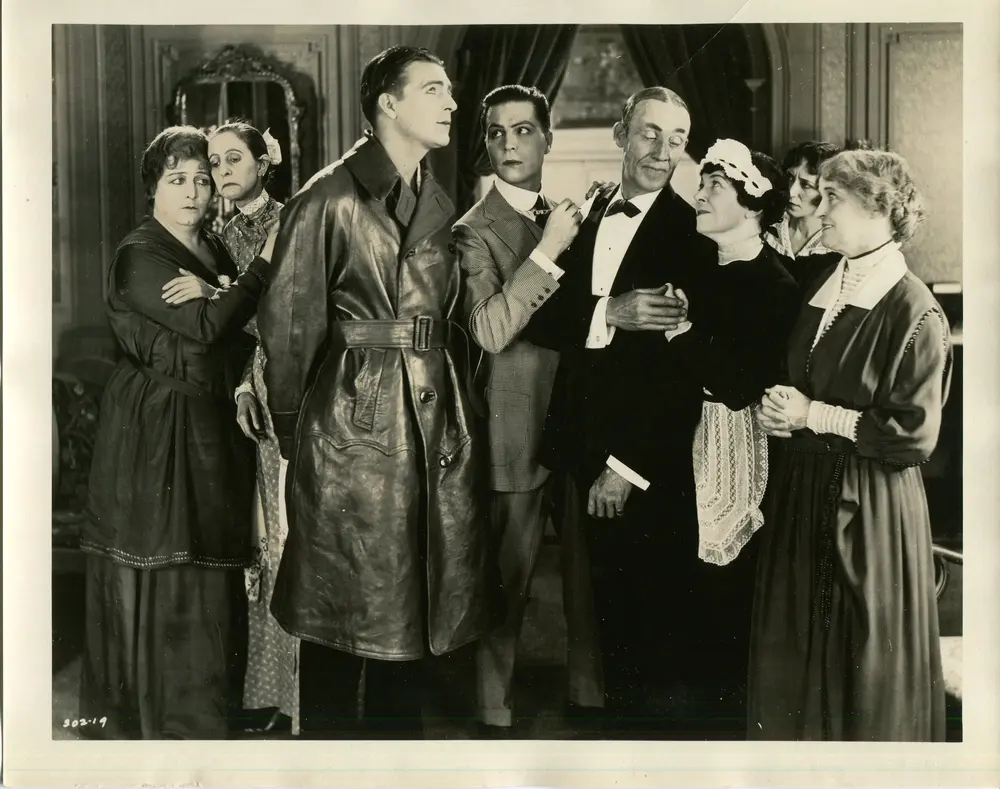
Wallace Reid, a bona fide superstar of the silent era, brings an effervescent charm to Jack Wright. His performance is a masterclass in conveying complex emotions without uttering a single word. His expressions, his gestures, the subtle shifts in his posture – all contribute to a portrayal that is both comedic and genuinely sympathetic. We see the initial bravado of his scheme slowly erode, replaced by a growing sense of panic and, crucially, genuine affection for someone other than his pre-destined bride. Reid’s ability to oscillate between comedic exasperation and heartfelt yearning is what truly anchors the film, preventing it from devolving into mere silliness. He embodies the dilemma with a sincerity that makes his eventual romantic entanglement feel earned, rather than simply a plot device. His magnetic screen presence is palpable, a quality that explains his immense popularity during his tragically short career. In a similar vein of star vehicles from the period, one might recall the captivating presence in films like Anything Once, where the lead's charisma carries much of the narrative weight, demonstrating how silent cinema leveraged the power of individual performers.
The supporting cast, while perhaps not receiving the same spotlight, provides excellent foils to Reid’s predicament. Lila Lee, as the woman who truly captures Jack’s heart, radiates a quiet strength and allure, making her a compelling counterpoint to the lottery winner. Her character’s understated dignity highlights the superficiality of Jack’s initial arrangement. The lottery winner herself, portrayed by Sylvia Ashton, is not painted as a villain, but rather as an unsuspecting participant in Jack's ill-conceived plan, making Jack's dilemma all the more morally thorny. Clarence Geldert, Winifred Greenwood, Fred Huntley, Marcia Manon, Harrison Ford, Fanny Midgley, Charles Ogle, Guy Oliver, Wilton Taylor, Tully Marshall, Caroline Rankin, and Wanda Hawley, though some in smaller roles, all contribute to the vibrant tapestry of characters that populate this world, each reacting to Jack's peculiar situation in ways that drive the humor and the dramatic tension forward. The ensemble's collective effort in conveying character through physical comedy and expressive mime is a testament to the sophisticated acting techniques prevalent in silent film.
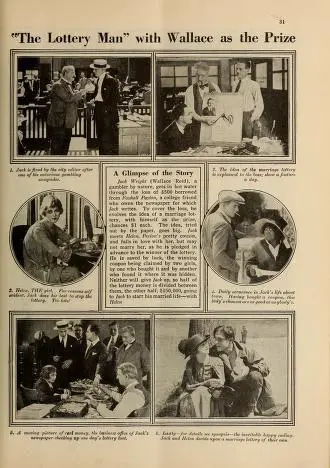
The core conflict of The Lottery Man hinges on the clash between a self-imposed, albeit foolish, obligation and the burgeoning, irresistible force of genuine affection. Jack Wright's predicament is not merely comedic; it delves into the very nature of commitment and desire. Is a promise, no matter how absurdly made, inviolable? Or does the heart have a higher claim? The film deftly explores this through a series of humorous escapades and near-misses, as Jack desperately tries to extricate himself from his contractual marriage while simultaneously pursuing the woman he truly loves. This thematic tension is a recurring motif in cinematic history, echoing in films that explore the complexities of marital arrangements, such as A Wife by Proxy, where the lines between pretense and genuine emotion blur. The silent era, with its reliance on visual storytelling, was particularly adept at conveying these internal struggles through exaggerated expressions and evocative staging.
The writers – Urson, Young, and Harris – craft a screenplay that balances farce with genuine romantic sentiment. The plot, while straightforward in its initial setup, introduces clever twists and turns that keep the audience engaged. The escalating absurdity of Jack’s attempts to avoid his fated marriage, coupled with his increasingly passionate pursuit of his true love, creates a delightful push-and-pull dynamic. The pacing is brisk, a hallmark of well-executed silent comedies, ensuring that the narrative never drags, always moving towards the next comedic entanglement or romantic revelation. The reliance on visual gags and physical comedy is expertly integrated, demonstrating a sophisticated understanding of how to entertain a silent audience. One can see parallels in the clever plotting of other films of the period, like Cooks and Crooks, which similarly relies on intricate comedic setups and payoffs.
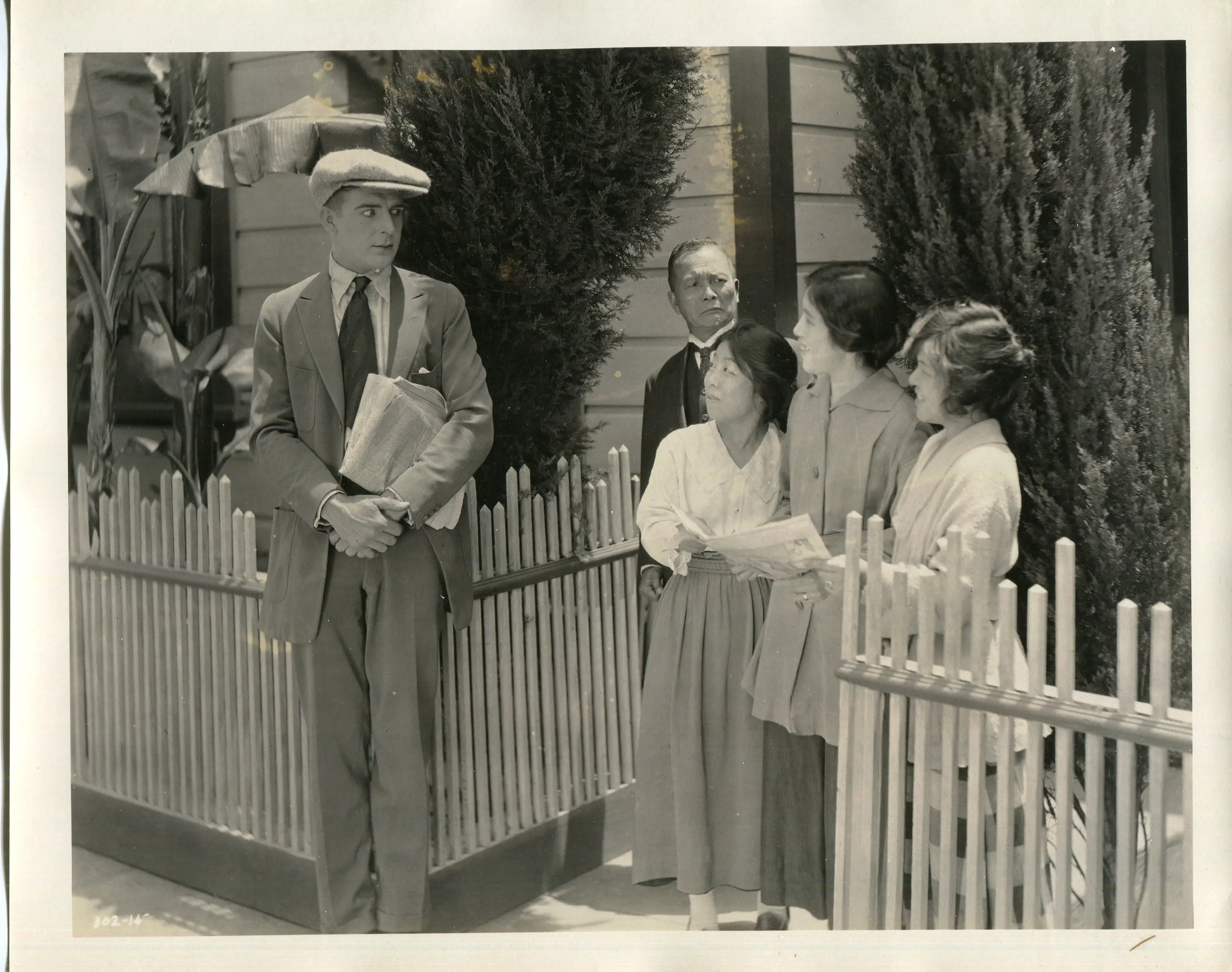
Watching The Lottery Man today offers more than just entertainment; it provides a fascinating window into the social mores and cinematic techniques of the late 1910s. The film reflects a society that, while perhaps more outwardly conservative, was clearly intrigued by unconventional romantic scenarios and the burgeoning idea of individual choice in matters of the heart. The very idea of a 'lottery man' speaks to a playful subversion of traditional courtship rituals, even if it ultimately reaffirms the ideal of true love. The film’s production values, typical for a major studio release of its time, are commendable. The sets are elaborate enough to establish the various social settings, from elegant drawing-rooms to bustling public spaces, and the cinematography, while lacking the dynamic camera movements of later eras, is clear and effective in conveying the narrative. The use of intertitles is particularly skillful, providing necessary dialogue and exposition without interrupting the flow of the visual storytelling, often adding to the comedic timing with witty remarks.
The film’s portrayal of women, while constrained by the period’s perspectives, is also noteworthy. The lottery winner is not a caricature, but a woman with her own expectations, while Lila Lee’s character represents a more modern ideal of romantic partnership based on mutual attraction. This subtle push and pull between traditional roles and emerging individual desires is a fascinating undercurrent throughout the film. One might draw comparisons to films like A Law Unto Herself or Forbidden, which similarly grappled with female agency and the constraints placed upon women in relationships during this transitional period in social history. These films, including The Lottery Man, offer invaluable insights into the evolving landscape of gender relations and societal expectations at the dawn of the 20th century.
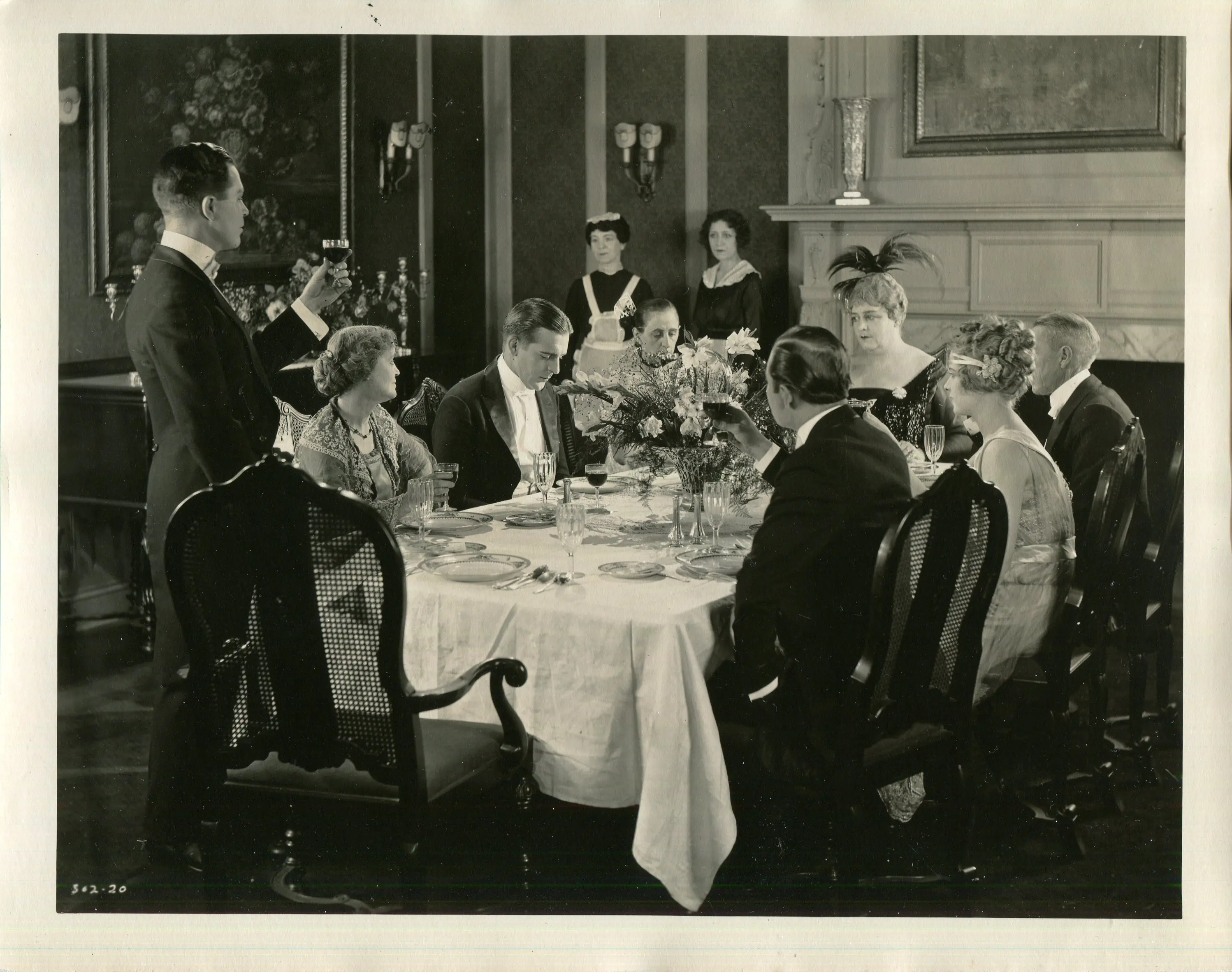
The mastery of visual storytelling in The Lottery Man is a key element of its enduring appeal. Without spoken dialogue, every gesture, every facial expression, every movement on screen carries magnified importance. Director James Cruze, along with his talented cast, understood this implicitly. The film utilizes classic silent film techniques to great effect: exaggerated reactions for comedic impact, dramatic close-ups to convey emotional intensity, and dynamic blocking to orchestrate complex scenes. The visual humor often comes from Jack's physical discomfort and his frantic attempts to navigate his self-inflicted predicament, leading to a series of sight gags that are both clever and genuinely funny. The physical comedy is precise, relying on timing and the actors' expressive capabilities to land the jokes, much like the sophisticated comedic timing seen in films such as Cooks and Crooks, where the absurdity is heightened by the physical performances.
Furthermore, the film's ability to convey character depth through purely visual means is remarkable. We understand Jack's initial arrogance, his growing regret, and his eventual passionate love through Reid's nuanced performance. Similarly, the women in his life are delineated not by dialogue, but by their bearing, their reactions, and their interactions with Jack. This reliance on visual cues makes the film a compelling study in early cinematic communication, demonstrating how powerful storytelling can be without the aid of sound. The period costumes and set designs also play a crucial role, not just in establishing the era, but in subtly informing character and social status, adding another layer of visual richness to the narrative. The careful attention to detail in the mise-en-scène is evident, creating a believable world for this improbable tale to unfold within. This dedication to visual world-building is a hallmark of the era, seen in other meticulous productions like Rupert of Hentzau, which relied heavily on its aesthetic to transport audiences.
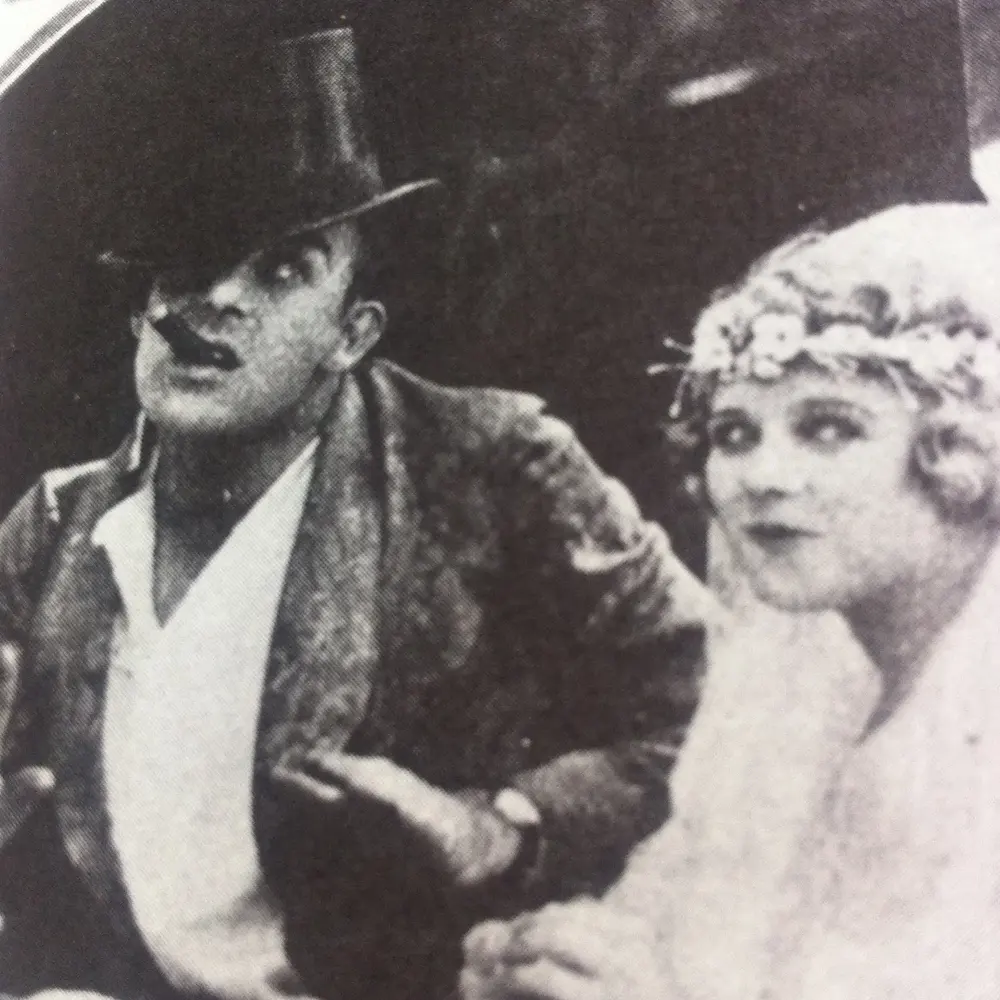
At its heart, The Lottery Man is a delightful exploration of universal themes: the tension between duty and desire, the unexpected twists of fate, and the enduring power of true love to cut through artificial constructs. While its premise might seem dated to a modern sensibility, the emotional core of Jack’s dilemma remains relatable. Who hasn’t, at some point, made a decision they’ve come to regret, only to find themselves hopelessly entangled in its consequences? The film’s resolution, while predictable for a romantic comedy, is nevertheless satisfying, delivering the happy ending that audiences of the era craved, and still often appreciate today. It reaffirms the idea that genuine connection trumps all, even a lottery ticket.
For enthusiasts of silent cinema, The Lottery Man is a highly recommended watch. It showcases the talents of one of the era’s biggest stars, Wallace Reid, in a role that allows him to display both his comedic timing and his romantic appeal. It’s a beautifully crafted film that exemplifies the best of silent romantic comedy, proving that laughter and heartfelt emotion transcend the need for spoken words. Its clever plot, engaging performances, and charming execution make it a valuable piece of cinematic history, demonstrating the sophistication and artistry present in early filmmaking. It's a reminder that even in an age without synchronized sound, filmmakers were adept at crafting narratives that resonated deeply with their audiences, using every tool at their disposal to tell compelling stories of the human condition, often with a delightful comedic spin. The enduring popularity of such films, even a century later, speaks volumes about their timeless quality and the universal appeal of their themes, much like other enduring romantic dramas and comedies of the era, such as The Commanding Officer or Nobody's Wife, which explored similar intricacies of relationships and societal pressures within their respective genres.
IMDb 8.8
1931
Community
Log in to comment.