DbcultAccessing Vault...
6.8/10
Senior Film Conservator
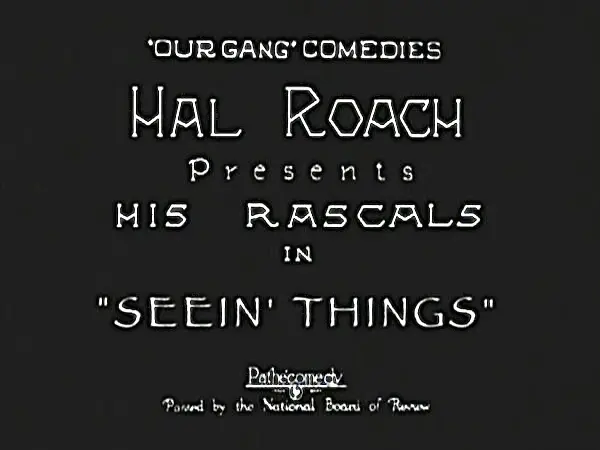
A definitive 6.8/10 rating for a film that redefined the boundaries of cult cinema. Seein' Things remains a cornerstone of transgressive art.
In the annals of early cinematic endeavors, where the moving picture was still discovering its myriad capabilities, certain short features emerge as surprisingly potent capsules of imagination. "Seein' Things," a 1924 Hal Roach production, stands as a charming, if brief, testament to the era's nascent explorations of the surreal and the psychological through the lens of slapstick comedy. This diminutive masterpiece, starring the inimitable Allen 'Farina' Hoskins, transcends its humble runtime to deliver a profoundly engaging, albeit dream-induced, narrative. It’s a vivid illustration of how the anxieties and impressions of daily life can be distorted and amplified within the labyrinthine corridors of the subconscious mind, particularly in the fertile imagination of a child. The film doesn't merely present a series of gags; it offers a fascinating glimpse into the nascent art of visual storytelling, employing rudimentary yet effective cinematic techniques to evoke a sense of disorienting wonder and comic terror. The ingenuity lies not in grand spectacle, but in its ability to transform the familiar into the fantastically unsettling, all while maintaining a buoyant, humorous tone.
At the heart of this phantasmagoric journey is Farina, whose expressive countenance and naturalistic performance anchor the entire experience. Known for his captivating presence in the 'Our Gang' series, Farina here is given a canvas to showcase his unique ability to convey a gamut of emotions without uttering a single word. His wide-eyed innocence, quickly morphing into palpable fright and then sheer comic desperation, is a masterclass in silent film acting. The setup is elegantly simple: a child falls asleep, and his dreams take over. Yet, the execution elevates this common premise. Farina’s character becomes a vessel for universal childhood fears – the feeling of being overwhelmed, the terror of the familiar suddenly becoming menacing. His frantic attempts to evade his oversized pursuers are both genuinely unsettling and riotously funny, a delicate balance that few performers, let alone child actors, could manage with such aplomb. His physical comedy, a blend of agile scampering and exaggerated reactions, is utterly captivating, making his predicament intensely relatable despite its fantastical nature.
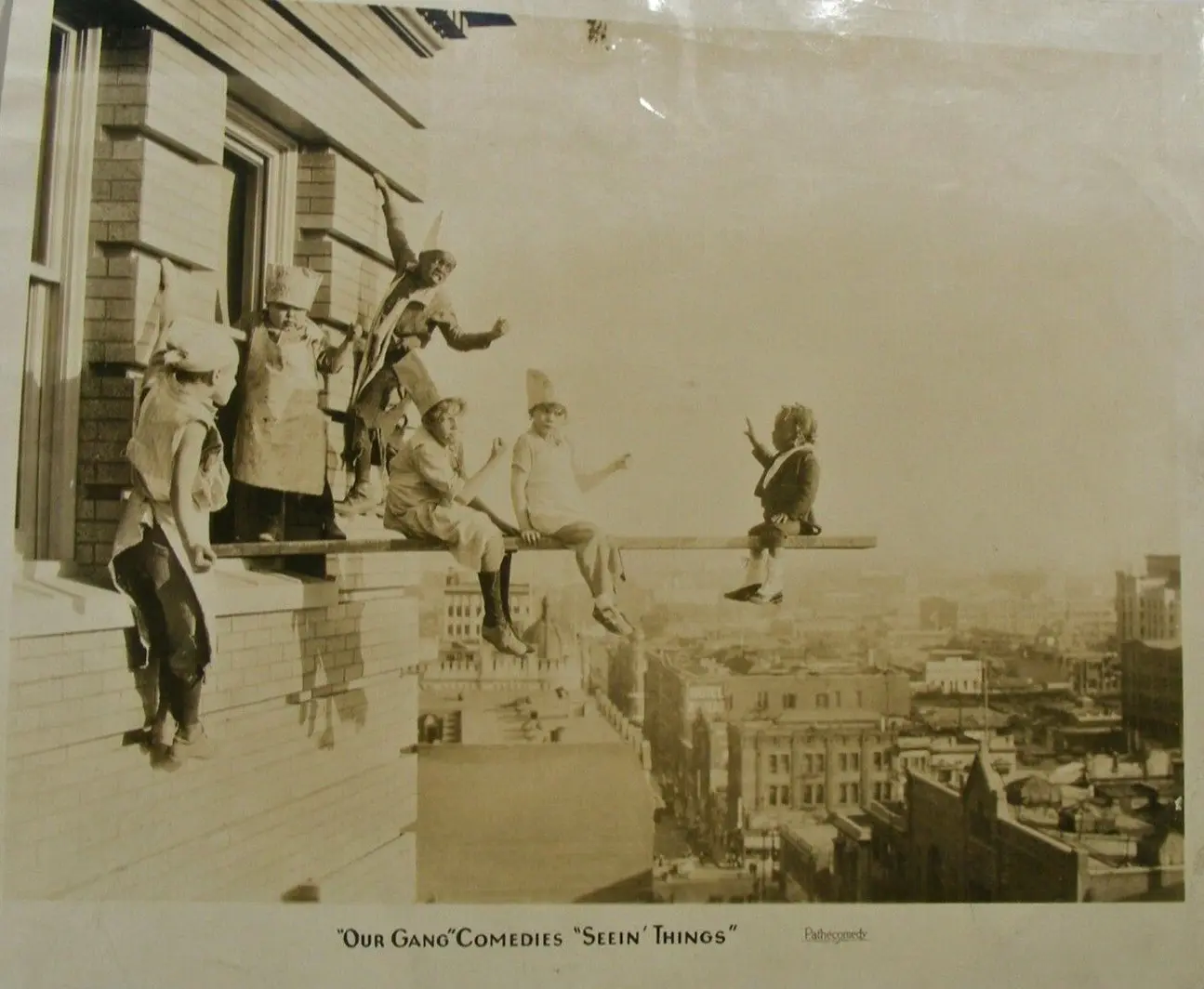
The dream sequence itself is a marvel of early cinematic trickery, a testament to the creative problem-solving inherent in silent filmmaking. The transformation of the gang members – Joe Cobb, Andy Samuel, Jackie Condon, and Ernest Morrison – into colossal, looming figures is achieved with a charmingly primitive yet remarkably effective combination of forced perspective, matte shots, and perhaps even some clever rear-projection. These techniques, while commonplace today, were groundbreaking for their time, demonstrating an imaginative use of the camera to distort reality. The effect is not polished by modern standards, but its raw, almost handmade quality lends an additional layer of surrealism and charm. The visual impact of these enlarged figures, their shadows stretching menacingly, chasing the diminutive Farina through a seemingly endless landscape, creates an atmosphere of delightful absurdity. It’s a powerful reminder that sometimes, the most effective special effects are those that rely on ingenuity and the audience's willingness to suspend disbelief, rather than sheer technological prowess. The film’s ability to conjure such a vivid nightmare with limited resources speaks volumes about the creative spirit of its makers.
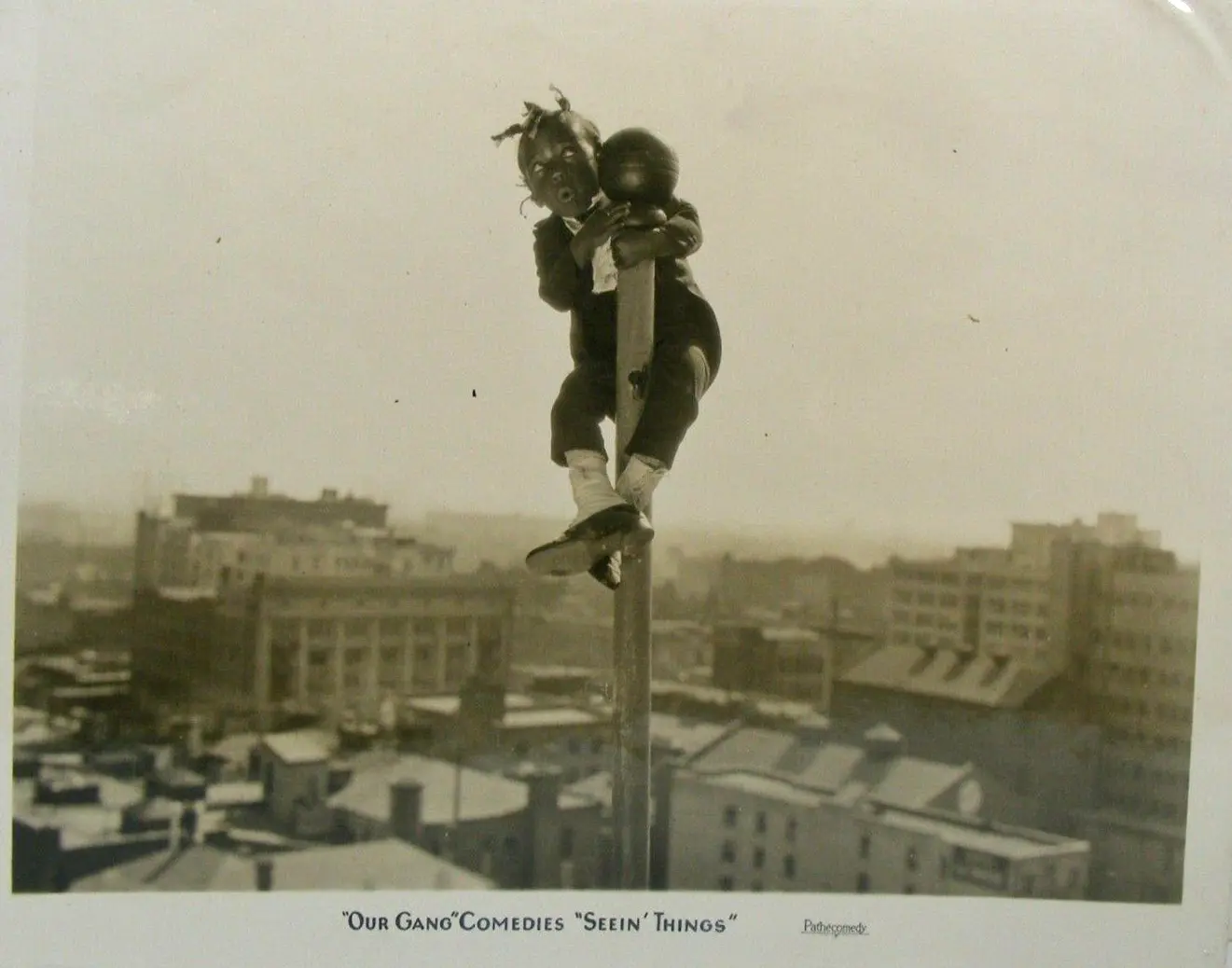
The narrative, penned by H.M. Walker and Hal Roach, is a concise yet impactful exploration of the subconscious mind, particularly as it pertains to childhood anxieties. It eschews complex plot points in favor of a singular, compelling premise: the nightmare as an exaggerated reflection of waking fears. The brilliance lies in its simplicity. There’s no elaborate setup for why Farina is having this specific dream; the dream itself is the story. This allows the film to dive directly into the heart of its visual conceit, maximizing its runtime for the chase and the reactions. The choice of the gang members as the monstrous pursuers is particularly astute, tapping into the common childhood experience of peer dynamics and the sometimes overwhelming presence of older or more boisterous playmates. Their exaggerated sizes symbolize not just physical dominance but also the psychological weight they might carry in Farina’s young mind. This thematic depth, subtly woven into a comedic chase, elevates "Seein' Things" beyond mere slapstick, positioning it as a fascinating early example of psychological comedy.
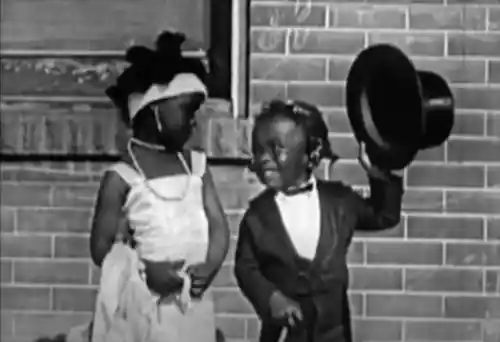
Hal Roach, whose name became synonymous with expertly crafted comedies, particularly those involving children, demonstrates his directorial acumen even in this brief format. While credits for specific direction on many of these shorts were often fluid, Roach's overarching vision for the 'Our Gang' series is undeniably present. The pacing of the dream sequence, the framing of the shots to emphasize the size differential, and the naturalistic performances coaxed from the child actors all bear the hallmark of his comedic genius. The film is a tightly constructed piece, with every shot and every reaction contributing to the escalating sense of dream logic and comic peril. The transition from Farina’s waking state to his slumber and then into the full-blown nightmare is handled with a seamlessness that belies the technical challenges of the era. It’s a testament to the collaborative spirit and intuitive understanding of visual storytelling that defined the best of silent-era filmmaking, where the absence of dialogue necessitated a heightened reliance on visual cues and physical expression.
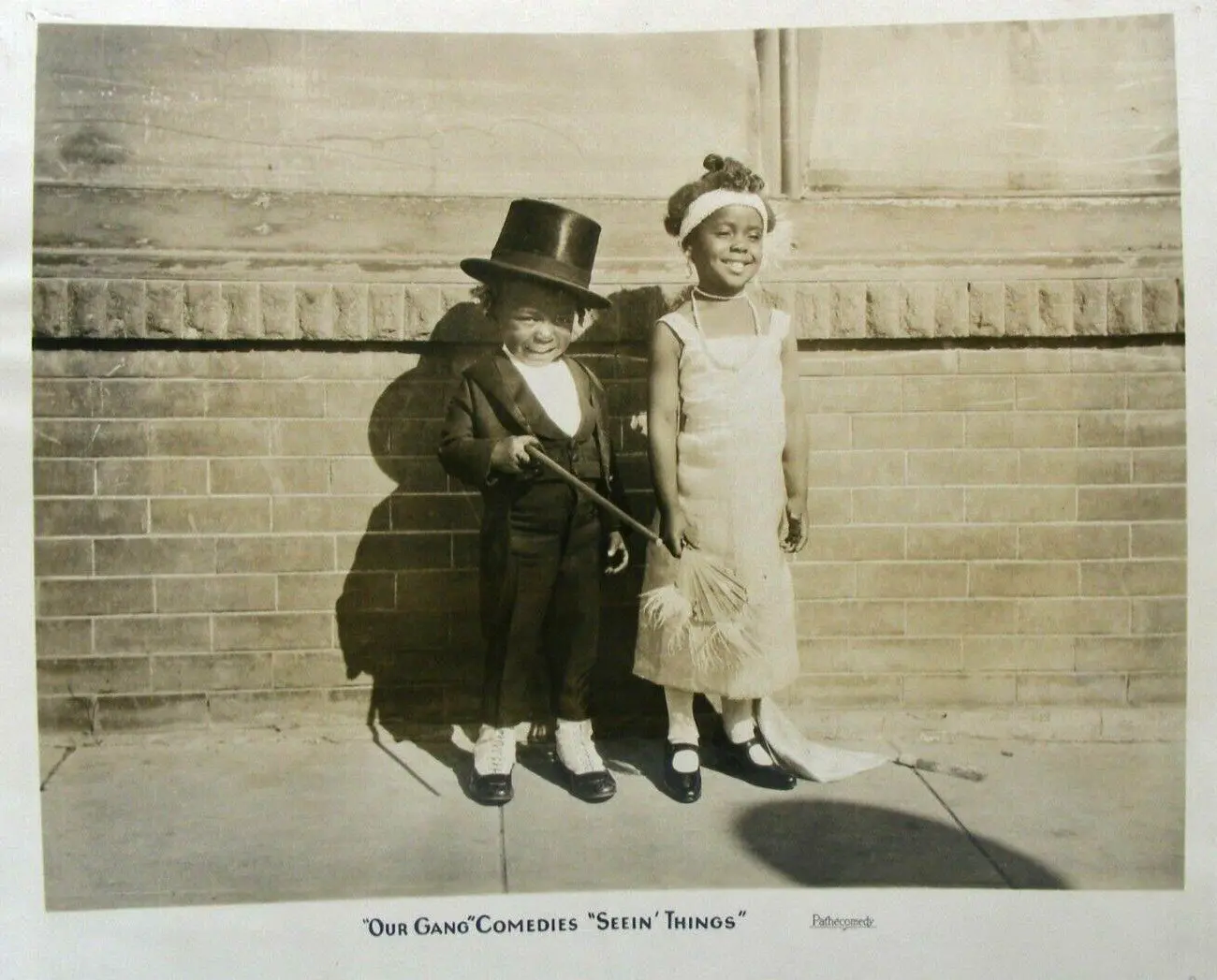
The ensemble cast, while primarily serving as the monstrous apparitions, contributes significantly to the film’s overall impact. Joe Cobb, Andy Samuel, and Jackie Condon, familiar faces from the 'Our Gang' troupe, embody the exaggerated menace with a delightful commitment to their roles. Their performances, even when distorted by special effects, retain a recognizable quality that makes their transformation all the more unsettling and humorous. Ernest Morrison, another key member, adds to this collective, looming presence. Helen Gilmore, Mary Kornman, Dorothy Morrison, Ernie Morrison Sr., Mickey Daniels, and S.D. Wilcox, though perhaps less prominent in the nightmare's immediate action, contribute to the tapestry of characters that populate Farina's world, both waking and dreaming. Their collective presence establishes the communal dynamic that is momentarily disrupted and then grotesquely magnified in Farina's sleep. The film effectively uses these familiar faces to ground the fantastical elements, making the dream more personal and thus more amusingly terrifying for the young protagonist.
The enduring appeal of "Seein' Things" lies in its universal resonance. Who among us hasn't experienced a dream where familiar figures or situations take on a distorted, often frightening, quality? The film taps into this primal human experience, translating it into a comedic spectacle that remains oddly relatable nearly a century later. It’s a masterclass in how to evoke complex psychological states with the simplest of cinematic tools. The film's legacy is also intertwined with the broader phenomenon of the 'Our Gang' comedies, which provided a charming and often insightful look into the world of childhood. These shorts, with their blend of innocence, mischief, and occasional flights of fancy like "Seein' Things," left an indelible mark on cinematic history, shaping generations' perceptions of childhood on screen. They were not merely entertainment; they were cultural touchstones that captured the essence of youth with remarkable authenticity and humor.
Comparing "Seein' Things" to other early cinematic works reveals its unique position. While it doesn't aim for the sophisticated narrative intricacy of a feature film, its inventive use of visual effects to create a dreamscape places it in conversation with the more fantastical silent shorts. One might draw a parallel, for instance, with the inventive physical comedy and ingenious visual gags found in Buster Keaton's "The Scarecrow" (1921). While Keaton's film focuses on elaborate contraptions and precise choreography in a waking, albeit absurd, world, both films share a spirit of playful invention and a commitment to visual storytelling over dialogue. "The Scarecrow" showcases Keaton's mastery of physical comedy and Rube Goldberg-esque contraptions, creating a world where the inanimate comes alive through sheer ingenuity. "Seein' Things," by contrast, uses a similar ingenuity to bring the *internal* world of a child's fear to life, transforming familiar figures
IMDb 5.5
1931
Community
Log in to comment.