DbcultAccessing Vault...
6.6/10
Senior Film Conservator
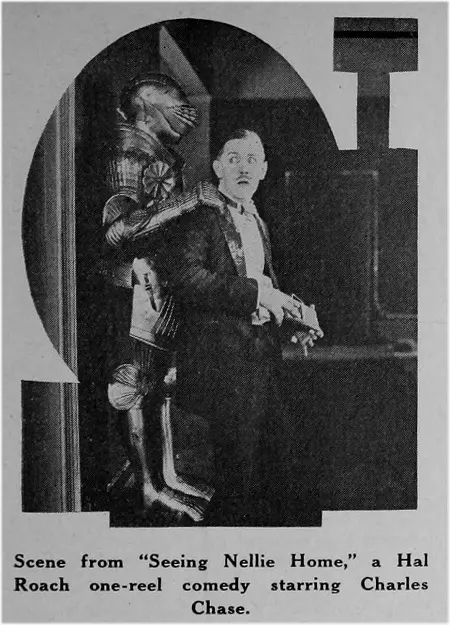
A definitive 6.6/10 rating for a film that redefined the boundaries of cult cinema. Seeing Nellie Home remains a cornerstone of transgressive art.
Step into the wonderfully whimsical world of 1920s silent cinema, where the grand narratives often unfolded in the most unassuming of settings. Today, we’re shining a spotlight on a particular little gem, a flick that, despite its brevity, encapsulates the very essence of comedic timing and character-driven charm: 1924’s ‘Seeing Nellie Home’. This film isn't just a historical artifact; it's a vibrant, breathing testament to the power of a simple premise executed with masterful skill. It’s a delightful reminder that sometimes, the biggest laughs and the most enduring stories come from the most relatable of human predicaments.
At its core, ‘Seeing Nellie Home’ is a narrative spun from the most universal of human experiences: the delicate dance of courtship, the thrill of a hopeful evening, and the inevitable, often hilarious, curveballs that life throws our way. The film introduces us to Jimmy, portrayed with an endearing blend of earnestness and burgeoning exasperation by the inimitable Charley Chase. Chase, a titan of silent comedy, had a unique ability to convey a myriad of emotions with a mere twitch of his eyebrow or a subtle shift in his posture. Here, he’s a young man vying for the privilege of escorting Nellie (the charming Martha Sleeper) home after a lively dance. This initial competition, a microcosm of social jockeying, is handled with a light touch, setting the stage for the escalating comedic chaos to follow.
The triumph of Jimmy in winning Nellie’s favor is a small victory, yet it feels significant within the film's intimate scope. It’s a moment of youthful elation, a silent cheer for the underdog, or at least for the persistent suitor. But as any seasoned observer of romantic comedies knows, the path to true love (or even just a successful evening) is rarely smooth. And so, the central conflict arises: Nellie has forgotten her key. This seemingly minor detail becomes the fulcrum upon which the entire narrative pivots, transforming a straightforward walk home into an epic, albeit localized, adventure.
Charley Chase's comedic genius is truly on display in ‘Seeing Nellie Home.’ Unlike some of his contemporaries who relied on broad slapstick or exaggerated pantomime, Chase cultivated a persona rooted in a kind of exasperated everyman. His comedy often stemmed from a character's attempts to maintain dignity and normalcy in the face of increasingly absurd circumstances. In this film, Jimmy's initial calm and chivalry slowly give way to a delightful, escalating panic as he tries various — and increasingly outlandish — methods to get Nellie into her house. From the initial, polite attempts to find a hidden key, to more desperate measures involving ladders, windows, and the unwitting involvement of neighbors, Chase navigates the comedic landscape with an effortless grace.
His reactions are key to the film's humor. We don't just laugh at the situation; we laugh with and for Jimmy as his carefully constructed evening unravels. His facial expressions, a subtle blend of hope, frustration, and eventual resignation, are a masterclass in silent film acting. This nuanced approach to physical comedy sets him apart, making his characters incredibly relatable. While films like The Twinkler might showcase more overt physical gags, Chase's brilliance often lay in the understated, the slow burn of comedic tension.
Martha Sleeper, as Nellie, perfectly complements Chase’s Jimmy. She portrays Nellie with a blend of innocence and mild exasperation, her character’s predicament serving as the catalyst for Jimmy’s heroic (and hilarious) efforts. Her reactions to Jimmy’s escalating attempts are often subtle, a quiet amusement mixed with genuine concern, which anchors the film’s more farcical elements in a believable emotional reality. The dynamic between them is genuinely sweet, making us root for Jimmy not just to succeed in his task, but to ultimately win Nellie’s heart.
And let's not forget the brief but memorable appearance of Katherine Grant, who, along with other ensemble members, adds to the texture of the film’s world. Silent films, particularly shorts, often relied on a strong supporting cast to fill out the narrative and provide additional comedic opportunities. Here, the various neighbors and passersby who inadvertently become entangled in Jimmy’s plight contribute significantly to the film’s overall comedic tapestry. Their reactions, ranging from bewildered to annoyed, provide external commentary on Jimmy’s increasingly desperate antics, amplifying the humor.
Beyond the performances, ‘Seeing Nellie Home’ offers a delightful glimpse into the social mores and visual aesthetics of the 1920s. The costumes, the set designs (even for what appears to be a residential street), and the general atmosphere all contribute to a vivid sense of place and time. It's a snapshot of a bygone era, where a simple dance and a forgotten key could ignite an evening of unforeseen adventure. This historical context is part of the film's enduring charm, allowing modern audiences to connect with the universal themes of human interaction while appreciating the unique cultural lens through which they are presented.
One of the most remarkable aspects of silent comedy shorts like ‘Seeing Nellie Home’ is their incredible efficiency in storytelling. With no dialogue to rely on, filmmakers had to master visual narrative, using camera angles, editing, and physical performance to convey plot, character, and emotion. This film is a prime example of such mastery. The pacing is impeccable, with each comedic beat building upon the last, escalating the tension and the laughs without ever feeling rushed or forced. The sequence of Jimmy’s attempts to get Nellie inside is a beautifully choreographed ballet of frustration and ingenuity.
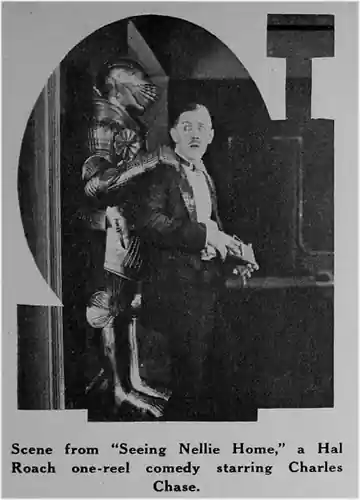
The use of intertitles is minimal but effective, providing just enough context to propel the story forward without interrupting the visual flow. This reliance on visual cues demands an active engagement from the audience, allowing them to interpret and appreciate the nuances of the performances. In a way, it’s a more immersive experience, as the viewer becomes a co-conspirator in the comedic unfolding. This contrasts sharply with the often complex, multi-layered narratives of serials like Lucille Love: The Girl of Mystery, where exposition and plot twists are paramount. Here, the focus is singular: the immediate, unfolding gag.
The direction, though uncredited for many silent shorts, clearly understood the mechanics of physical comedy. Each gag is carefully constructed, from the initial setup to the payoff, often involving a chain reaction of unfortunate events for poor Jimmy. This attention to detail in the staging of comedic situations is what gives ‘Seeing Nellie Home’ its timeless quality. It’s not just random chaos; it’s carefully orchestrated mayhem, designed to elicit maximum laughter.
While undeniably a comedy, ‘Seeing Nellie Home’ also subtly explores several interesting themes. The most prominent is, of course, chivalry. Jimmy's relentless efforts to ensure Nellie's safety and comfort, despite the mounting difficulties, speak to a societal expectation of male protectiveness prevalent in the era. His determination to see the task through, even when it means resorting to unconventional and potentially embarrassing methods, is a testament to his character and his desire to impress Nellie.
Then there's the theme of resourcefulness. Faced with a locked door and no key, Jimmy doesn’t give up. He improvises, adapts, and tries everything within his power. This human capacity for problem-solving, even when those solutions lead to further comedic complications, is a central engine of the film’s plot. It’s a delightful exploration of how we react when confronted with unexpected obstacles, particularly when the stakes (a potential romantic connection) are high.
The film also touches upon social expectations and the often-humorous disconnect between polite society and real-world mishaps. Jimmy’s desire to maintain a veneer of calm and capability, even as he’s teetering on a ladder or inadvertently disturbing neighbors, is a source of much of the film’s humor. It highlights the tension between how we wish to be perceived and the messy reality of life. This kind of social observation, delivered through comedy, can be as insightful as the more dramatic portrayals of societal pressures seen in films like The Sin of Martha Queed, albeit with a far lighter touch.
Nearly a century after its release, ‘Seeing Nellie Home’ continues to charm and entertain. Its humor is universal, transcending the specific cultural context of its time. The predicament of a forgotten key, the awkwardness of a first date gone awry, and the sheer human effort to overcome a simple obstacle are all timeless comedic fodder. Charley Chase’s performance remains as fresh and engaging today as it must have been in 1924, a testament to his enduring talent and the universal appeal of his comedic persona.
For those interested in the evolution of film comedy, ‘Seeing Nellie Home’ serves as an excellent example of the sophisticated craftsmanship that went into silent shorts. It demonstrates how much could be conveyed in a brief runtime, laying the groundwork for many comedic tropes and techniques that would continue to be refined in the sound era. It's a film that proves that true artistry isn't always about grand budgets or epic scale, but often about the precision and heart put into even the smallest of stories.
In an era that also produced adventurous serials and more dramatic narratives, ‘Seeing Nellie Home’ stands out for its focused, delightful simplicity. It doesn’t aspire to the grand scope of a Paradise Lost or the intricate character studies of The Man Who Played God. Instead, it revels in the everyday, finding profound humor in the mundane. This film is a gentle reminder of the power of a well-told joke, a perfectly timed pratfall, and the universal human desire to navigate the tricky waters of social interaction with grace, even when all odds are stacked against us. It’s a must-see for anyone who appreciates the foundational brilliance of silent comedy and the lasting legacy of its stars.
Ultimately, ‘Seeing Nellie Home’ is more than just a historical curiosity; it’s a vibrant, laugh-out-loud experience that holds up remarkably well. It’s a film that leaves you with a smile, a renewed appreciation for the ingenuity of early filmmakers, and perhaps a gentle reminder to always double-check for your keys before leaving the house. Go seek it out; you won't regret the journey home with Jimmy and Nellie.

IMDb 6.5
1928
Community
Log in to comment.