
DbcultAccessing Vault...
8/10
Senior Film Conservator
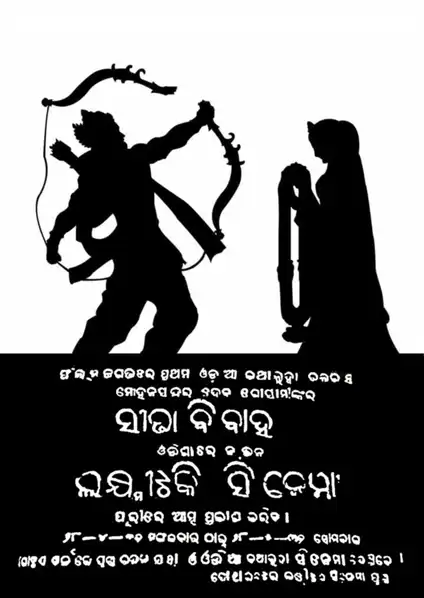
A definitive 8/10 rating for a film that redefined the boundaries of cult cinema. Seeta Bibaha remains a cornerstone of transgressive art.
If you're a film history nerd, you’ll probably find Seeta Bibaha fascinating. If you’re looking for a breezy Friday night watch, though, you might find the pace a bit… glacial. It’s not meant for the casual viewer who needs constant action, but it’s a vital piece of the puzzle for anyone tracking cinema history.
It’s wild to think this was the very first Odia feature. You can feel the weight of that responsibility in every frame.
The whole movie hinges on Rama walking into King Janaki’s court to handle that bow. The tension is supposed to be high, but because it’s a 1930s mythological, it feels more like a stage play caught on camera. Rama steps up, and you’re just waiting for the snap. When it finally happens, it feels less like a feat of strength and more like a relief for the audience.
The acting style is definitely from another era—lots of theatrical hand gestures and exaggerated expressions. Sometimes the extras look like they’re just waiting for their cue to leave the set. It’s charming in a way.
I caught myself thinking about The Fighting Blade while watching, just because of that old-school swashbuckling energy you get from historical epics. But Seeta Bibaha is much quieter. It doesn't have the kinetic energy of later films or even some of the weirder stuff from the silent era like The Crazy Nut.
The costumes are surprisingly detailed, though. You can tell they put a lot of work into the jewelry and headpieces. Someone clearly cared about getting the look right.
It’s not a perfect movie by any means. It’s uneven, the pacing is wonky, and it feels very small. But it’s the beginning. You can see the DNA of future regional dramas in the way the court scenes are blocked. It’s an interesting artifact 🎞️.
Don't expect a masterpiece. Expect a history lesson that occasionally remembers to be a movie.