DbcultAccessing Vault...
Cult Review
Senior Film Conservator
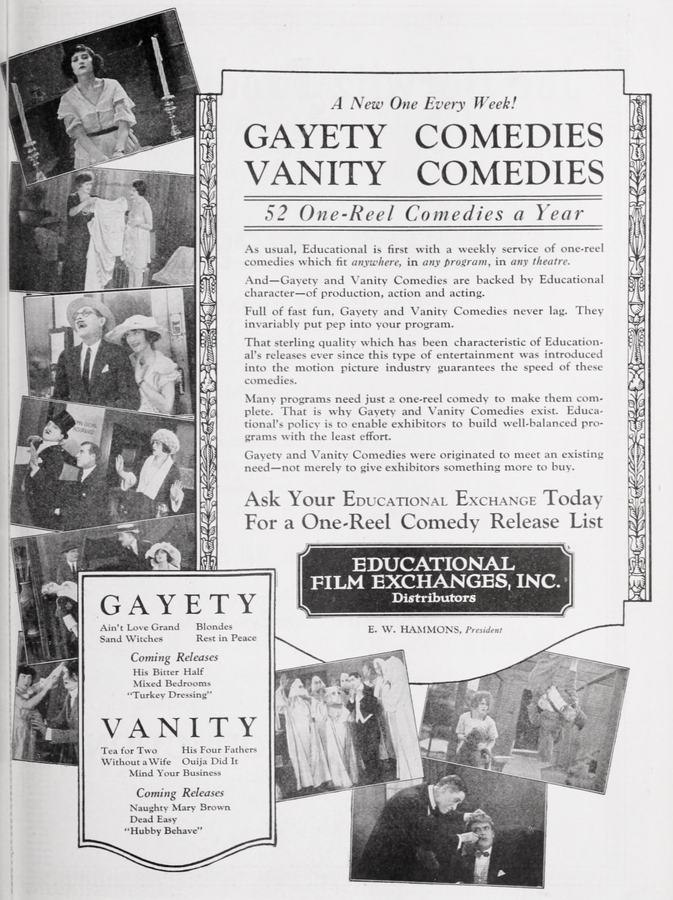
In the annals of silent cinema, where visual storytelling reigned supreme and expressions conveyed volumes, certain films stand out not for their grandiosity, but for their sheer, unadulterated charm. Scott Darling’s 'Blondes' is precisely one such gem, a delightful romantic comedy that, despite its vintage, still manages to elicit chuckles and nods of recognition regarding the timeless foibles of human nature. This early 20th-century romp, featuring the endearing talents of Henry Murdock and Patricia Palmer, delves into the delightful chaos that ensues when a simple fortune-teller's prophecy casts a long, blonde shadow over a budding romance. It’s a testament to the power of suggestion, the perils of jealousy, and the enduring cleverness of a woman scorned – or, in this case, a woman forewarned.
The narrative unfurls with a seemingly innocuous suggestion from our protagonist’s beloved: a visit to a fortune teller. What begins as a casual lark quickly morphs into a catalyst for romantic pandemonium. Henry Murdock’s character, a young man whose guileless demeanor is almost palpable, submits to the mystical pronouncements, while his devoted brunette sweetheart, portrayed with vivacious intensity by Patricia Palmer, lurks just outside the tent, a silent auditor to her own unfolding anxieties. The pivotal moment arrives with the seer's declaration: a blonde will be his undoing. This single phrase, delivered with the dramatic gravitas typical of cinematic oracles, instantly transforms the lighthearted atmosphere into one charged with romantic suspense. Palmer’s character, armed with this foreboding knowledge, immediately assumes a posture of hyper-vigilance. Her world, once simple and secure, is suddenly populated by potential rivals, each with hair of a specific, dangerous hue.
The genius of Darling’s script, even in its simplicity, lies in how it leverages this initial premise to generate a continuous stream of comedic situations. The beach, a quintessential backdrop for romantic encounters and public displays, becomes the primary arena for these escalating misunderstandings. The film cleverly exploits the visual contrast between Palmer’s dark tresses and the numerous blonde beauties who, through no fault of their own, become unwitting instruments of the prophecy. Each innocent interaction, each casual glance, is magnified through the lens of the brunette’s burgeoning paranoia, leading to a series of exaggerated reactions and hilarious interventions. It's a classic comedic setup, reminiscent of later screwball comedies, where a misunderstanding spirals into delightful chaos, all predicated on a single, fateful utterance. The film doesn't delve into the deeper philosophical implications of fate versus free will, but rather uses the concept as a springboard for observational humor about human jealousy and insecurity.
Henry Murdock, as the unsuspecting target of both prophecy and protective vigilance, delivers a performance that balances earnestness with a touch of bewildered innocence. His reactions to the parade of blonde women and his sweetheart's increasingly frantic antics are central to the film’s comedic engine. He navigates these tumultuous waters with a charm that makes his predicament all the more amusing. Patricia Palmer, however, is arguably the heart and soul of 'Blondes.' Her portrayal of the jealous, yet ultimately resourceful, beloved is a masterclass in silent film acting. Her expressive face conveys a gamut of emotions, from simmering suspicion to outright comedic exasperation, all without uttering a single word. She embodies the 'brunette on guard' with an energy that propels the narrative forward, making her character's escalating paranoia not just understandable, but genuinely entertaining. The physical comedy, a cornerstone of silent cinema, is expertly handled, with Palmer's reactions often culminating in wonderfully exaggerated gestures that leave no doubt as to her character's internal turmoil.
Donald Keith and Mary Wynn, in their supporting roles as various 'blonde beauties' or other peripheral characters, fulfill their duties admirably, serving as catalysts for the central couple's predicaments. While their roles might be less developed, their presence is crucial in actualizing the fortune teller's prophecy and giving Palmer's character ample reason for her escalating anxieties. Scott Darling’s direction ensures a brisk pace, a vital component for any successful silent comedy. The film moves from one comedic encounter to the next with an efficiency that keeps the audience engaged, never lingering too long on any single gag. The visual storytelling is clear and concise, relying on well-composed shots and the actors' expressive performances to convey the plot and emotional beats. There's a certain unpretentious joy in the way 'Blondes' unfolds, a directness that speaks to the era's filmmaking sensibilities, where narrative clarity and immediate audience engagement were paramount. This is a film that understands its purpose: to entertain with a straightforward, charming premise.
Beyond the overt comedic antics, 'Blondes' subtly explores several intriguing thematic undercurrents. At its core, it's a playful examination of jealousy and the inherent insecurities that can plague even the most devoted relationships. The fortune teller’s words act as a potent seed of doubt, blooming into full-blown suspicion that threatens to unravel the bond between the sweethearts. It highlights how easily an external suggestion can warp perception and create conflict where none truly existed. This exploration of irrational fear, fueled by a perceived threat, resonates even today, underscoring the timeless nature of human emotional responses.
Furthermore, the film touches upon themes of identity and deception, particularly in its clever resolution. When Patricia Palmer’s character decides to purchase a blonde wig and 'vamp' her boyfriend herself, she engages in a fascinating act of self-subversion. She literally embodies the 'ruin' foretold, but in doing so, she reclaims control over her own narrative and her relationship. This act is not merely a comedic ploy; it’s a powerful statement of agency. She doesn’t passively wait for fate to unfold; instead, she actively manipulates it, turning the prophecy on its head. This final twist is a delightful affirmation of cleverness over blind adherence to destiny, suggesting that ingenuity and a bit of theatrical flair can overcome even the most daunting predictions.
The film also, perhaps inadvertently, offers a glimpse into societal perceptions of beauty and femininity during the era. The 'blonde' as a symbol of allure, and conversely, a potential threat, is a trope that has permeated popular culture for decades. 'Blondes' plays with this stereotype, using it as a convenient narrative device without delving into its deeper implications. Yet, the very existence of such a premise speaks volumes about the cultural landscape of the time, where hair color could be imbued with significant, sometimes even ominous, meaning. It’s a lighthearted take on a theme that has been explored in more dramatic contexts, but its comedic treatment makes it accessible and engaging.
'Blondes' occupies a charming niche within the vast landscape of early 20th-century cinema. It doesn't aspire to the grand slapstick spectacles of a Buster Keaton or the profound pathos of a Charlie Chaplin, nor does it possess the dramatic weight of a film like Fruits of Passion. Instead, it aligns more closely with the simpler, character-driven comedies that focused on relatable human predicaments. One might draw a parallel to other lighthearted silent shorts that explored domestic or romantic misunderstandings, such as Wanted: A Baby, which also leverages a specific premise to generate comedic situations, albeit with a different central conflict. Both films succeed by focusing on the immediate, often exaggerated, reactions of their characters to unusual circumstances.
While 'Blondes' doesn't boast the intricate plotting of a mystery like The Yellow Menace or the adventurous spirit of Captain Kidd, Jr., its strength lies in its singular focus and effective execution of its core comedic idea. It's a film that understands the power of visual gags and expressive acting to convey humor without relying on complex narrative twists or elaborate set pieces. The charm comes from the recognizable human dilemma—the fear of losing a loved one, the irrationality of jealousy—amplified for comedic effect. It's a testament to Scott Darling's ability to craft an engaging story with a simple, yet potent, premise. The film stands as a delightful example of how early filmmakers could captivate audiences with relatable stories, even when constrained by the technical limitations of the era. Its appeal is rooted in universal emotions, presented through the unique lens of silent film artistry.
In its entirety, 'Blondes' is a charming relic, a testament to the enduring appeal of well-executed romantic comedy. It may not possess the profound social commentary of some of its contemporaries, nor does it attempt to push the boundaries of cinematic technique. What it offers, instead, is pure, unadulterated entertainment. The film's simple premise, brought to life by the energetic performances of Henry Murdock and Patricia Palmer, remains remarkably fresh. The humor, derived from human insecurity and ingenious problem-solving, transcends its silent origins, speaking to universal experiences of love, jealousy, and the lengths one might go to secure happiness. Scott Darling’s efficient storytelling ensures that the film never overstays its welcome, delivering its comedic beats with precision and wit. It reminds us that sometimes, the most delightful cinematic experiences are found not in grand epics or complex dramas, but in the unassuming charm of a cleverly told, lighthearted tale.
For those with an appreciation for the foundational works of cinematic comedy, or simply a desire for a pleasant escape into a bygone era, 'Blondes' offers a delightful diversion. It’s a film that, despite its age, still shines with a playful spirit, proving that a good story, well-told, can indeed possess a timeless tint, much like the golden hair that sparks its central conflict. This unassuming film, with its clever resolution and endearing characters, serves as a gentle reminder of the innocent joy that early cinema brought to its audiences, and continues to bring to those who rediscover its treasures today. It’s a small, vibrant piece of film history that, through its simplicity, manages to leave a lasting, pleasant impression, proving that sometimes, all it takes is a little ingenuity – and a well-placed wig – to ensure a happy ending.
IMDb 7.1
1914
Community
Log in to comment.