DbcultAccessing Vault...
Cult Review
Senior Film Conservator
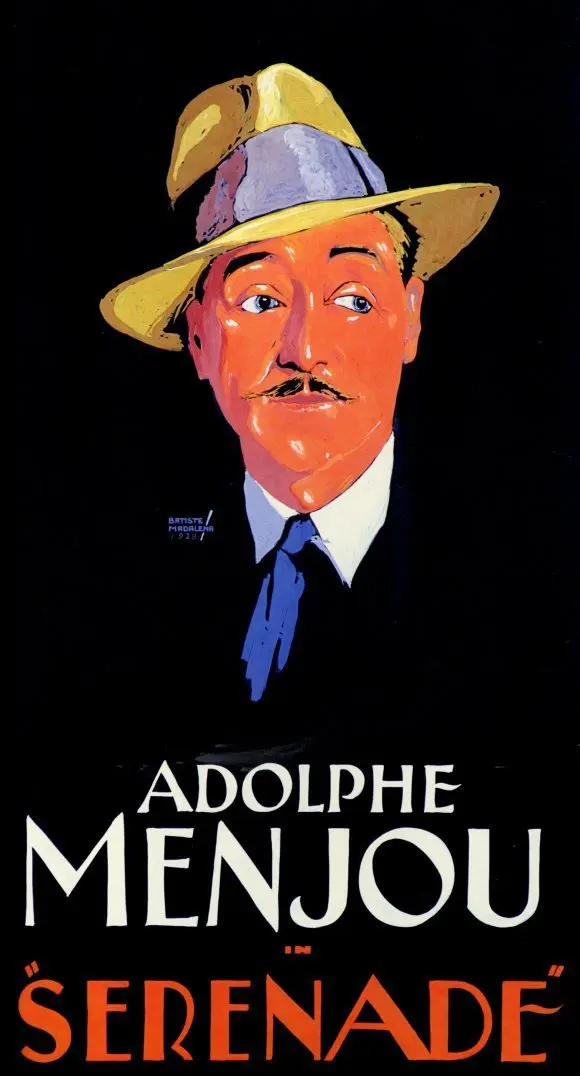
Is Serenade (1927) worth watching today? Short answer: yes, but with significant caveats. This forgotten silent romance offers a fascinating glimpse into the melodrama and performance styles of its era, making it a compelling, if occasionally frustrating, experience for dedicated cinephiles and historians, yet likely too slow and conventional for those unaccustomed to the rhythms of 1920s cinema.
For those willing to engage with its historical context, Serenade unveils a charming, if dramatically familiar, narrative that speaks to the enduring power of silent storytelling. It's a film for the patient viewer, the one who finds beauty in subtle glances and grand gestures alike, and who appreciates the artistry that predates synchronized sound.
This film works because of:
This film fails because of:
You should watch it if:
The narrative of Serenade is, at its core, a classic romantic melodrama, a formula perfected in the silent era. We follow Franz, a musician whose public acclaim is as much a burden as a blessing. His passion for Elena, a dancer whose grace captivates him, forms the emotional bedrock of the story. It’s a familiar setup: two artists, drawn together by mutual admiration and a shared sensitivity, find their love threatened by external forces.
The Baron von Steuben, our antagonist, embodies the jealous rival trope with an almost theatrical flair. His machinations are not particularly subtle, nor are they meant to be. This is silent film, after all, where character motivations are often painted in broad strokes to be legible to a wider audience. The Baron's schemes to separate Franz and Elena are the engine of the plot, creating the necessary dramatic tension and propelling the lovers towards their inevitable confrontation.
What truly struck me wasn't the romance itself, which is charming but conventional, but the subtle commentary on public perception and artistic integrity embedded within Franz's struggle. His career isn't just a backdrop; it's intricately woven into the fabric of his personal life. The idea that a public figure's private turmoil can derail their professional standing feels remarkably prescient, even in a film from 1927. This theme, while not overtly explored, adds an unexpected layer of depth to what could otherwise be a straightforward love triangle.
The plot, co-written by Herman J. Mankiewicz, who would later co-write The Wizard of Oz (though a very different film, of course), handles its dramatic beats with a certain elegance. While predictable, the unfolding of events maintains a compelling momentum, especially in the latter half. The resolution, while satisfying, doesn't shy away from the emotional toll exacted by the deceit, giving the characters a hard-won peace rather than an easy happily-ever-after.
In the absence of spoken dialogue, visual storytelling becomes paramount, and Serenade largely succeeds in this regard. The film's visual direction, though uncredited to a specific individual in the prompt, clearly benefits from a thoughtful approach to composition and mise-en-scène. The camera often acts as a silent observer, capturing the grandiosity of performance halls and the intimacy of private chambers with equal care.
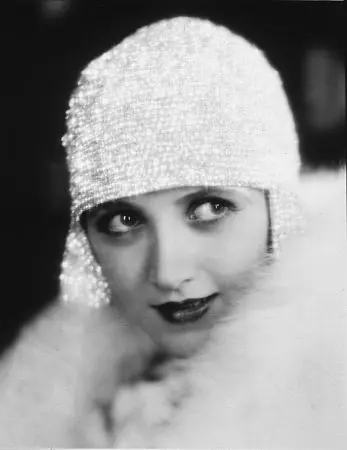
One particularly effective technique is the use of close-ups on the actors' faces. This is not just a standard silent film trope; here, it feels deliberate. The camera lingers on Elena's expressions as she watches Franz perform, conveying her admiration, concern, and burgeoning love without a single intertitle. Her eyes tell a story far richer than any text could articulate. Similarly, Franz's moments of despair or artistic fervor are amplified by tight framing, drawing the audience into his internal world.
The film also utilizes its settings to great effect. The bustling European city, with its elegant architecture and vibrant street life, is more than just a backdrop; it feels like a character in itself. Consider the scene in the public square where Franz might be seen, the crowds adding to the sense of his celebrity and the pressures that come with it. The contrast between these public spaces and the secluded, more intimate settings where Franz and Elena share their tender moments is visually striking and effectively communicates their relationship's struggle for privacy.
While not groundbreaking in its cinematography when compared to, say, the German Expressionists of the same era, Serenade employs a competent and often beautiful visual language. The lighting, though simple, is used to highlight character emotions, casting shadows that deepen dramatic moments and illuminating faces during scenes of joy. It’s a testament to the skill of the era's filmmakers that such clear narratives could be conveyed through purely visual means, demanding a different kind of engagement from the audience.
The strength of any silent film rests heavily on the shoulders of its cast, and Serenade is fortunate to have a strong ensemble. Adolphe Menjou, a familiar face of the era often typecast as the sophisticated cad, here delivers a performance of surprising vulnerability as Franz. He manages to convey the artistic temperament – the passion, the frustration, the occasional theatricality – without ever descending into mere caricature. His gestures are grand, as expected for the period, but there's a sincerity in his eyes that grounds the character.
A specific moment that highlights Menjou's skill is a scene where Franz believes Elena has betrayed him. Instead of simply raging, Menjou's performance is a masterclass in controlled despair. His slumped shoulders, the slow, deliberate movement of his hands, and the subtle tremor in his lower lip speak volumes about his heartbreak. It's a nuanced portrayal that elevates the melodrama.
Kathryn Carver as Elena is equally compelling. Her portrayal is one of delicate strength and innate grace. As a dancer, her physical presence is naturally expressive, but it's her facial work that truly shines. She possesses an almost ethereal quality, making her character's purity and innocence believable, which is crucial for the audience to invest in her plight against the Baron's schemes. Her dance sequences, though brief, are imbued with a lightness and emotional depth that hint at her character's inner world.
Lawrence Grant, as the nefarious Baron von Steuben, embraces his role as the antagonist with relish. He is the quintessential silent film villain: suave, menacing, and utterly without scruples. While his performance occasionally veers into overt theatricality, it's effective in establishing a clear and present danger for our protagonists. His sneering glances and manipulative smiles are chillingly effective, making him a memorable foil.
Supporting players Lina Basquette and Martha Franklin, though with less screen time, add texture to the world. Basquette, perhaps as a sympathetic friend or rival, and Franklin, potentially in a matriarchal role, contribute to the film’s atmosphere, rounding out the ensemble and preventing the narrative from feeling solely focused on its central trio.
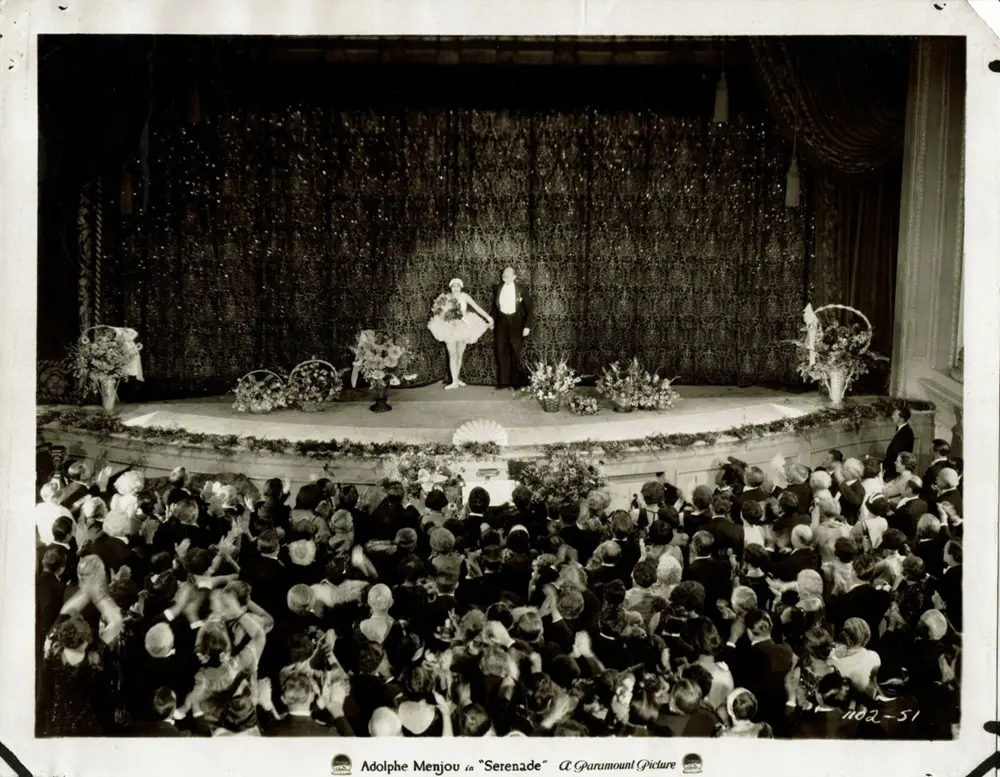
The pacing of silent films can be a significant hurdle for modern audiences accustomed to rapid-fire editing and constant dialogue. Serenade, while generally well-paced for its era, does exhibit moments where its rhythm feels more leisurely than today's viewers might prefer. The early exposition, setting up Franz's fame and his initial encounter with Elena, unfolds with a deliberate slowness, relying heavily on explanatory intertitles that, at times, could have been condensed.
However, once the central conflict involving the Baron takes hold, the film finds its stride. The tension builds effectively, and the cross-cutting between different plot threads – Elena discovering the truth, Franz preparing for his performance, the Baron's smug confidence – creates a palpable sense of urgency. The sequence leading up to Franz's pivotal concert, intercut with Elena's frantic dash to expose the Baron's lies, is where the film achieves its most compelling rhythm. It's a genuine race against time, a classic silent film trope executed with commendable energy, proving that the genre could deliver thrilling suspense without a single spoken word.
The use of intertitles, while sometimes verbose, generally serves its purpose of clarifying plot points and conveying character emotions. However, there are instances where the actors' expressions are so clear that the accompanying text feels redundant, a minor flaw that slightly breaks the immersive visual flow. This is a common issue in silent cinema, a balancing act between clarity and visual economy that wasn't always perfectly struck.
Overall, the film's pacing demands a certain patience, but it rewards that patience with moments of genuine dramatic intensity and emotional depth. It's a rhythm that asks the audience to slow down, to absorb the visual information, and to appreciate the artistry of storytelling without the crutch of sound. It works. But it’s flawed.
Yes, Serenade is absolutely worth watching today for specific audiences. It offers a valuable window into the filmmaking techniques and storytelling conventions of the 1920s.
If you are a student of film history, a silent film enthusiast, or simply curious about the artistic expressions of early cinema, this film provides rich material for study and enjoyment.
It showcases strong performances from its lead actors, particularly Adolphe Menjou, whose nuanced portrayal elevates the material.
However, if you are new to silent films or prefer fast-paced, dialogue-driven narratives, you might find its melodrama and deliberate pacing challenging.
It is not for casual viewers seeking modern entertainment, but a rewarding experience for those who appreciate cinema as an evolving art form.
Serenade (1927) is a charming, if somewhat conventional, relic from the silent era that manages to transcend some of its limitations through strong performances and evocative visual storytelling. It's not a groundbreaking masterpiece, nor does it attempt to be. Instead, it offers a solid, emotionally resonant romantic drama that, for those willing to adjust their expectations to the rhythms of 1920s cinema, provides a genuinely rewarding experience. Its dated melodrama can be forgiven for the sheer expressive power of its leads and the fascinating glimpse it offers into a bygone cinematic age. While it won't convert skeptics of silent film, it certainly reinforces the enduring appeal of the genre for its devotees. A worthwhile watch for the cinephile, but perhaps not for the casual viewer.
IMDb —
1917
Community
Log in to comment.