DbcultAccessing Vault...
6.7/10
Senior Film Conservator
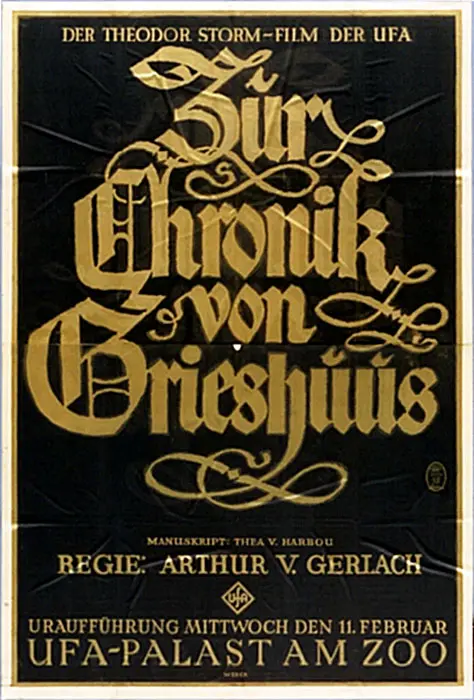
A definitive 6.7/10 rating for a film that redefined the boundaries of cult cinema. The Chronicles of the Gray House remains a cornerstone of transgressive art.
The Chronicles of the Gray House
In the realm of cinematic storytelling, few tales have managed to encapsulate the essence of enduring love and societal sacrifice as poignantly as The Chronicles of the Gray House. This film, a testament to the transformative power of love, narrates the journey of a lord who, driven by his ardor for a humble serf, chooses to relinquish his title and social standing, embarking on a path that would forever alter the trajectory of his existence.
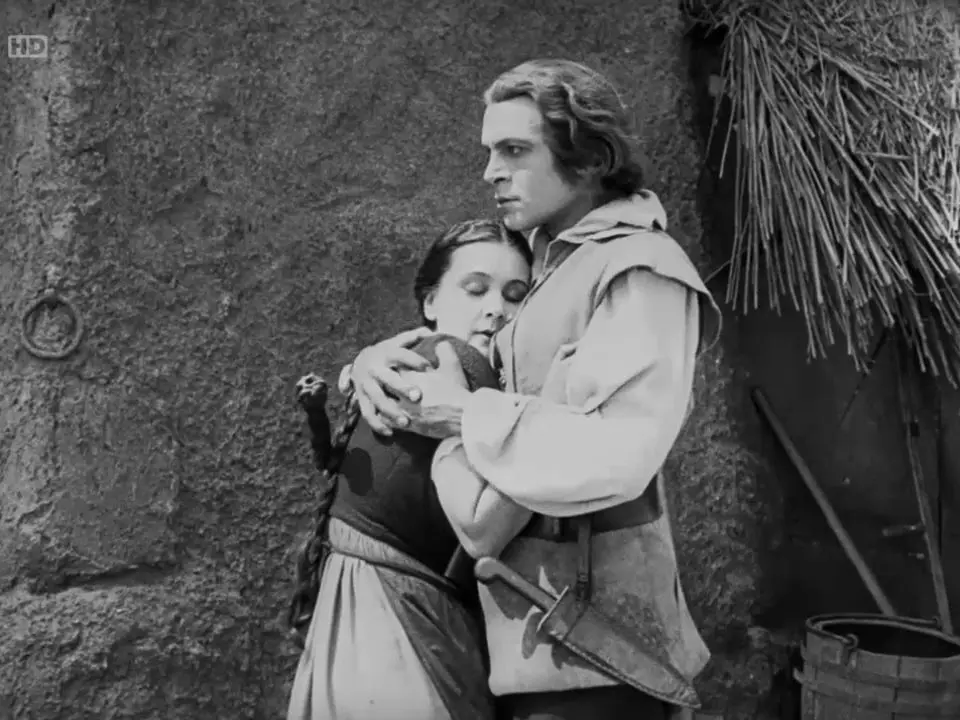
At its core, The Chronicles of the Gray House is a narrative about the transcendent nature of love and its capacity to defy the conventions of societal norms. The film's protagonist, portrayed by Christian Bummerstaedt, is a nobleman whose life takes a dramatic turn upon encountering one of his serfs. This chance meeting blossoms into a profound love that challenges the very foundations of his aristocratic life.
The decision to forsake his title and marry the serf, played by Gertrud Arnold, is not merely a romantic gesture but a deliberate act of rebellion against the rigid class structures of the time. This choice underscores the depth of his commitment and sets the stage for a exploration of themes that include love, sacrifice, and the often-conflicting demands of personal desire and social duty.
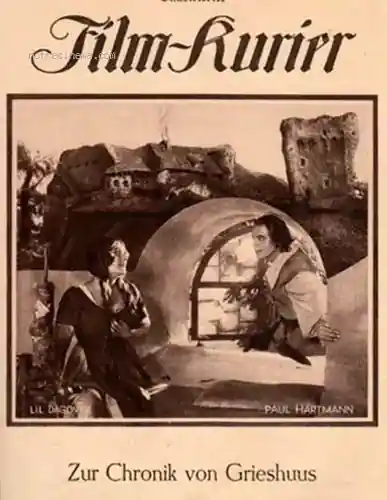
The film's adaptation from Theodor Storm's narrative and Thea von Harbou's screenplay brings a rich, layered storytelling that is reminiscent of other silent era masterpieces such as Algeria and The Common Law (1923), which also navigated the complexities of love, duty, and societal expectations.
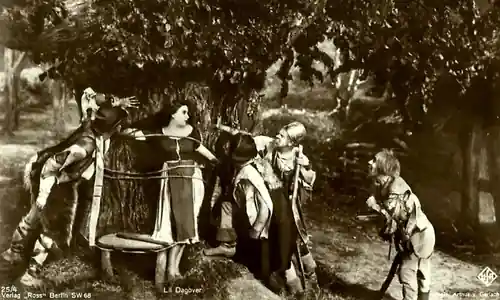
The performances of the cast, including Rudolf Forster and Lil Dagover, add depth and nuance to the narrative, bringing to life the intricate web of relationships and emotions that define the story. The cinematography, while reflective of its era, possesses a timeless quality that continues to captivate audiences, much like the enduring appeal of Engelein and Az egyhuszasos lány.
Themes and Social Commentary
The Chronicles of the Gray House is more than a simple love story; it is a vehicle for social commentary, tackling issues that were, and remain, pertinent to human experience. The film's portrayal of a man who chooses love over title and wealth serves as a critique of the class system, echoing some of the themes found in The Shrine of Happiness and The Emotional Miss Vaughn.
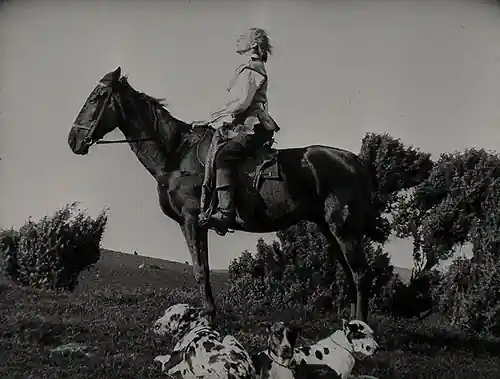
The narrative also explores the concept of sacrifice and the enduring nature of love, even in the face of mortality. The lord's unwavering devotion to his serf, even after her passing, speaks to the profound impact of their relationship and the transformative power of love. This aspect of the story finds resonance in films like Voodoo Vengeance and Sweet Kitty Bellairs, which also delve into themes of love, loss, and the supernatural.
Cinematic Craftsmanship
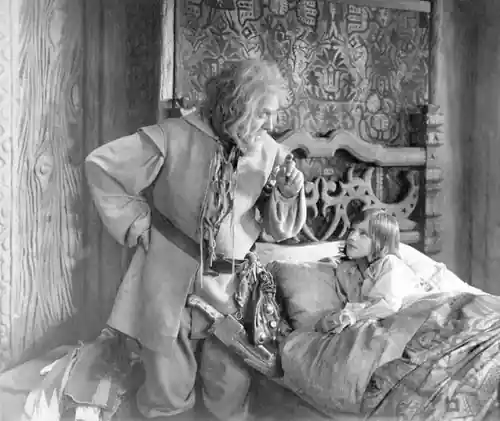
The Chronicles of the Gray House stands as a testament to the craftsmanship of its creators, from the screenplay by Thea von Harbou to the performances of its cast. The film's ability to convey complex emotions and themes through the medium of silent cinema is a notable achievement, showcasing the power of visual storytelling. In this regard, it aligns with other notable works of the silent era, such as Mysteries of Paris and A Woman of No Importance, which also leveraged the visual medium to explore intricate narratives.
The legacy of The Chronicles of the Gray House is evident in its continued relevance to contemporary audiences. Its exploration of universal themes such as love, sacrifice, and the human condition ensures its place as a timeless classic within the canon of cinema. The film's influence can be seen in its ability to evoke emotional responses and provoke thought, much like other enduring films such as The Bigamist and The Belgian.
In conclusion, The Chronicles of the Gray House is a masterpiece of silent cinema that continues to captivate audiences with its poignant tale of love and sacrifice. Its exploration of themes that transcend time and its craftsmanship as a cinematic work make it a must-see for film enthusiasts and scholars alike.

IMDb —
1932
Community
Log in to comment.