DbcultAccessing Vault...
6.4/10
Senior Film Conservator
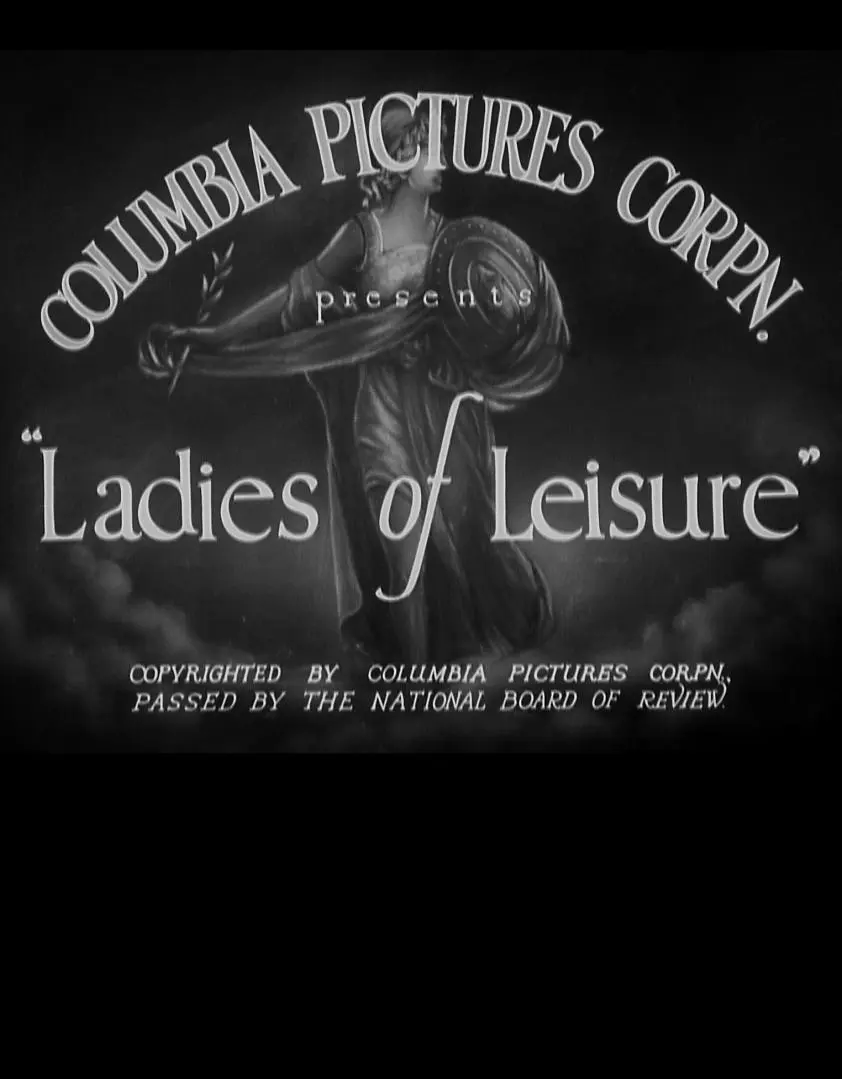
A definitive 6.4/10 rating for a film that redefined the boundaries of cult cinema. Ladies of Leisure remains a cornerstone of transgressive art.
Is Ladies of Leisure (1926) worth your time in the modern age? Short answer: yes, but only if you appreciate the raw, unpolished grit of silent-era social commentary rather than the sanitized romances often associated with the period. This film is for the cinephile who enjoys dissecting the power dynamics of the Jazz Age; it is not for those who demand fast-paced action or high-definition clarity.
1) This film works because it refuses to treat its female characters as monolithic, offering a sharp contrast between the predatory security of the wealthy and the desperate survival of the working class. 2) This film fails because its final act relies on a series of coincidences that feel more like a convenient script-writing escape than an earned emotional resolution. 3) You should watch it if you want to see Elaine Hammerstein deliver a performance that manages to feel modern despite the technical limitations of 1926 filmmaking.
Ladies of Leisure is a film that breathes through its tension. From the opening frames, we see Marian (played with a chilling sense of entitlement by Elaine Hammerstein) treating her relationship with Eric as a business acquisition. There is no soft focus here. The direction by Tom Ricketts—who also appears in the film—emphasizes the physical space between characters. When Marian pressures Eric, she doesn't just ask; she occupies his personal space in a way that feels invasive. It’s a performance of privilege that remains deeply uncomfortable to watch even a century later.
The film’s portrayal of the upper class isn't just about fancy clothes and large houses. It’s about the psychological weight they exert on everyone else. Marian’s brother being in love with Mamie is presented not just as a romantic hurdle, but as a potential contamination of the family brand. This is a theme we see explored in other films of the era, such as Sold at Auction, where the value of a woman is constantly being appraised by a judgmental public eye.
The introduction of the scheming ex-husband is where the film shifts from a character study into a high-stakes melodrama. This isn't just a plot device; it’s a reflection of the era’s obsession with reputation. In 1926, a woman’s past was a debt that could never be fully paid off. The blackmail feels visceral because the stakes—complete social ostracization—were very real for the audience of the time.
One specific scene stands out: the moment the ex-husband confronts Mamie in a dimly lit corner. The lighting here is stark, casting long shadows that make the room feel like a cage. It’s a far cry from the lighthearted antics of Felix Goes West. Here, the shadows are heavy with the threat of exposure. The ex-husband’s sneer isn't just a villainous trope; it represents a system that thrives on the exploitation of women’s secrets.
Yes, Ladies of Leisure is worth watching because it provides a window into the anxieties of the 1920s regarding class mobility and female autonomy. While the pacing can feel sluggish in the middle, the emotional payoff of the suicide rescue is genuinely moving. It offers a more grounded experience than the whimsical Annie-for-Spite, opting for a darker, more realistic tone.
Elaine Hammerstein is the undisputed anchor of this production. She has a way of using her eyes to convey both desperation and cold calculation. In the scene where she realizes Eric might be slipping away, her face undergoes a subtle transformation—a hardening of the features that tells you everything you need to know about her character's resolve. It’s a masterclass in silent acting that avoids the over-the-top gesticulation common in earlier films.
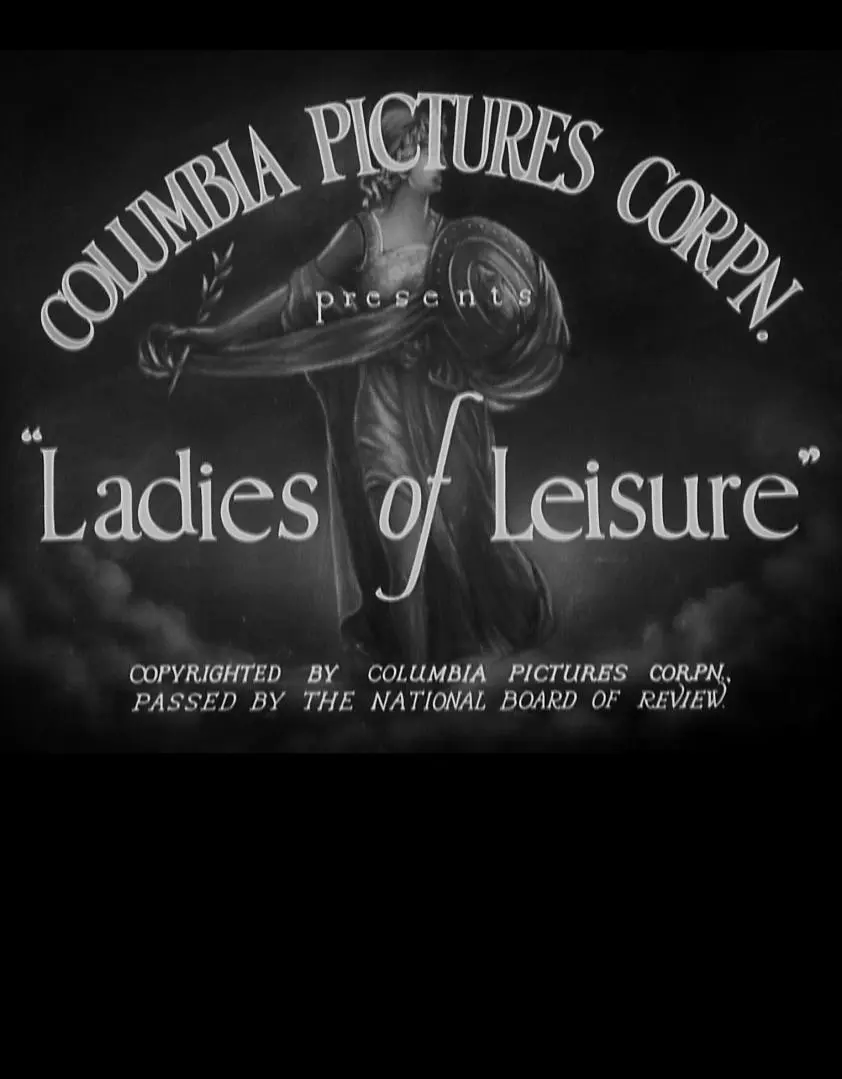
The supporting cast, particularly Gertrude Short as Mamie, provides the necessary emotional counterweight. Short plays Mamie with a fragility that makes the suicide attempt feel like a logical conclusion to her circumstances rather than a dramatic flourish. When Eric saves her, the "compromising position" they are found in is handled with a surprising amount of nuance. The camera lingers on their disheveled states, forcing the audience to confront the same snap judgments that the other characters are making.
Visually, the film is a product of its time, but it uses its limitations effectively. The interiors are cluttered, reflecting the stifling nature of the social circles the characters inhabit. Compared to the more open, atmospheric shots in The Sea Master, Ladies of Leisure feels intentionally claustrophobic. The use of close-ups during the blackmail sequences heightens the sense of panic, making the viewer feel as trapped as Mamie.
There is a specific texture to the film grain here that adds to the somber mood. It feels heavy. It feels old. But it also feels authentic. Unlike some of the more experimental works like Mystic Faces, this film sticks to a traditional narrative structure, but it executes that structure with a grim efficiency that is rare for 1926.
The pacing is where the film shows its age. The first thirty minutes are a slow burn, establishing the complex web of relationships and the mounting pressure Marian places on Eric. For a modern viewer accustomed to the rapid-fire editing of contemporary cinema, this might feel like a chore. However, if you allow yourself to sink into the rhythm of the film, the slow build makes the eventual explosion of conflict much more impactful.
The subplot involving the brother is perhaps the weakest link. It feels slightly disconnected from the central Eric-Marian-Mamie triangle, functioning more as a mirror to show how class affects different members of the family. It reminds me of the fragmented narrative style in Trapped in the Air, though it is far more grounded here. Despite this, the film maintains its focus on the central theme: the cost of leisure.
Pros:
Cons:
Ladies of Leisure (1926) is a fascinating, if occasionally clunky, exploration of the dark side of the American Dream. It’s a film about the price people pay for their status and the lengths they will go to protect it. While it shares some DNA with other "fallen woman" films like Cheap Kisses, it has a bite that is all its own. It works. But it’s flawed. The ending is a bit of a cop-out, but the journey there is paved with enough genuine human emotion to make it a worthwhile watch for any serious student of cinema. It’s a sharp, cynical look at a world that is supposedly full of leisure but is actually filled with labor—the labor of maintaining a facade. In the end, the film reminds us that the most expensive thing you can own is a clean reputation, and in this world, nobody gets one for free.
IMDb 7.3
1920
Community
Log in to comment.