DbcultAccessing Vault...
6.3/10
Senior Film Conservator
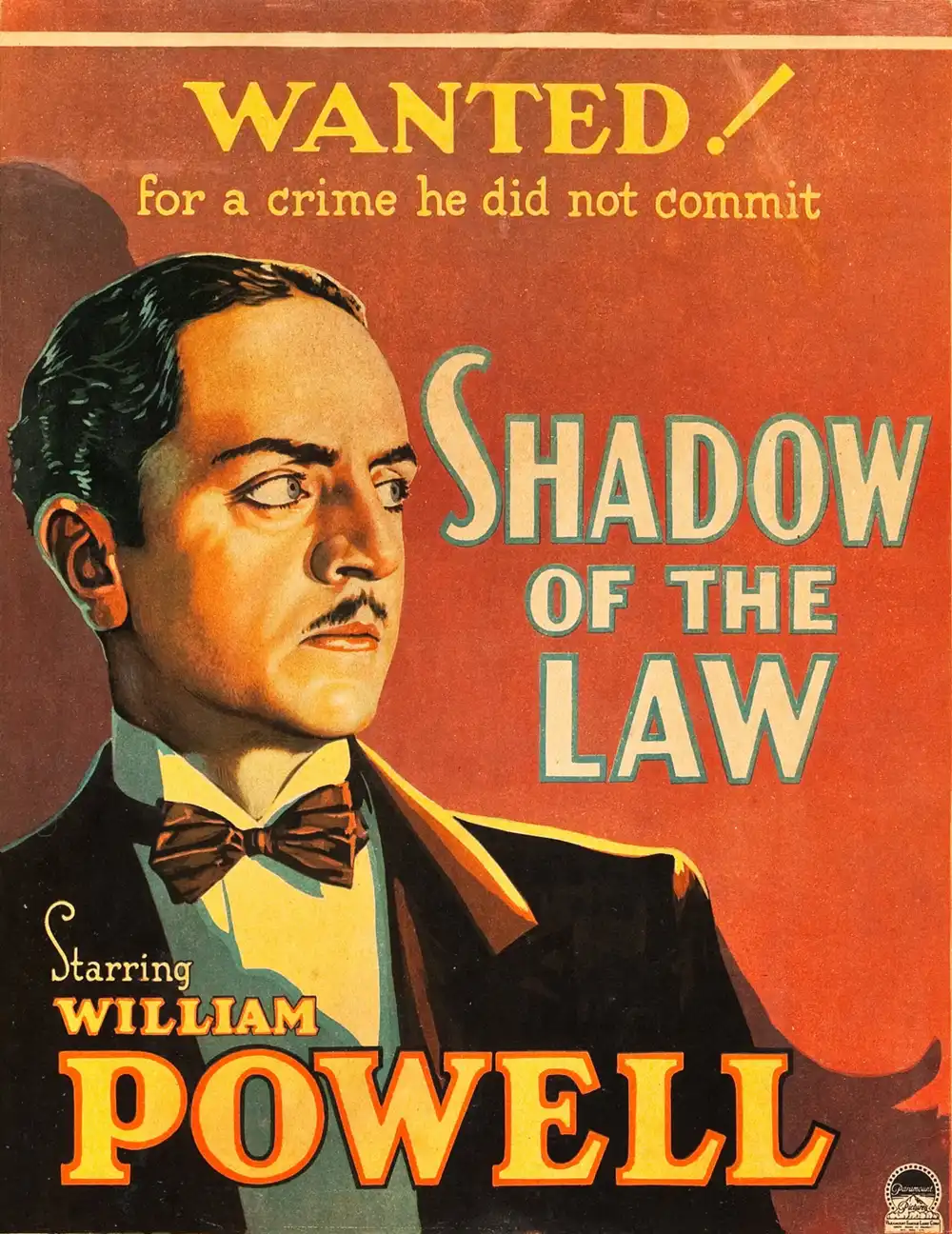
A definitive 6.3/10 rating for a film that redefined the boundaries of cult cinema. Shadow of the Law remains a cornerstone of transgressive art.
Alright, so you’re thinking about digging into a 1930 film, Shadow of the Law? Well, buckle up. This one is for the folks who genuinely enjoy stepping back into early talkie land. If you're okay with slightly muffled sound and acting that sometimes feels like a stage play, you might find something interesting here. But if you need fast pacing and crystal-clear audio, you'll probably just be frustrated. It's an *old* movie, remember.
The whole thing kicks off with John Nelson, played by Richard Tucker, just trying to be a gentleman. He walks a woman, Ethel Barry, back to her place. Then, out of nowhere, this other guy pops up, real mad. Things escalate, like, *fast*.
Nelson, he’s just defending Ethel, you see. A struggle, a broken window, and suddenly a man is falling to his death. It happens so quick, almost jarringly so. One moment it's an awkward domestic squabble, the next, a murder investigation. 😳
And then, Ethel, the only one who can back up Nelson's self-defense story? She just *poofs*. Gone. The movie doesn't really dwell on her disappearance too much at first, which feels a little convenient. You almost expect a detective to be more bothered by it.
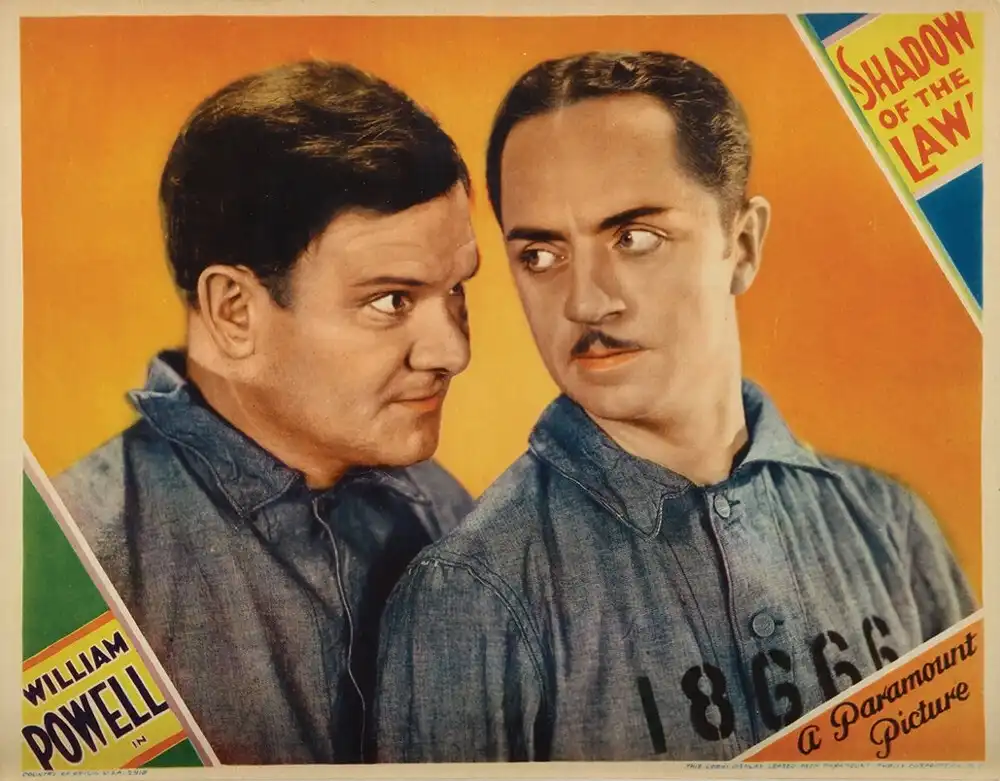
The core of the film really settles into the courtroom drama. Nelson's lawyer, trying to piece together a defense with a missing key witness, it makes for some decent tension. You can feel the stakes for Nelson, even if the acting sometimes leans a bit on the melodramatic side.
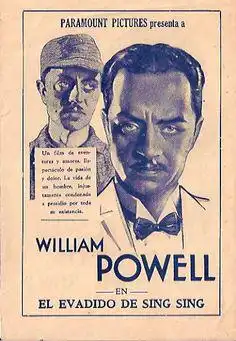
William Powell has a part here, a small one, but he’s already got that distinct charm. Even in a minor role, he catches your eye. He’s just got a certain way about him, even this early on.

One thing that really stands out is the sound. It’s 1930, so dialogue often has this sort of hollow, distant quality. Sometimes a line will just get eaten by the room echo. You gotta lean in, almost, to catch everything. It’s part of the charm, I guess, but also a bit of a workout.
The pacing, too, is a product of its time. Scenes sometimes linger a beat too long. A character might just stare into space for a few seconds more than feels natural today. It gives you time to think, though, to really soak in the early cinema vibe.
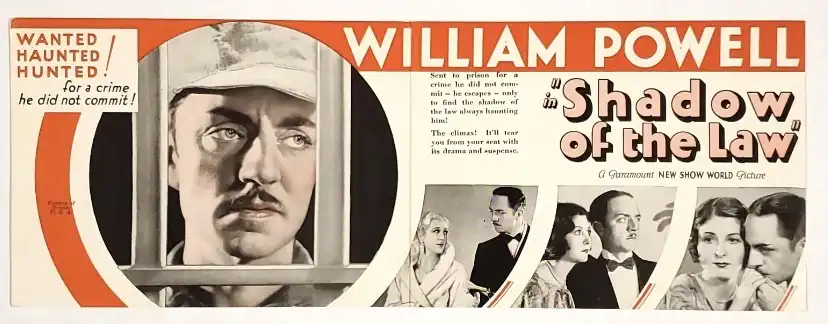
There's a moment during the trial where the camera just holds on a jury member's face for what feels like an eternity. You start wondering what they had for breakfast, not what they're thinking about the case. It’s oddly fascinating.
The sets are what you'd expect: simple, effective, but you can tell they're sound stages. The whole hotel suite looks very much like a set. Not a bad thing, just different from what we're used to.
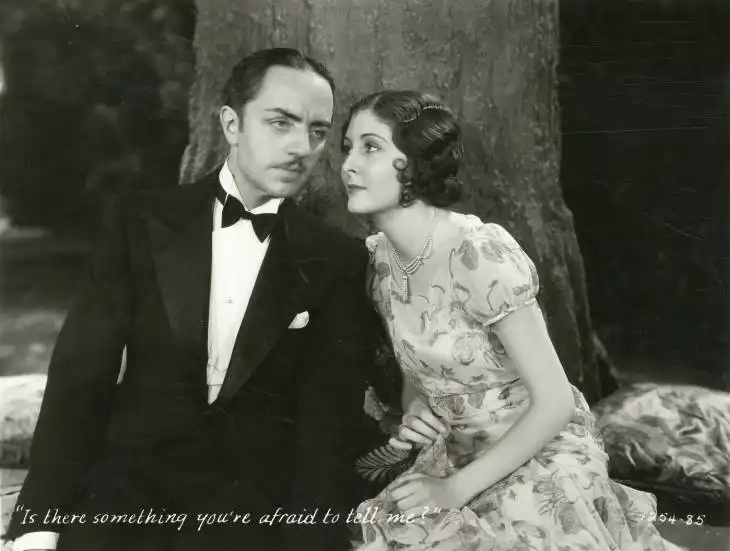
Is it a masterpiece? Nah. But it’s a solid example of early sound film trying to figure things out. It’s got a hook, a bit of suspense, and some actors finding their rhythm in a new medium. If you're into the history of film, it's worth a look. Otherwise, maybe check out something a little newer, you know?
IMDb 6
1932
Community
Log in to comment.