DbcultAccessing Vault...
Cult Review
Senior Film Conservator
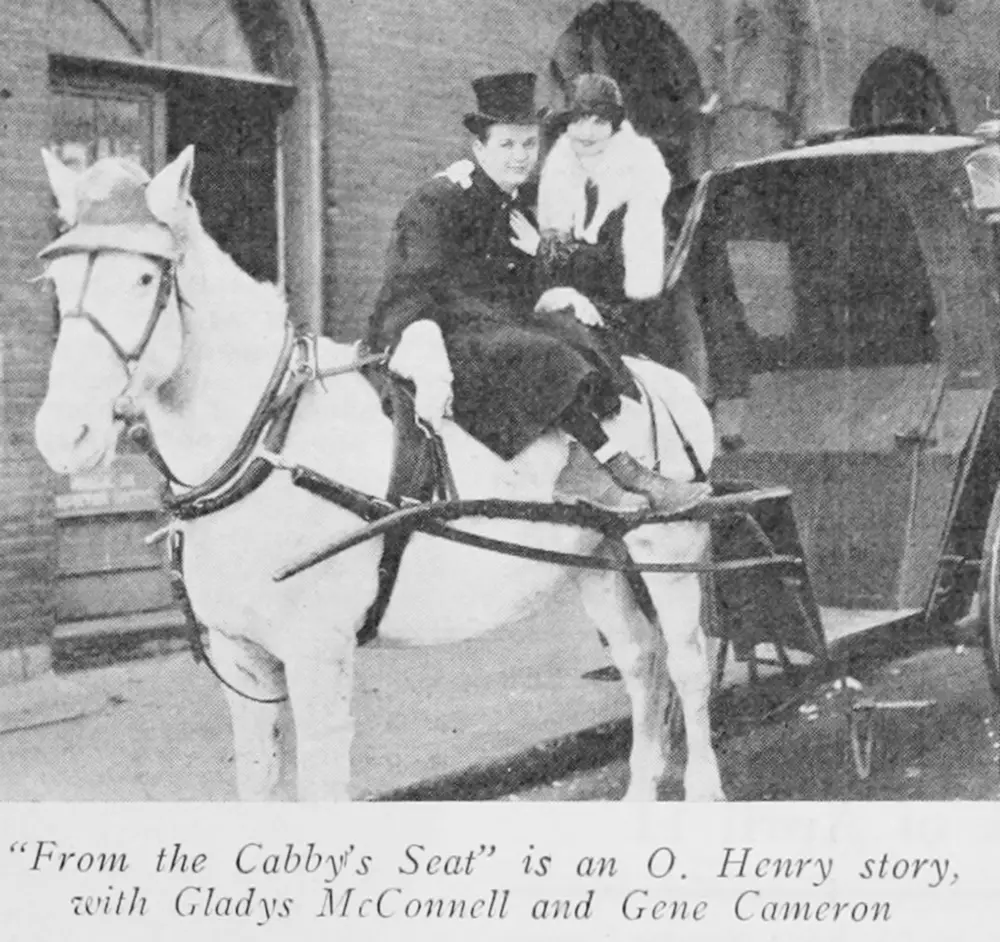
Is 'From a Cabby's Seat' a forgotten gem worth dusting off for a modern viewing? For silent film aficionados, early cinema historians, and those with a keen interest in the foundational elements of romantic comedy, the short answer is yes, but with significant caveats. This early 20th-century production, based on an O. Henry story, offers a fascinating, if sometimes frustrating, glimpse into the comedic sensibilities of its time. It’s a film that will undoubtedly charm viewers who appreciate the simplicity and physical expressiveness of the silent era, but it will likely test the patience of those accustomed to contemporary pacing and narrative complexity.
This film is unequivocally for those who approach cinema with an archaeological curiosity, eager to understand the lineage of genre tropes and the evolution of screen storytelling. It is emphatically not for anyone seeking a fast-paced, dialogue-driven, or thematically deep cinematic experience. Its humor is broad, its premise singular, and its execution a product of its nascent medium.
This film works because of its charmingly simple premise, which allows for pure, unadulterated physical comedy and character-driven reactions that transcend the spoken word.
This film fails because its pacing can feel glacially slow by modern standards, and its gender dynamics, while typical for its era, are undeniably dated and simplistic.
You should watch it if you appreciate the foundational charm of early cinema, are willing to engage with its period-specific sensibilities, and enjoy tracing the origins of comedic storytelling.
'From a Cabby's Seat' arrives as a curious artifact, a cinematic adaptation of O. Henry's signature blend of situational irony and urban charm. The premise is a wonderfully absurd conceit: a young fraternity pledge, Ernest Shields, is tasked with donning a cabby's uniform and securing a kiss from the first woman who speaks to him. This is the kind of high-stakes, low-consequence challenge that defined a certain strain of early 20th-century humor, a testament to the era's fascination with social experiments and the inherent awkwardness of human interaction.
The film's strength lies almost entirely in its commitment to this singular, farcical setup. It's a one-joke film, certainly, but it milks that joke for all it's worth through the expressive performances of its cast. Ernest Shields, as the hapless pledge, carries the weight of the film on his shoulders, often literally as he navigates the bustling streets of what appears to be an early urban landscape. His internal struggle, his anticipation, and his eventual relief (or dismay) are conveyed through exaggerated facial expressions and body language, the lingua franca of silent cinema.
The performances in 'From a Cabby's Seat' are a masterclass in silent-era acting, relying heavily on pantomime and broad gestures to convey emotion and intent. Ernest Shields, while not a household name today, demonstrates a commendable grasp of physical comedy. His transformation from a confident college boy to a nervous, slightly desperate cabby is palpable. We see his discomfort, his practiced indifference, and the subtle shifts in his demeanor as various women approach his vehicle.
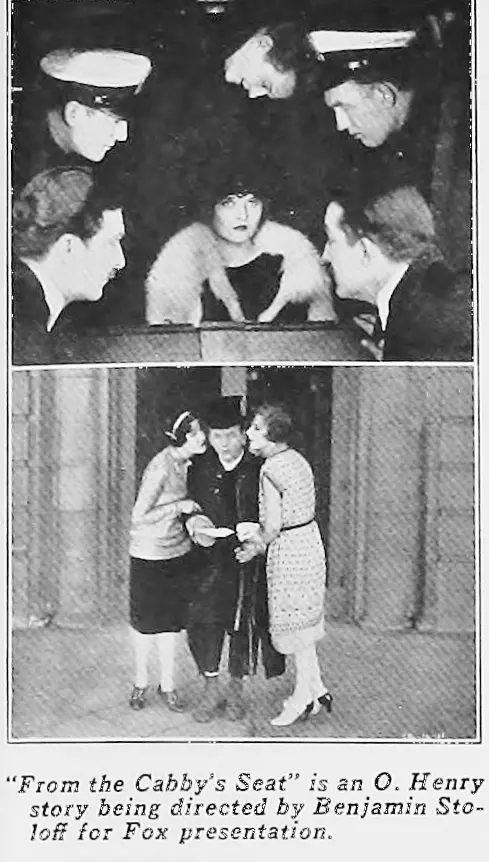
Consider the scene where he first encounters a potential 'mark.' Shields' eyes dart, his posture stiffens, and a bead of sweat practically materializes on his brow – all communicated without a single uttered word. This reliance on visual storytelling is both the film's charm and, for modern audiences, its greatest hurdle. It demands a different kind of engagement, a willingness to interpret and fill in the blanks that contemporary films often spell out explicitly.
Gladys McConnell, as the eventual target of his quest, brings a refreshing vivacity to her role. Her character, though archetypal, avoids becoming a mere plot device. McConnell imbues her with a certain independent spirit, a spark that suggests she's more than just an unwitting participant in a fraternity prank. Her reactions to Shields' increasingly desperate advances are genuinely amusing, highlighting the comedic tension between the two leads. The supporting cast, including Art Rowlands and Gene Cameron, provide solid, if less memorable, contributions, primarily serving as the instigators and observers of the central predicament.
The direction, while straightforward, effectively serves the film's comedic purpose. The camera is largely static, a common trait of early cinema, but it is positioned to capture the breadth of the action and the reactions of the characters. We get wide shots of the street, emphasizing the public nature of the pledge’s humiliation, and closer shots that allow Shields’ expressions to take center stage. The director understands the importance of visual context, placing Shields' cab in busy street scenes to amplify the feeling of public scrutiny.
One particularly effective directorial choice is the way the film builds suspense around the 'first woman.' Each potential interaction is framed with a sense of anticipation, a brief pause before the woman speaks, allowing the audience to share in Shields' anxiety. This simple technique, while perhaps rudimentary by today's standards, is a clear example of effective visual storytelling in a nascent medium. It’s a trick that films like All Wet would refine, but the blueprint is here.
The cinematography of 'From a Cabby's Seat' is, as expected for its time, functional rather than flashy. The black and white photography captures the texture of early 20th-century urban life with a certain nostalgic charm. The street scenes are particularly compelling, offering an unfiltered glimpse into a bygone era – the cars, the fashion, the general hustle and bustle. While there are no elaborate tracking shots or complex lighting schemes, the film utilizes available light effectively, creating clear, discernible images.
The visual clarity allows the audience to appreciate the details of the costumes and sets, which are surprisingly well-rendered for a film of this vintage. The cabby uniform, for instance, is authentically depicted, adding to the verisimilitude of Shields’ predicament. The film serves as an unintended historical document, preserving the visual essence of an early American city. Its visual simplicity is its greatest strength, allowing the narrative to unfold without distraction.
The pacing of 'From a Cabby's Seat' is perhaps its most challenging aspect for a contemporary viewer. It is slow. Deliberately so. Each interaction, each moment of comedic tension, is given ample time to unfold. This unhurried approach allows the audience to savor the physical comedy and the subtle nuances of the performances, but it can also feel laborious if one is not accustomed to the rhythm of silent cinema.
The tone is consistently lighthearted and farcical. There’s no underlying darkness or profound social commentary, which might disappoint those looking for deeper meaning. It's pure, unadulterated escapism, a simple comedic diversion. The film revels in its silliness, never taking itself too seriously, which is ultimately its saving grace. It’s a gentle, charming humor that relies on the absurdity of the situation rather than sharp wit or intricate plot twists. In this regard, it shares a spirit with other lighthearted comedies of the era, such as A Perfect 36.
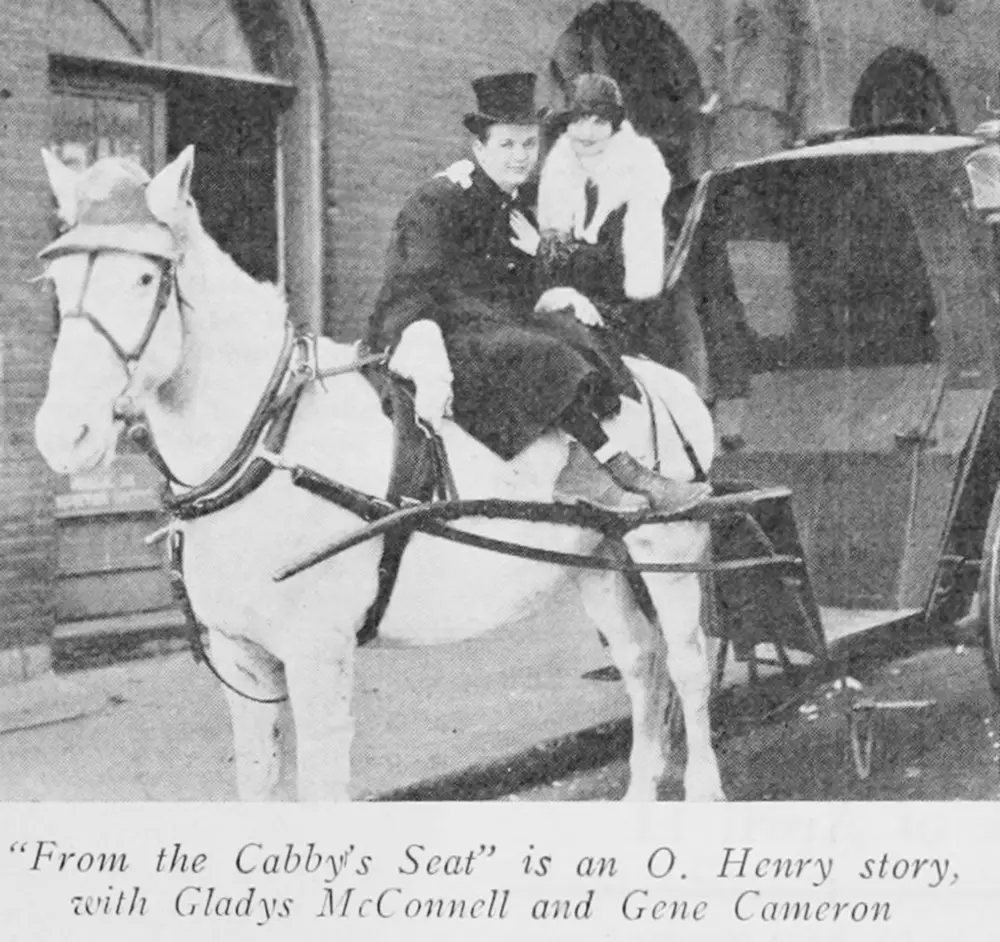
Absolutely, but with a clear understanding of what you're getting into. This isn't a film that will redefine your understanding of cinema or leave you pondering its philosophical implications. Instead, it offers a delightful, if somewhat dated, journey back to the roots of comedic filmmaking. It’s a historical artifact that still manages to elicit chuckles, primarily through the timeless appeal of a character in an awkward predicament.
Its value today lies not just in its entertainment, but in its educational aspect. It shows us how early filmmakers tackled narrative, character, and humor without the benefit of sound, color, or complex editing techniques. It’s a testament to the ingenuity of the era. If you’re a student of film history or simply curious about the silent era, this is a concise and accessible entry point.
However, if you're looking for a film to passively consume on a Friday night, something to keep you on the edge of your seat with modern storytelling, then 'From a Cabby's Seat' is likely not for you. Its slow pace and reliance on visual gags require a more active and appreciative audience.
One striking observation is how the film, perhaps unintentionally, comments on the performative nature of masculinity in early collegiate life. The fraternity initiation isn’t just about completing a task; it's about performing a certain kind of stoicism and bravado in public, even when internally mortified. Shields' character is constantly aware of being watched, not just by his fraternity brothers but by the unseen societal gaze. This adds a subtle layer of pressure to his already ridiculous task.
I’d also argue that while the premise is simple, its execution is surprisingly adept at building tension. The film doesn’t rush to the kiss; it draws out the anticipation, playing with the audience’s expectations. This deliberate pace, often seen as a flaw by modern viewers, is actually a strength when viewed through the lens of early narrative construction. It allows the comedic beats to land more effectively, giving the audience time to register and appreciate each failed attempt.
A brutally simple truth: It works. But it’s flawed.
In conclusion, 'From a Cabby's Seat' is a charming, if undeniably dated, piece of cinematic history. It’s a film that demands patience and a certain degree of historical appreciation, but rewards those who offer it with a delightful, if simple, comedic experience. It’s not a masterpiece by any stretch, nor does it strive to be. What it is, however, is an honest reflection of early filmmaking, a testament to the power of physical comedy, and a gentle reminder of how much cinema has evolved.
For a specific niche of viewers, this film is absolutely worth watching, if only to appreciate the foundational elements of a genre that continues to thrive today. It's a stepping stone, a historical footnote that still manages to amuse. Consider it a pleasant, brief detour into the past, a silent chuckle from a simpler time. It’s not essential viewing for everyone, but for those it’s aimed at, it’s a rewarding experience.
IMDb 4.9
1935
Community
Log in to comment.