DbcultAccessing Vault...
Cult Review
Senior Film Conservator
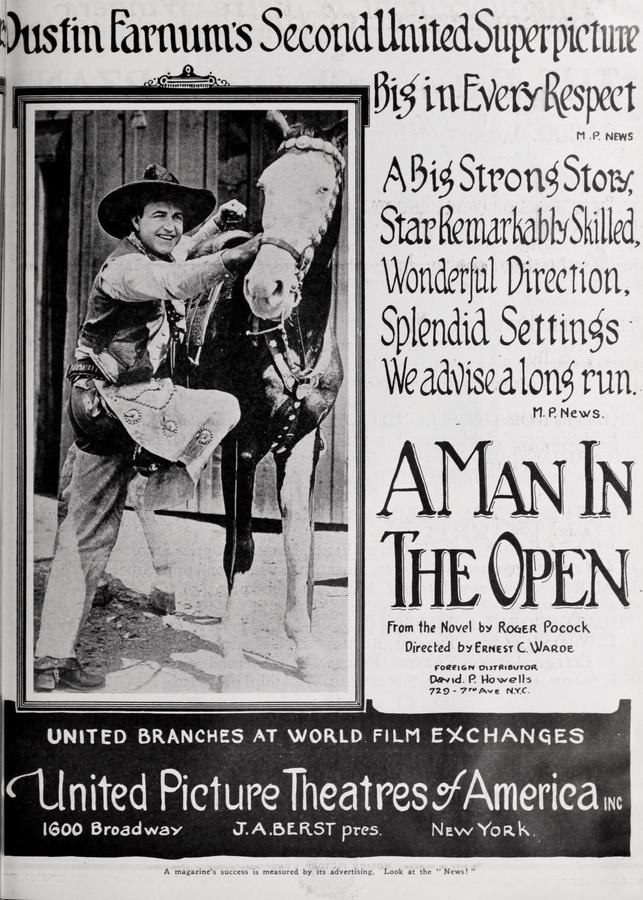
The cinematic landscape of 1919 was a period of profound transition, a moment where the visual language of the medium was shedding its theatrical chrysalis to embrace the rugged naturalism of the American expanse. A Man in the Open, directed by Ernest C. Warde, stands as a quintessential artifact of this era, a film that attempts to reconcile the maritime mythos with the burgeoning Western genre. Starring the indomitable Dustin Farnum, the picture serves as a vehicle for a specific type of masculine vulnerability that was rarely explored with such nuance during the silent epoch. To watch this film today is to witness a collision between the melodrama of the Victorian stage and the visceral reality of the frontier, a synthesis that produces a surprisingly potent emotional resonance.
The film opens with a sequence of maritime calamity that immediately establishes Jesse as a man out of time and place. Unlike the protagonists in Helene of the North, who find themselves at home in the frigid wilderness, Jesse is a creature of the tides forced to adapt to the arid dust of Texas. This displacement is not merely physical; it is ontological. Farnum portrays Jesse with a wide-eyed sincerity that borders on the hagiographic, yet he avoids the pitfalls of saccharine sentimentality. When he is lured into the world of cattle rustling, it isn't through malice but through a profound lack of social literacy. He is a 'tabula rasa' upon which the harsh codes of the West are written.
The intervention of the sheriff provides the first of many moral pivots. In a narrative structure reminiscent of The Outsider, the law is portrayed not just as an instrument of punishment, but as a gateway to social reintegration. This allows Jesse to transition into the role of a cowboy, a metamorphosis that the film handles with a surprising amount of procedural detail. We see the labor, the sweat, and the slow cultivation of a man who is learning to read the land as he once read the stars.
The introduction of Polly and Bull Brooks shifts the film into the realm of psychological manipulation. The trope of the 'fake hypnotist' was a staple of early 20th-century entertainment, tapping into contemporary anxieties about agency and the subconscious. Polly, played with a brittle desperation by Claire Du Brey, is a tragic figure—a woman whose very identity is a commodity sold to the highest bidder in a carnival atmosphere. Her marriage to Jesse, predicated on a bet, is a masterclass in dramatic irony. The audience is privy to the deception, which creates a tension that elevates the film above standard romantic fare. Much like the domestic entrapment seen in The Bride's Silence, Polly is a prisoner of her own circumstances, even as she inflicts pain upon the innocent Jesse.
When Jesse attempts to 'save' her by taking her to the open spaces, he is practicing a form of romantic colonialism. He believes that the purity of the mountains will somehow wash away the stains of her urban corruption. However, the film subverts this expectation. Brooks’ lie—that Polly committed suicide rather than leave—is a narrative masterstroke. It creates a psychological weight that Jesse carries into his next chapter, a ghost that haunts the periphery of his consciousness even as he finds new love.
The second act of A Man in the Open is where the film achieves its greatest aesthetic heights. The transition to the mountains introduces Kate Trevor, portrayed by Irene Rich with a dignified sorrow. Kate is a fascinating character study: an opera singer—the ultimate symbol of high culture—reduced to a life of grueling survival in the service of an alcoholic husband. This juxtaposition of the refined and the raw creates a thematic resonance that echoes through films like Love's Toll. The mountains are not just a setting; they are a character, a silent witness to the slow-burning connection between Jesse and Kate.
The death of Trevor is a moment of stark, unadorned tragedy. His drowning, witnessed by Jesse and Kate, is a cinematic cleansing. It is a 'deus ex machina' that feels earned by the sheer weight of the suffering that preceded it. The subsequent marriage and birth of their child offer a glimpse into a pastoral utopia, a brief moment where Jesse is finally 'in the open,' free from the shadows of his past. The domestic scenes here are shot with a tenderness that contrasts sharply with the earlier, more frantic sequences in the town. There is a stillness in the mountain air that seems to permeate the film stock itself.
However, the third act demands a reckoning. The reappearance of Polly and Brooks is a classic melodramatic intrusion, yet it is handled with a gritty realism. The separation of Jesse and Kate is a moment of profound psychological trauma. Jesse’s honor—the very thing that saved him in the first act—now becomes the instrument of his undoing. He cannot live a lie, even if the truth destroys the life he has built. This internal conflict is a hallmark of the era’s best dramas, similar to the moral quandaries found in Souls in Bondage.
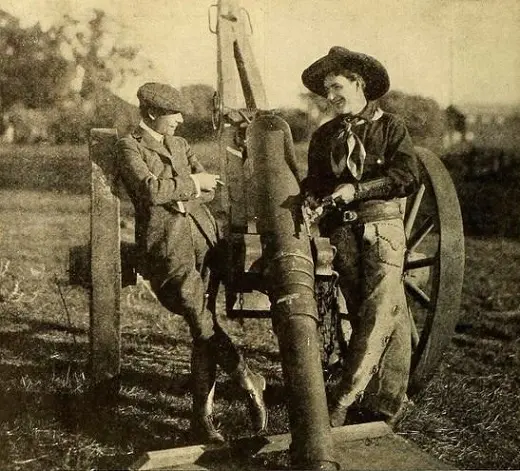
The final confrontation is a visceral explosion of pent-up tension. The physical fight between Jesse and Brooks is staged with a raw energy that presages the more sophisticated action sequences of the 1920s. Polly’s intervention—shooting Brooks—is her final act of agency, a rejection of the man who controlled her life. The deathbed confession regarding her prior marriage is the ultimate narrative release. It is a convenient resolution, yes, but within the context of 1919 cinema, it serves as a necessary moral alignment. It retroactively validates Jesse’s life with Kate, turning a potential scandal into a triumph of the spirit.
Technically, A Man in the Open is a revelatory experience. The cinematography by Victor Milner (who would later go on to be a legendary figure in Hollywood) utilizes natural light in a way that feels incredibly modern. The wide shots of the Texas plains and the claustrophobic interiors of the Brooks household create a visual dialectic between freedom and captivity. Unlike Speed, which relies on kinetic energy, this film relies on the gravity of its frames. Every shot is composed with an eye for the emotional weight of the landscape.
Dustin Farnum’s performance is the anchor of the film. He possesses a physical presence that commands the screen, yet his eyes convey a sensitivity that was ahead of its time. He doesn't just play a cowboy; he plays a man trying to understand the nature of his own soul. Irene Rich provides a perfect foil, her quiet intensity balancing Farnum’s more expansive energy. The supporting cast, particularly Herschel Mayall as Bull Brooks, avoids the mustache-twirling villainy common in the era, opting instead for a more insidious, psychological form of menace.
When compared to other contemporary works like The Other Woman or The Virtuous Thief, A Man in the Open distinguishes itself through its refusal to stay within the confines of a single genre. It is a Western, yes, but it is also a psychological thriller, a maritime tragedy, and a domestic drama. It shares the thematic DNA of Wanted: A Home in its exploration of the search for belonging, yet it executes this search on a much grander, more cinematic scale.
The film also touches upon social issues that were often ignored. The portrayal of Kate’s abusive husband and her subsequent liberation is a bold narrative choice for 1919. It aligns the film with more socially conscious works like Humanidad, showing that even in the 'open' spaces of the frontier, the darkness of the human heart remains a constant threat. The resolution of the bigamy subplot, while perhaps a bit neat for modern tastes, reflects the era's obsession with legalistic morality, a theme also explored in The Church and the Woman.
A Man in the Open is more than just a relic of a bygone age; it is a living, breathing piece of cinema that speaks to the enduring human desire for truth and redemption. Its narrative trajectory—from the chaos of the sea to the clarity of the mountains—is a metaphor for the human condition itself. We are all, in some way, shipwrecked sailors trying to find our footing on solid ground, often misled by the charlatans of our own making.
For those who appreciate the artistry of the silent era, this film is an essential watch. It lacks the pretension of some 'prestige' films of the time, opting instead for a raw, honest storytelling that remains remarkably effective. It is a testament to the power of Dustin Farnum as an icon and to the vision of a directorial team that understood the inherent drama of the American landscape. In the vast library of early cinema, this is a volume that deserves to be pulled from the shelf and celebrated for its complexity, its beauty, and its unwavering belief in the possibility of starting over.
Whether you are drawn to it for its historical significance, its technical achievements, or its emotional depth, A Man in the Open remains a towering achievement. It is a film that demands to be seen 'in the open,' free from the biases of modern cynicism, so that its simple, profound truths can once again find an audience.
IMDb 7.1
1919
Community
Log in to comment.