DbcultAccessing Vault...
6.1/10
Senior Film Conservator
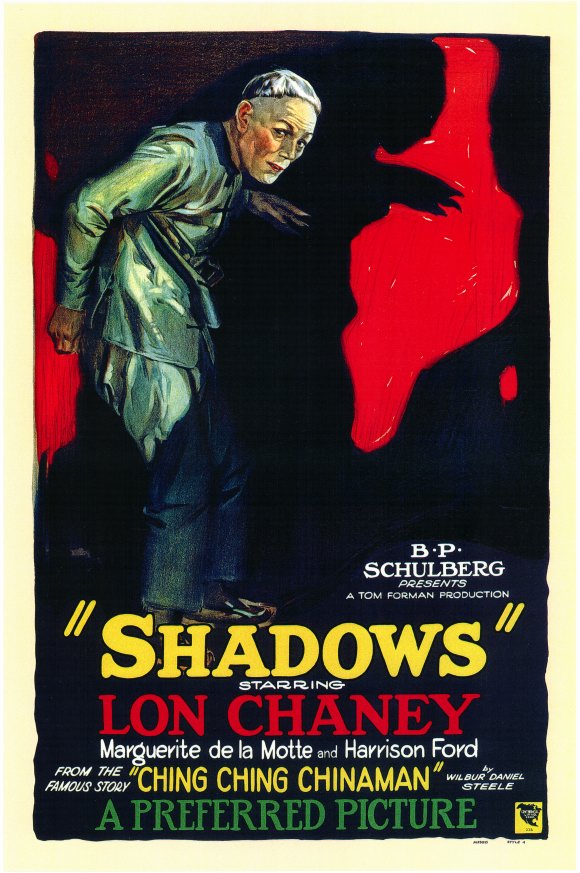
A definitive 6.1/10 rating for a film that redefined the boundaries of cult cinema. Shadows remains a cornerstone of transgressive art.
The cinematic landscape of the 1920s was marked by a plethora of films that explored the human condition, but few have delved as deeply into the complexities of faith and redemption as Shadows. This 1922 masterpiece, penned by the talented duo of Eve Unsell and Hope Loring, alongside Wilbur Daniel Steele, presents a narrative that is as thought-provoking as it is visually stunning. With a cast that includes the inimitable Lon Chaney, Marguerite De La Motte, and Priscilla Bonner, Shadows is a film that not only showcases the acting prowess of its stars but also challenges the viewer to confront the very essence of their own beliefs and values.
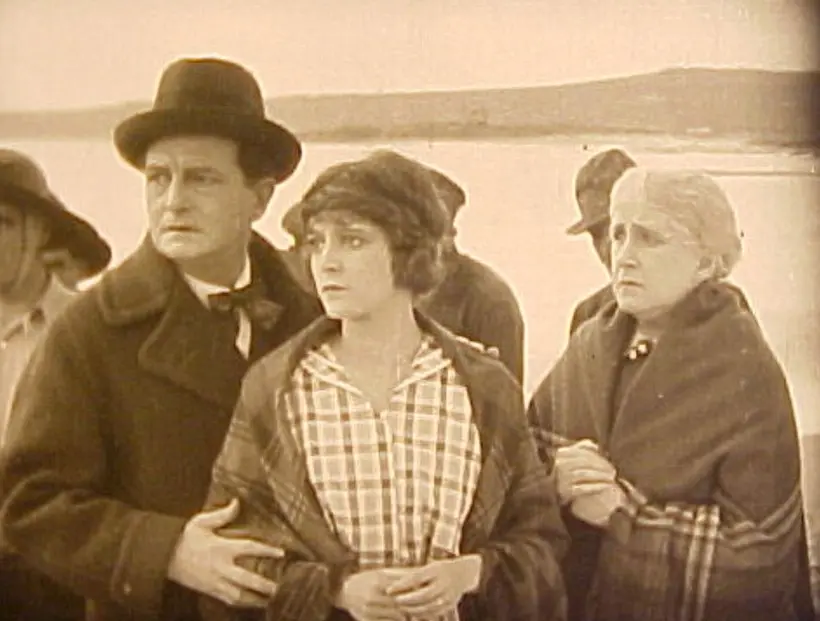
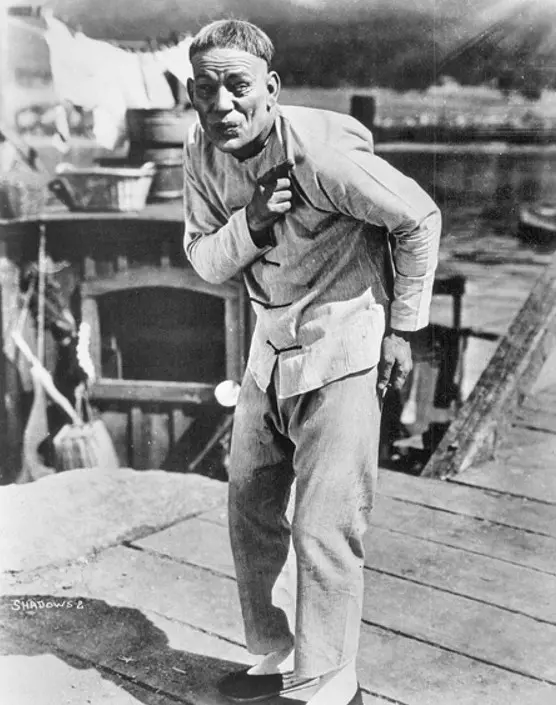
At the heart of Shadows lies a dying Chinese man, whose conversion to Christianity is motivated by a desire to save a friend from the grip of blackmail. This central plot point serves as a catalyst for a broader exploration of the human experience, tackling themes that range from the nature of sacrifice to the transformative power of faith. As the story unfolds, the viewer is invited to ponder the intricacies of moral obligation, the weight of secrets, and the unyielding bonds of loyalty that define us as individuals and as a society.
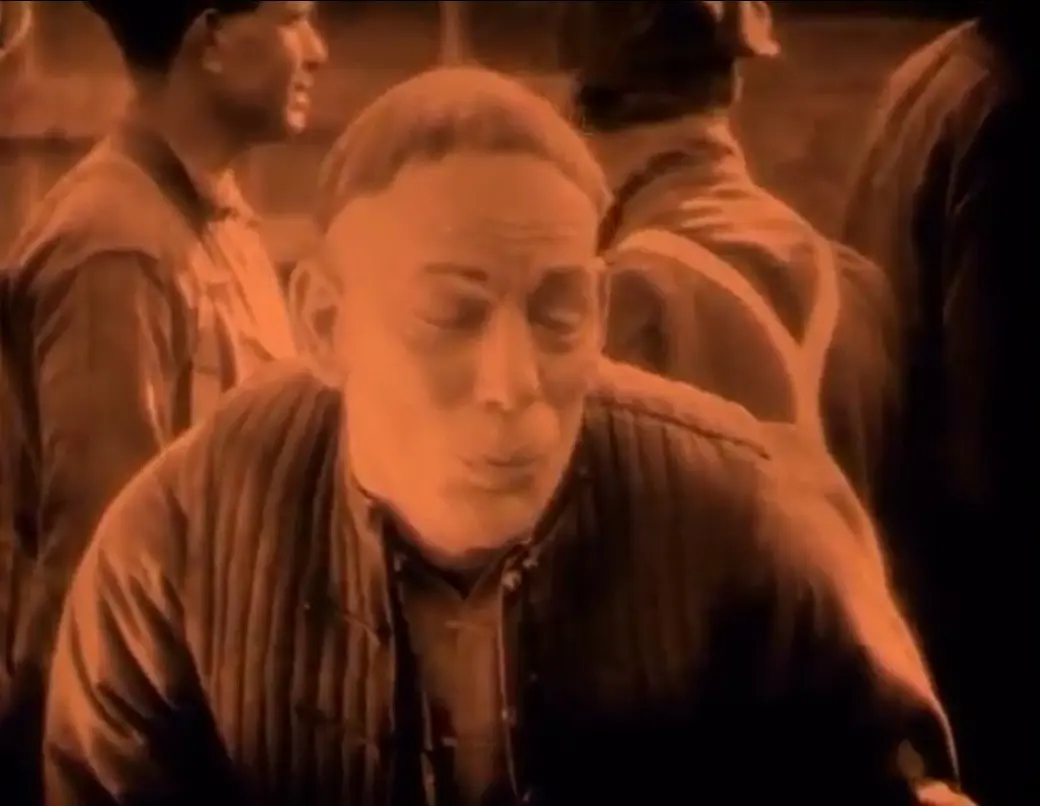
One of the standout aspects of Shadows is its thoughtful pacing, which allows the audience to fully immerse themselves in the world of the film. Unlike the frenetic energy of The Brass Bullet or the lighthearted charm of Billy Blazes, Esq., Shadows adopts a more contemplative approach, encouraging the viewer to reflect on the characters' experiences and the implications of their actions. This deliberate pacing also serves to underscore the film's central themes, creating a sense of depth and resonance that lingers long after the credits have rolled.
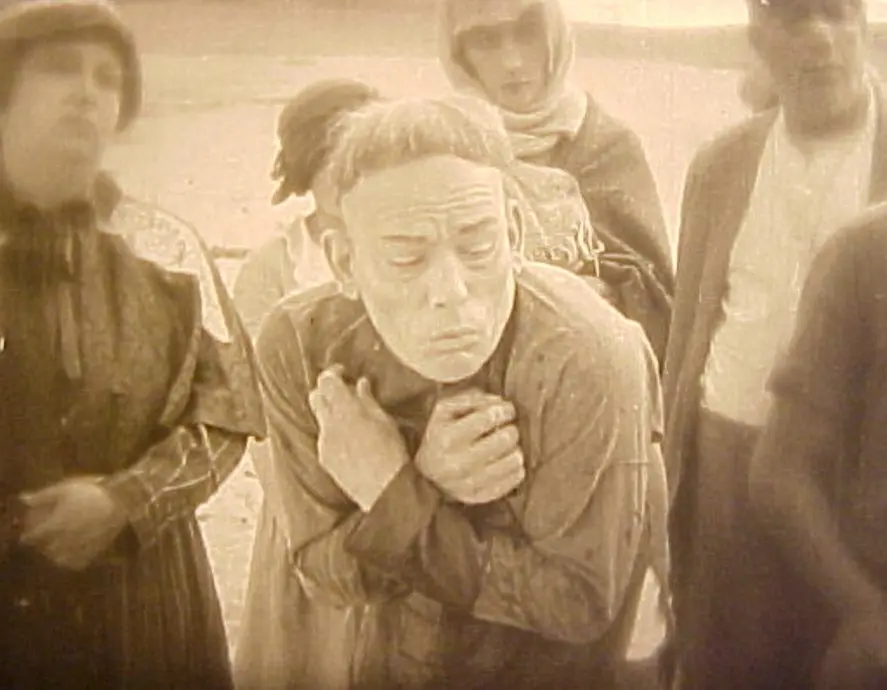
The performances in Shadows are equally impressive, with each member of the cast bringing a unique dimension to their role. Lon Chaney, in particular, delivers a standout performance, imbuing his character with a sense of vulnerability and resolve that is both captivating and deeply moving. The chemistry between the actors is palpable, adding a layer of authenticity to the narrative that makes the characters' journeys all the more compelling.
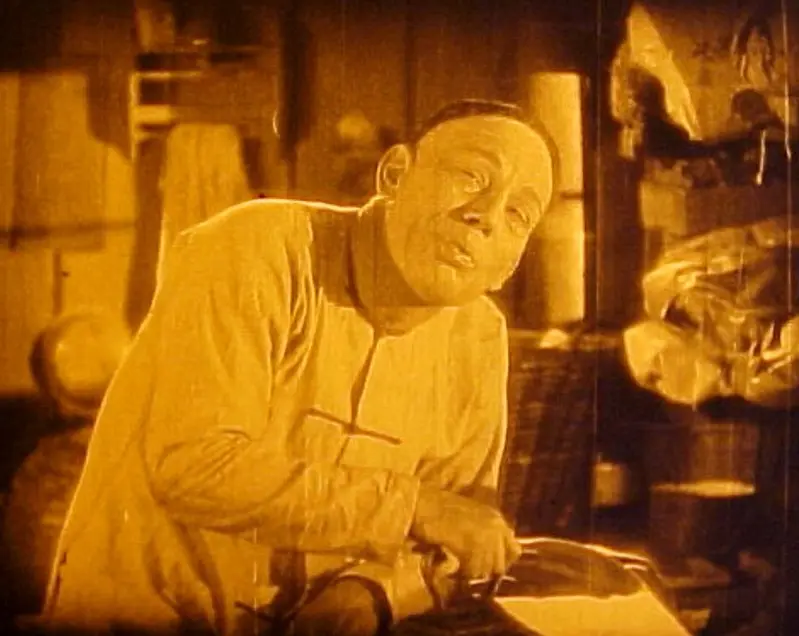
In terms of cinematic technique, Shadows exhibits a level of sophistication that is remarkable for a film of its era. The use of lighting and shadow (a theme that is echoed in the film's title) creates a visually striking environment, with the interplay between light and darkness serving to underscore the characters' emotional states. This attention to detail extends to the film's set design, which effectively captures the essence of the characters' world, from the opulence of their surroundings to the stark simplicity of their inner lives.
While Shadows can be seen as a product of its time, tackling themes and issues that were pertinent to the 1920s, its exploration of the human condition remains timeless. The film's central concerns – the search for meaning, the power of faith, and the importance of human connection – are universal, transcending the boundaries of era and culture to speak to something fundamental within us. In this sense, Shadows can be seen as a companion piece to other films that explore the human experience, such as Sweet Alyssum or Discontented Wives, each of which offers a unique perspective on the complexities and challenges of life.
In conclusion, Shadows is a film that defies easy categorization, blending elements of drama, romance, and social commentary to create a rich and nuanced narrative. With its talented cast, thoughtful pacing, and masterful use of cinematic technique, Shadows is a must-see for anyone interested in exploring the depths of the human experience. Whether viewed as a historical artifact, a work of cinematic art, or a poignant exploration of the human condition, Shadows is a film that will linger in the viewer's mind long after the curtain has fallen, its themes and characters continuing to resonate with a power and profundity that is all too rare in contemporary cinema.
For those who appreciate the works of Lon Chaney, Shadows is an absolute treasure, offering a glimpse into the actor's remarkable range and vulnerability. Similarly, fans of The Three Musketeers or Honor Bound will find much to appreciate in Shadows, which shares a similar sense of adventure and moral complexity. Ultimately, however, Shadows is a film that stands on its own, a testament to the power of cinema to capture the essence of the human experience and to inspire us to reflect on our own values, beliefs, and relationships.

IMDb —
1934
Community
Log in to comment.