DbcultAccessing Vault...
5.3/10
Senior Film Conservator
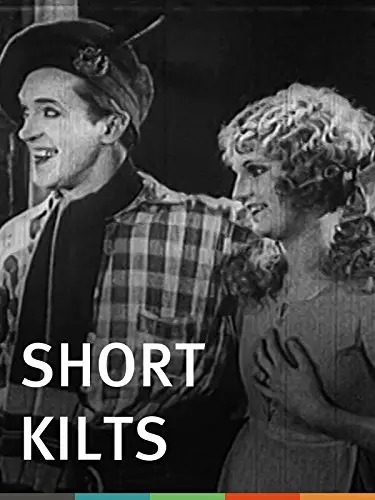
A definitive 5.3/10 rating for a film that redefined the boundaries of cult cinema. Short Kilts remains a cornerstone of transgressive art.
Ah, the silent era – a cinematic crucible where the very foundations of comedic timing and visual storytelling were forged. Among the myriad flickering gems from this period, H.M. Walker's 1924 short, Short Kilts, stands as a delightful, if somewhat forgotten, testament to the nascent genius of physical comedy, particularly as embodied by the inimitable Stan Laurel. More than just a historical curiosity, this film offers a fascinating glimpse into the evolution of slapstick, presenting a narrative so simple yet so ripe for escalating absurdity that it remains compelling even a century later. It's a prime example of how the medium, stripped of dialogue, relied on exaggerated gestures, facial expressions, and meticulously choreographed chaos to elicit uproarious laughter from audiences.
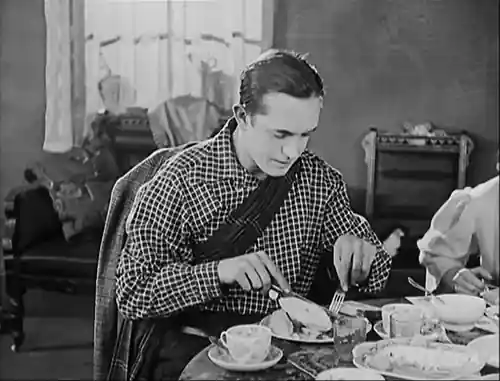
At its heart, Short Kilts operates on a premise that is both timeless and inherently farcical: the attempt to reconcile two deeply entrenched, feuding factions. In this case, we are transported to the windswept, kilt-clad world of the Scottish Highlands, where two clans have nursed a generations-long animosity. The film opens with a noble, albeit misguided, endeavor to broker peace. One clan, weary of the perpetual squabbling, extends an invitation to the other for a grand supper, hoping that shared hospitality might finally douse the flames of their bitter rivalry. It's a classic setup, echoing countless folk tales and historical anecdotes, where the best intentions often pave the way for the most spectacular failures. From the moment the rival clansmen, bristling with suspicion and barely concealed aggression, begin to arrive, an air of palpable tension pervades the screen, hinting at the impending pandemonium. The initial pleasantries are strained, each handshake a test of wills, each forced smile a mask for simmering resentment. It's a delicate dance on the precipice of disaster, and the audience, even without spoken words, understands the volatile undercurrents at play.
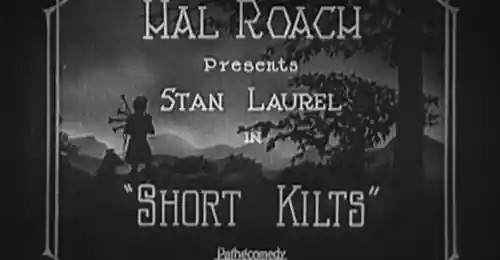
What follows is a masterclass in comedic escalation. The supper, intended as a balm for old wounds, quickly transforms into a catalyst for an even grander conflict. A misplaced glance, an accidental bump, a perceived slight – any minor infraction is enough to ignite the powder keg. Plates become projectiles, food becomes ammunition, and the polite dinner table dissolves into a free-for-all. The film revels in this descent into glorious, unadulterated chaos, with every cast member contributing to the escalating pandemonium. The beauty of such a simple narrative lies in its universal relatability; who hasn't witnessed a social gathering teeter on the brink of awkwardness, only to plunge headfirst into outright mayhem? Short Kilts takes this everyday anxiety and magnifies it to an absurd, hilarious degree, making the clan feud a stand-in for any intractable conflict, whether familial or societal.
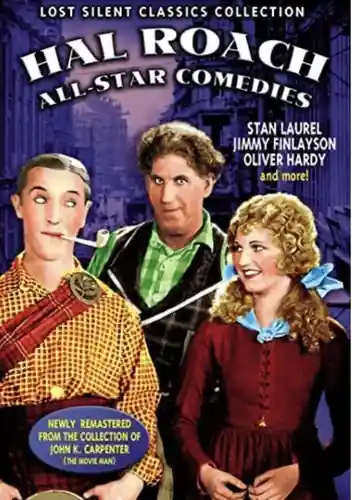
While the premise itself is strong, the true magic of Short Kilts, like so many silent comedies, lies in its ensemble. The film boasts a remarkable roster of talent, many of whom were veterans of the burgeoning Hollywood comedy scene. Foremost among them, of course, is Stan Laurel. Even in these early, pre-Hardy days, Laurel’s distinctive comedic persona was beginning to crystallize. His bewildered expressions, his inherent clumsiness, and his knack for finding himself in the most ridiculous situations are all on full display. He’s not yet the fully formed 'Stan' of Laurel and Hardy fame, but the foundational elements of that beloved character are clearly visible, offering a fascinating precursor to his later iconic roles.
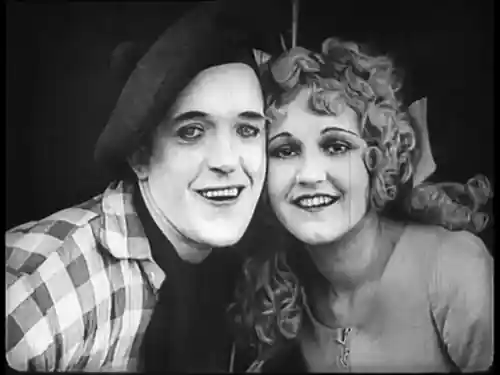
Beyond Laurel, the film features a host of familiar faces from the Hal Roach studios and beyond. James Finlayson, a future frequent collaborator with Laurel and Hardy, brings his signature exasperated scowl and bald head to the proceedings, a master of the slow burn and the explosive outburst. His presence alone guarantees a certain level of comedic friction. Patsy O'Byrne and Jack Gavin anchor the warring clans, their performances imbued with a delightful mix of bluster and bewildered indignation as their carefully planned peace initiative disintegrates. The supporting cast, including George Rowe, Charles Lloyd, Joy Winthrop, Helen Gilmore, Sammy Brooks, Ouida Wildman, Al Forbes, Mickey Daniels, Leo Willis, Ena Gregory, 'Tonnage' Martin Wolfkeil, Al Ochs, and Mary Kornman, each contribute to the bustling, chaotic atmosphere. They are not merely background players; each individual reaction, each flailing limb, each wide-eyed expression adds another layer to the comedic tapestry. This collective energy is crucial for a film that relies so heavily on visual gags and the sheer force of its ensemble's physical comedy. H.M. Walker, as the writer, provided the blueprint for this mayhem, crafting scenarios that allowed these comedic talents to shine, understanding implicitly that the best silent comedy often emerges from simple concepts pushed to their illogical extremes.
What truly sets Short Kilts apart is its masterful execution of physical comedy. The film is a whirlwind of well-timed pratfalls, escalating food fights, and a general disregard for decorum that is both shocking and hilarious. It’s a testament to the skill of the performers and the direction that the chaos never feels truly dangerous, only uproariously funny. Every spilled drink, every hurled pastry, every accidental collision is meticulously orchestrated to maximize comedic impact. This isn't just random flailing; it's a carefully choreographed ballet of destruction, a symphony of slapstick. The film understands the rhythm of laughter, building tension with moments of uneasy calm only to release it in bursts of frantic activity.
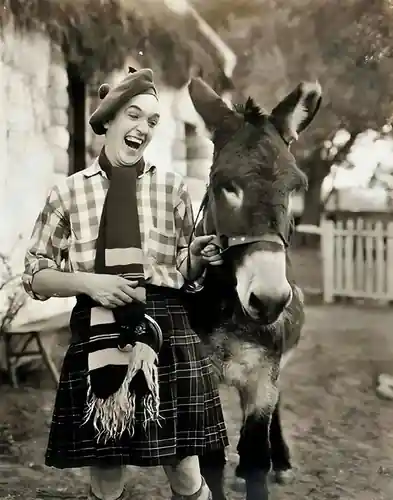
Consider the way objects are used as extensions of the characters' frustrations. A scone becomes a missile, a tablecloth a tripping hazard, a kilt an unintended revealing garment in the heat of battle. The sheer physicality of the performances is astonishing, especially when considering the rudimentary safety measures of the era. These actors were true pioneers, willing to throw themselves into the fray for the sake of a laugh. It's a brand of comedy that, while perhaps less subtle than some contemporary forms, possesses an undeniable, primal appeal. It speaks to the universal language of physical expression, transcending cultural and linguistic barriers. One could draw parallels to the organized pandemonium seen in Buster Keaton's masterpiece, Cops, where the world itself seems to conspire against the protagonist, or the domestic chaos often depicted in early Hal Roach shorts. While Short Kilts may not reach the philosophical depths or structural sophistication of a Keaton feature, its commitment to relentless, high-energy silliness is equally commendable within its own comedic niche.
For fans of Stan Laurel, Short Kilts offers a compelling piece of his early filmography. It predates his legendary partnership with Oliver Hardy by several years, providing valuable insight into the individual comedic talents he honed before the iconic duo was formed. Here, we see Laurel experimenting with the wide-eyed innocence, the hesitant gestures, and the escalating panic that would become hallmarks of his later work. He is a character often caught in the crossfire, a bewildered participant rather than an instigator, and his reactions to the escalating madness are pure gold. His ability to convey complex emotions – confusion, fear, exasperation, and a touch of childlike mischief – without uttering a single word is a testament to his extraordinary skill as a silent film actor. This period of his career, marked by numerous shorts for Hal Roach, was crucial for his development, allowing him to refine his craft and discover the nuances of his unique comedic voice. Comparing his performance here to his more established persona in films like Love and Doughnuts (another early short) reveals a consistent thread of character, even as the situations and collaborators changed. It highlights the consistency of his comedic vision even in disparate productions.
Why does a film like Short Kilts continue to resonate, even in an age of sophisticated CGI and intricate narrative structures? The answer lies in the fundamental nature of its humor. Silent slapstick, when done well, is universal. It transcends language and cultural barriers, tapping into a primal understanding of physical comedy. There's an honesty to it, a raw, unfiltered joy in watching people tumble, slip, and collide in spectacularly silly ways. The lack of dialogue forces the audience to engage more deeply with the visual storytelling, to interpret expressions and gestures, to fill in the blanks with their own imagination. This active participation creates a more intimate and personal comedic experience.
Furthermore, these films offer a valuable historical document, preserving a particular style of performance and filmmaking that has largely faded from mainstream cinema. They remind us of a time when entertainment was simpler, yet no less effective. The sheer energy and commitment of the performers are infectious, and the meticulous craftsmanship behind the seemingly spontaneous chaos is genuinely impressive. One might even argue that the limitations of the silent medium often fostered greater creativity, forcing filmmakers and actors to find ingenious ways to communicate emotion and narrative without the crutch of spoken words. This constraint, rather than hindering, often propelled the genre to innovative heights, birthing comedic techniques that are still subtly influencing storytelling today.
Short Kilts, while perhaps not as widely known as some of the feature-length classics of the silent era, is an essential piece of comedic history. It's a vibrant, boisterous short that perfectly encapsulates the spirit of its time. It’s a riotous celebration of physical comedy, a showcase for an incredible ensemble of performers, and a crucial stepping stone in the career of one of comedy's true legends. For anyone interested in the origins of slapstick, the early work of Stan Laurel, or simply in enjoying a good old-fashioned, no-holds-barred laugh, this film is an absolute must-see. It serves as a powerful reminder that sometimes, the most complex human conflicts can be distilled into the most hilariously simple, yet utterly chaotic, cinematic experiences. It's a film that asks us to embrace the absurdity of life, to find humor in the breakdown of civility, and to revel in the sheer joy of unbridled comedic energy. It is, in essence, a glorious mess, and all the more delightful for it.
As we reflect on its place in the broader cinematic landscape, it's clear that films like Short Kilts were instrumental in shaping the grammar of visual comedy. They established conventions, developed archetypes, and refined techniques that would be borrowed, adapted, and built upon by generations of comedians and filmmakers. From the quick cuts of a chase sequence to the exaggerated reactions that punctuate a gag, the DNA of silent comedies is woven into the fabric of modern entertainment. So, next time you encounter a scene of expertly orchestrated chaos in a contemporary film or television show, take a moment to appreciate the lineage that stretches back to these pioneering shorts. The legacy of laughter is long and winding, and films like Short Kilts are significant, if often overlooked, signposts along that journey. It's a joyous, tumultuous ride, and one well worth taking.
The influence of films such as Short Kilts extends beyond mere historical curiosity. They represent a foundational period where the very language of cinema was being invented. Without the necessity of dialogue, filmmakers like H.M. Walker and performers like Stan Laurel were compelled to tell stories and evoke emotions purely through visual means. This focus on physical action, expressive pantomime, and visual gags laid the groundwork for countless comedic tropes that persist to this day. Think of the elaborate chase sequences, the mistaken identities, the escalating misunderstandings – these were honed and perfected in the silent era. The sheer inventiveness required to maintain audience engagement for even a short film without spoken words is a testament to the creative brilliance of the period. This era, exemplified by shorts like Short Kilts, was a laboratory for cinematic experimentation, yielding results that continue to inform and inspire. It’s a rich tapestry of innovation, where every frame was a chance to communicate, entertain, and push the boundaries of a burgeoning art form. The raw energy and unpretentious joy found in these films serve as a vibrant reminder of cinema's earliest, most fundamental appeals.
Indeed, one could argue that the discipline enforced by the silent medium – the absolute reliance on visual storytelling – created a generation of filmmakers and actors who were uniquely adept at conveying narrative and emotion without relying on dialogue. This skill, once honed, often translated into even more nuanced and impactful performances when sound eventually arrived. The ability to communicate a character’s inner turmoil or a plot’s intricate developments through gesture, expression, and action alone is a rare gift, and the silent era was its grand incubator. Thus, revisiting films like Short Kilts is not merely a nostalgic trip; it’s an educational journey into the very roots of cinematic art, a chance to appreciate the foundational elements upon which all subsequent film and television have been built. It’s a testament to the enduring power of a good story, told with conviction and a healthy dose of uproarious laughter, regardless of whether a single word is uttered.
IMDb 6
1924
Community
Log in to comment.