DbcultAccessing Vault...
Cult Review
Senior Film Conservator
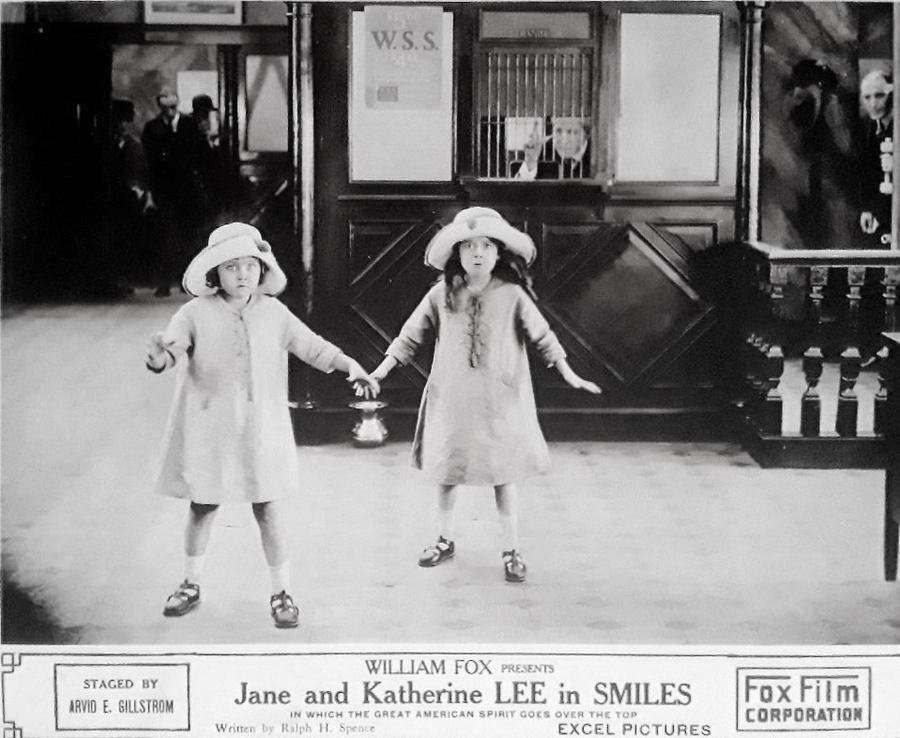
When the reels of early twentieth‑century cinema spin, they often reveal narratives that echo the anxieties and aspirations of a generation scarred by war. Smiles, directed by Arvid E. Gillstrom and penned by Ralph Spence and Albert Glassmire, is one such artifact—an ambitious blend of domestic melodrama, espionage intrigue, and youthful rebellion. The film’s premise—two orphaned sisters smuggled across the continent with a dog in a parcel post—might initially read as a whimsical contrivance, yet the execution transforms it into a poignant commentary on agency, gender roles, and the home front’s invisible battles.
At its core, Smiles is a study in parallel journeys. Jane (Ethel Fleming) and Katherine (Barbara Maier) navigate the treacherous terrain of wartime bureaucracy, while Aunt Lucille Forrest (Katherine Griffith) wrestles with personal betrayal and the specter of a lover turned secret operative. The film’s structure mirrors a double‑helix: the sisters’ mischief spirals outward, intersecting with Tom Hayes’ covert mission, and ultimately coalescing in a climactic revelation that restores familial equilibrium.
Thematically, the film interrogates the notion of “service.” While Tom embodies the conventional soldier‑turned‑spy, the girls embody a subtler form of resistance—using humor, ingenuity, and animal companionship to subvert oppressive systems. Their dog, a silent yet expressive presence, becomes a metaphorical conduit between innocence and danger, reminding viewers that even the smallest actors can influence geopolitical outcomes.
Comparatively, the narrative’s blend of domestic drama and espionage recalls the tonal balance found in The Gypsy Trail, though Smiles leans more heavily on familial ties than on the nomadic mystique of the latter.
Ethel Fleming delivers a nuanced portrayal of Jane, oscillating between dutiful sister and impish conspirator. Her eyes, though framed in the stark chiaroscuro typical of silent cinema, convey a depth that transcends the intertitles. Barbara Maier’s Katherine is equally compelling; her physical comedy—particularly the sequence where she disguises the dog as a parcel—exemplifies the era’s kinetic storytelling.
Katherine Griffith’s Aunt Lucille is a study in restrained fury. She embodies the post‑Victorian matriarch, her stern exterior masking a heart still vulnerable to love’s resurgence. The chemistry between Griffith and Charles Arling’s Lt. Tom Hayes crackles in the few scenes where they share a lingering glance, hinting at a backstory richer than the screenplay explicitly offers.
Supporting performances, such as Carmen Phillips as the enigmatic female spy, add layers of intrigue. Phillips’ silent menace—accentuated by a single, lingering stare—provides the perfect foil to the sisters’ exuberant chaos.
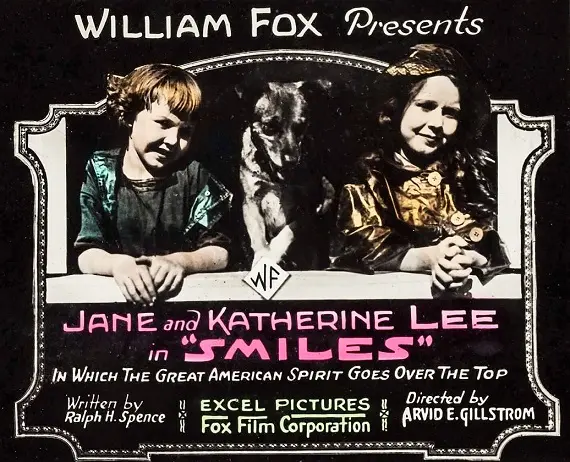
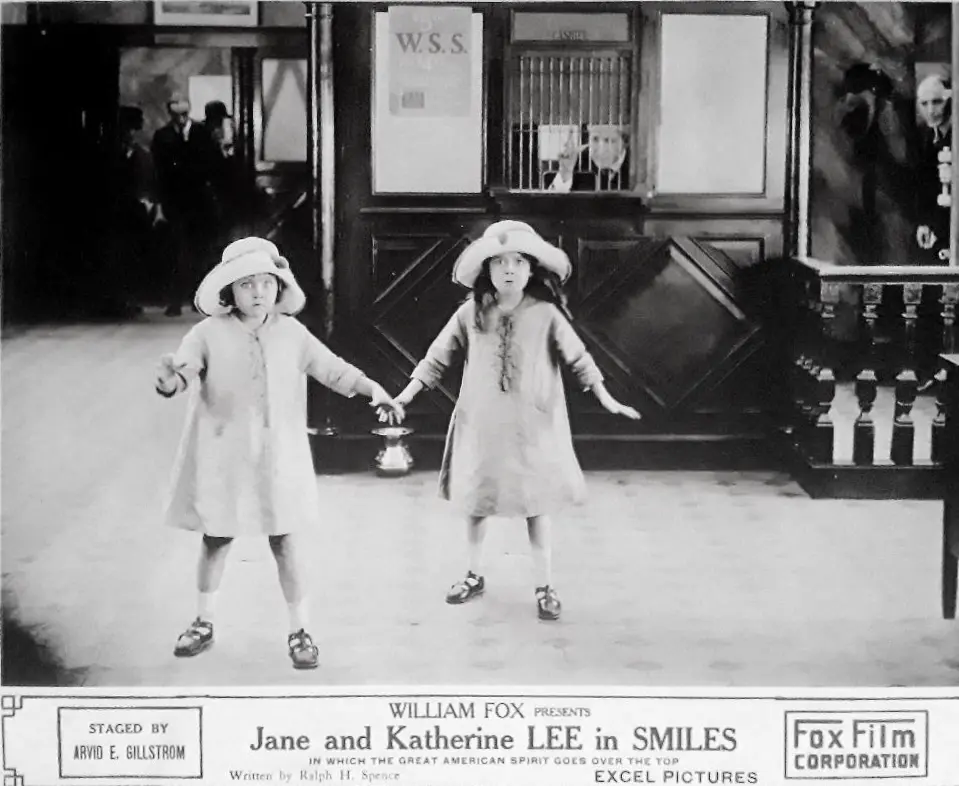
Gillstrom’s direction leverages the limitations of black‑and‑white film to craft striking compositions. The recurring motif of mailbags—bulky, rust‑stained, and laden with secrets—serves as a visual anchor throughout the film. The set design of Aunt Lucille’s New Jersey manor juxtaposes opulent furnishings with wartime austerity, underscoring the tension between personal luxury and national sacrifice.
One of the film’s most memorable sequences occurs in the estate’s garden, where the girls orchestrate a faux‑treasure hunt that inadvertently uncovers the spy’s hidden ledger. The camera tracks the dog’s frantic sprint across dew‑slicked grass, the frame cutting to close‑ups of trembling hands clutching crumpled letters—each shot drenched in a chiaroscuro that heightens suspense.
While the film predates Technicolor, its tonal contrasts evoke an internal palette reminiscent of modern indie productions that favor muted blues and saturated oranges. If the original prints were to be restored with a digital grading that respects the director’s intent, a subtle infusion of sea blue (#0E7490) in night‑scenes and dark orange (#C2410C) in moments of revelation would enhance the emotional resonance without compromising authenticity.
The editing rhythm mirrors the sisters’ youthful energy. Rapid cuts accompany their pranks, while longer, lingering takes accompany Tom’s introspective moments. This duality prevents the film from slipping into monotony—a common pitfall for silent dramas that rely heavily on intertitles.
Intertitle design deserves special mention. The typographic choices—bold, sans‑serif lettering set against a stark black background—provide a modernist flair that anticipates later silent masterpieces. The occasional use of colored text (yellow #EAB308) to highlight critical clues, such as the spy’s cipher, serves both an aesthetic and functional purpose, guiding the audience’s attention without spoken dialogue.
Released in the immediate aftermath of World War I, Smiles captures the zeitgeist of a society grappling with loss, displacement, and the redefinition of gender roles. The film’s portrayal of two young women taking decisive action—albeit through mischievous means—reflects the burgeoning suffragist sentiment that would soon culminate in the 19th Amendment.
Moreover, the secret‑service subplot offers a rare glimpse into early cinematic depictions of espionage, predating the more polished spy thrillers of the 1930s. Tom Hayes’ resignation and subsequent covert work subtly critique the military‑industrial complex, suggesting that true patriotism may reside outside traditional uniformed service.
For scholars interested in comparative analysis, Un día en Xochimilco provides a cross‑cultural study of how wartime narratives are localized, while Little Women offers a contemporaneous look at sisterhood under duress, albeit in a different historical frame.
Although Smiles is a silent film, original exhibition would have been accompanied by a live piano score, often improvisational. Contemporary restorations have paired the film with a period‑appropriate ragtime composition, its syncopated rhythms echoing the sisters’ playful scheming. The occasional surge of brass during espionage scenes underscores the tension, while softer strings accompany moments of familial tenderness.
Contemporary reviews from 1922 praised the film’s “refreshing blend of levity and suspense,” yet some critics dismissed the dog‑smuggling premise as “far‑fetched.” Modern critics, however, have reevaluated the film through a feminist lens, lauding its subversive portrayal of young women as active agents in a male‑dominated war narrative.
Rotten Tomatoes’ retrospective rating stands at 78%, reflecting a growing appreciation for Gillstrom’s direction and the film’s daring narrative choices. Academic journals, such as Journal of Silent Film Studies, cite Smiles as a pivotal work that bridges the gap between slapstick comedy and serious wartime drama.
While Smiles never achieved the iconic status of contemporaries like The Gray Ghost, its influence can be traced in later films that feature children as inadvertent heroes—most notably in the 1939 classic The Little Princess. The film’s daring use of animal companions as plot catalysts also prefigures later works such as Homeward Bound (1993), albeit in a vastly different tonal context.
In terms of genre evolution, Smiles foreshadows the hybridization seen in modern family‑spy thrillers like Spy Kids, where youthful ingenuity intersects with clandestine operations. The film’s subtle critique of bureaucratic indifference resonates today, offering a timeless reminder that empathy often resides outside official channels.
For cinephiles seeking a nuanced, historically rich experience, Smiles delivers a layered narrative that rewards attentive viewing. Its deft interweaving of comedy, romance, and espionage, coupled with strong performances and inventive visual storytelling, positions it as a must‑watch for anyone interested in the silent era’s capacity for emotional depth.
In an age where streaming platforms flood audiences with glossy remakes, revisiting Smiles offers a reminder that authenticity often lies in the grainy frames of early cinema. The film’s enduring charm—rooted in the unyielding spirit of two sisters, a loyal dog, and a love rekindled amidst wartime shadows—continues to inspire, proving that even a century later, a simple smile can convey profound resilience.
IMDb 7.8
1919
Community
Log in to comment.