DbcultAccessing Vault...
7.1/10
Senior Film Conservator
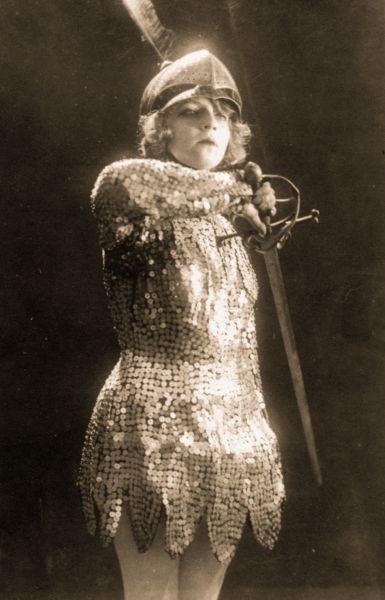
A definitive 7.1/10 rating for a film that redefined the boundaries of cult cinema. Egri csillagok remains a cornerstone of transgressive art.
There are films that merely tell a story, and then there are those that breathe life into history, transforming dusty chronicles into pulsating sagas of human endeavor. Pál Fejös's cinematic interpretation of Géza Gárdonyi's monumental novel, Egri csillagok – 'Stars of Eger' – unequivocally belongs to the latter category. This isn't just a film; it's a profound cultural artifact, a vibrant echo from a bygone era that still resonates with an astonishing power today. It plunges us headfirst into the crucible of 16th-century Hungary, a nation teetering on the precipice, besieged by the relentless expansion of the Ottoman Turkish Empire. The film doesn't just depict conflict; it encapsulates the very soul of a people fighting for survival, freedom, and an identity threatened with obliteration.
Géza Gárdonyi's novel is a cornerstone of Hungarian literature, a meticulously researched and passionately rendered account of the 1552 Siege of Eger. To adapt such a revered text to the screen is no small feat, demanding both fidelity to the source and the artistic courage to translate its epic scale and intimate human drama into a visual language. Fejös, with his collaborators, embarked on this ambitious journey, crafting a narrative that captures the essence of Gárdonyi's vision. The film's plot, centering on Hungary's struggle against Ottoman domination, isn't just a historical recounting; it's a vivid exploration of patriotism, resilience, and the sheer audacity of hope in the face of overwhelming odds. It chronicles the adventures and maturation of Gergely Bornemissza and Éva Cecey, whose personal destinies become inextricably intertwined with the fate of their nation, providing a human anchor to the grand historical sweep.
Pál Fejös, a director known for his innovative approach and ability to wring profound emotion from his subjects, tackled Egri csillagok with an evident reverence for its historical weight and an astute understanding of cinematic storytelling. His direction navigates the complex narrative with remarkable dexterity, balancing grand battle sequences with moments of quiet introspection and emotional intensity. Even in an era of nascent filmmaking, Fejös manages to convey the claustrophobia of the besieged fortress and the vastness of the Ottoman army with a palpable sense of scale. The visual compositions, though perhaps rudimentary by today's standards, possess a clarity and dramatic purpose that effectively communicate the narrative’s urgency and the characters’ plights. He understands that an epic is not merely about armies clashing, but about the spirit that drives the individuals within those armies. In a way, the film's ambition and commitment to portraying a grand, historical struggle can draw parallels with the sweeping narratives seen in films like The Triumph of an Emperor, albeit from a different perspective – here, it's the triumph of the human spirit against imperial might, rather than the celebration of imperial power itself.
The ensemble cast of Egri csillagok delivers performances that are both earnest and impactful, embodying the diverse personalities that populate this historical drama. Rezsõ Szántó, Rózsa Szilassy, and Ferenc Szécsi, among others, anchor the narrative with their portrayals of protagonists whose journey from innocence to hardened resolve forms the emotional backbone of the film. Szántó, as the resolute Gergely, conveys a quiet strength and unwavering determination, making his character's growth believable and inspiring. Szilassy, in her role, brings a fierce independence and emotional depth to Éva, making her more than just a damsel in distress; she is a formidable figure in her own right. The supporting cast, including Gyula Zilahi, Dénes Szekula, Nándor Bihary, Béla Sziklai, Béla Pogány, Elemér Baló, János Vaszary, László Angyal, Ili K. Takács, Zoltán Makláry, Sándor Fülöp, Gyula Stella, Mara Jankovszky, and Lajos Réthey, each contribute to the rich tapestry of the besieged community. Their collective efforts paint a vivid picture of a people united by a common threat, displaying a range of emotions from fear and despair to courage and defiance. The palpable sense of community and shared destiny under duress, where every individual's contribution is vital, reminds one of the collective resilience depicted in narratives like The Outcasts of Poker Flat, where disparate characters find common ground and strength in unity during times of crisis.
At its core, Egri csillagok is a profound meditation on themes that transcend its historical setting. The concept of resilience is central; the Hungarian defenders, vastly outnumbered and outgunned, refuse to yield, demonstrating an unyielding spirit that becomes a beacon of national pride. Sacrifice is another pervasive motif, seen in the willingness of individuals to lay down their lives for their homeland, their families, and their cultural heritage. The film meticulously explores what it means to defend one's identity against an encroaching foreign power, highlighting the cultural clash between East and West. It's a testament to the enduring human desire for self-determination and the fierce love of one's homeland. The emotional stakes are consistently high, not just for the nation, but for the individuals caught in the maelstrom, creating a sense of dramatic tension that is surprisingly potent for its age. The film's ability to convey such intense personal stakes amidst a grand historical backdrop echoes the powerful emotional narratives found in melodramas like East Lynne (1922), where individual suffering and sacrifice are magnified against a backdrop of societal upheaval.
For a film produced in its period, the visual storytelling of Egri csillagok is remarkably sophisticated. Fejös and his cinematographers utilize the available technology to its fullest, employing wide shots to convey the scale of the armies and the fortifications, alongside tighter frames that emphasize the emotional intensity of individual characters. The production design, though perhaps limited by resources, strives for historical authenticity, immersing the viewer in the grim realities of 16th-century warfare. While silent films relied heavily on intertitles, the visual language here is strong enough to convey much of the narrative and emotional thrust without constant textual intervention. The depiction of the siege itself is particularly compelling, showcasing the brutal ingenuity of both attackers and defenders. From the initial probing attacks to the desperate final assaults, each stage of the conflict is rendered with a clarity that belies the film's age. The use of light and shadow, even in black and white, adds depth and mood, underscoring the gravity of the situation and the stark contrast between hope and despair.
The film’s pacing is deliberate, allowing the audience to become deeply invested in the characters and the unfolding events. It builds tension incrementally, culminating in the harrowing climax of the siege. The narrative arc is classic yet powerfully executed: an initial period of relative peace, the rising threat, the gathering of forces, the desperate defense, and the eventual, hard-won victory. This structure allows for a comprehensive exploration of the human experience under extreme pressure. The film doesn't shy away from depicting the harshness of war, yet it also celebrates the triumphs of courage and strategic brilliance. Its enduring impact lies not only in its historical significance within Hungarian cinema but also in its universal themes. It speaks to any audience about the importance of defending one's homeland, the power of collective will, and the indelible mark left by heroic deeds. It serves as a powerful reminder that history, when told with passion and skill, can be as thrilling and emotionally resonant as any contemporary drama.
Egri csillagok is more than just a film adaptation; it is a cinematic monument to a pivotal moment in Hungarian history and a testament to the power of storytelling. It captures the essence of Géza Gárdonyi's epic novel, translating its grand scope and intimate human drama into a compelling visual narrative. The performances, particularly from Rezsõ Szántó and Rózsa Szilassy, imbue the characters with a vitality that makes their struggles and triumphs deeply felt. Fejös's direction, though constrained by the technological limitations of his era, showcases a remarkable ability to craft an immersive and emotionally resonant historical epic. The themes of national identity, unwavering resistance, and profound sacrifice are woven throughout the narrative, making it a timeless exploration of the human spirit's capacity for heroism. This film doesn't just recount history; it invites us to experience it, to feel the weight of the siege, the fear of the unknown, and the exhilaration of defiance. It stands as a powerful example of how cinema can serve as a vessel for cultural memory, preserving and celebrating the stories that define a nation. For anyone interested in the confluence of history, literature, and early cinematic artistry, Egri csillagok offers a rich, rewarding, and utterly unforgettable experience.
IMDb —
1919
Community
Log in to comment.