DbcultAccessing Vault...
5.5/10
Senior Film Conservator
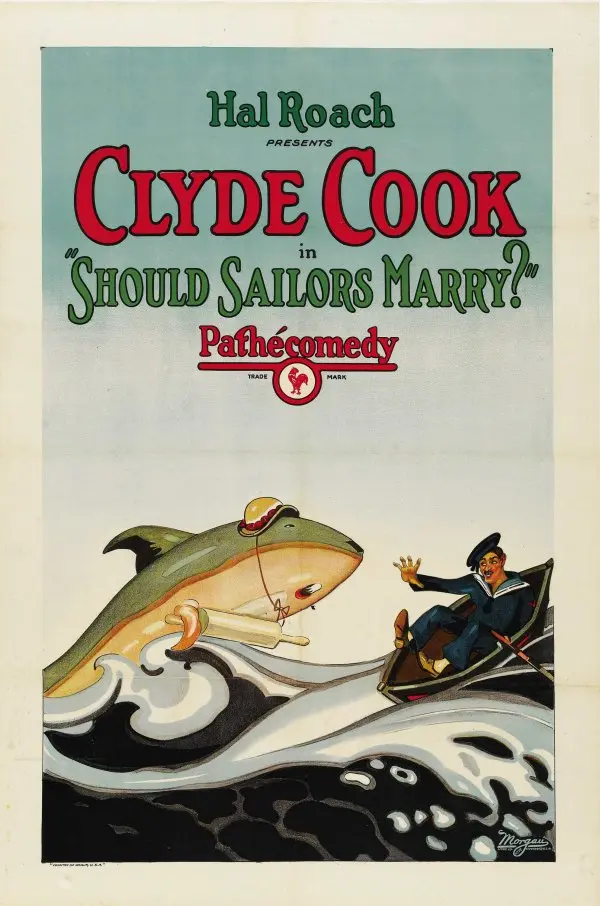
A definitive 5.5/10 rating for a film that redefined the boundaries of cult cinema. Should Sailors Marry? remains a cornerstone of transgressive art.
The film opens with a palpable sense of tension and intrigue, as we are introduced to the central quartet of our narrative: a seasoned con artist, his ex-wife, an unsuspecting sailor, and a series of secondary characters who each play integral roles in the intricate web of deceit and manipulation that unfolds.
William Gillespie and Helen Gilmore, the husband and wife in question, exude a palpable chemistry that underscores the dynamic of their partnership, both professional and personal. Their interactions are a masterclass in subtext and unspoken understanding, hinting at a history fraught with ambition and betrayal.
Enter Clyde Cook, the recently discharged sailor who, upon rejoining the civilian world, finds himself in the midst of a scheme that threatens to unravel his hard-earned savings. The sailor's character is a blend of naivety and resilience, as he navigates the treacherous landscape of the con artists with a commendable mix of bewilderment and determination.
The con artists' decision to employ the sailor in the hazardous job of a High Steel Worker is a testament to their willingness to exploit any vulnerability. Their insurance scheme is a diabolical twist, as they attempt to engineer an accident, only to be thwarted by the sailor's fortitude and the unexpected moral compass of their accomplices.
The film's dialogue is sharp and sardonic, peppered with the colloquialisms and slang of the era, which adds a layer of authenticity to the narrative. The interplay between the characters is reminiscent of a chess game, with each move and countermove meticulously planned, yet fraught with the potential for missteps and miscalculations.
The cinematography is a marvel in its own right, capturing the gritty, industrial setting of the film with a keen eye for detail. The high steel work scenes are particularly impressive, juxtaposing the exhilarating heights of ambition with the dangerous reality beneath them. The choice of color palette, a blend of dark oranges and sea blues, adds a visual depth that complements the thematic undertones of the film.
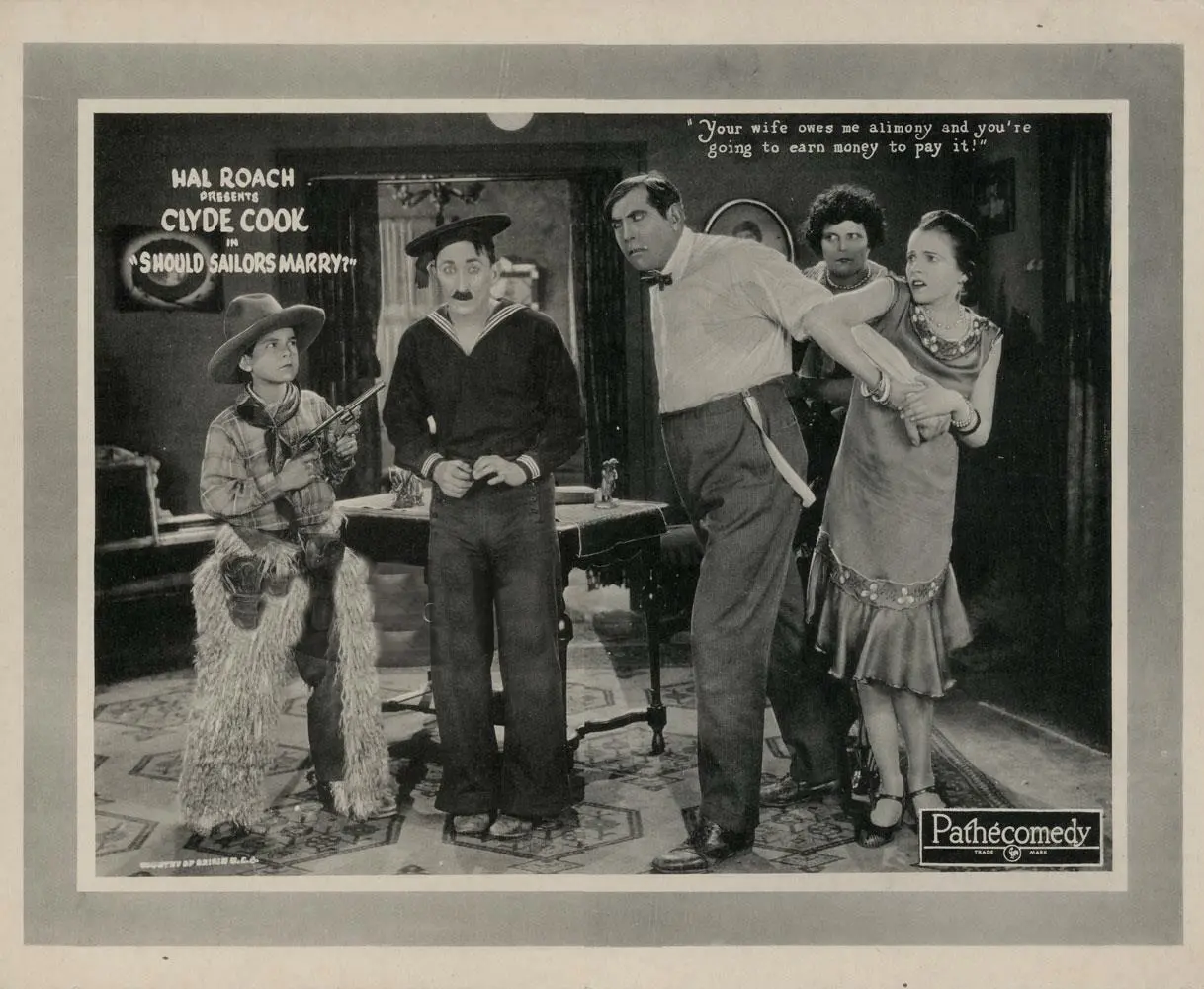
Should Sailors Marry? stands as a testament to the ingenuity of its writers, Jess Robbins and H.M. Walker, who have crafted a narrative that is as entertaining as it is thought-provoking. The film is a nuanced exploration of trust, ambition, and the fine line between right and wrong, making it a must-watch for fans of classic American cinema and those interested in the art of deception.
When juxtaposed with films such as West Meets East and Young Ideas, it becomes evident that Should Sailors Marry? is a rare gem in the annals of early 20th-century film. Its blend of wit, suspense, and social commentary makes it a timeless piece of art that continues to resonate with audiences today.
The performances, particularly those of William Gillespie and Helen Gilmore, are nothing short of brilliant. Their ability to convey the complexities of their characters, from the calculating to the vulnerable, elevates the film to new heights of emotional depth. Clyde Cook's portrayal of the sailor is equally compelling, as he navigates the moral quagmire with a grace and integrity that is both admirable and moving.
Should Sailors Marry? is a film that demands multiple viewings, each revealing new layers of meaning and insight. It is a testament to the enduring power of storytelling and the human capacity for both deception and redemption. As we watch the characters navigate their intricate web of lies and betrayals, we are reminded of the inherent complexity of human nature and the timeless struggle between right and wrong.
In conclusion, Should Sailors Marry? is a cinematic masterpiece that transcends the boundaries of its genre. It is a film that challenges, entertains, and ultimately leaves a lasting impression on the viewer. Its exploration of the human condition, coupled with its masterful execution, make it a must-see for anyone with an appreciation for classic American cinema.

IMDb 5.5
1919
Community
Log in to comment.