DbcultAccessing Vault...
Cult Review
Senior Film Conservator
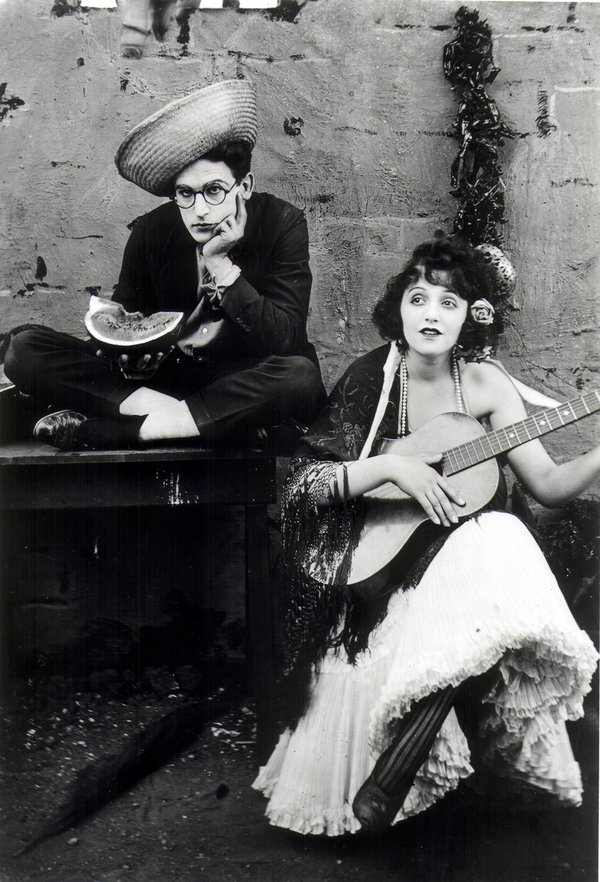
When you first step into the dusty tableau of Si, Senor, the camera lingers on the rhythmic clatter of scissors, a sound that becomes the film’s pulse. The opening sequence, shot in stark black‑and‑white, frames José (Snub Pollard) as both artisan and aspirant, his hands moving with a precision that mirrors the delicate balance of his social standing. The director’s choice to foreground the mundane act of haircutting is a masterstroke: it situates the audience in a world where labor is both livelihood and language.
\n\nSnub Pollard, better known for his slapstick antics, delivers a surprisingly nuanced performance. His eyes, often hidden behind a comedic grin, flicker with yearning whenever Rosa (Marie Mosquini) glides past the shop’s doorway. Mosquini, radiant yet restrained, embodies the archetype of the unattainable love interest while simultaneously subverting it; her glances are laden with curiosity, suggesting a mind that questions the rigid expectations imposed by her mother, Doña Carmen (Estelle Harrison).
\nThe supporting cast—Fred C. Newmeyer as the pompous landowner, Bud Jamison as the boisterous town crier, and Harold Lloyd in a fleeting cameo as a wandering troubadour—populate the narrative with a chorus of voices that echo the era’s class tensions. Each character’s costume, from the flamboyant sombreros to the modest work shirts, is rendered in meticulous detail, reinforcing the visual hierarchy that José must navigate.
\n\nAt its core, Si, Senor is a study of social mobility expressed through the metaphor of the barber’s blade. The film’s recurring motif—José sharpening his scissors before each encounter with Rosa—symbolizes his preparation to cut through the constraints of his environment. This motif resonates with contemporary audiences, echoing modern narratives about self‑improvement and perseverance.
\nThe tension between tradition and progress is further amplified during the town’s fiesta, a sequence reminiscent of the celebratory chaos in The Quickening Flame. Here, the cinematography shifts to a more kinetic style; the camera pans wildly, capturing fireworks, dancing couples, and José’s daring stunt—balancing on a makeshift platform while wielding his scissors like a conductor’s baton. The scene is a visual crescendo that forces Doña Carmen to confront the inadequacy of her classist worldview.
\n\nThe film’s silent nature is not a limitation but a canvas for expressive mise‑en‑scene. Intertitles are sparingly used, their typography echoing the hand‑painted signs that adorn the town’s storefronts. When a title card finally appears—"Love cuts deeper than any blade"—it is rendered in a bold, cursive script that glows against the night‑sky backdrop, underscoring the romantic climax.
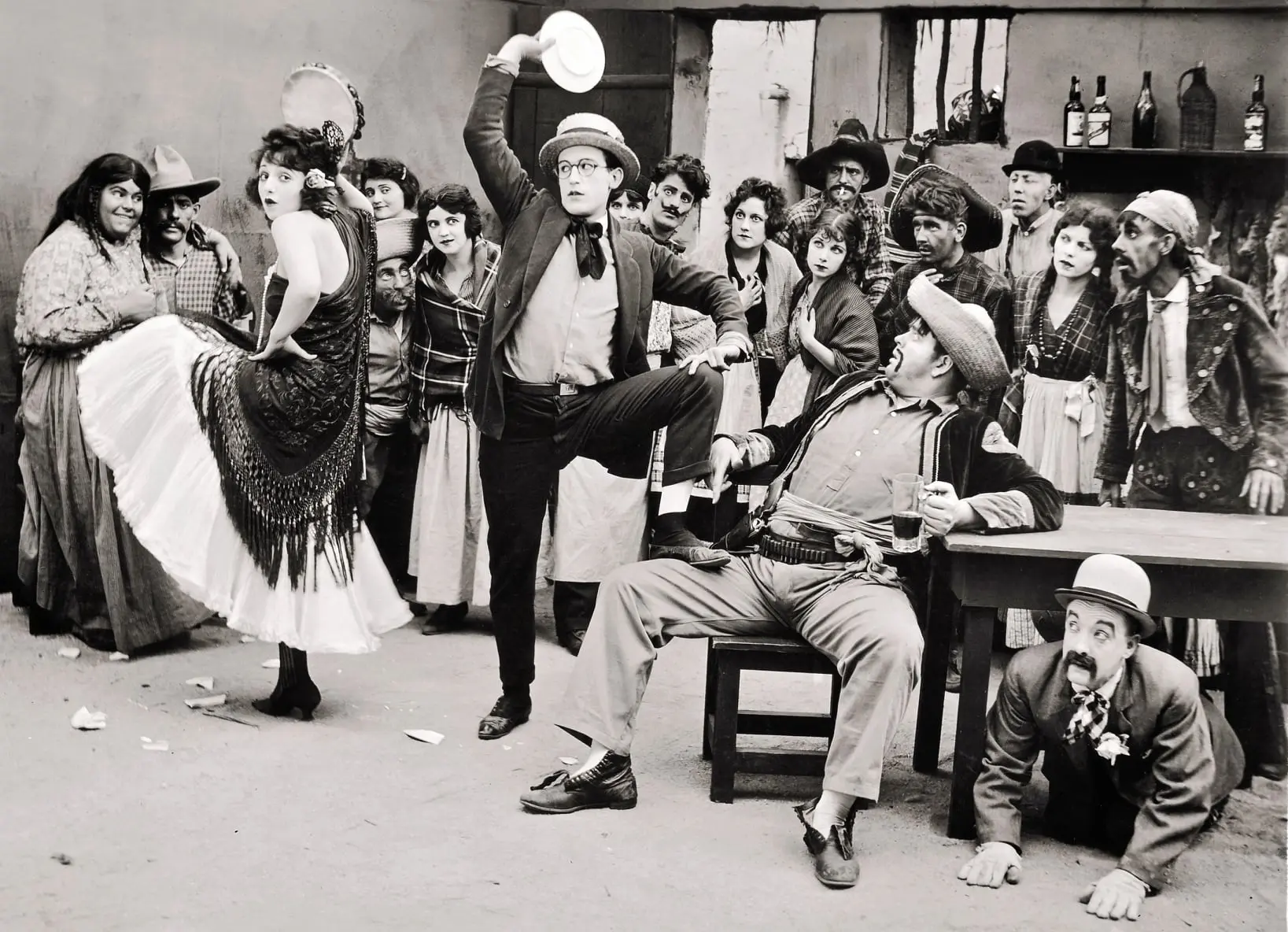
Lighting plays a pivotal role; chiaroscuro is employed to contrast José’s dimly lit shop with the bright, sun‑drenched plaza where Rosa’s mother convenes her suitors. The interplay of shadows and light not only delineates space but also mirrors the internal conflict of characters—José’s hope flickering in darkness, Rosa’s optimism illuminated by daylight.
\n\nWhen juxtaposed with Zollenstein, which explores similar themes of artistic ambition versus societal expectation, Si, Senor distinguishes itself through its comedic undertone. Whereas Zollenstein leans into tragic melodrama, Pollard’s comedic timing injects levity, making the narrative’s stakes feel both urgent and approachable.
\nThe film also shares a kinship with The Folly of Sin in its critique of moral rigidity. Both films employ humor to dismantle the façade of respectability, revealing the human desires that lurk beneath.
\n\nWhile the setting is unmistakably Mexican, the production’s American origins are evident in its romanticized portrayal of rural life. The film walks a fine line between homage and exoticism, a tension that modern scholars often dissect. Nevertheless, the authentic use of local music—performed by a live mariachi ensemble during the climactic dance—adds a layer of cultural fidelity that enriches the viewing experience.
\nThe film’s release in the mid‑1920s coincided with a wave of Hollywood’s fascination with Latin American motifs, a trend also observable in Sangre y arena. Si, Senor contributes to this dialogue by positioning a working‑class protagonist at the narrative’s heart, thereby challenging the era’s prevalent tropes of aristocratic heroism.
\n\nThe screenplay unfolds with deliberate pacing; the first act establishes the quotidian rhythm of José’s barbershop, the second escalates the romantic tension through a series of escalating gestures, and the third delivers a cathartic payoff at the fiesta. The plot twist—Doña Carmen’s sudden reversal after witnessing José’s public declaration—feels earned, not contrived, because the film has meticulously built empathy for both mother and son.
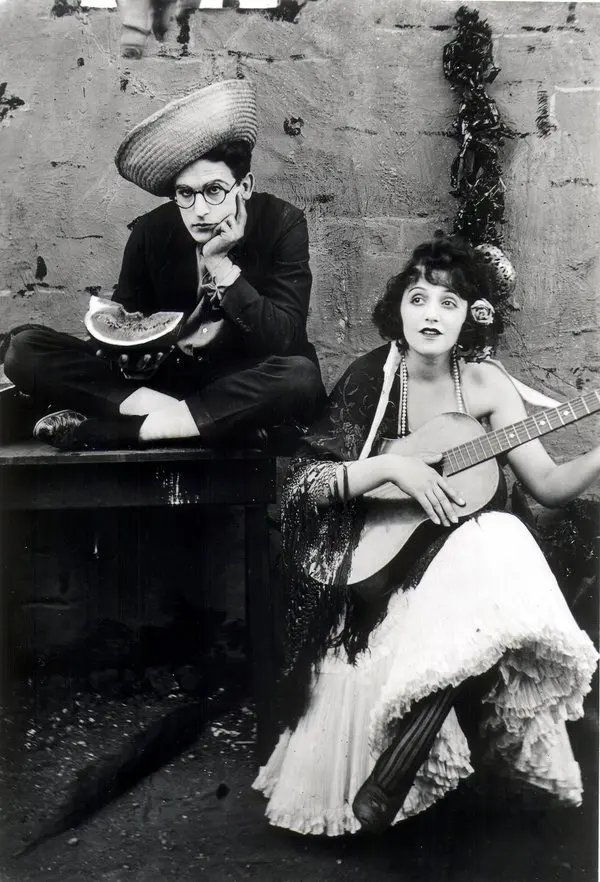
The resolution, wherein Rosa and José exchange vows amidst a cascade of confetti, is both conventional and satisfying. It affirms the film’s central thesis: love, when wielded with sincerity, can transcend socioeconomic barriers. The final intertitle—"And so the barber’s heart cut through all doubt"—offers a poetic closure that lingers beyond the fading frame.
\n\nPollard’s physical comedy, especially the sequence where he juggles razors while navigating a crowded market, showcases his dexterity and timing. Marie Mosquini’s subtle facial expressions convey a spectrum of emotions without uttering a word, a testament to silent‑era acting prowess.
\nThe cinematographer’s use of deep focus during the climactic dance allows multiple layers of action to coexist, a technique later popularized by directors such as Orson Welles. Moreover, the film’s editing—particularly the cross‑cutting between José’s frantic preparations and Doña Carmen’s deliberations—creates a rhythmic tension that propels the narrative forward.
\n\nThough Si, Senor remains a relatively obscure gem in the silent canon, its influence can be traced in contemporary romantic comedies that celebrate the underdog. The film’s emphasis on craftsmanship as a metaphor for personal agency resonates with today’s gig‑economy narratives, where individuals leverage their skills to navigate complex social hierarchies.
\nFor scholars examining early cross‑cultural representation, the movie offers a case study in how American studios negotiated authenticity and marketability. Its preservation status—recently restored by the Film Preservation Society—ensures that new generations can appreciate its blend of humor, heart, and historical texture.
\n\nIn an era saturated with high‑budget spectacles, Si, Senor reminds us that a well‑crafted story, anchored by earnest performances and visual poetry, can still cut through the noise. The film’s modest runtime belies its rich thematic layers, making it a worthy subject for both casual viewers and cinephile scholars. Whether you are drawn to its comedic flair, its cultural tableau, or its timeless message about love’s ability to reshape destiny, this barber’s tale remains a sharp, unforgettable slice of cinematic history.
IMDb —
1920
Community
Log in to comment.