DbcultAccessing Vault...
Cult Review
Senior Film Conservator
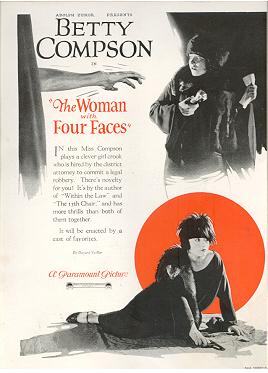
Step into the flickering glow of the early 20th century silver screen, where morality plays out in stark chiaroscuro and human motivations are painted with broad, dramatic strokes. ‘The Woman with Four Faces’, a cinematic artifact from a bygone era, invites us to ponder the enduring questions of redemption, identity, and the labyrinthine nature of the human heart. Directed with a keen eye for dramatic tension and featuring a cast that brings an undeniable gravitas to their roles, this film, though silent, speaks volumes about the societal anxieties and romantic ideals of its time.
At its core, the narrative unfurls around Elizabeth West, a character brought to vivid, nuanced life by the magnetic Betty Compson. Compson, known for her expressive eyes and ability to convey complex emotions without uttering a single word, embodies West with a compelling blend of vulnerability and steely resolve. Elizabeth is no ordinary protagonist; she is a woman grappling with a shadowed past, a reformed criminal now navigating the precarious tightrope of legitimate existence. Her past, however, becomes her most potent asset when she is thrust back into the very world she sought to escape. This intriguing premise sets the stage for a classic tale of atonement and undercover intrigue, a genre that continues to captivate audiences even today. Her journey is not merely one of catching culprits, but of wrestling with her own identity and the pervasive judgment of a society quick to condemn.
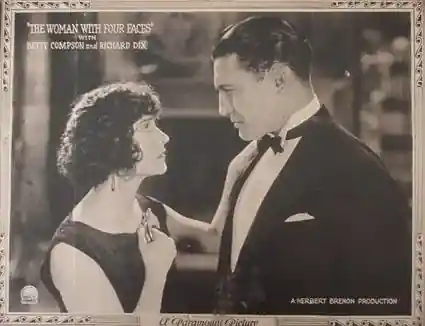
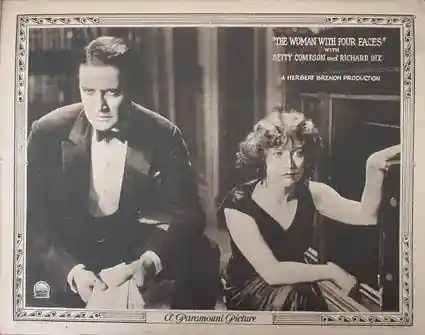
The catalyst for Elizabeth's return to the underworld is District Attorney Richard Templer, played by the stalwart Richard Dix. Dix, a prominent leading man of the era, projects an air of uncompromising rectitude and a certain earnest charm that makes his character a suitable foil and eventual romantic interest for Compson's West. Templer, representing the rigid structures of law and order, enlists Elizabeth’s unique skill set and intimate knowledge of the criminal fraternity to infiltrate and dismantle a virulent dope ring. This alliance is inherently fraught with tension; a former lawbreaker working hand-in-glove with the very system designed to incarcerate her kind. It’s a narrative device that provides rich ground for exploring themes of trust, betrayal, and the blurry lines between justice and vengeance. The script, penned by George James Hopkins and Bayard Veiller, demonstrates a sophisticated understanding of dramatic irony and character development, particularly in how it pits Elizabeth's street smarts against Templer's legal acumen.
The film excels in its portrayal of the criminal underworld, a murky realm populated by a gallery of rogues and shadowy figures. The supporting cast, including George Fawcett, Jim Farley, Charles A. Stevenson, Gladden James, Theodore von Eltz, Joseph Kilgour, Guy Oliver, and Eulalie Jensen, each contribute to the tapestry of this illicit society. Their performances, often exaggerated for the silent screen but nonetheless effective, create an atmosphere of palpable danger and moral decay that Elizabeth must navigate. The tension is consistently maintained through clever staging and the judicious use of intertitles, which, far from merely conveying dialogue, often serve to heighten the dramatic stakes or reveal inner thoughts. The visual language of the film, characteristic of its era, relies heavily on strong compositions, expressive body language, and the power of close-ups to draw the audience into the characters' emotional states.
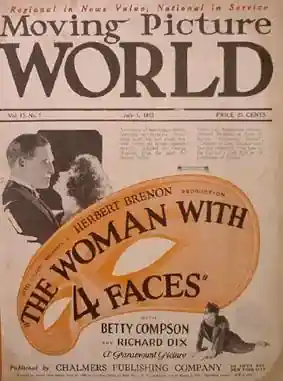
What truly elevates ‘The Woman with Four Faces’ beyond a mere crime procedural is the unexpected romantic entanglement that develops between Elizabeth and Templer. This burgeoning affection adds a profound layer of human complexity to the narrative, transforming a straightforward mission into a poignant exploration of love blossoming in the unlikeliest of circumstances. The chemistry between Compson and Dix, though conveyed through glances and gestures rather than spoken words, is undeniable. Their developing relationship is a testament to the idea that connection can transcend societal boundaries and preconceived notions, even between individuals on opposing sides of the law. This romantic arc provides the emotional anchor for the film, giving audiences a reason to invest deeply in the characters' fates beyond the resolution of the criminal plot. It's a delicate dance between duty and desire, a theme explored with similar emotional resonance in films like The Spirit of Romance, where societal expectations clash with personal yearning.
The title itself, ‘The Woman with Four Faces’, is a fascinating metaphorical construct, hinting at the multifaceted nature of Elizabeth West. Is it a reference to her past as a criminal, her present as an informant, her emerging identity as a woman in love, and perhaps the facade she must maintain to survive in a man's world? Or does it allude to the various personas she adopts during her undercover operation, each a mask designed to deceive and protect? This ambiguity enriches the film, encouraging viewers to delve deeper into her psychological landscape. This exploration of identity and transformation echoes the thematic depth found in other contemporary works, such as the introspective journey depicted in A Naked Soul, where characters also grapple with their true selves amidst external pressures.
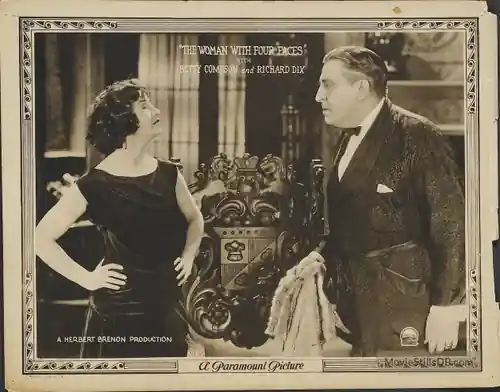
From a stylistic perspective, the film is a commendable example of early cinematic craftsmanship. The direction, while not overtly flashy, is effective in building suspense and conveying emotion. The use of lighting, particularly in the darker, more clandestine scenes, creates a noir-ish atmosphere that anticipates later crime dramas. The editing maintains a brisk pace, ensuring that the narrative never sags, a crucial element for engaging a silent film audience. The set designs, though perhaps modest by today's standards, effectively transport the viewer to the various locales, from opulent dens of iniquity to the austere offices of justice. The costumes too, particularly those worn by Compson, are not merely decorative but serve to define her character's transformation and her adaptability to different social strata.
Thematically, the film grapples with the concept of redemption. Can a past criminal truly atone for their sins and find acceptance, or are they forever marked by their transgressions? Elizabeth's journey suggests that while the path to redemption is arduous and fraught with peril, it is ultimately attainable, especially when driven by a desire for good and a burgeoning love. This hopeful message, while perhaps idealistic, resonates deeply and offers a powerful counterpoint to the cynicism often associated with tales of the criminal underworld. This message of second chances and moral complexities is a recurring motif in cinema, seen in different contexts in films like The Honor of the Range, where characters strive to reclaim their good name.
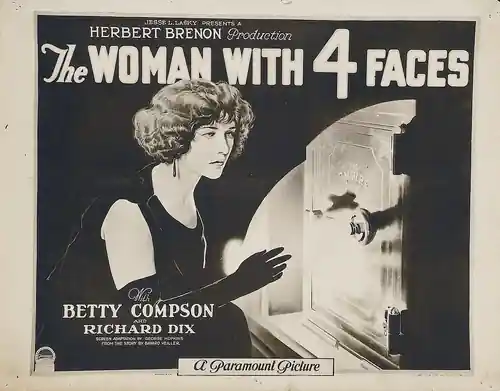
The casting choices for ‘The Woman with Four Faces’ are particularly astute. Betty Compson, as mentioned, carries the film with remarkable grace and intensity. Her ability to convey internal conflict and external bravery makes Elizabeth West a truly memorable character. Richard Dix provides a strong, anchoring presence, his understated performance allowing Compson's more flamboyant portrayal to shine. The ensemble cast, including veterans like George Fawcett and Eulalie Jensen, lends authenticity to the various roles, from hardened criminals to concerned citizens. Each actor, through their nuanced pantomime and facial expressions, contributes to the rich tapestry of the film's world. Their collective efforts ensure that despite the absence of spoken dialogue, the characters' motivations and emotions are always clear and impactful.
Comparing ‘The Woman with Four Faces’ to other films of its period reveals its strengths and its place within the evolving landscape of cinema. While not as overtly experimental as some avant-garde works, it demonstrates a solid grasp of narrative storytelling and character-driven drama. It stands as a testament to the power of silent film to engage and entertain, proving that compelling stories do not require auditory dialogue to resonate. Its exploration of a morally ambiguous female protagonist venturing into dangerous territory can be seen as a precursor to the strong female roles that would emerge in later decades, a theme also touched upon in films like A Woman's Man, though in a different genre context. The film's influence, while perhaps not as widely celebrated as some of its contemporaries, lies in its contribution to the refinement of the crime drama genre and its nuanced portrayal of human fallibility and resilience.
The screenwriters, George James Hopkins and Bayard Veiller, deserve particular commendation for constructing a plot that is both intricate and emotionally resonant. Their ability to weave together elements of crime, suspense, and romance without resorting to simplistic resolutions is a hallmark of their craft. The dialogue, as presented through intertitles, is concise yet effective, driving the plot forward and revealing character without unnecessary verbosity. The pacing of the reveals and reversals is expertly handled, keeping the audience on the edge of their seats as Elizabeth delves deeper into the heart of the criminal enterprise. This careful construction of narrative tension and emotional payoff is a testament to their skill and a foundational aspect of the film's lasting appeal.
In conclusion, ‘The Woman with Four Faces’ is more than just a historical curiosity; it is a compelling cinematic experience that continues to offer insights into human nature and the complexities of morality. Through its vivid characters, engaging plot, and understated yet powerful performances, it reminds us of the enduring allure of stories about transformation, danger, and the unexpected blossoming of love. It stands as a solid example of early American cinema's capacity for sophisticated storytelling and emotional depth. For enthusiasts of silent film, crime dramas, or simply those interested in the evolution of cinematic narrative, this film is a valuable and rewarding watch, a true gem from an era when pictures truly spoke a thousand words. Its legacy is etched not just in its thrilling plot, but in its profound exploration of what it means to be human, flawed yet capable of extraordinary acts of courage and love, a theme that resonates as strongly today as it did when it first graced the silver screens.
IMDb 5
1919
Community
Log in to comment.