DbcultAccessing Vault...
Cult Review
Senior Film Conservator
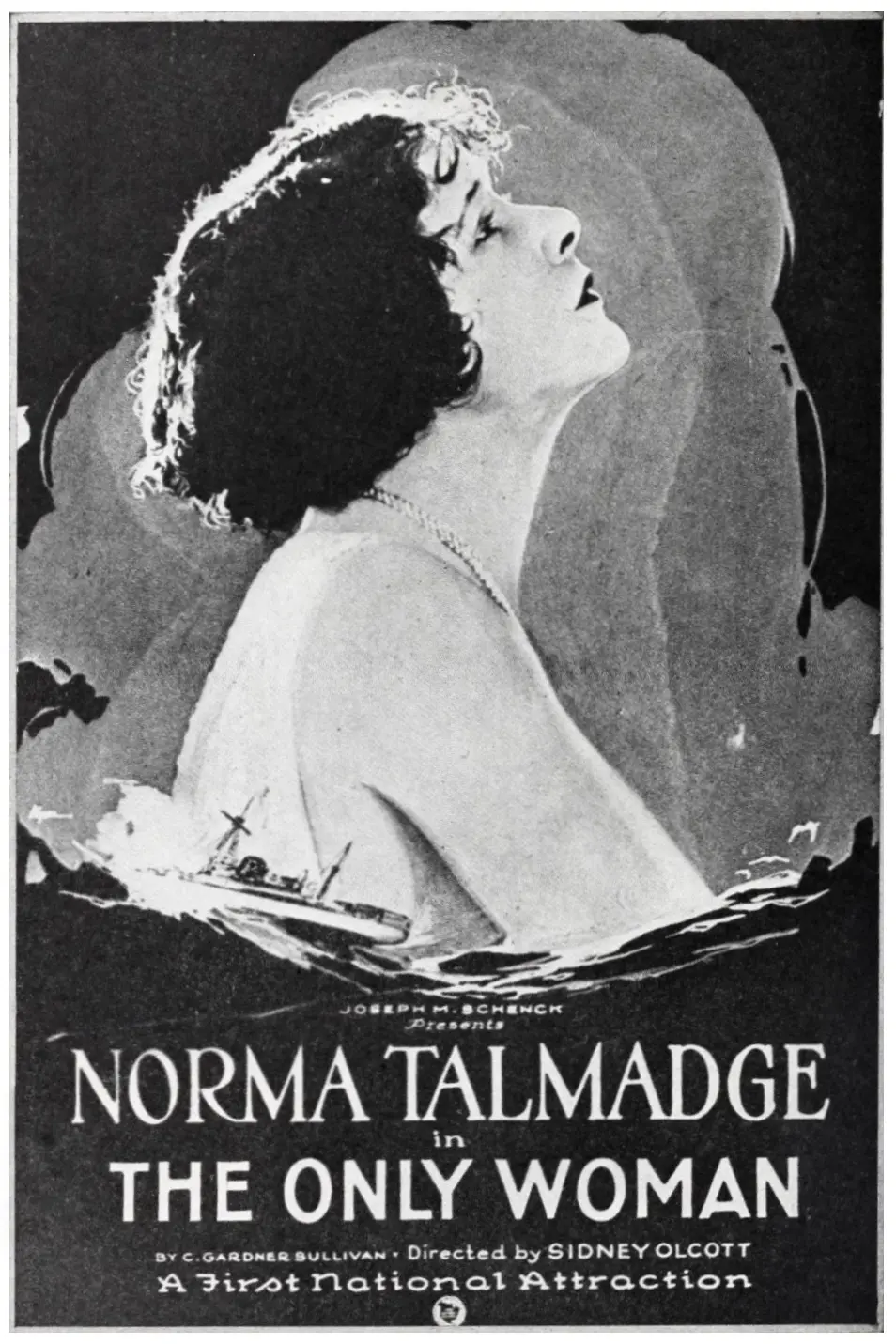
In the silent era of cinema, where the art of storytelling was defined by visual spectacle and narrative simplicity, The Only Woman emerges as a fascinating study of character dynamics and moral ambiguity. Directed with a keen eye for detail and an acute understanding of the human condition, this film invites viewers into a world where the lines between right and wrong are blurred, and the pursuit of power and status can lead individuals down a path of destruction.

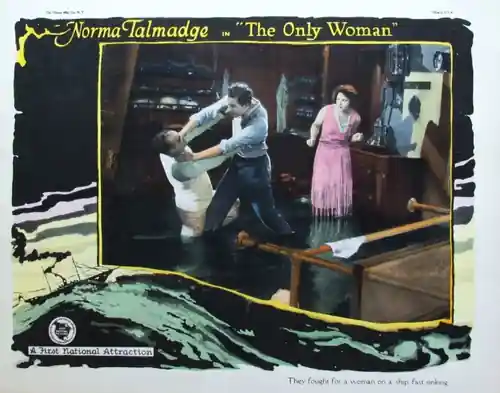
The narrative of The Only Woman is built around a financial tycoon who, upon discovering that one of his partners has engaged in speculative activities with trust funds, seizes the opportunity to not only protect his interests but also to further his own ambitions. By threatening to expose the partner's malfeasance and thereby subject him to legal repercussions, the tycoon effectively coerces the man into agreeing to a marriage between his daughter, Helen, and the tycoon's own son. This son, characterized by his intemperate habits and confirmed drunkard status, represents a problematic element in the tycoon's plan, one that raises questions about the commodification of marriage and the lengths to which individuals will go to secure power and influence.
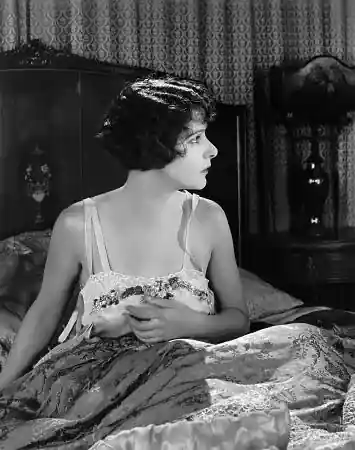
At its core, The Only Woman is a film about the corrupting influence of power and the ways in which it can warp relationships and individual morality. The character of Helen, portrayed by Norma Talmadge, serves as a symbol of innocence and virtue, a stark contrast to the morally compromised world into which she is thrust. Her journey, marked by a struggle to reconcile her familial obligations with her own sense of right and wrong, adds a layer of emotional depth to the narrative, inviting viewers to empathize with her plight.
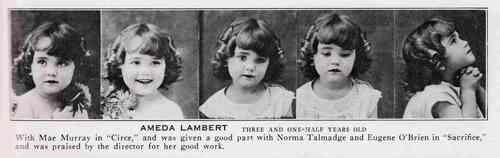
The cast of The Only Woman delivers performances that bring nuance and complexity to the film's exploration of its themes. Murdock MacQuarrie and Brooks Benedict, in particular, stand out in their portrayal of the tycoon and his son, respectively, bringing to life the intricacies of their characters' motivations and actions. The supporting cast, including Edwards Davis, Ameda Lambert, and Matthew Betz, contribute to the film's rich tapestry of character interactions, each adding their own unique perspective to the story.
In comparing The Only Woman to other films of its era, it becomes clear that this movie occupies a unique position within the cinematic landscape of the 1920s. While films like The Arizona Cat Claw and Not Guilty offer their own takes on themes of power, morality, and deception, The Only Woman distinguishes itself through its focused exploration of familial dynamics and the consequences of manipulating personal relationships for gain. Similarly, movies such as Seein' Things and Wonders of the Sea provide contrasting views on the role of spectacle and narrative in silent cinema, highlighting the diversity of storytelling approaches during this period.
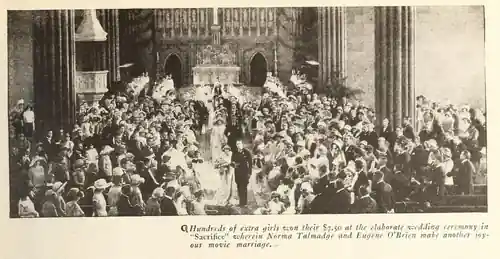
In terms of thematic resonance, The Only Woman shares a kinship with films like The Crimson Gardenia and Girl of the Sea, which also probe the complexities of human relationships and the often-destructive nature of ambition. These films, through their varied lenses, offer a window into the societal concerns and artistic preoccupations of the time, underscoring the value of cinema as a medium for reflecting and shaping cultural discourse.
Upon reflection, The Only Woman stands as a testament to the enduring power of silent cinema to engage, provoke, and entertain. Its thoughtful exploration of themes that remain relevant today—power, morality, and the complexities of human relationships—positions it as a work of lasting significance. For audiences interested in the evolution of cinematic storytelling and the artistic achievements of the silent era, The Only Woman offers a compelling viewing experience, one that invites reflection on the human condition and the ways in which we navigate the complexities of life.
Ultimately, The Only Woman is a film that resists easy categorization, existing at the intersection of drama, romance, and social commentary. Its value lies not only in its entertainment value but also in its capacity to inspire thought and discussion. As a work of cinematic art, it continues to captivate audiences with its rich narrative, memorable characters, and the timeless themes it explores.
IMDb —
1924
Community
Log in to comment.